Orange Peels and Cloves for Digestive Comfort
Most people throw away orange peels without realizing they contain natural compounds that researchers are studying for digestive wellness. The peel of an orange provides fiber such as pectin, along with flavonoids and polyphenols. These plant substances may work as prebiotics, helping feed beneficial gut bacteria and support healthy digestion.
Research suggests that citrus peels, including sweet orange peels (Citrus sinensis), may help influence digestive movement and support the body’s ability to process food more effectively. Some studies also point to the bitter compounds in orange peel as possible triggers for digestive enzymes and bile release. This may help reduce the heavy, bloated feeling many people notice after meals. Another growing area of interest is the way orange peel extracts may interact with the gut microbiome, potentially encouraging a more balanced and comfortable digestive environment.
Cloves (Syzygium aromaticum) are also widely known in traditional wellness practices for helping with digestion. This aromatic spice contains eugenol and other active compounds linked to carminative effects, meaning they may help reduce gas and support smoother movement through the digestive tract. For generations, people have used cloves after eating to feel more comfortable, and early research suggests they may also stimulate digestive enzymes while providing mild soothing support for the stomach lining.
Why This Combination May Help
Using orange peels and cloves together is appealing because both ingredients offer different forms of digestive support.
- Orange peel fiber and prebiotic compounds may support regular gut function.
- Natural bitter elements may gently promote bile and enzyme activity.
- Antioxidants may help create a calmer digestive setting.
- Clove carminative properties may help ease gas and bloating.
Another reason this approach is popular is its simplicity. These ingredients can be added to daily life without major changes or expensive products.
How to Make Orange Peel Tea at Home
If you want to try orange peel tea, this easy method can be done with basic kitchen ingredients.
- Take 1 to 2 oranges, ideally organic if available, and wash them well.
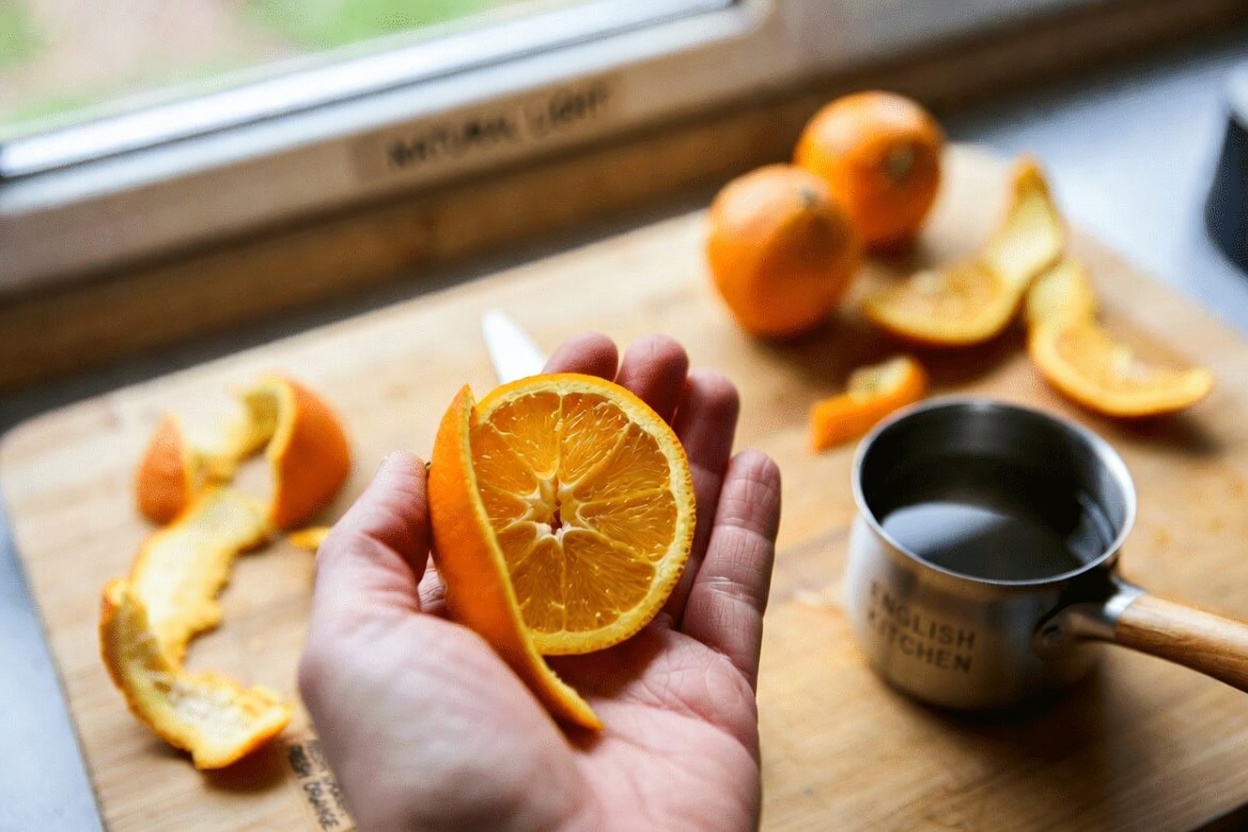
- Remove the peel, focusing mostly on the bright outer layer and using less of the white pith, which can taste very bitter.
- Use the peel fresh, or let it air-dry in a clean, well-ventilated space for later use.
- Add a handful of peel, about 2 tablespoons chopped, to 500 ml of water.
- Bring the water to a gentle boil.
- Lower the heat and let it simmer for 15 minutes.
- Strain the liquid and allow it to cool slightly before drinking.
- Drink one cup in the morning and one in the evening, preferably after meals.
Many people find it best to sip the tea slowly while warm. Start with a smaller amount first and see how your body responds before making it a regular habit.
A Fast Clove Option for After Meals
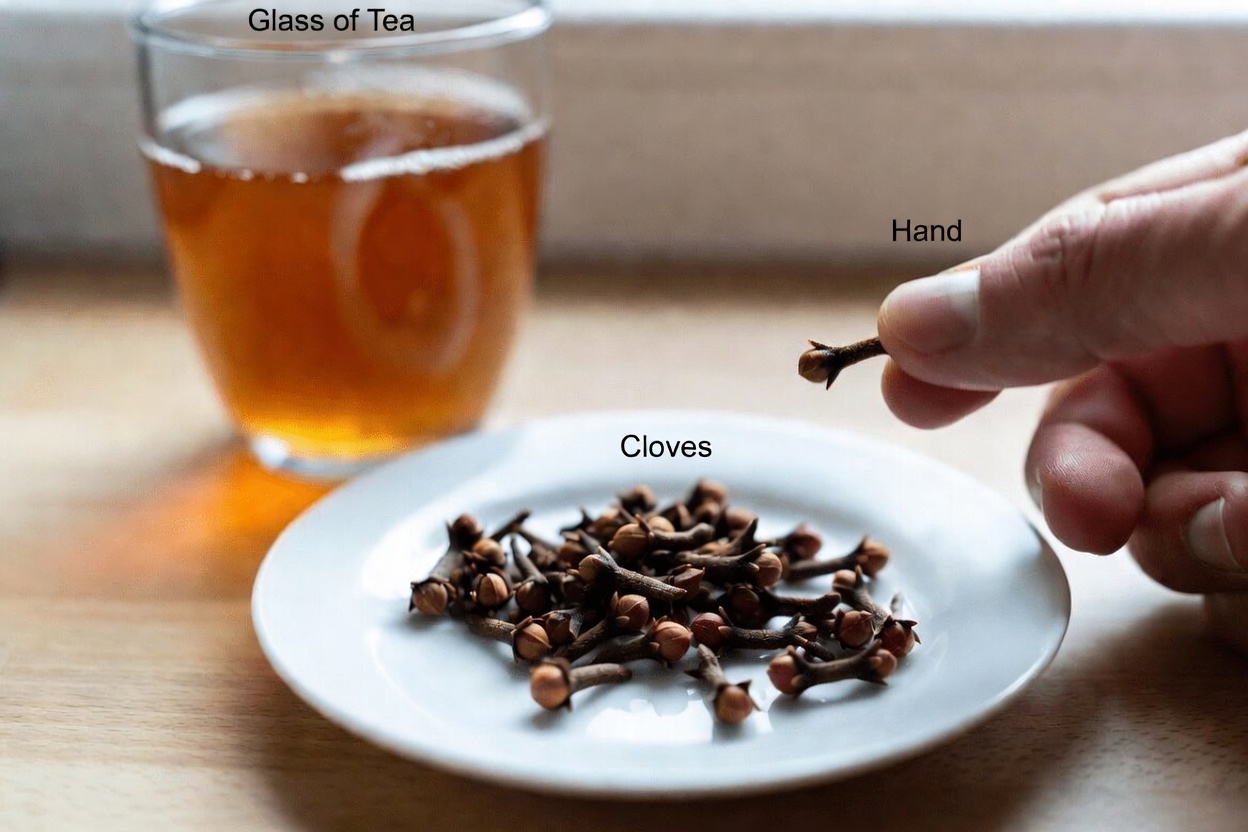
When you need something quicker, whole cloves offer a simple traditional option. Chew 1 or 2 whole cloves gently for a minute or two to release their natural oils, then swallow them. For some people, the warm and spicy taste feels soothing right away, and the active compounds may help support digestion after eating.
Keeping a small container of cloves in your kitchen or bag can make this a convenient habit when you are away from home.
Daily Habits That May Improve Digestive Ease
Natural remedies often work best when combined with healthy everyday routines. A few small adjustments can make a noticeable difference.
- Eat more slowly and chew food thoroughly.
- Drink enough water throughout the day.
- Take a short walk after meals to support natural digestive movement.
- Watch for trigger foods such as beans, dairy, or carbonated drinks if they tend to bother you.
- Manage stress, since tension can sometimes worsen digestive discomfort.
Quick Comparison: Orange Peel Tea vs. Chewing Cloves
| Approach | Preparation Time | Best For | Main Benefit |
|---|---|---|---|
| Orange Peel Tea | About 20 minutes | Daily use | Gentle, ongoing support with fiber and plant compounds |
| Chewing Cloves | Under 1 minute | Quick post-meal use | Fast, warming carminative effect |
What Research Says About Orange Peels and Cloves
Scientific interest in plant-based digestive support continues to grow. Studies on citrus peels have looked at their possible role in supporting gut bacteria balance and lowering certain inflammatory markers in the digestive system. Laboratory and animal studies have also suggested that citrus peel compounds may help protect the stomach lining under stress, although human results are still mixed and more research is needed.
Cloves have also been examined for their potential to stimulate digestive enzymes and offer antimicrobial effects that may indirectly support gut health. Traditional use matches some early findings suggesting they may help reduce gas and improve digestive comfort. Still, experts note that results vary from person to person.
These ingredients should be seen as supportive tools rather than guaranteed fixes. Your diet, lifestyle, and individual body chemistry all play a role in how effective they feel.
More Ways to Use Orange Peels and Cloves
Tea and chewing are not the only options. You can add these ingredients to your routine in other easy ways.
- Mix dried orange zest into oatmeal, smoothies, or baked recipes for added flavor and fiber.
- Steep cloves in warm water with ginger for a calming evening drink.
- Add both ingredients to homemade spice blends to enhance meals.
- Grate a little fresh orange peel over yogurt or salads for a bright citrus aroma.
Start with small amounts and pay attention to how you feel over several days or a week.
Safety Notes and Things to Consider
Most people tolerate orange peels and cloves well when used in normal food-level amounts, but it is still best to make changes gradually. Orange peel contains extra fiber, so suddenly consuming a lot may lead to temporary digestive adjustment for some individuals. Cloves are strong and concentrated, so small amounts, such as 1 or 2 cloves at a time, are usually the better choice.
If you have allergies, sensitivities, or take prescription medication, speak with a healthcare professional before using any new remedy regularly. People who are pregnant or breastfeeding should also ask for personalized medical advice first.
A Simple Way to Feel Lighter After Meals
Orange peels and cloves offer an easy, affordable way to support everyday digestive comfort. Many people like this approach because it is practical, inexpensive, and based on ingredients often already found in the kitchen.
Try orange peel tea or the quick clove method for a week and notice whether you feel any difference after meals. In many cases, small and consistent habits bring the most meaningful long-term benefits.
Frequently Asked Questions
How long does it take to notice results from orange peel tea?
Some people say they feel lighter within a few days, while others may need a week or longer of consistent use. Keeping track of how you feel after meals can help you judge whether it is working for you.
Can I use dried or store-bought orange peels?
Yes, both fresh and properly dried orange peels can work. If possible, choose peels from oranges that have been washed well and are free from wax or heavy pesticide treatment. Organic fruit is often the best option when available.
Is chewing cloves every day safe?
Small amounts, such as 1 to 2 cloves occasionally, are generally considered acceptable for many adults. However, large amounts on a daily basis are not recommended because cloves are potent. Moderation is important.
Can children or older adults use these remedies?
It is best to consult a healthcare provider before giving these remedies to children, older adults, or anyone with existing medical conditions.
Important Disclaimer
This article is for educational purposes only and should not be considered medical advice. It is not a substitute for guidance from a doctor or qualified healthcare professional. Always consult a medical expert before trying new dietary or wellness practices, especially if you have an underlying health condition or specific concerns.