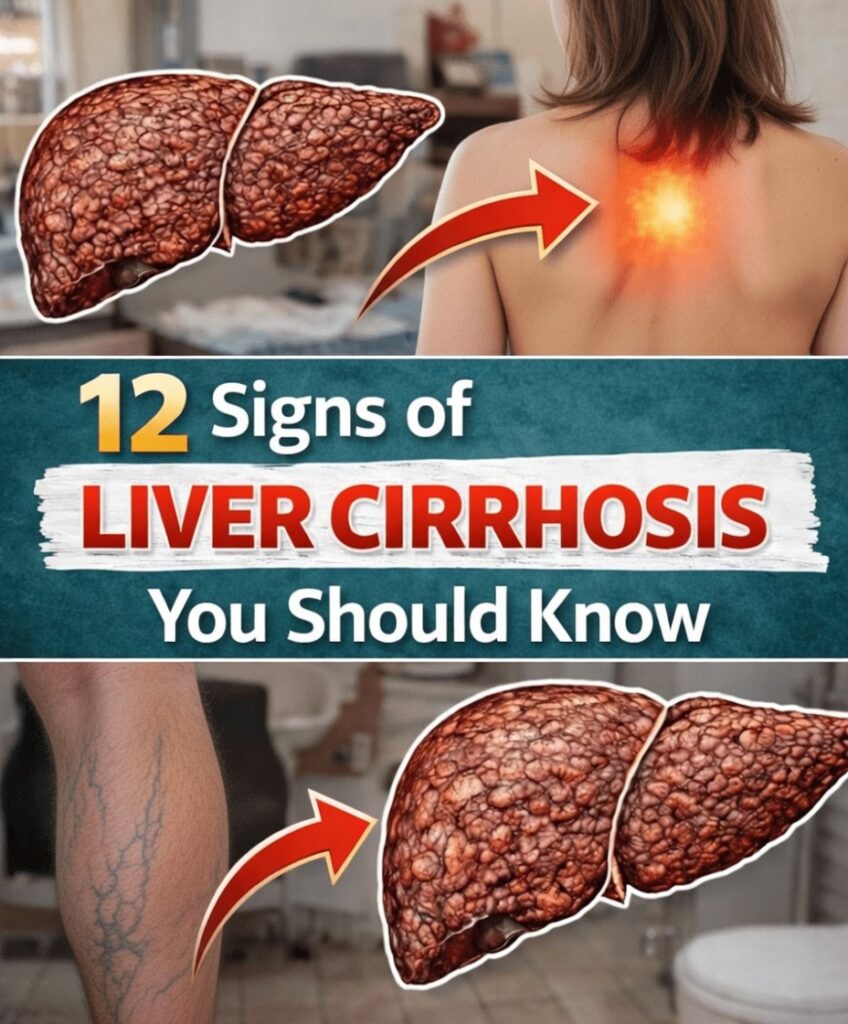
Early Signs of Liver Cirrhosis You Should Never Ignore
You’re at a family gathering when someone cracks a joke about how “puffy” you look. Everyone laughs, but inside you feel a knot of worry. That bloating you can’t explain, the tiredness that never lifts, the subtle changes in your skin—these might be more than minor inconveniences. They can be early signs of liver cirrhosis.
The encouraging news: recognizing the early symptoms of liver cirrhosis and adopting simple, everyday habits to protect your liver can slow or even prevent further damage. And there is one daily habit, often underestimated, that has the greatest power to safeguard your liver—more on that at the end.
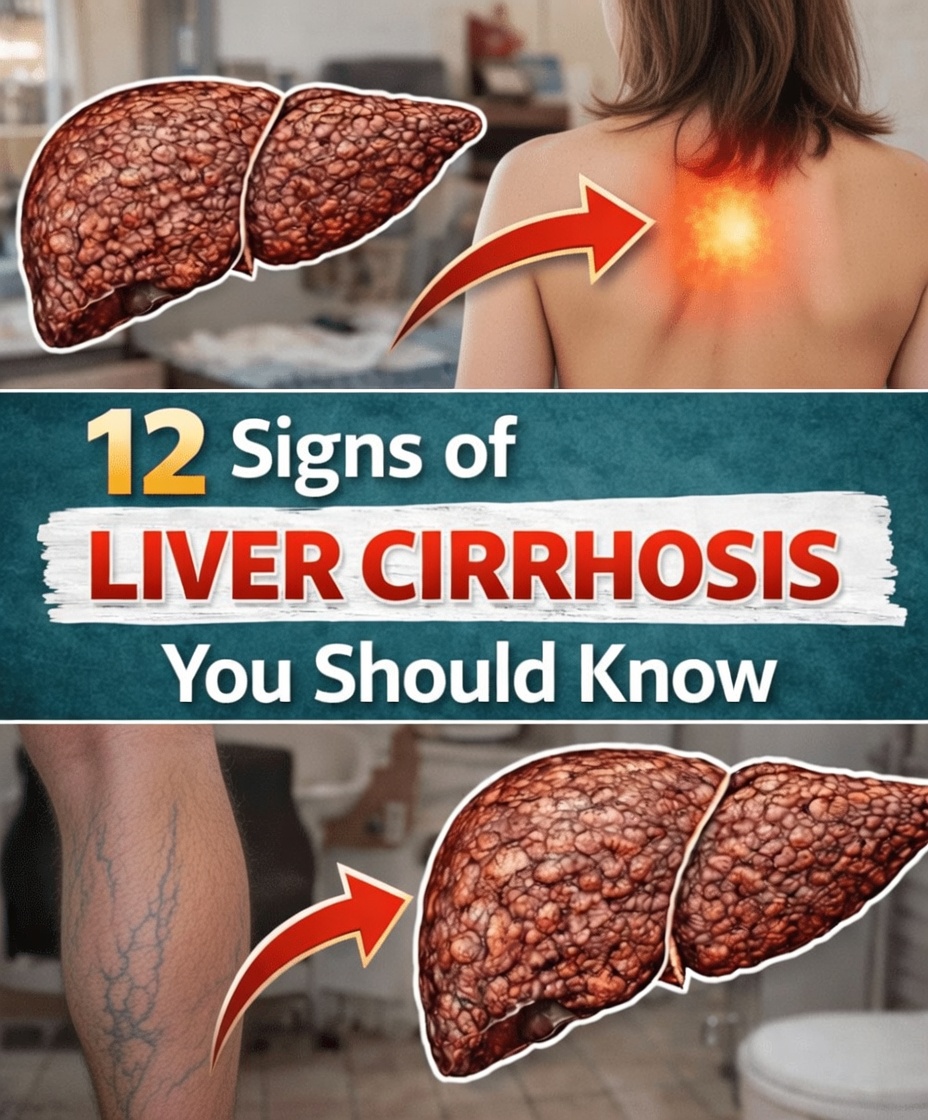
1. Extreme Fatigue and Ongoing Weakness
One of the most common early signs of liver cirrhosis is overwhelming fatigue and weakness that persists even after a full night’s rest. You may feel as if your energy is constantly running on empty, making routine activities—working, caring for family, or enjoying hobbies—feel unusually draining.
Because the liver is central to energy metabolism, liver damage can interfere with how your body processes and stores fuel, leaving you exhausted both physically and mentally.
How to ease fatigue and support liver health:
- Maintain a regular sleep and wake schedule, even on weekends.
- Incorporate gentle movement like short daily walks to improve circulation.
- Avoid large, heavy meals close to bedtime so your body can rest instead of over-digesting.
2. Abdominal Swelling and Fluid Retention
Abdominal swelling or a noticeable increase in waist size can be a key sign of liver cirrhosis, often caused by fluid buildup in the abdomen called ascites. Clothes may feel tighter, and your belly can appear distended or uncomfortable, even if your overall weight hasn’t changed drastically.
This bloating can disrupt sleep, make movement difficult, and stir up anxiety about what’s happening inside your body.
Ways to reduce discomfort and protect your liver:
- Cut back on salty and processed foods to help limit fluid retention.
- Stay lightly active with activities like walking or stretching, as tolerated.
- See your healthcare provider regularly for monitoring and tailored advice.
3. Yellowing of Skin and Eyes (Jaundice)
Jaundice—yellow discoloration of the skin and the whites of the eyes—is one of the most visible warning signs of liver cirrhosis. It occurs when bilirubin, a yellow pigment, builds up in the blood because the liver can no longer process it effectively.
This change can affect your confidence and how you feel when you look in the mirror, often triggering fear about your overall health.
Immediate steps to support your liver when jaundice appears:
- Avoid alcohol completely and minimize processed, greasy foods.
- Drink enough plain water throughout the day to support overall detoxification processes.
- Note any color changes in your skin and eyes once a week so you can report them accurately to your doctor.
4. Easy Bruising and Bleeding
If you notice that you bruise from minor bumps or bleed more easily from small cuts, it may be another sign of liver cirrhosis. A healthy liver produces clotting factors that help stop bleeding; when the liver is damaged, these proteins may decline.
This symptom can make everyday tasks—carrying groceries, playing with children, light exercise—feel risky or stressful.
Practical ways to respond:
- Be cautious with contact sports or activities that increase the chance of injury.
- Add vitamin K–rich foods like spinach, kale, broccoli, and other leafy greens to your meals.
- Seek medical evaluation promptly if you notice frequent nosebleeds, bleeding gums, or large unexplained bruises.
5. Skin Changes and Visible Blood Vessels
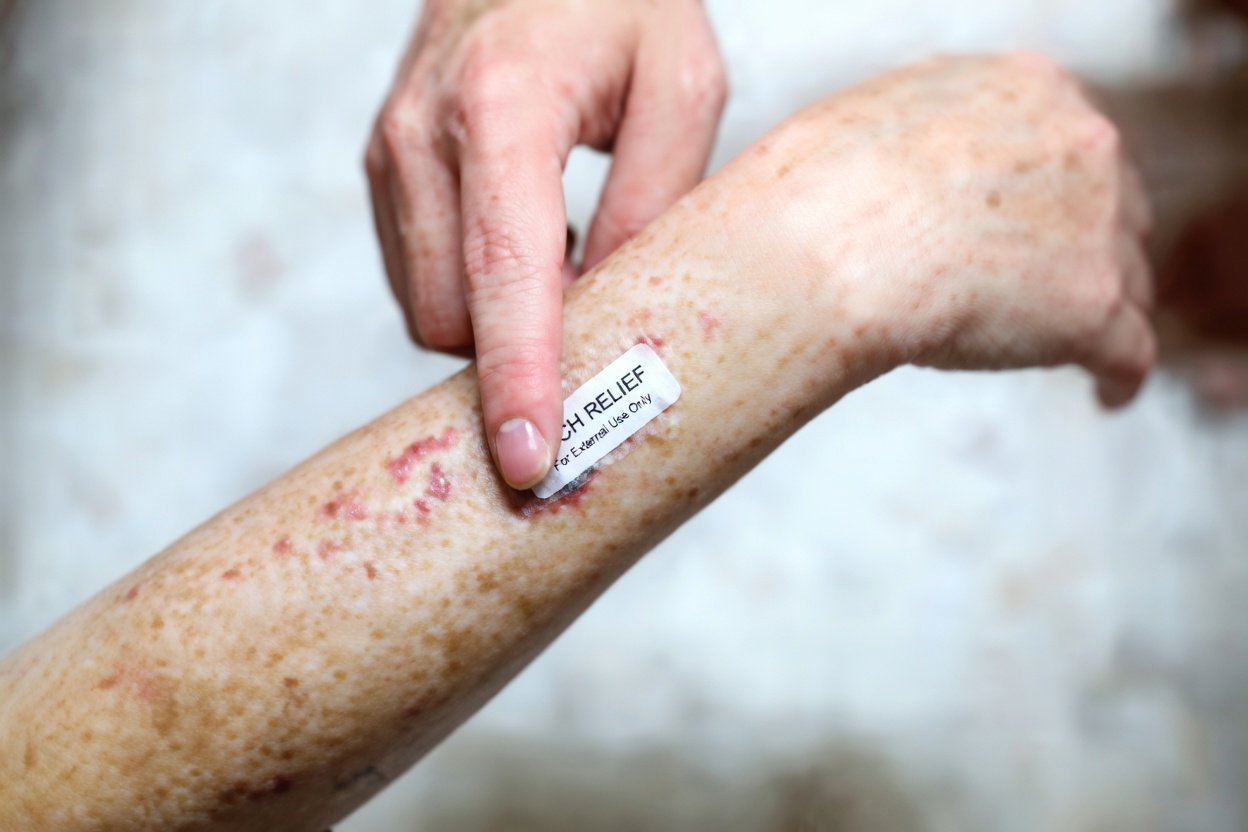
Many people with liver cirrhosis develop skin changes such as small, spider-like blood vessels (spider angiomas) on the chest, shoulders, face, or arms. Redness on the palms and generalized skin changes can also occur.
These visible signs can affect your self-esteem and make social situations uncomfortable, on top of the physical tension you may already feel.
How to stay proactive:
- Take clear photos of any new or changing skin markings every week for comparison.
- Schedule a dermatology or liver specialist visit if these vessels or changes spread or worsen.
- Support your skin and liver by maintaining a balanced lifestyle: nutritious diet, regular sleep, and stress management.
6. Nausea, Poor Appetite, and Digestive Upset
Persistent nausea, decreased appetite, a feeling of fullness after small meals, and frequent bloating are common digestive symptoms of liver cirrhosis. Eating can start to feel like a chore rather than a pleasure, and weight may fluctuate unintentionally.
Because the liver plays a major role in digestion and nutrient processing, early damage can disrupt how food is broken down and absorbed.
Gentle strategies to manage symptoms and protect your liver:
- Eat smaller, more frequent meals instead of a few large ones.
- Limit fried foods, fast food, and ultra-processed snacks high in fats and additives.
- Choose easy-to-digest, cooked fruits and vegetables rather than raw, heavy, or spicy foods.
7. Brain Fog, Confusion, and Mood Changes
Subtle mental changes—trouble concentrating, forgetfulness, irritability, or mood swings—can be overlooked but may signal early hepatic encephalopathy, a complication of liver cirrhosis. When the liver cannot adequately filter toxins, they can affect brain function.
This can strain relationships, reduce productivity, and leave you feeling unlike yourself.
Steps to protect both brain and liver:
- Keep consistent routines for sleep, meals, and daily activities to reduce mental strain.
- Eliminate alcohol entirely, as it worsens liver damage and cognitive symptoms.
- Consult a healthcare professional if you notice confusion, difficulty focusing, or personality changes.
8. Dark Urine and Pale Stools
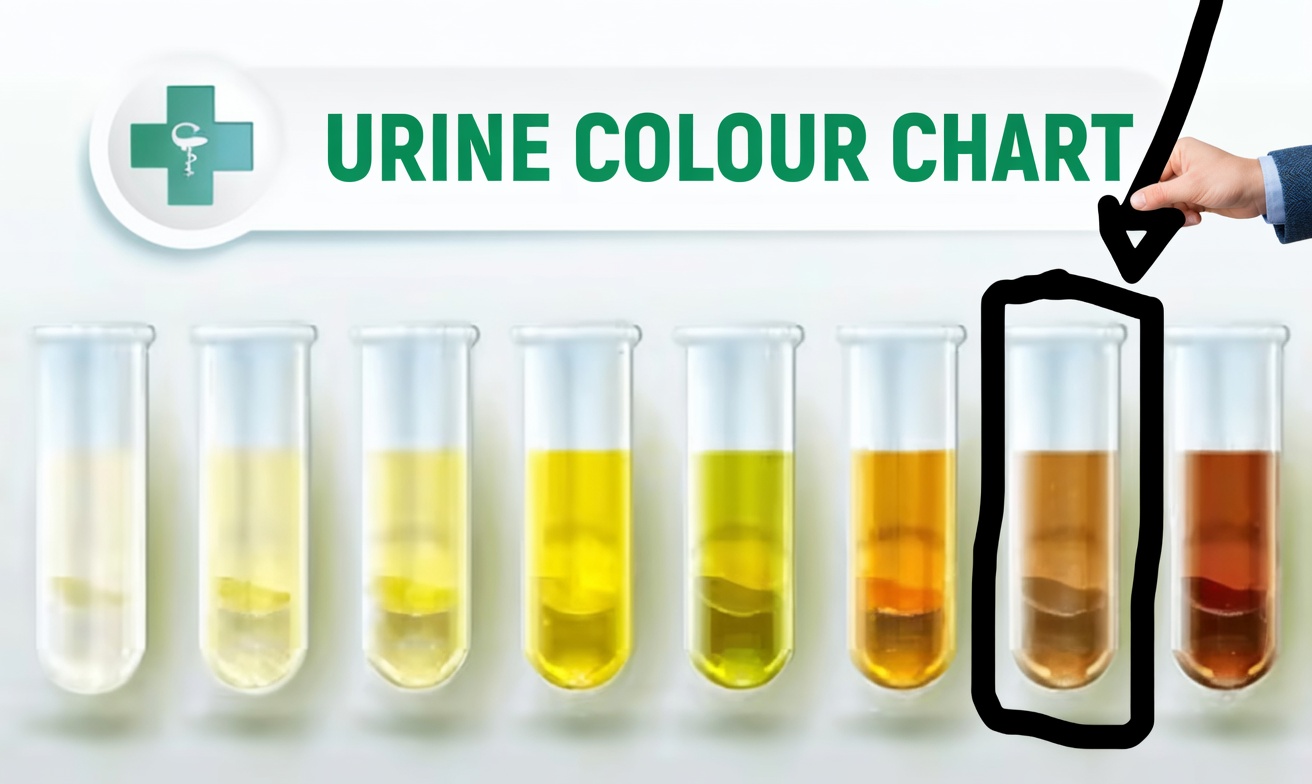
Changes in bathroom habits can be powerful clues. Dark, tea-colored urine and pale, clay-colored stools are classic early signs of liver cirrhosis. They often reflect disrupted bile production and flow—a central liver function.
Because these changes can appear gradually, they’re easy to overlook unless you consciously pay attention.
What you can do:
- Increase your water intake to maintain hydration and support overall kidney and liver function.
- Reduce or avoid alcohol and unnecessary over-the-counter medications that can stress the liver.
- Keep a simple log of urine and stool color if changes persist, and share this with your healthcare provider.
9. Persistent Itching (Pruritus)
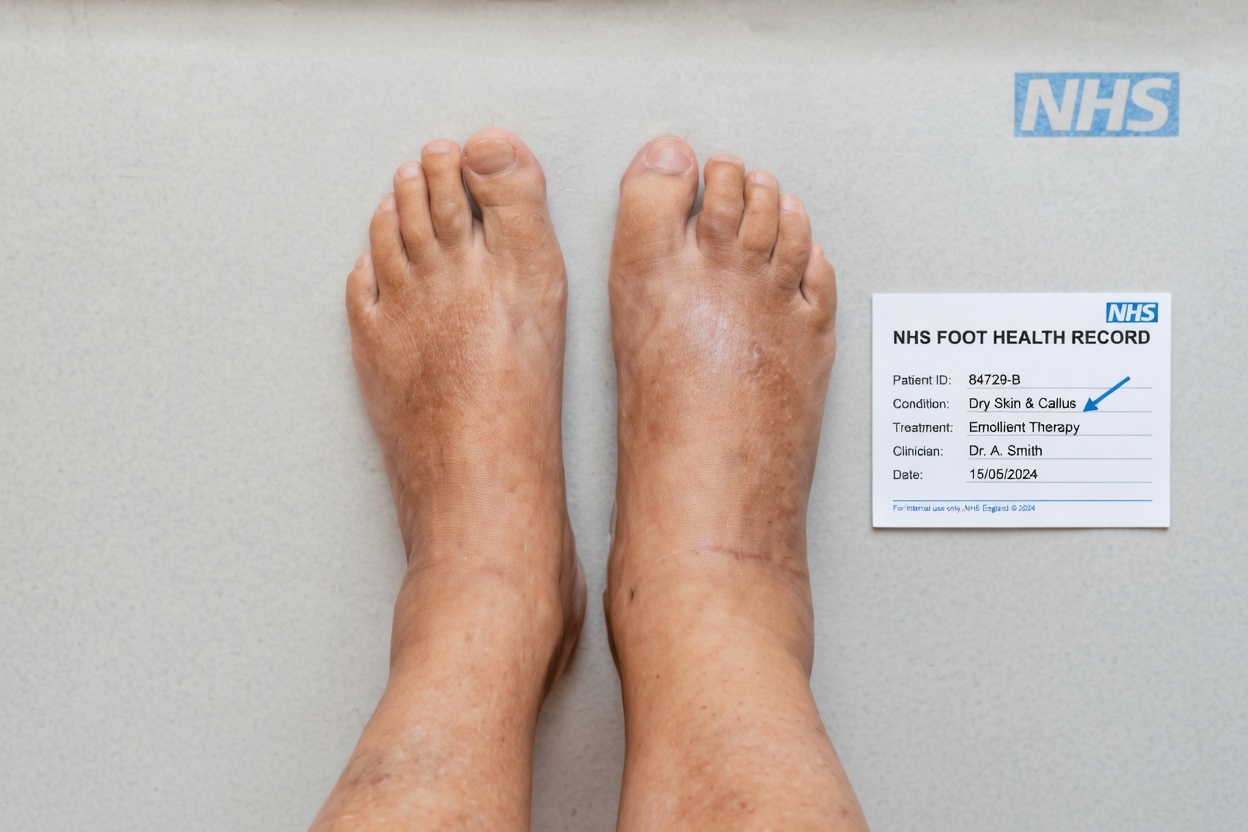
Ongoing, unexplained itching—especially on the hands, feet, arms, or legs—can be a distressing symptom of liver cirrhosis. It is often caused by bile salts and other substances accumulating in the skin when the liver is not working properly.
This constant itch can interfere with sleep and leave you feeling exhausted and irritable during the day.
Soothing habits that also support liver care:
- Use fragrance-free, gentle moisturizers to keep your skin hydrated.
- Take lukewarm, not hot, showers and avoid harsh soaps or scrubs.
- Try to avoid scratching, which can damage the skin and lead to infection; consult a doctor for medications that can reduce itching.
10. Swelling in Legs and Ankles
Swelling in the lower legs, ankles, or feet (edema) frequently accompanies liver cirrhosis. It typically results from fluid retention and changes in blood vessel pressure as the liver becomes increasingly scarred.
This swelling can make it uncomfortable to walk or stand for long periods, limiting your mobility and independence.
Supportive measures you can take:
- Elevate your legs above heart level several times a day to help fluid drain.
- Avoid sitting or standing in the same position for long stretches—change positions regularly.
- Ask your doctor before using compression stockings or any diuretics, as they need to be tailored to your condition.
11. Unexplained Weight Loss
Losing weight without trying, especially if it happens quickly, can be an early warning sign of liver cirrhosis. As liver function declines, your body may struggle to digest fats and absorb nutrients, leading to muscle wasting and overall weight loss.
This can be particularly concerning when combined with low energy and poor appetite.
How to respond constructively:
- Focus on nutrient-dense meals with lean proteins (fish, poultry, legumes) and complex carbohydrates (whole grains, root vegetables).
- Weigh yourself weekly at the same time of day to spot any trends.
- Work with a registered dietitian or nutritionist familiar with liver disease for personalized guidance.
12. Changes in Hair and Nails
Brittle hair, thinning strands, slower growth, and nail changes such as ridges, white bands, or altered texture can appear with liver cirrhosis. These changes often reflect nutritional deficiencies and metabolic imbalances tied to impaired liver function.
They may not be painful, but they can affect how you feel about your appearance and serve as visible signs that something deeper is going on.
Supportive steps for hair, nails, and liver health:
- Only take vitamin and mineral supplements under medical supervision, especially fat-soluble vitamins.
- Choose foods rich in protein and micronutrients, such as eggs, fish, nuts, seeds, beans, and leafy greens.
- Avoid harsh hair treatments and nail products that can further weaken already fragile hair and nails.
The Single Most Powerful Daily Habit to Protect Your Liver
Many everyday actions can help support liver health—staying active, eating a balanced diet, staying hydrated, and managing stress. But the most powerful daily habit for protecting your liver, especially if you are noticing possible early signs of liver cirrhosis, is this:
Completely avoiding or strictly limiting alcohol.
Alcohol is one of the leading causes of liver damage worldwide. For many people, reducing alcohol intake to zero—or to levels approved by a healthcare professional—can dramatically slow liver scarring and, in some cases, allow partial recovery of liver function.
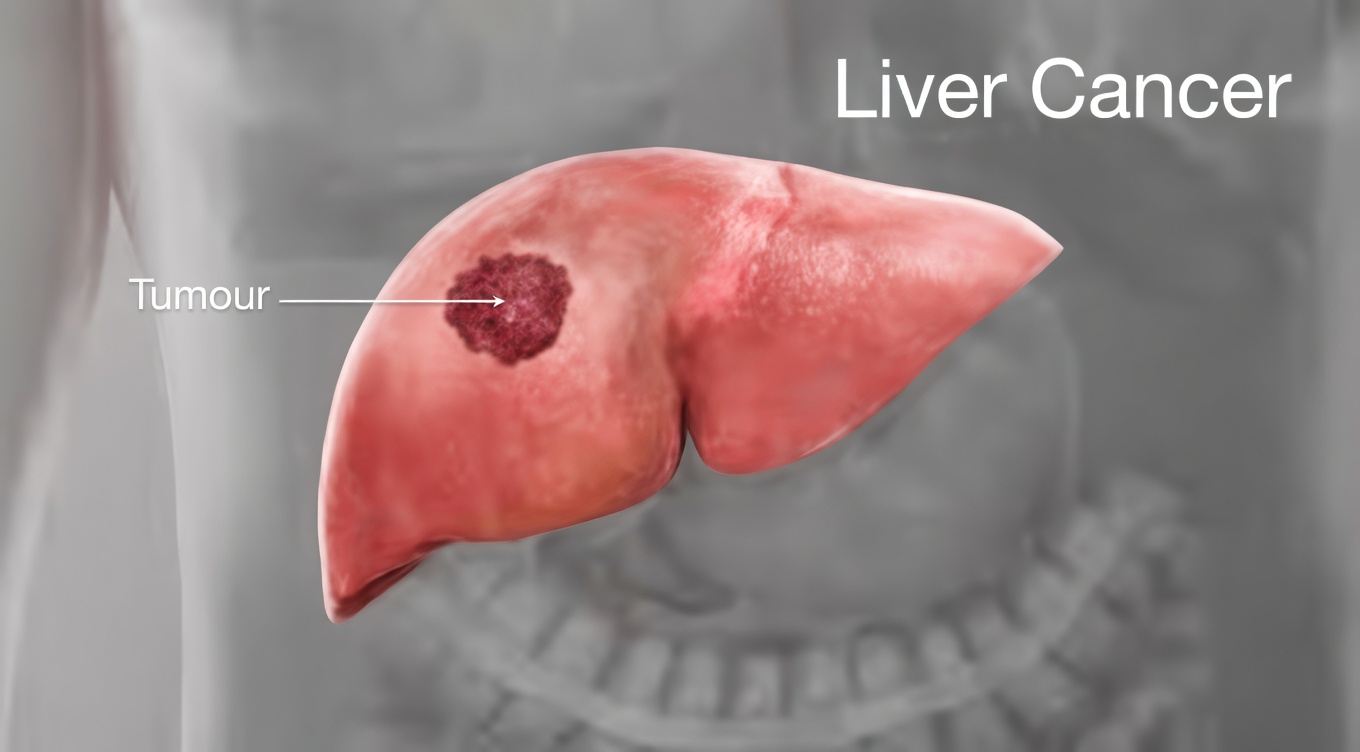
Alongside medical care, regular monitoring, and a liver-friendly lifestyle, recognizing these early signs of liver cirrhosis gives you a crucial advantage: time. Time to act, to change habits, and to give your liver the best chance to heal and keep protecting you for years to come.