

In today’s digital lifestyle, long hours in front of screens often lead to dry, tired eyes and occasional blurry vision. That discomfort can reduce productivity, make reading less enjoyable, and even interfere with quality time at home. The good news is that simple dietary choices may help support eye wellness. One standout option is guava, a flavorful tropical fruit loaded with nutrients that research associates with healthy vision. Even better, it is easy to add to everyday meals, making it a practical choice for long-term habits.
Why Guava Is a Smart Fruit for Eye Health
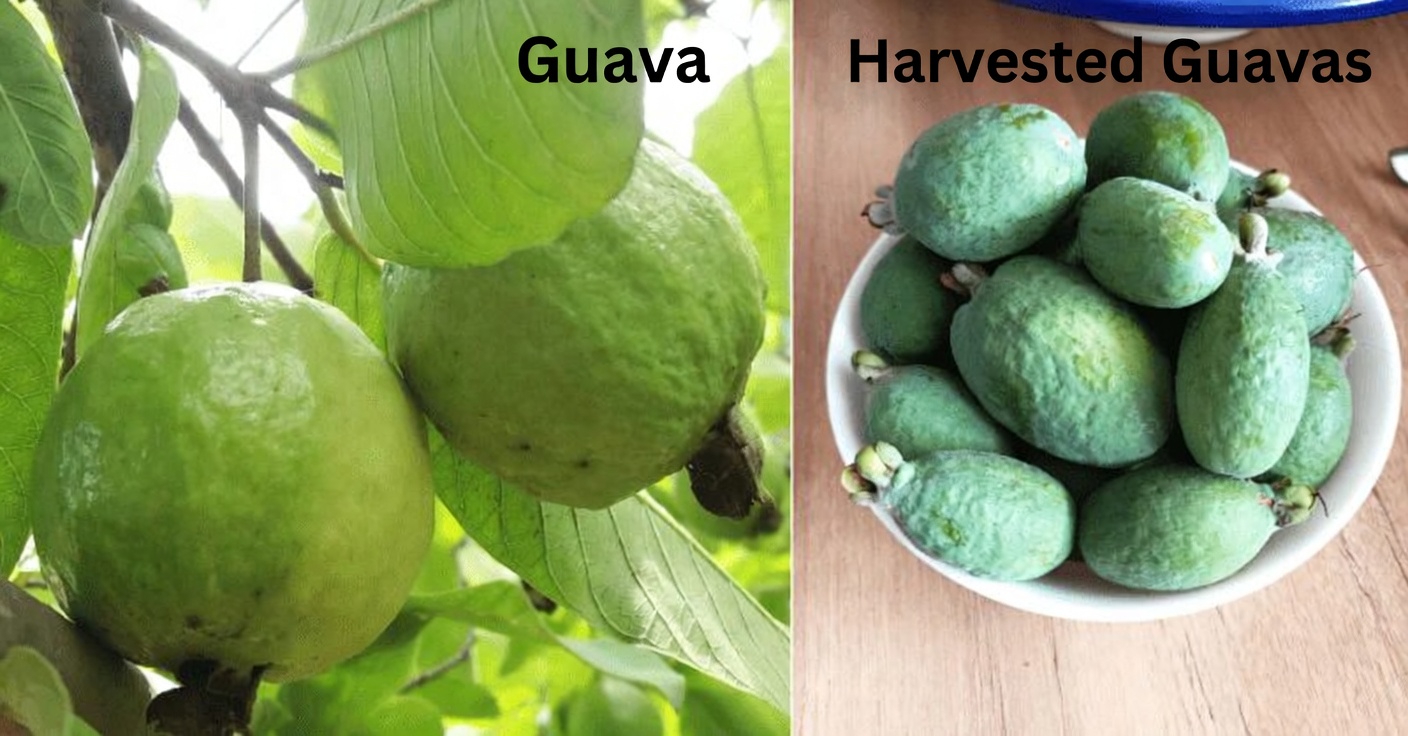
Guava may seem like a basic tropical fruit, but its nutritional profile is impressive. A single medium guava contains far more vitamin C than an orange, along with beta-carotene and a range of beneficial plant antioxidants. These are the same nutrients commonly linked to diets that help maintain normal vision and protect eye tissues.
What makes guava especially appealing is its combination of hydration and fiber. It is refreshing to eat, easy to digest for many people, and delivers eye-supportive nutrients in a convenient form. Nutrition research suggests that diets rich in antioxidants and carotenoids may help protect the eyes from modern stressors such as blue light exposure and oxidative damage.
Key Nutrients in Guava That Support Eye Wellness
The science does not have to be complicated. Guava contains several nutrients that can play a valuable role in supporting eye function and comfort.
Vitamin C
Vitamin C helps defend the body against free radicals created by daily environmental exposure and prolonged screen use. Studies indicate that vitamin C-rich diets may help maintain the health of the cornea and lens over time.
Beta-Carotene and Vitamin A
Guava also provides beta-carotene, which the body converts into vitamin A. This nutrient is essential for maintaining normal vision, especially in dim lighting or at night.
Lycopene and Other Carotenoids
Pink and red guava varieties are particularly rich in lycopene, and some types contain small amounts of lutein and related carotenoids. These pigments are known for their protective role in the eyes, especially in the retina.
Hydration and Fiber
Because guava has a high water content and good fiber levels, it may also support hydration and overall comfort, which can be helpful for people who experience dry eyes during the day.
What You Typically Get in One Cup of Fresh Guava
Based on USDA data and general nutrition research, one cup of fresh guava commonly provides:
- Vitamin C: more than 200% of daily needs
- Vitamin A precursors: beta-carotene for vision support
- Fiber and water: helpful for hydration and daily wellness
- Antioxidants: including lycopene and flavonoids
One major advantage of eating the whole fruit is that its nutrients work together naturally. In many cases, whole foods offer broader benefits than relying only on isolated supplements.
5 Easy Ways to Eat More Guava Every Day
If you want to use guava as part of an eye-friendly diet, it does not require much effort. These simple ideas fit into busy routines and use familiar ingredients.
1. Add Fresh Guava to Breakfast
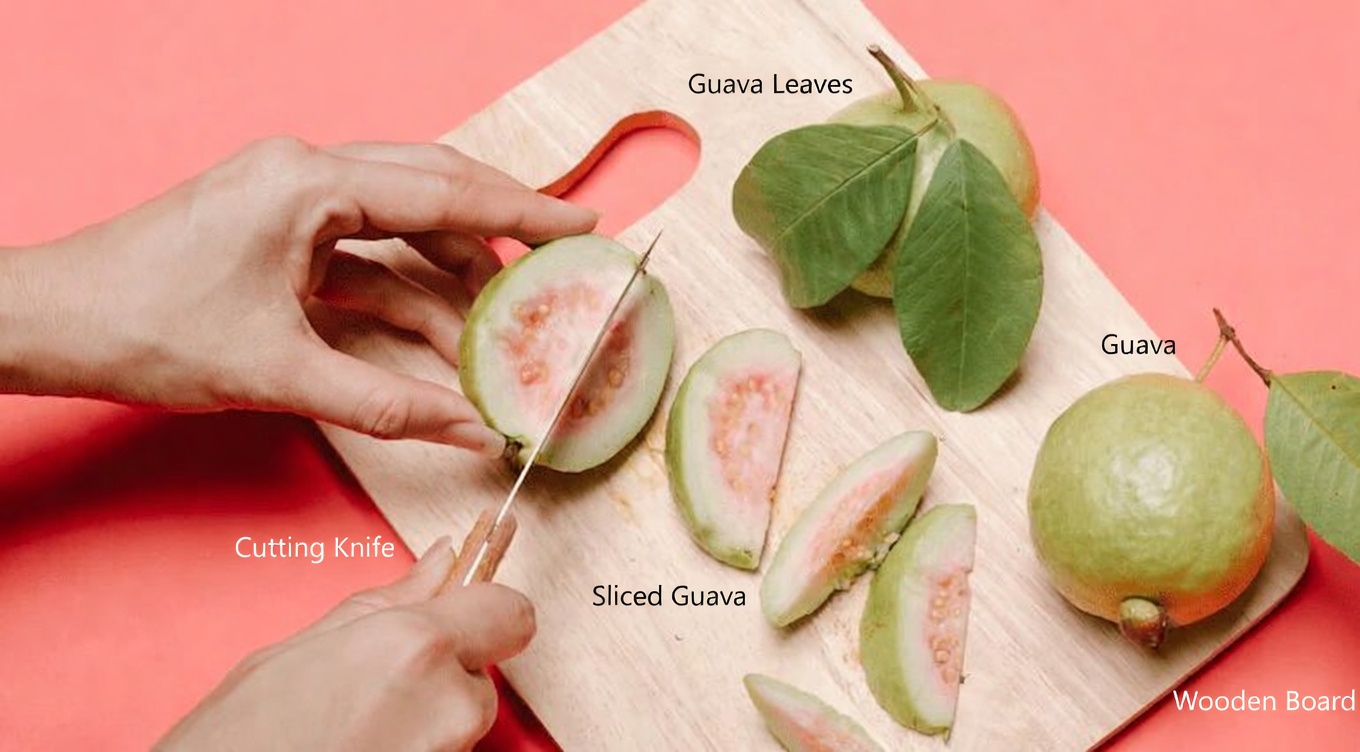
Slice ripe guava and serve it with yogurt, oatmeal, or a breakfast bowl. Its natural sweetness makes it an easy morning upgrade.
2. Blend It Into a Smoothie
Combine guava with banana and spinach for a creamy drink that is quick to prepare and easy to take on the go.
3. Keep It as an Afternoon Snack
Whole guavas make a convenient desk snack. Their water content may be especially refreshing during the midday slump.
4. Grill or Bake It
For something different, lightly grill or bake guava halves. Heating the fruit can deepen the flavor while still preserving much of its nutritional value.
5. Flavor Your Water Naturally
Add a few guava slices to a pitcher of water and let it infuse overnight. This creates a light tropical flavor and may encourage better hydration.
These small habits can make a noticeable difference over time. Some people say they feel more refreshed later in the day after adding hydrating fruit to their routine, although results depend on overall diet and lifestyle.
Quick and Delicious Guava Recipes
Here are a few simple guava recipes that are easy to prepare, family-friendly, and designed to help you enjoy the fruit more often.
Pink Guava Smoothie for Busy Mornings
Ingredients (serves 2)
- 2 ripe pink guavas, peeled and chopped
- 1 banana
- 1 cup spinach leaves
- 1 cup almond milk
- Optional: a squeeze of lime
Instructions
- Place all ingredients in a blender.
- Blend until smooth and creamy.
- Pour into glasses and serve right away.
This smoothie offers a strong combination of vitamin C and beta-carotene, making it a great option for starting the day.
Fresh Guava Salad with Citrus
Ingredients (serves 4 as a side dish)
- 3 guavas, diced
- 1 cucumber, sliced
- A handful of fresh mint leaves
- Juice of 1 lime
- A pinch of sea salt
Instructions
- Add the guava and cucumber to a bowl.
- Pour over the lime juice.
- Sprinkle with mint and sea salt.
- Toss gently and chill before serving.
This salad is crisp, light, and refreshing. It is a great lunch side dish for anyone looking for hydrating foods with bright flavor.
Guava Chia Pudding for the Evening
Ingredients (serves 2)
- 1 guava, mashed
- 3 tablespoons chia seeds
- 1 cup coconut milk
- 1 teaspoon honey (optional)
Instructions
- Combine the chia seeds and coconut milk in a jar or bowl.
- Stir in the mashed guava and honey.
- Refrigerate for at least 2 hours, or overnight.
- Top with extra guava slices before serving.
This is a light and calming way to enjoy guava later in the day while still getting its eye-supportive nutrients.
Why Regular Guava Intake Can Matter Over Time
The real benefit of guava comes from consistency. Whether you are a busy parent, a remote worker, or someone constantly on the move, this fruit is easy to include in daily meals. Research on dietary habits shows that regularly eating antioxidant-rich fruits is associated with better wellness outcomes, including markers related to vision support.
An extra tip worth knowing: pink-fleshed guavas generally contain more lycopene than white varieties. Choosing them can provide an added nutritional advantage with no extra effort.
Frequently Asked Questions
What is the best time to eat guava for eye support?
Morning or midday is a great choice because the hydration and vitamin C content can support you during your busiest hours. That said, there is no perfect time. The most important factor is eating it regularly.
Are there any precautions when adding guava to your diet?
Most people tolerate guava well. However, if you are sensitive to tropical fruits or have digestive concerns, begin with a small amount. Wash the fruit thoroughly before eating, and speak with a healthcare professional if you have a medical condition or dietary restrictions.
How does guava compare with other fruits for vision wellness?
Guava stands out because it offers an unusually high amount of vitamin C, along with beta-carotene and antioxidants. Compared with many common fruits such as apples or some berries, guava often provides these nutrients in greater concentration. It is also affordable and versatile.
Final Thoughts
Adding guava to your diet is a simple and enjoyable way to support your eyes in a screen-focused world. From smoothies and salads to easy snacks and infused water, this tropical fruit can fit naturally into almost any routine. If you are looking for practical ways to support eye health through nutrition, guava is a smart place to start.
Disclaimer: This article is for informational purposes only and should not be considered medical advice. Consult a qualified healthcare professional before making changes to your diet or lifestyle, especially if you have existing eye conditions.