Understanding Early Brain Tumor Signs
Living with mysterious symptoms that interfere with your everyday life can be incredibly stressful. Many people are told their problems are “just stress” or “getting older,” which can delay important medical evaluation. This anxiety is understandable, especially when subtle changes in headaches, balance, or mood start to feel overwhelming and you’re left wondering what’s normal and what might be serious.
The reassuring news is that recognizing common early brain tumor signs can help you have more informed, focused conversations with your doctor—without trying to diagnose yourself. This guide outlines 8 key early brain tumor signs described by medical experts. Remember: these symptoms are usually caused by far more common conditions, and only a healthcare professional can determine whether they are related to a brain tumor.
1. New or Worsening Headaches: One of the Most Common Early Brain Tumor Signs
Persistent or unusual headaches can easily raise alarm, especially if you worry about overlooking something serious. Headaches are among the most frequently mentioned early brain tumor signs in medical resources such as the Mayo Clinic.
You might notice that:
- Your headaches feel different from your usual pattern.
- They become more intense or occur more often.
- They are worse in the morning or when you wake up.
Most headaches are not caused by brain tumors and are linked to issues like tension, migraines, or dehydration. However, early evaluation by a doctor can both rule out serious causes and reduce anxiety.
The most important step is to track any changes in your headaches—when they occur, how long they last, and what they feel like. This turns vague worry into useful information your healthcare team can work with.
2. Seizures: A Sudden Early Brain Tumor Sign That Requires Urgent Attention
Few experiences are more frightening than having a seizure for the first time. Sudden shaking episodes or brief periods of staring and unresponsiveness can transform daily life into a source of fear. New-onset seizures are recognized as important early brain tumor signs, especially in adults without a prior seizure history.
Medical guidelines emphasize that:
- Even a single unexplained seizure should prompt a medical visit.
- Seizures can sometimes be the first sign of a brain tumor in adults.
- Many other conditions and factors can also cause seizures.
Although seizures are not common in otherwise healthy adults, talking with a doctor or neurologist quickly can clarify the cause and help you move forward with a plan, reducing uncertainty and worry.

3. Vision Changes: An Often Overlooked Early Brain Tumor Sign
Blurred, double, or distorted vision can make everyday activities—reading, driving, working—much more difficult. These changes naturally increase concern about what might be going on. Vision problems are frequently mentioned among early brain tumor signs.
Experts, including those at the American Cancer Society, note that:
- Blurry vision, double vision, or loss of side (peripheral) vision may signal pressure in specific parts of the brain.
- Some brain tumors can affect the nerves or areas responsible for sight.
- Eye-related early brain tumor signs should be evaluated promptly.
Many vision changes turn out to be related to eye conditions, glasses prescription issues, or other non-tumor causes. Still, seeing an eye doctor and, if needed, a neurologist is the safest way to understand what’s happening and get appropriate care.
4. Persistent Nausea or Vomiting: Early Brain Tumor Signs You Shouldn’t Ignore
Ongoing nausea or unexplained vomiting can be exhausting and disruptive. When these symptoms appear without clear stomach-related causes, they understandably raise questions about deeper issues.
Sources such as WebMD point out that:
- Nausea and vomiting can appear in discussions of early brain tumor signs.
- These symptoms may be related to increased pressure inside the skull.
- They are especially concerning when they occur together with headaches or neurological changes.
While gastrointestinal problems are a much more common cause, persistent symptoms—especially with other early brain tumor signs—warrant a conversation with your doctor. Paying attention to these signals and seeking timely evaluation can ease worry and help catch serious conditions early when they are most treatable.

5. Balance and Coordination Problems: Frequently Reported Early Brain Tumor Signs
Feeling wobbly, unsteady, or unusually clumsy can be unsettling and may increase your risk of falls. These changes can affect your confidence in walking, exercising, or even doing routine tasks at home.
Medical references indicate that:
- Dizziness, veering to one side, or difficulty walking may be linked to tumors affecting balance centers in the brain.
- Early brain tumor signs related to coordination often show up as subtle changes at first.
- Such symptoms should be reported to a doctor, especially if they are new or getting worse.
Balance and coordination problems have many possible causes, including inner ear issues, medication side effects, blood pressure changes, or nerve conditions. A professional assessment can help identify the cause and provide reassurance or treatment.

6. Weakness or Numbness on One Side of the Body: Significant Early Brain Tumor Signs
Sudden weakness or numbness in an arm, leg, or one side of the face is understandably alarming. These changes can interfere with walking, holding objects, or performing fine motor tasks.
Reliable health sources note that:
- One-sided weakness or numbness (often called unilateral symptoms) can occur when a tumor affects specific pathways in the brain.
- These early brain tumor signs often involve motor function or sensation.
- Such symptoms should never be ignored—especially if they appear suddenly.
Because unilateral weakness can also be a sign of a stroke or other urgent condition, it’s critical to seek medical attention right away. Early testing helps rule out serious issues and guides treatment.
7. Speech or Cognitive Difficulties: Subtle but Important Early Brain Tumor Signs
Struggling to find words, feeling mentally “foggy,” or having trouble concentrating can be both frustrating and isolating. These changes may be subtle at first, which is why they’re sometimes overlooked.
Research and clinical guidelines suggest that:
- Confusion, slowed thinking, or difficulty expressing yourself can be early brain tumor signs when certain brain regions are affected.
- Problems may show up as trouble naming objects, following conversations, or organizing thoughts.
- New or worsening cognitive or speech changes deserve prompt medical evaluation.
Many other factors—such as stress, poor sleep, anxiety, depression, or medication side effects—can affect thinking and speech. However, noticing and discussing these changes early with specialists can improve outcomes, regardless of the cause.
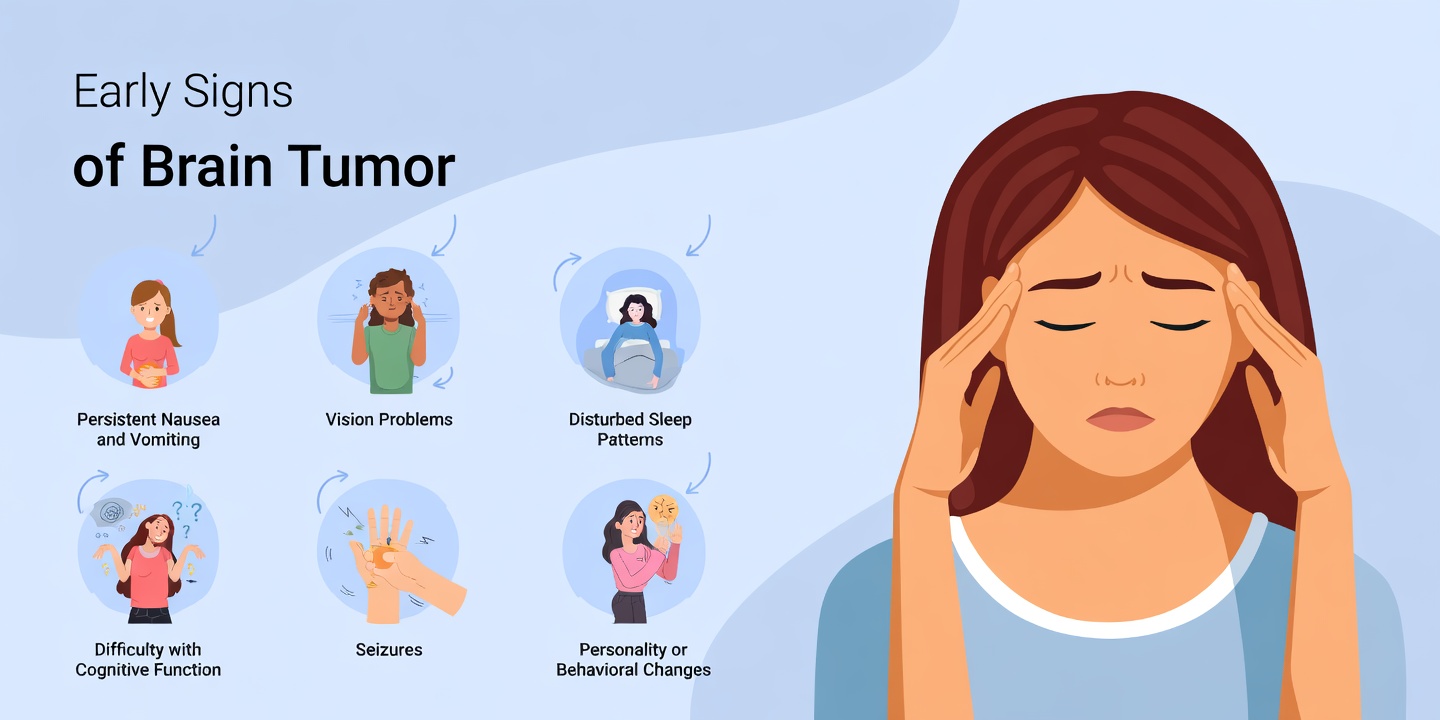
8. Personality or Behavior Changes: Unexpected Early Brain Tumor Signs
Shifts in mood, behavior, or personality can strain relationships and add emotional stress for both you and your loved ones. These changes may appear gradually and can be surprisingly easy to dismiss as “just stress” or life circumstances.
Experts emphasize that:
- Uncharacteristic irritability, apathy, impulsivity, or emotional swings can be early brain tumor signs when tumors affect certain brain areas.
- Loved ones often notice these changes before the person does.
- Behavioral and personality shifts are valid reasons to seek a compassionate medical evaluation.
These signs highlight how important open communication is—with family members who observe changes and with healthcare providers who can investigate the underlying cause.
What to Do If You Notice Possible Early Brain Tumor Signs
Recognizing potential early brain tumor signs is only the beginning. The real value lies in how you respond—calmly, clearly, and proactively.
Here are practical steps to take:
-
Keep a symptom journal
Note when symptoms occur, how long they last, what they feel like, and anything that triggers or relieves them. -
See your primary care doctor promptly
Don’t wait for symptoms to become severe. New, persistent, or changing early brain tumor signs should be evaluated. -
Avoid self-diagnosis
Early brain tumor signs overlap with many common conditions. Online research can be helpful, but it cannot replace professional evaluation. -
Bring support to appointments
A family member or friend can help you remember details, ask questions, and provide observations you may not notice yourself.
By taking these steps, you turn awareness of early brain tumor signs into calm, constructive action.
Comparison of 8 Early Brain Tumor Signs
The table below summarizes how these signs might feel, why they matter, and what to discuss with your doctor.
| Sign | How It May Feel | Why It Matters for Early Brain Tumor Signs | Doctor Tip |
|---|---|---|---|
| Headaches | New pattern, more frequent, worse in morning | Headaches are common; certain patterns raise suspicion | Track timing, intensity, and changes over time |
| Seizures | Sudden shaking, jerking, or staring spells | Can be one of the first signs in adults | Seek medical care after any first-time seizure |
| Vision changes | Blurry, double vision, or loss of side vision | May indicate pressure near visual pathways in the brain | Get an eye exam and consider a neurological review |
| Nausea/vomiting | Unexplained, especially with headaches | Could be related to increased pressure in the skull | Note frequency and any links to other symptoms |
| Balance issues | Dizziness, unsteadiness, or clumsiness | Raises risk of falls and may reflect brain involvement | Report new problems with walking or coordination |
| Weakness/numbness | On one side of the face, arm, or leg | Suggests possible pressure on specific brain pathways | Treat sudden onset as urgent; seek immediate care |
| Speech difficulties | Trouble finding words or expressing thoughts | Can indicate tumors in language or cognitive areas | Note if symptoms are new, persistent, or worsening |
| Personality changes | Mood shifts, confusion, or unusual behavior | May reflect changes in brain regions controlling behavior | Involve family members in describing what they see |
Understanding this comparison can help you recognize patterns, communicate clearly with your doctor, and take appropriate next steps.
5 Actionable Steps to Handle Possible Early Brain Tumor Signs Safely
If you observe any of these symptoms, here’s a simple process to follow:
-
Write it down
Record details of any early brain tumor signs you notice—what happened, when, how long, and what else you were doing. -
Schedule a check-up
Make an appointment with your primary care doctor or appropriate specialist and describe the early brain tumor signs clearly. -
Share your medical and family history
Mention other health conditions, medications, past issues, and any family history of neurological or cancer-related diseases. -
Follow through on recommended tests
If your doctor suggests imaging, blood tests, or referrals, complete them as directed to get a clearer picture. -
Stay calm and informed
Most early brain tumor signs are ultimately linked to non-tumor causes. Staying informed and following medical advice helps you handle the situation with confidence.
Frequently Asked Questions About Early Brain Tumor Signs
Are all headaches considered early brain tumor signs?
No. Most headaches are not related to brain tumors. Common causes include tension, migraines, dehydration, sinus issues, and eye strain. Headaches become more concerning as possible early brain tumor signs when they:
- Are new or very different from your usual headaches.
- Occur more frequently or are more severe.
- Are worse in the morning or wake you from sleep.
- Come with other neurological symptoms like vision changes, weakness, or seizures.
Any significant change in your headache pattern should be discussed with a healthcare professional, who can determine whether further testing is needed.