

Kidney-Friendly Protein Choices for Seniors: What to Limit and What to Eat Instead
Living with kidney concerns in later life can feel stressful, especially when food starts to seem complicated. For many seniors, every meal comes with questions about what is safe, what is helpful, and what may put extra pressure on the body. One of the biggest factors is protein.
The type and amount of protein you eat can strongly influence how well your body handles waste and maintains steady energy. Some protein sources create more byproducts, forcing the kidneys to work harder. That extra strain may contribute to issues such as swelling, fatigue, or general discomfort.
The encouraging news is that you do not have to give up enjoyable meals. A few smart changes can make eating feel much easier. In fact, many older adults are finding that four gentle protein options help support kidney health while still keeping meals satisfying.
Why Protein Matters Even More as You Age
As people get older, kidney function often slows naturally. Protein remains essential for maintaining muscle, strength, stamina, and overall wellness. However, when protein is broken down, the body produces waste that the kidneys must filter out.
According to the National Kidney Foundation, people in the early stages of kidney concerns may benefit from keeping protein intake around 0.6 to 0.8 grams per kilogram of body weight. This level may help reduce kidney workload while still supporting nutrition.
Not all proteins affect the body in the same way:
- Animal proteins often create a higher acid load
- Many animal-based foods also contain more phosphorus and sodium
- Plant proteins usually generate less waste
- Plant-based choices also provide fiber, which supports digestion and heart health
The good news is that you do not need to transform your entire diet in one day. Even small substitutions can improve how you feel over time. That is why focusing on proteins to reduce and better alternatives is such a practical strategy for seniors.
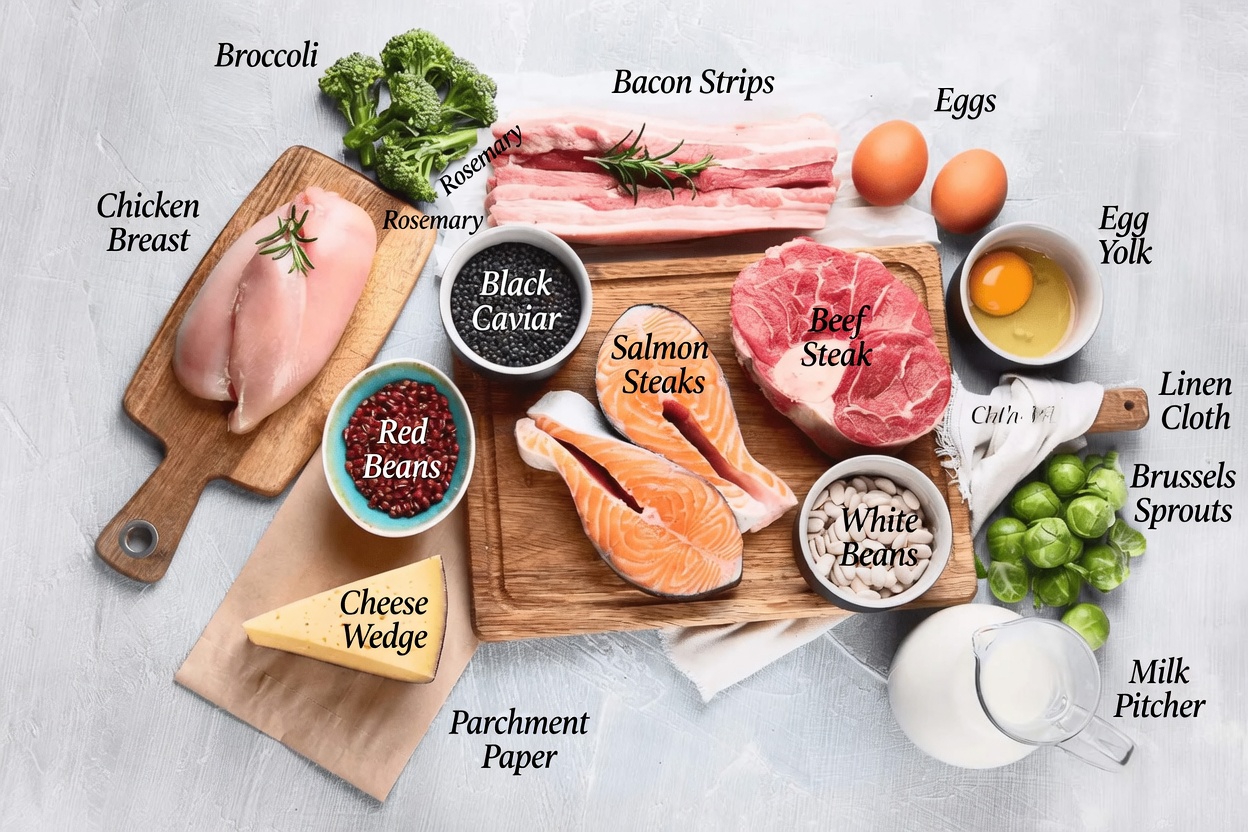
6 Protein Sources Seniors May Want to Limit
When kidney health needs extra attention, some high-protein foods are worth eating less often or in smaller portions. They are not always forbidden, but many kidney health experts recommend caution.
Here are six common protein sources that may deserve a closer look, based on guidance from organizations such as the National Institute of Diabetes and Digestive and Kidney Diseases.
1. Red Meat: Beef, Pork, and Lamb
Red meat is rich in protein, but it is also high in phosphorus and saturated fat. Research suggests these foods can increase acid production in the body, which may place more stress on the kidneys over time.
2. Processed Meats: Bacon, Sausage, and Hot Dogs
These products are often loaded with:
- Sodium
- Preservatives
- Added phosphates
While convenient, processed meats can quickly push daily sodium and phosphorus intake too high, making them a poor choice for a kidney-conscious eating plan.
3. Organ Meats: Liver and Kidneys
Organ meats are extremely concentrated in protein and minerals, especially phosphorus. Even a small serving can contribute a large amount, which may be difficult to manage on a renal-friendly diet.
4. Deli and Cured Meats: Ham, Turkey Slices, and Salami
Sandwich meats may seem harmless, but many contain hidden phosphate additives and large amounts of salt. Freshly roasted, low-sodium options in very small portions are generally a better alternative.
5. Full-Fat Dairy Proteins: Cheese and Whole-Milk Products
Dairy foods supply calcium and protein, but many are also high in phosphorus that the body absorbs easily. If kidney function is reduced, that phosphorus can build up more easily in the bloodstream.
6. High-Protein Processed Foods and Supplements
Protein bars, shakes, and powders made with whey or soy isolates can deliver concentrated protein in a small serving. Unless they are specifically approved by your healthcare team, they may make it too easy to exceed your daily target.
Why These Proteins Can Be Harder on the Kidneys
A major reason plant proteins are often preferred is phosphorus absorption. Renal nutrition experts note that the body typically absorbs:
- About 40% of phosphorus from plant foods
- Around 50% to 60% from animal foods
That difference can matter when kidney function is limited.
Quick Comparison Table
| Protein Type | Why It May Need Limiting | Possible Daily Effect |
|---|---|---|
| Red meats | High phosphorus and acid load | Can increase kidney workload |
| Processed meats | Excess sodium and additives | May raise blood pressure risk |
| Organ meats | Very high mineral content | Can sharply increase phosphorus |
| Deli meats | Hidden phosphates and salt | May cause sodium overload |
| Full-fat dairy | Highly absorbable phosphorus | Harder for kidneys to clear |
| Protein supplements | Very concentrated intake | May push total protein too high |
4 Better Protein Choices for Seniors with Kidney Concerns
Now to the more encouraging part: there are protein sources that are often easier on the kidneys while still offering excellent nutrition. Renal dietitians frequently recommend these options because they provide quality protein with less waste and helpful extra nutrients.
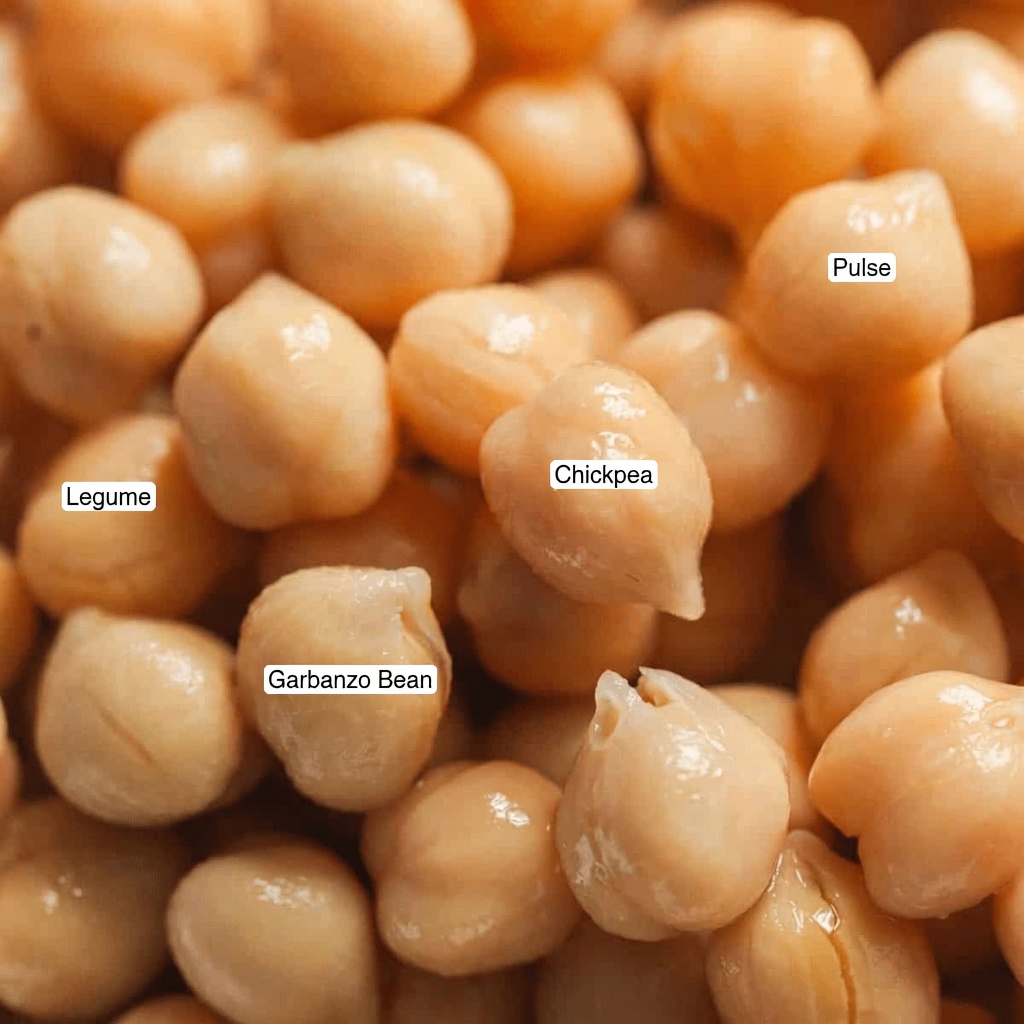
1. Chickpeas
Also called garbanzo beans, chickpeas are a flexible plant-based protein that provide about 15 grams of protein per cooked cup. They are also rich in fiber, which supports digestion and can help with fullness.
Why they are a smart choice:
- Lower phosphorus bioavailability than many animal proteins
- Easy to add to salads, soups, and bowls
- Can be mashed into spreads or blended into dips
Tip: If using canned chickpeas, rinse them well to lower sodium.
2. Lentils
Lentils offer around 18 grams of protein per cooked cup and cook faster than many other legumes. They come in several varieties, including red, green, and brown, making them easy to use in different recipes.
Benefits of lentils include:
- Gentle plant-based protein
- Good source of fiber
- Great for soups, salads, and side dishes
They are filling, affordable, and easy to prepare for regular meals.
3. Tofu or Tempeh
Made from soybeans, tofu and tempeh provide roughly 10 to 20 grams of protein per serving, depending on the variety. When prepared simply, they are usually lower in sodium and can fit well into a kidney-conscious meal pattern.
Why many seniors like them:
- Mild flavor that works in many dishes
- Can replace meat in stir-fries or scrambles
- Provides satisfying texture without the heavy load of some meats
4. Egg Whites
Egg whites are one of the best lean animal protein options for people watching kidney health. They provide high-quality protein with very little fat and almost no phosphorus compared with whole eggs.
Each large egg white contains about 3 to 4 grams of protein.
They work well in:
- Omelets
- Breakfast scrambles
- Baked recipes
- Sandwiches and wraps
Even replacing some whole eggs with egg whites can lighten the protein load of a meal.
Why These Protein Swaps Can Make a Difference
Research on plant-forward eating patterns suggests that replacing even part of your usual animal protein intake with kidney-friendlier options may help support better overall balance.
Many seniors find that these changes lead to:
- More stable energy
- Less heaviness after meals
- Better appetite control
- Fewer worries about food choices
These are not dramatic or unrealistic changes. They are simple, manageable shifts that can make everyday eating more comfortable.
Easy Tips to Start Today
You do not need a complicated meal plan to eat in a more kidney-friendly way. These practical habits can help you build a routine that feels sustainable.
Watch Portion Sizes
Try to keep protein servings at meals around 2 to 3 ounces, or about the size of a deck of cards. It also helps to spread protein throughout the day instead of eating most of it at dinner.
Read Food Labels Carefully
Look for products labeled:
- Low sodium
- No added phosphate
Check ingredient lists and nutrition labels whenever possible. Some kidney health apps can also help you compare products quickly.
Prepare Beans and Legumes the Smart Way
To reduce sodium and mineral content:
- Rinse canned beans or chickpeas under running water for about 30 seconds
- Soak dry beans and lentils overnight before cooking
This simple step may make them even more kidney-friendly.
Combine Protein Sources
You do not have to eat only plant protein. A balanced approach can work well. For example:
- Use a small amount of lean fish or poultry
- Pair it with lentils, chickpeas, or vegetables
This helps meet protein needs without overloading the kidneys.
Talk to a Renal Dietitian
A registered renal dietitian can help tailor protein goals to your:
- Age
- Weight
- Activity level
- Lab results
- Stage of kidney disease
That personalized guidance can be extremely valuable.
What Seniors Are Noticing After Making These Changes
Real-life experiences show that small food swaps can add up.
One 72-year-old reported that replacing red meat with chickpea salads several times a week helped reduce bloating and made walking feel easier. Another senior shared that vegetable egg-white omelets became a favorite breakfast because they felt satisfying without causing afternoon sluggishness.
These are not miracle cures. They are practical improvements that fit into normal daily life.
FAQ: Protein and Kidney Health for Seniors
How much protein do seniors with kidney concerns usually need?
The answer depends on body weight and the stage of kidney disease. Many general guidelines suggest 0.6 to 0.8 grams of protein per kilogram of body weight.
For someone who weighs 150 pounds, that works out to roughly 40 to 55 grams per day, ideally divided across meals. Your doctor or dietitian can give you a more exact target based on your current health and lab values.
Can I still have occasional foods like burgers or cheese?
Yes, in moderation. The key is portion size and frequency. Enjoying a burger or a cheese plate once in a while is usually different from eating those foods regularly in large amounts. Balancing richer foods with lighter, kidney-friendlier choices the rest of the day can help.
Are plant proteins always better than animal proteins?
Not always in every situation, but many plant proteins are often easier on the kidneys because they usually produce less waste and provide fiber. Egg whites are one example of an animal protein that can also be a very kidney-friendly option.
Should I stop using protein shakes?
Not unless your healthcare provider tells you to. However, many protein powders, bars, and shakes are highly concentrated and may contain extra phosphorus or sodium. It is best to use them only with guidance from your medical team.
Final Thoughts
Managing kidney concerns as a senior does not mean giving up enjoyable food. It means choosing protein more carefully. By cutting back on red meat, processed meats, deli products, organ meats, full-fat dairy, and concentrated protein supplements, you may reduce unnecessary strain on the kidneys.
Replacing them with gentler choices like:
- Chickpeas
- Lentils
- Tofu or tempeh
- Egg whites
can make meals feel simpler, lighter, and more supportive of overall health.
Small adjustments really can go a long way. For many seniors, the right protein choices turn mealtime from a source of stress into a daily opportunity to feel better.