15 Possible Atorvastatin Side Effects Patients Report (And How to Respond)
You take that small white tablet each night, trusting it will protect your heart by lowering cholesterol. Then, a few weeks later, your legs feel sore, your memory seems fuzzy, and you are both exhausted and sleeping badly. These potential atorvastatin side effects can be discouraging and may leave you wondering if the benefits are worth the daily discomfort.
Many people on statins describe similar experiences. The encouraging news: there are evidence-based ways to discuss these issues with your doctor and adjust your treatment so you can support your heart without sacrificing your quality of life.
Keep reading to explore 15 potential atorvastatin side effects some patients report, along with practical steps you can consider with your healthcare provider to start feeling more like yourself again.
Understanding the Challenge of Atorvastatin Side Effects
Millions of adults worldwide rely on atorvastatin to reduce cardiovascular risk. Yet a portion of them stop the medication early because of side effects that interfere with daily life—fatigue, pain, or mood changes that rarely get fully explored in short clinic visits.
When these potential atorvastatin side effects go unaddressed, they can:
- Increase stress and worry
- Reduce motivation for exercise and healthy habits
- Make it harder to stay on a medication that may lower heart-attack or stroke risk
Research suggests that openly talking with your doctor about any atorvastatin side effects you notice can significantly improve how well you tolerate therapy and stick with your treatment plan.
15. Persistent Muscle Pain and Aches
One of the most commonly mentioned atorvastatin side effects is ongoing muscle soreness. This discomfort can:
- Turn simple tasks like walking, gardening, or climbing stairs into a challenge
- Make you feel older or weaker than you are
- Reduce your desire to exercise, even though activity is vital for heart health
Studies indicate that a subset of people using statins, including atorvastatin, experience muscle-related symptoms. The risk varies by dose, individual biology, and other medications.
If muscles feel unusually tight, heavy, or painful:
- Note when symptoms started and which areas are affected
- Mention any changes in dose or new medications
- Talk with your doctor about blood tests (such as CK levels) and whether a dose change, medication break, or alternative statin might be appropriate
14. Memory Lapses and Brain Fog
Some people on atorvastatin report subtle memory changes. You might:
- Walk into a room and forget why you went there
- Struggle to recall words or recent conversations
- Feel mentally “slower” or less sharp than usual
There are case reports and safety alerts describing possible cognitive side effects with statins, but large clinical trials have shown mixed and inconclusive results for a direct cause-and-effect relationship.
If you notice memory concerns:
- Track when symptoms started and how often they occur
- Review all medications and supplements with your doctor
- Ask whether adjusting the dose or timing of atorvastatin is reasonable
- Discuss other causes of brain fog (sleep, stress, thyroid, vitamin B12, etc.)
13. Trouble Sleeping or Insomnia
Another potential atorvastatin side effect some users notice is disturbed sleep. You may:
- Lie awake for hours, unable to fall or stay asleep
- Wake frequently during the night
- Feel more irritable or drained during the day
Research on statins and insomnia is mixed. Some studies suggest a possible link for certain patients, while others find little difference compared with placebo.
If your sleep has changed since starting atorvastatin:
- Keep a sleep diary for a week or two
- Limit caffeine, alcohol, and screens near bedtime
- Ask your doctor whether taking atorvastatin at a different time of day or adjusting the dose might help

12. Rising Blood Sugar or New-Onset Diabetes
For some people, atorvastatin appears to influence blood sugar levels. You might notice:
- More frequent thirst or urination
- Fatigue after meals
- Higher readings on routine blood work
Meta-analyses show a small but measurable increase in the risk of new-onset diabetes in certain individuals taking statins, including atorvastatin. The absolute risk is generally low, and for many patients, heart protection still outweighs this concern.
If blood sugar begins to creep up:
- Request periodic fasting glucose or HbA1c tests
- Focus on diet, weight management, and regular physical activity
- Discuss whether a lower dose, a different statin, or additional diabetes prevention strategies are appropriate for you
11. Unexplained Mood Changes
Mood swings and emotional shifts are another potential atorvastatin side effect some people describe. You may:
- Feel irritable or short-tempered without a clear reason
- Notice increased sadness or emotional ups and downs
- Experience strain in relationships due to a shorter fuse
Researchers have studied how very low cholesterol might affect serotonin and other brain chemicals, but evidence for a direct connection with atorvastatin remains mixed.
If your mood has changed:
- Track your emotional patterns and triggers
- Consider other factors: stress, sleep, life changes, or other medications
- Talk with your doctor about mental health screening and whether a medication adjustment might help
10. Tingling, Numbness, or “Pins and Needles”
Some patients taking atorvastatin report unusual nerve sensations, such as:
- Tingling in the hands or feet
- Numbness or burning sensations
- Odd feelings that make typing, walking, or gripping objects uncomfortable
There is ongoing discussion about whether statins affect nerve health and whether CoQ10 depletion plays a role. Evidence is not definitive, but these symptoms should never be ignored.
If you notice new nerve sensations:
- Document when they occur and what worsens or improves them
- Make sure your doctor screens for vitamin deficiencies (like B12) and other causes
- Ask whether a dose change, switch in statin, or additional testing is needed
9. Digestive Upset and Stomach Issues
Digestive complaints are a well-known class of potential atorvastatin side effects. You might experience:
- Bloating or gas, especially after meals
- Nausea or stomach discomfort
- Changes in bowel habits
Reports mention gastrointestinal symptoms such as indigestion or abdominal pain in some patients using atorvastatin.
To manage digestive issues:
- Track which foods aggravate your symptoms
- Take atorvastatin at the same time each day, with or without food as directed
- Talk with your doctor if symptoms persist; a different statin or dose may be better tolerated
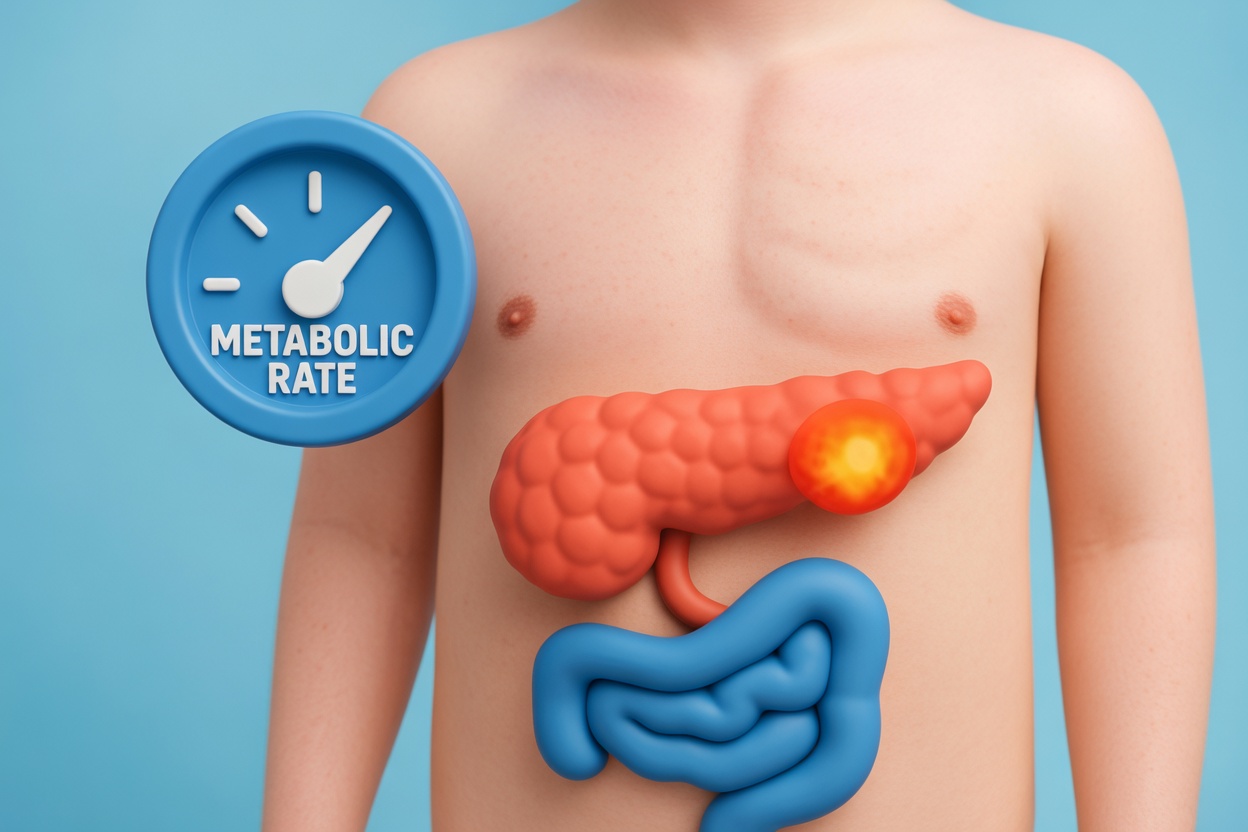
8. Decreased Libido and Sexual Changes
Some people notice changes in sexual desire while taking atorvastatin. This can look like:
- Lower interest in intimacy
- Difficulty becoming aroused
- Reduced satisfaction from sexual activity
Cholesterol is involved in hormone production, and changes in lipid levels may influence sex hormones in certain individuals, though research is not conclusive.
If your libido has changed:
- Have an honest conversation with your partner and your doctor
- Ask about checking hormone levels or other contributing factors (stress, mood, sleep)
- Discuss whether adjusting your statin regimen could help
7. Tendon Pain or Tendonitis
A smaller group of patients report tendon issues as a potential atorvastatin side effect, such as:
- Pain where tendons attach (heels, shoulders, elbows)
- Stiffness or weakness during normal movement
- Concern about injury when exercising
The overall risk appears low but real for some individuals on statins.
If you develop tendon pain:
- Stop high-impact or high-strain activities until evaluated
- Use gentle stretching and low-impact exercise (walking, swimming)
- Inform your doctor promptly, especially if pain is severe or sudden
6. Elevated Liver Enzymes
Routine blood tests may show changes in liver enzymes for a small percentage of people on atorvastatin. Often, this is discovered before any symptoms appear.
Key points:
- Mild elevations occur in an estimated 1–3% of users
- Many cases are temporary and resolve on their own
- Severe liver injury is rare but requires urgent attention
If your liver tests change:
- Follow up with repeat testing as your doctor recommends
- Avoid excessive alcohol and hepatotoxic medications
- Discuss whether a dose reduction, switch, or temporary break from atorvastatin is appropriate
5. Vision Changes and Eye Concerns
Some patients note subtle changes in vision while taking atorvastatin, such as:
- Slight blurring or difficulty focusing
- More eye strain when reading or using screens
- Feeling less confident when driving, especially at night
Studies on statins and eye health show mixed findings, and a clear causal link is not established for most eye issues.
If your vision seems different:
- Schedule a comprehensive eye exam
- Inform your eye specialist and doctor that you are taking atorvastatin
- Monitor for any sudden or severe vision changes, which need urgent care
4. Hearing Changes or Tinnitus
Occasional reports describe hearing-related atorvastatin side effects, including:
- Ringing in the ears (tinnitus)
- A sense of muffled hearing
- Difficulty following conversations in noisy environments
These signals mostly come from post-marketing reports rather than large controlled trials, so the relationship is not fully understood.
If you notice hearing changes:
- Limit loud noise exposure and use hearing protection when needed
- Schedule a hearing test with an audiologist
- Discuss with your physician whether your statin therapy could be contributing
3. Skin and Hair Reactions
Some people experience skin changes or hair issues while on atorvastatin, such as:
- Rashes, itching, or redness
- Thinning hair or increased shedding
- Dry, sensitive, or easily irritated skin
While these side effects are less common, they can significantly affect self-confidence and social comfort.
If your skin or hair changes:
- Use gentle, fragrance-free products and avoid harsh chemicals
- Photograph rashes to show your doctor how they evolve
- Ask whether a dermatology referral, allergy evaluation, or medication change is needed
2. CoQ10 Depletion and Deep Fatigue
Atorvastatin blocks an enzyme pathway used to make both cholesterol and coenzyme Q10 (CoQ10), a key molecule for cellular energy. Some experts believe this may contribute to certain atorvastatin side effects, including:
- Generalized fatigue that does not improve with rest
- Muscle weakness or low stamina
- Feeling like your “battery” drains faster than before
Not everyone on atorvastatin develops CoQ10 deficiency, and research on supplementation is mixed, but many patients are curious about this connection.
If you suspect low CoQ10 might be an issue:
- Discuss the evidence and uncertainty around CoQ10 with your doctor
- Ask whether a trial of supplementation is reasonable in your case
- Continue focusing on sleep, nutrition, and gentle exercise to support energy

1. Profound Energy Drain and “Rapid Aging” Feeling
The side effect patients talk about most frequently is a deep, unrelenting tiredness. It may feel like:
- You wake up exhausted, no matter how much you sleep
- Everyday tasks require significantly more effort
- It seems as if you have aged years in a short time
Some research suggests that statins may impact mitochondrial function in certain individuals, which could contribute to this heavy fatigue. For many, this is the symptom that most threatens long-term adherence to atorvastatin.
If your energy has dropped dramatically:
- Rule out other common causes: anemia, thyroid issues, sleep apnea, depression, infections
- Keep a log of your energy levels, activity, and medication timing
- Work with your healthcare provider to evaluate dose adjustments, alternative statins, or other treatments that may be better tolerated
Reality Check: What People Hear vs. What Research Shows
There is often a gap between what patients are told and what they experience with atorvastatin side effects. A quick comparison:
| Common Belief About Atorvastatin Side Effects | What Current Evidence and Real-World Reports Suggest |
|---|---|
| “Muscle pain is very rare.” | Muscle symptoms may affect up to 10–15% of users in real-world settings, though rates in trials are lower. |
| “Only older adults get side effects.” | Active people in their 40s and 50s can also experience statin-related symptoms. |

How to Talk With Your Doctor About Atorvastatin Side Effects
If you recognize any of these potential atorvastatin side effects:
-
Write down your symptoms
Note when they started, how severe they are, and what makes them better or worse. -
Bring your full medication list
Include prescriptions, over-the-counter drugs, and supplements—interactions can matter. -
Ask about options, not just stopping
Possibilities may include dose changes, switching to another statin, changing timing, adding lifestyle strategies, or trying non-statin therapies if appropriate. -
Balance risk and benefit together
For many people, the cardiovascular protection of atorvastatin is significant. The goal is to find a plan that protects your heart while preserving your quality of life.
Open, honest conversations about atorvastatin side effects can help you stay safer, feel better, and make more confident decisions about your long-term health.