
Ginger: When a Healthy Spice May Require Extra Caution
Ginger is a favorite ingredient in teas, smoothies, soups, and stir-fries thanks to its bright taste and its reputation for supporting wellness. For many people, it is an easy addition to a healthy routine. Still, ginger is not always risk-free in every situation.
In normal culinary amounts, ginger is widely considered safe for most adults. However, certain medical conditions and medications can change how the body reacts to it. In those cases, even a natural ingredient can lead to effects you may not expect.
That can be frustrating, especially if you are already trying to make thoughtful choices for your health. The good news is that understanding a few key precautions can help you use ginger more confidently. In this guide, you will learn who should be careful with ginger, how to use it more safely, and one simple tip that may change the way you include it in your diet.
Why Ginger Is Valued — and Why It Deserves Respect
Ginger has a long history of use in traditional wellness practices, especially for digestive comfort and general relief. Modern research also points to active compounds such as gingerols, which are linked to antioxidant and anti-inflammatory effects.
At the same time, these compounds are exactly why ginger can sometimes interact with the body in ways that matter. If you have a specific health condition or take certain medications, it is worth paying attention before increasing your intake.
For most people without those concerns, moderate amounts of ginger in food or tea are usually not a problem. The most important step is knowing when to pause and ask a healthcare professional for guidance.
1. Bleeding Disorders or Blood-Thinning Medication
One of the best-known concerns about ginger is its possible mild effect on blood clotting. Sources such as WebMD and multiple studies suggest that ginger may slightly slow clot formation. In small amounts used for cooking, this is generally less concerning. Higher intakes, especially from supplements, are where more caution is needed.
If you have a bleeding disorder or use medications such as warfarin, aspirin, or other anticoagulants, ginger could raise the risk of bruising or bleeding. That is why many experts recommend speaking with your doctor before increasing your use.
What to do if this applies to you
- Tell your healthcare provider how often you consume ginger before adding more to your routine.
- Ask whether any extra monitoring or medication adjustments may be needed.
- Keep your intake consistent, since sudden increases can matter more than small regular food amounts.
2. Diabetes and Blood Sugar Control
Ginger is often discussed in relation to blood sugar because some research suggests it may help support healthy glucose levels. While that may sound beneficial, it can become more complicated if you already take diabetes medication such as insulin or metformin.
When ginger is combined with blood sugar-lowering treatment, there is a chance your glucose could drop more than intended. That is why careful monitoring is important before making ginger a larger part of your daily diet.
The reality is that even healthy habits are not one-size-fits-all. What seems helpful for one person may require adjustment for another.
A practical tip to start safely
If your doctor says ginger is appropriate for you:
- Begin with a very small amount of fresh ginger in meals.
- Track your blood sugar readings in a simple log.
- Watch for patterns to see whether ginger appears to affect your levels.
3. Blood Pressure Issues and Related Medications
Some studies suggest ginger may have a mild impact on circulation and blood pressure. For people already taking medication to lower blood pressure, this could potentially push levels lower than desired.
That may lead to symptoms like dizziness, weakness, or unusual fatigue. The risk is generally lower when ginger is used in modest food-based amounts rather than in concentrated extracts or supplements, but it is still smart to be careful.
Symptoms worth watching
- Feeling unexpectedly lightheaded after meals or ginger tea
- Blood pressure readings that are lower than usual
- Tiredness that seems connected to ginger intake
If you notice any of these signs, contact your doctor and review how much ginger you are using.
4. Certain Heart Conditions
Large amounts of ginger may require extra caution if you have an existing heart condition. Some health observations suggest that high doses could affect heart rhythm or heart rate in sensitive individuals.
This does not usually mean that normal cooking amounts are dangerous. In most cases, the bigger concern involves supplements or very heavy intake rather than a little fresh ginger in meals. Still, if you have a cardiac condition, it is wise to discuss regular use with your doctor before making changes.
5. Gallbladder Problems Such as Gallstones
Ginger is often praised for supporting digestion, but that benefit may not be ideal for everyone. If you have gallstones, gallbladder inflammation, or related issues, some experts advise caution because ginger may stimulate bile production.
For someone with an existing gallbladder problem, that response could potentially worsen symptoms. Evidence is mixed, and at least one study involving healthy volunteers did not show a major effect, but traditional advice still leans toward moderation and medical guidance in this situation.
If you are in this group
- Start with only a very small amount if you want to test tolerance.
- Pay close attention to how you feel afterward.
- Speak with your healthcare provider before making ginger a regular habit.
Safe Ways Most People Can Enjoy Ginger
For the majority of healthy adults, ginger can still be part of a balanced diet. Many health authorities consider up to 4 grams per day to be a reasonable upper limit for healthy adults. That is roughly equal to about 1 teaspoon of powdered ginger or several cups of mild ginger tea, depending on strength.
Here is the surprising tip: many people notice fewer obvious effects when ginger is used in cooked foods rather than raw preparations or supplements. Heat may soften some of its active compounds, making cooked ginger feel gentler for certain individuals.

Easy ways to use ginger more safely
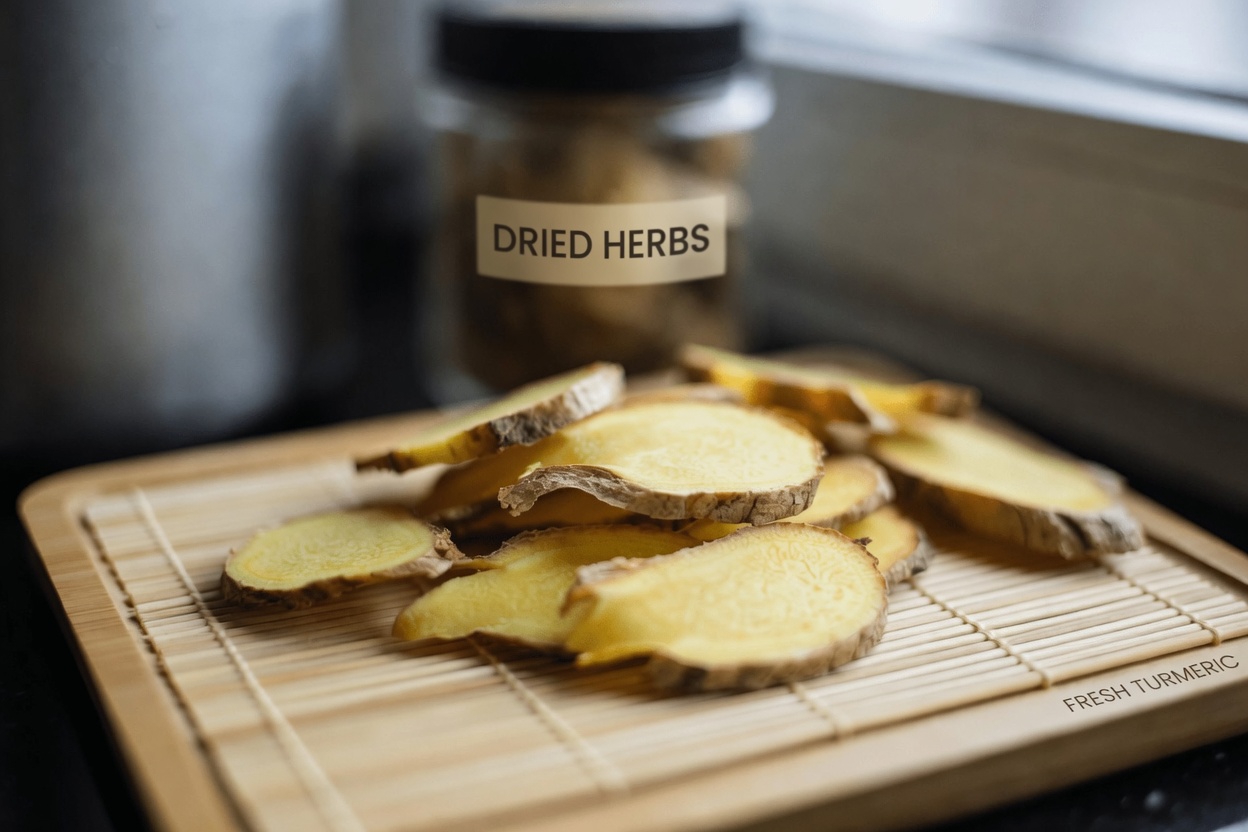
- Choose food first: Add fresh grated ginger to soups, rice dishes, stir-fries, or smoothies instead of jumping straight to supplements.
- Keep portions moderate: Pair ginger with lemon, honey, garlic, or vegetables to spread the flavor naturally without overdoing it.
- Pay attention to your body: In larger amounts, ginger can sometimes cause mild heartburn or stomach irritation in sensitive people.
- Increase slowly: Build up gradually instead of making sudden changes, especially if you have any medical concerns.
Final Thoughts
Ginger is a valuable spice with a long tradition of use, but it is not automatically the right fit for every person in every amount. If you have concerns related to bleeding, blood sugar, blood pressure, heart health, or gallbladder function, it is important to be more thoughtful about how you use it.
The main takeaway is simple: talk with your doctor or another qualified healthcare professional before making major changes to your diet or starting ginger supplements. They understand your full health picture and can help you decide what is safe and appropriate for your needs.
FAQ
1. Is it safe to drink ginger tea every day?
For most healthy adults, moderate daily use of ginger tea is generally considered acceptable. If you have any of the medical conditions listed above or take related medications, check with your doctor first.
2. Can ginger be used during pregnancy?
Small amounts of ginger are sometimes used for morning sickness or nausea during pregnancy. However, higher doses, especially later in pregnancy, should be discussed with your obstetrician to make sure they are appropriate.
3. Is ginger in food safer than ginger supplements?
Usually, yes. Ginger used in meals contains much lower amounts of active compounds than supplements. Because supplements are more concentrated, they are more likely to cause interactions or side effects.
Disclaimer
This article is for informational purposes only and should not be considered medical advice. Always consult a qualified healthcare professional before making changes to your diet, supplements, or treatment plan.