

Many adults notice a gradual drop in leg strength after age 60, especially during routine movements such as climbing stairs, rising from a chair, or walking longer distances. Over time, this can make daily life feel more demanding, lower confidence, and cause some people to become less active than they would like. The encouraging part is that the foods you eat each day can help support muscle health as you age. Among familiar kitchen staples, one common dairy food stands out for its impressive protein quality—and by the end, you’ll see why it may be worth including every day.
Why Leg Strength Matters More After 60
With age, muscle tissue naturally changes, and the body may recover more slowly after activity. These shifts can affect how strong and steady your legs feel. Research suggests that a combination of regular movement and proper nutrition can help support mobility, balance, and independence.
One of the biggest nutrition priorities is getting enough protein, along with nutrients involved in muscle repair, circulation, and energy production. Choosing the right foods gives your body the raw materials it needs to maintain strength more effectively.
8 Foods That May Help Support Leg Strength After 60
Below are eight foods supported by nutrition research that can help older adults meet their protein and nutrient needs for better muscle support.
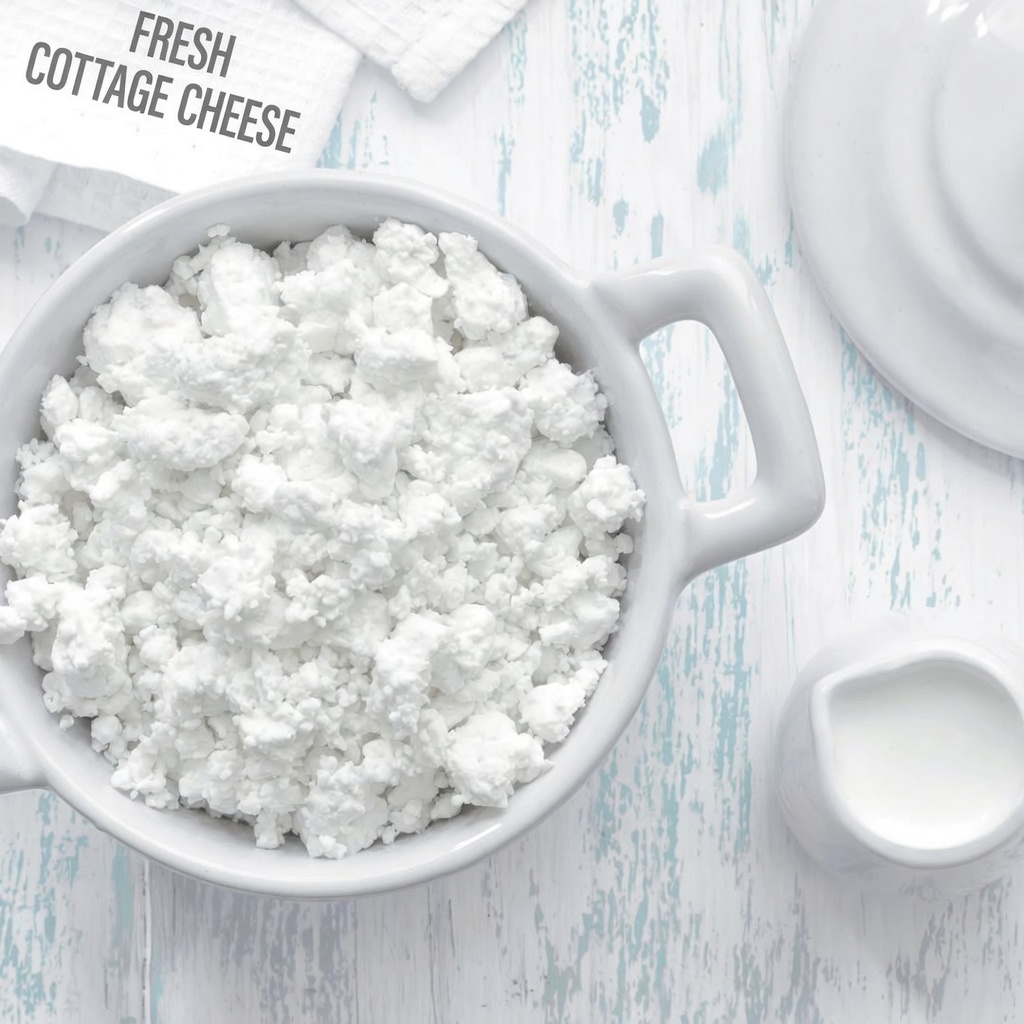
1. Cottage Cheese — A Slow-Digesting Protein for Overnight Support
Cottage cheese earns the top spot because it is rich in casein, a protein that digests gradually and releases amino acids over several hours. Research on dairy protein in older adults suggests that this slow release may help support muscle maintenance during the night, when the body is focused on repair and recovery. Just half a cup provides about 14 grams of protein, including leucine, a key amino acid involved in muscle protein synthesis after age 60.
Its soft texture also makes it easy to eat, and it works well on its own or paired with fruit.
2. Eggs — Convenient, Complete, and Nutrient-Dense
Eggs are a practical source of complete protein, meaning they contain all essential amino acids. Studies have shown that older adults who eat eggs regularly may be better able to preserve muscle function and strength. One large egg delivers roughly 6 grams of highly absorbable protein, along with leucine. Eggs also provide vitamin D and vitamin B12, which support nerve function and energy metabolism.
They are easy to prepare in many ways, from scrambled breakfasts to hard-boiled snacks.
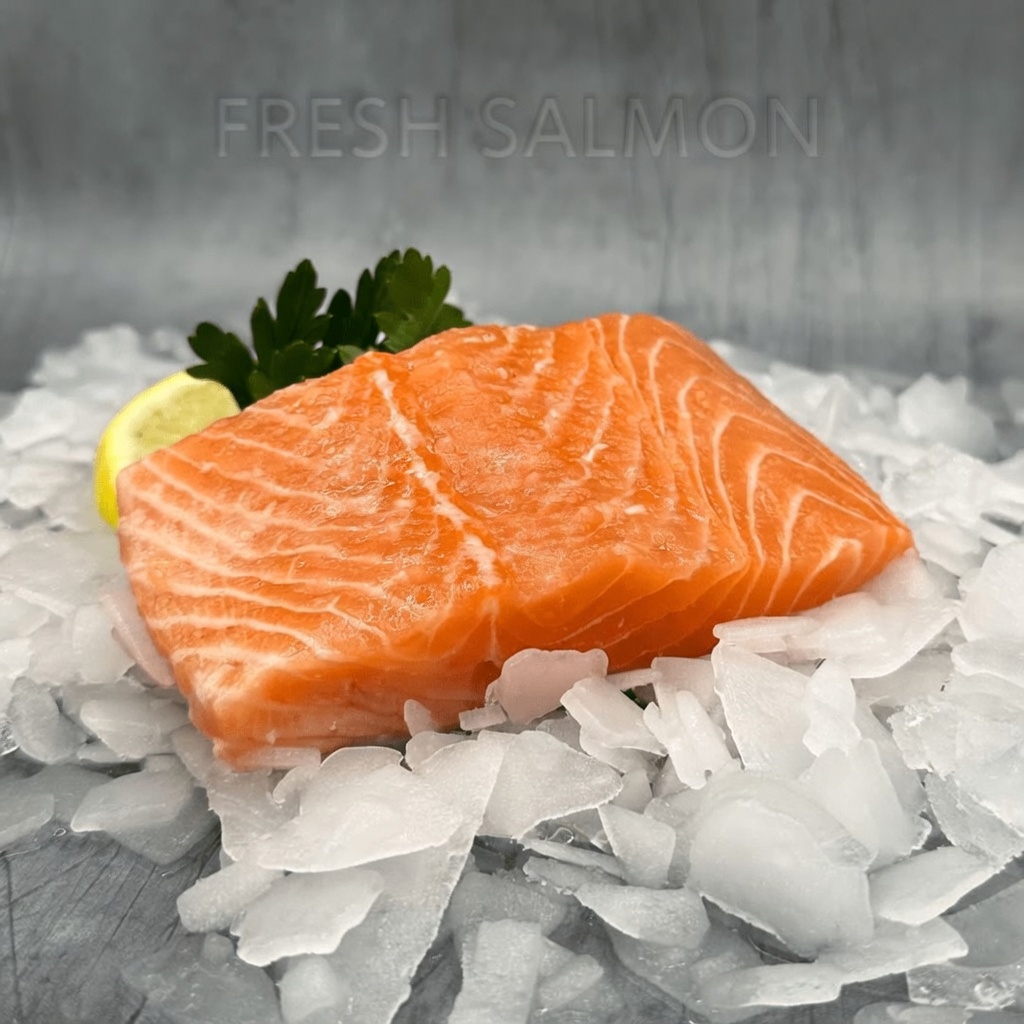
3. Salmon — Protein Plus Omega-3 Support
Salmon and other fatty fish offer a powerful combination of high-quality protein and omega-3 fatty acids. Research has linked omega-3 intake with healthier muscles and less stiffness in older adults. A 3-ounce serving of salmon provides around 20 grams of protein, along with vitamin D, which supports both bone and muscle health.
Baked or grilled salmon can be a satisfying and simple dinner option.
4. Greek Yogurt — High in Protein and Helpful for Digestion
Greek yogurt contains more protein than standard yogurt because much of the liquid is removed during processing. It includes both whey and casein proteins, which may help support muscle preservation when consumed regularly. Many types also contain probiotics, which may improve digestive comfort.
For the best option, choose plain varieties with less added sugar and add berries or other fruit for natural flavor.
5. Lentils — Plant Protein with Added Fiber
Lentils are a budget-friendly, nutrient-rich food that supplies plant-based protein, iron, and fiber. They can help older adults increase their protein intake without relying only on animal foods. Research on diets rich in legumes suggests they may support muscle function and help maintain more stable energy levels.
They are easy to include in soups, salads, and simple stews.
6. Chicken Breast — Lean Protein for Regular Meals
Skinless chicken breast is a lean, easy-to-digest source of protein that fits well into everyday eating. It contains a good amount of leucine and can be cooked in batches for convenience. Studies on older adults suggest that higher protein intake from poultry may help support the maintenance of strength over time.
Seasoning it with herbs instead of excess salt is a smart way to keep meals flavorful and balanced.
7. Spinach — Magnesium and Nitrates for Muscle Performance
Spinach and other leafy greens provide dietary nitrates, which may help improve blood flow to active muscles. They are also rich in magnesium, a mineral involved in muscle contraction and energy production. Research in aging adults has connected magnesium intake with better physical function.
Spinach can be sautéed as a side dish or blended into smoothies for an easy nutrient boost.
8. Pumpkin Seeds — Small but Packed with Muscle-Supporting Nutrients
Pumpkin seeds may be tiny, but they deliver magnesium, zinc, healthy fats, and a modest amount of protein. Both magnesium and zinc play important roles in muscle recovery and function. Studies in older adults have found that adequate magnesium intake may be associated with better physical performance.
A small handful makes a convenient snack, or you can scatter them over yogurt or salads.
Why These Foods Work Even Better Together
The real benefit comes from using these foods across the entire day instead of relying on one high-protein meal. Research indicates that older adults may benefit most when protein is spread out evenly, with around 25 to 30 grams at each meal. This pattern may help the body use amino acids more efficiently for muscle support.
That is why a routine such as eggs or Greek yogurt in the morning, lentils or chicken at midday, and cottage cheese later in the evening can be especially effective.
Easy Tips You Can Use Right Away
- Include protein at every meal: For example, try cottage cheese with fruit at breakfast, lentil soup at lunch, and salmon at dinner.
- Keep serving sizes manageable: A half-cup of cottage cheese, one or two eggs, or a portion of Greek yogurt can provide useful protein without feeling too heavy.
- Combine nutrition with light movement: Short walks, stretching, or chair exercises can help your body use nutrients more effectively.
- Stay consistent: Daily habits usually make a bigger difference than occasional efforts.
- Talk to your doctor if needed: This is especially important if you have kidney issues, digestive concerns, or take medications that affect your diet.
Other Habits That Can Help Support Leg Strength
Food is only part of the picture. Hydration also matters, because even mild dehydration can affect muscle performance and energy. Many older adults find that drinking water regularly, especially with meals, helps them feel better throughout the day.
Gentle resistance exercises can also support stronger legs. This might include resistance bands, light dumbbells, or simple bodyweight movements done safely. Sleep is another key factor, since the body does much of its repair work overnight. That is one reason cottage cheese before bed may be such a useful habit.
Final Thoughts: Small Daily Choices Can Add Up
You do not need a complicated diet or expensive ingredients to support leg strength after 60. These eight foods are easy to find, enjoyable to eat, and supported by research for their potential role in muscle health and confident movement. Starting with just one or two of these foods this week can be a simple step toward feeling stronger and more capable over time.
Frequently Asked Questions
How much protein do older adults need to help support leg strength?
Many studies suggest that adults over 60 may benefit from about 1.2 to 1.6 grams of protein per kilogram of body weight each day. For many people, that means aiming for roughly 25 to 30 grams of protein at each meal. Foods like eggs, Greek yogurt, and cottage cheese can make that goal easier to reach.
Is cottage cheese a good choice for seniors who are concerned about sodium or digestion?
Yes, it can be. Lower-sodium versions are available in many stores, and its soft texture makes it easy to eat. Some brands may also be easier to digest than heavier protein foods. As always, it is best to choose products that match your individual health needs.
Can plant-based eaters support muscle health without dairy or meat?
Absolutely. Lentils, spinach, and pumpkin seeds all provide important nutrients that support muscle function. Pairing plant foods carefully—such as lentils with grains—can help improve the overall amino acid balance and make plant-based meals more supportive of muscle health.
Important Disclaimer
This article is intended for informational purposes only and should not be used to diagnose, treat, or cure any medical condition. Always speak with a qualified healthcare professional before making major changes to your diet, especially if you have existing medical conditions or take prescription medications. Individual results may differ depending on overall health, lifestyle, and medical history.