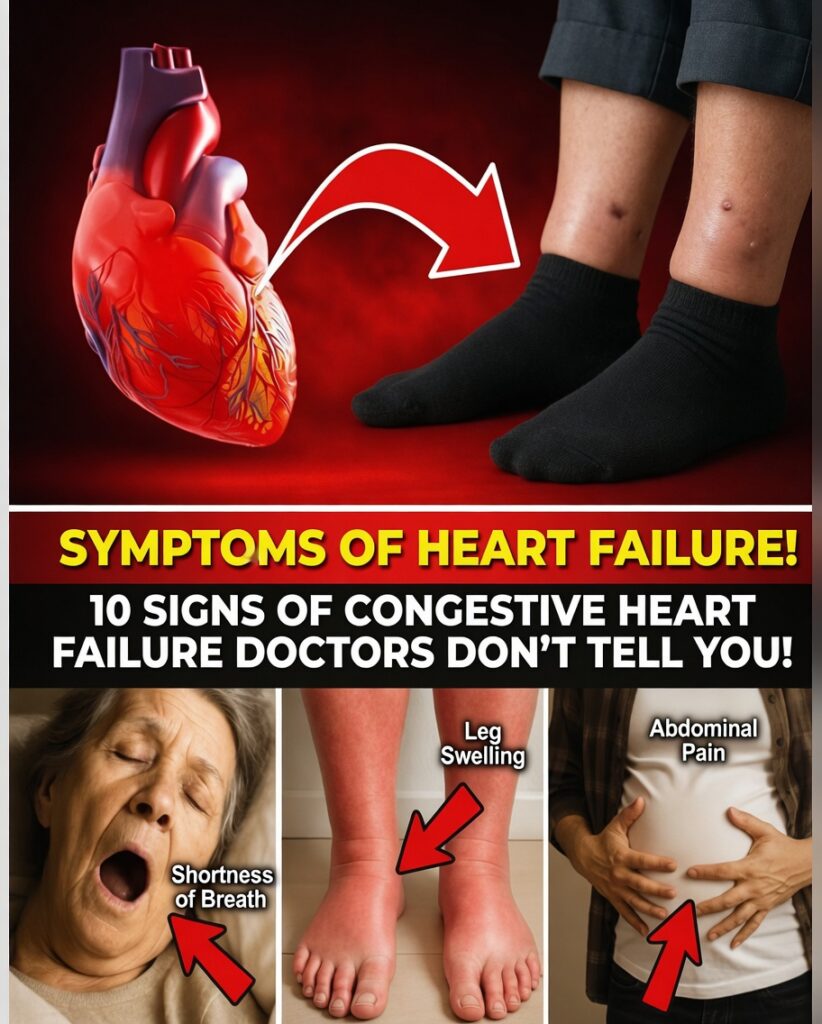
Noticing Changes in Your Legs and Feet
Many older adults begin to see swelling, tightness, or discomfort in their legs and feet and assume it is simply part of getting older. Over time, these changes can make walking, standing, or even moving around at home more tiring and discouraging. Learning to recognize congestive heart failure symptoms in your legs and feet can help you notice patterns worth discussing with a healthcare professional. A brief daily check at the end of each day can increase your awareness of how your body is changing and support earlier evaluation if needed.
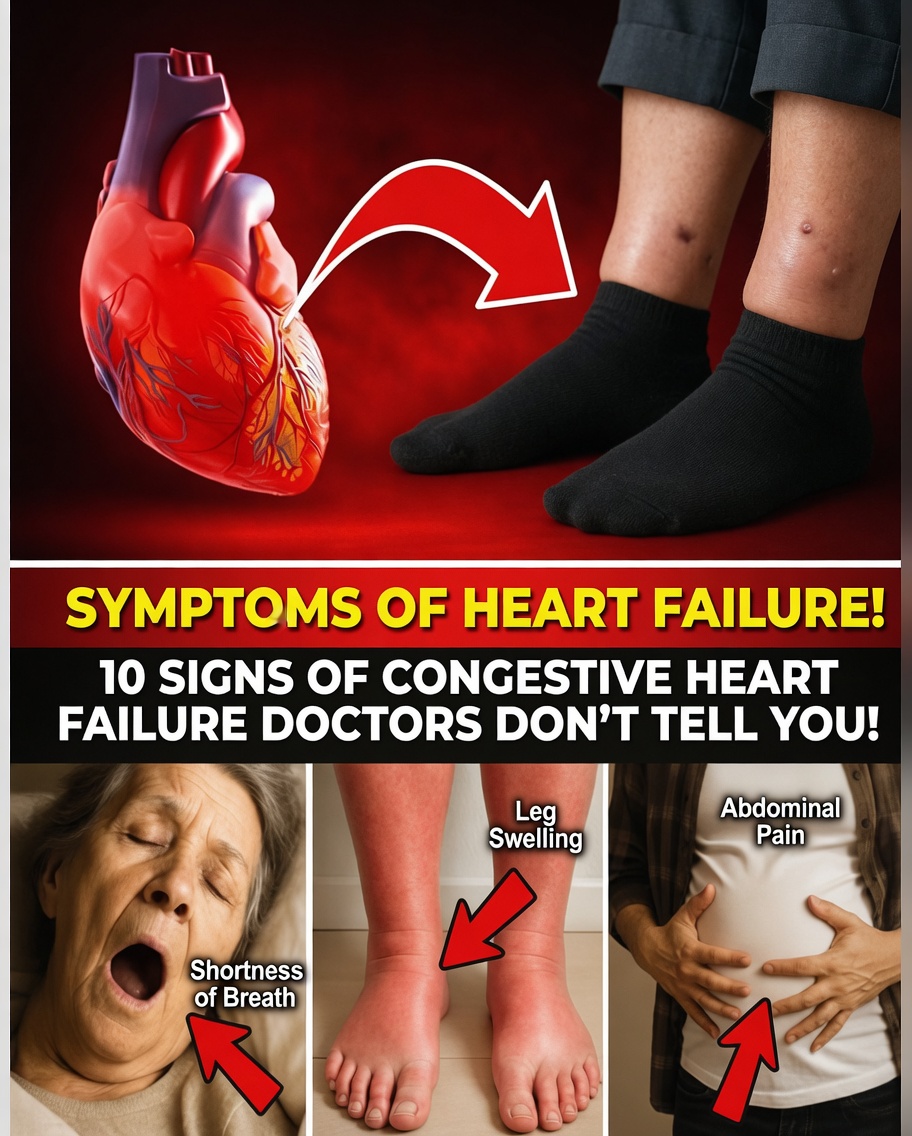
Why Congestive Heart Failure Often Shows Up in the Legs and Feet First
When the heart is weaker and does not pump blood efficiently, fluid can accumulate in the body. Because of gravity, this extra fluid tends to pool in the lowest areas—typically the legs, ankles, and feet. This is why congestive heart failure symptoms in your legs and feet often appear before symptoms in other parts of the body.
Many people notice their legs feel heavy, tight, or more swollen by evening, and walking or standing may become less comfortable over time. Studies from major heart associations emphasize that paying close attention to changes in the lower legs and feet can support earlier conversations with your doctor. The important point many people miss: your legs and feet often give the earliest, subtle warnings.
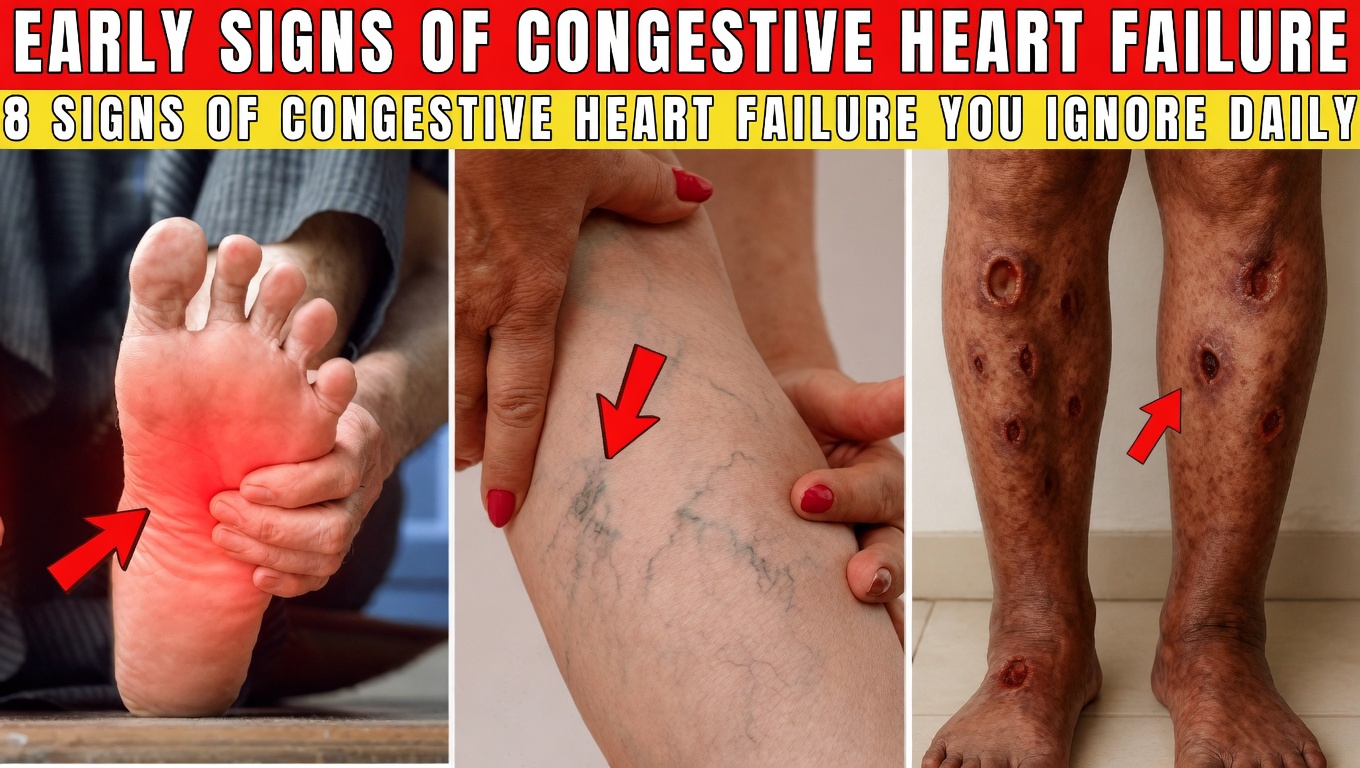
Key Congestive Heart Failure Symptoms in Your Legs and Feet
Symptom 1: Pitting Edema That Leaves Lasting Indents
One of the common congestive heart failure symptoms in your legs and feet is “pitting edema.” If you press a finger gently into the skin around your ankles or shins for several seconds and a dent remains for longer than usual, this may be a sign of fluid buildup.
The skin can feel tight or stretched, and sock lines may leave deep marks that take time to disappear. This occurs when extra fluid leaks into the surrounding tissues because the heart is not pumping strongly enough. Pay attention to how long the indentation lasts and let your doctor know if it continues or gets worse.
Symptom 2: Shiny, Stretched, or Tight-Looking Skin
Another possible congestive heart failure symptom in your legs and feet is skin that appears unusually glossy, tight, or stretched. The lower legs or ankles may look as if the skin has been pulled taut, sometimes making veins underneath more visible.
This appearance often comes from increased pressure in the tissues as fluid builds under the skin. People frequently describe more discomfort or a feeling of fullness by the end of the day. Gentle, regular observation can help you recognize if these changes are new or progressing.

Symptom 3: Cold Feet Even in a Warm Environment
Feet or toes that feel cold to the touch despite being in a warm room may also be associated with congestive heart failure symptoms in your legs and feet. Reduced circulation can make the extremities cooler than the rest of the body.
Wearing extra socks or blankets may not fully relieve the chill, and this can interfere with sleep or overall comfort. A simple habit—lightly touching your feet with your hand to compare their temperature with the rest of your body—can help you notice changes worth mentioning to your healthcare provider.
Symptom 4: Calf Cramps That Interrupt Sleep or Rest
Sudden, painful cramps in the calves, especially at night or when resting, can sometimes be linked to congestive heart failure symptoms in your legs and feet. These muscle spasms may wake you from sleep and leave your legs feeling sore or tender the next day.
Circulation problems and fluid shifts in the legs are possible contributing factors. Keeping track of how frequently these cramps occur, when they happen, and how long they last provides helpful information for your next medical visit.
Symptom 5: Bluish or Purplish Toes Signaling Circulation Changes
Toes or toenails that take on a blue or purple color can indicate reduced oxygen supply to the area, another potential congestive heart failure symptom in your legs and feet. This color change may appear intermittently, especially in cooler temperatures, or it may stay more constant.
Checking your toes in good lighting makes it easier to see subtle color differences over time. If the discoloration persists or worsens, it should be brought to your doctor’s attention promptly.
Symptom 6: Gradual Hair Loss on Legs and Feet
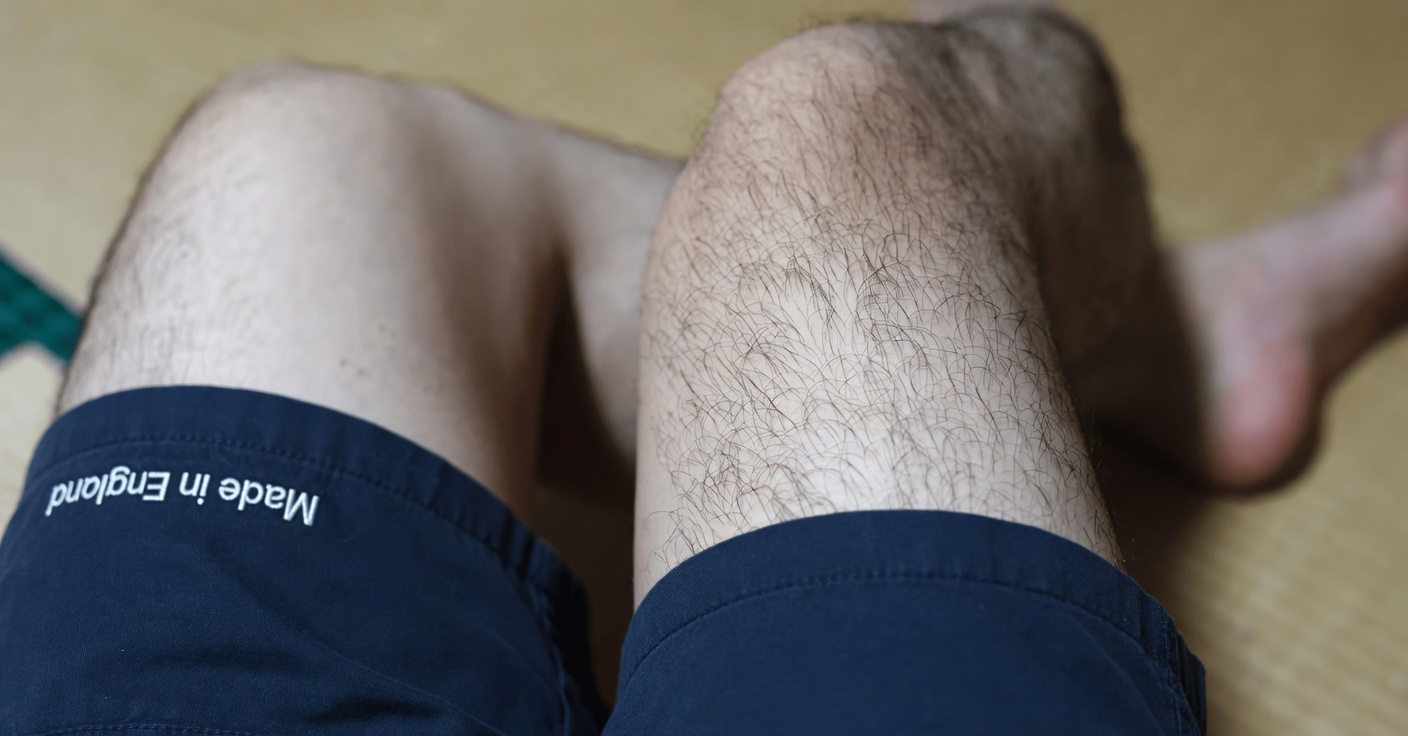
You might notice smooth, hairless patches developing on your shins, ankles, or the tops of your feet. Over time, decreased blood flow can affect hair follicles, which may be connected to congestive heart failure symptoms in your legs and feet.
In some cases, the skin in these areas may also look thinner or more fragile. People often spot this change when comparing their legs to older photographs or noticing that they shave less often because less hair grows back.
Symptom 7: Itchy, Dry, or Flaky Skin Over Swollen Areas
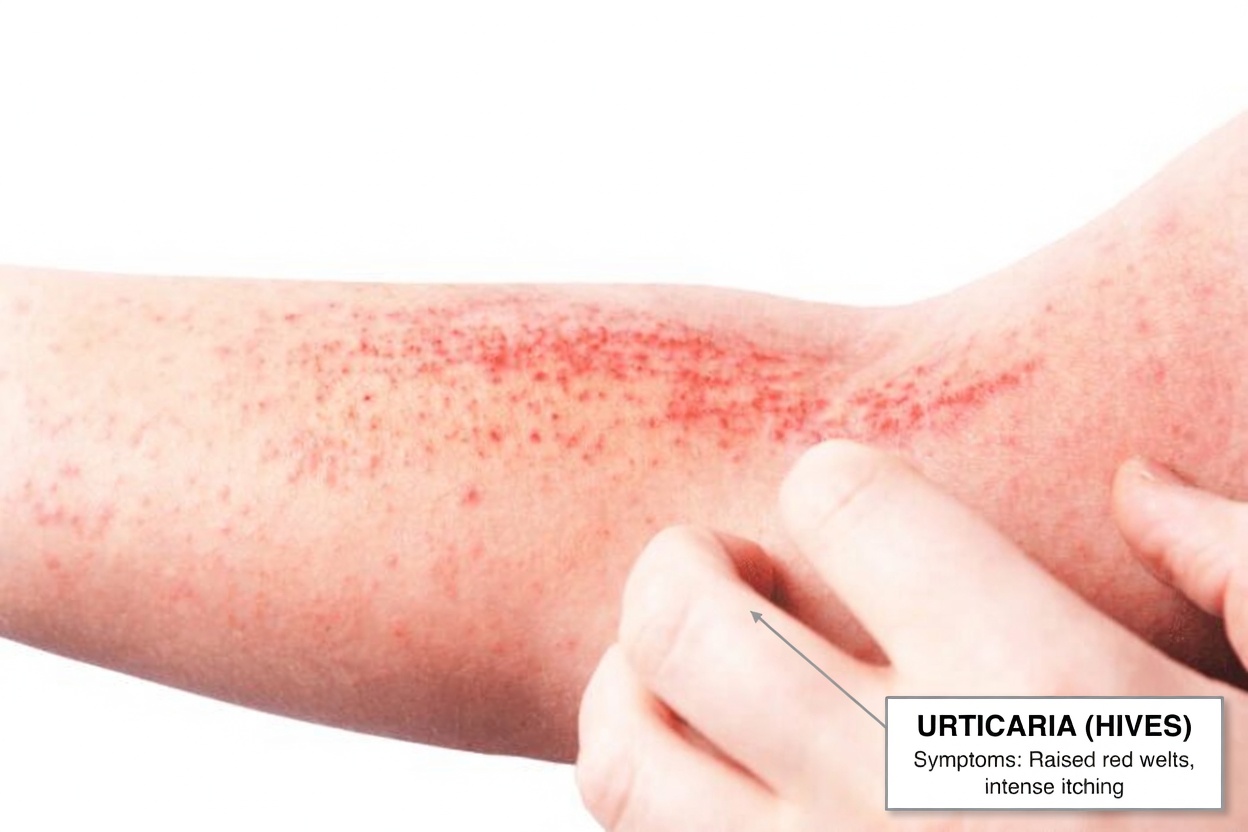
Itchy, flaky, or irritated skin on swollen legs and feet can also be associated with congestive heart failure symptoms in your legs and feet. When fluid builds up and drainage is poor, the skin can become dry, stretched, and more prone to irritation.
Scratching may temporarily relieve the itch but can damage the skin and increase the risk of infection. Using gentle, fragrance-free moisturizers may help ease discomfort while you keep track of whether the irritation is spreading or getting worse.
Symptom 8: Ulcers or Sores That Heal Slowly
Small cuts, blisters, or ulcers on the lower legs or feet that take a long time to heal—sometimes weeks—can be a warning sign. In the context of congestive heart failure symptoms in your legs and feet, ongoing fluid buildup and poor circulation can slow the healing process.
These sores may begin with a minor bump, scratch, or pressure point from shoes and then linger instead of closing. Keeping the area clean, protected, and dry supports general skin health, but any wound that does not show clear improvement over time should be evaluated by a healthcare professional without delay.
Symptoms 9–12: Other Changes to Watch For
In addition to the symptoms above, several other changes in your legs and feet can be related to congestive heart failure:
-
More prominent varicose veins
Veins in the legs may appear larger, more twisted, or more uncomfortable than before, especially by evening. -
Weak or hard-to-find pulses in the feet
It may be more difficult to feel a pulse on the top of the foot or near the ankle, suggesting circulation strain. -
Numbness, tingling, or “pins and needles” sensations
You may feel waves of tingling, burning, or numbness in the feet or toes, sometimes accompanied by swelling. -
Rapid weight gain due to fluid retention
A sudden increase in body weight over a few days—often 2–3 pounds (about 1–1.5 kg) or more—can reflect fluid buildup throughout the body, including the legs and feet.
Together, these signs provide a more complete picture of how your circulation and fluid balance may be changing.
Simple Tracking Guide for Leg and Foot Changes
Keeping brief daily notes helps you and your healthcare provider see trends over time. The table below summarizes common signs and when to bring them up with your doctor.
| Sign | What You Might Notice | When to Mention It to Your Doctor |
|---|---|---|
| Swelling | Ankles or feet puff up, shoes feel tighter by evening | Lasts more than a few days, worsens, or suddenly appears |
| Skin changes | Skin looks shiny, stretched, dry, or itchy | Spreads, cracks, breaks open, or becomes painful |
| Color or temperature | Blue/purple tint, or feet feel unusually cold | Persists in warm conditions or color change is new or frequent |
| Pain or sensation changes | Cramps, numbness, tingling, or burning in legs or feet | Occurs more often, interferes with sleep, or limits activity |
Easy Daily Habits to Monitor Your Legs and Feet
A short evening routine can make it easier to track congestive heart failure symptoms in your legs and feet and support more comfortable circulation:
- Elevate your legs: Raise your legs on pillows or a footrest for about 15 minutes while reading or watching TV. This can help fluid move back toward the upper body.
- Weigh yourself daily: Step on the scale at the same time each morning, wearing similar clothing. Record your weight and note any sudden increases over a few days.
- Do ankle pumps: While seated, gently bend your feet up and down about 50 times to activate your calf muscles and encourage better blood flow.
- Look and feel: Take a quick look at the color and condition of your skin and lightly press your fingers over your ankles to check for pitting edema.
These simple steps are easy to integrate into your routine and can provide valuable information for your next appointment.
Lifestyle Habits That Support Heart Health
Along with monitoring congestive heart failure symptoms in your legs and feet, certain everyday habits can support your heart and circulation. Always follow the advice of your own healthcare provider, but in many cases, the following are recommended:
- Limit sodium (salt) intake by reading food labels and focusing on balanced, home-prepared meals when possible.
- Stay adequately hydrated with plain water throughout the day, unless your doctor has given you specific fluid restrictions.
- Move regularly, such as taking short, gentle walks if your healthcare provider approves this level of activity.
- Choose comfortable clothing and footwear, including loose socks and shoes that do not pinch or leave deep marks.
These small adjustments can help you feel more comfortable as you go about daily life and may support your overall heart health.
FAQ About Congestive Heart Failure Symptoms in Your Legs and Feet
What causes swelling in the legs with congestive heart failure?
When the heart does not pump efficiently, blood and fluid can back up in the veins. Gravity then pulls this excess fluid into the legs, ankles, and feet, leading to swelling.
Can cold feet be one of the congestive heart failure symptoms in your legs and feet?
Yes. If the heart is under strain and circulation is reduced, the feet and toes may feel colder than usual, even when the rest of the body is warm.
When should I talk to a doctor about changes in my legs?
Consult your healthcare provider if you notice ongoing swelling, new or worsening color changes, persistent pain or discomfort, or symptoms that do not improve over several days. Sudden or severe changes should be evaluated as soon as possible.
Key Takeaway
Paying steady, thoughtful attention to your legs and feet can make a real difference in how early congestive heart failure symptoms are recognized. Start with one simple check tonight—such as looking for swelling or pitting—and jot down what you see. Bringing these notes to your next appointment can help your healthcare provider understand what is happening and plan the best care for you.
Medical Disclaimer
This article is for informational and educational purposes only and is not a substitute for professional medical advice, diagnosis, or treatment. Always consult your doctor or another qualified healthcare provider with any questions you have about your health or before making changes to your medication, diet, or activity level.