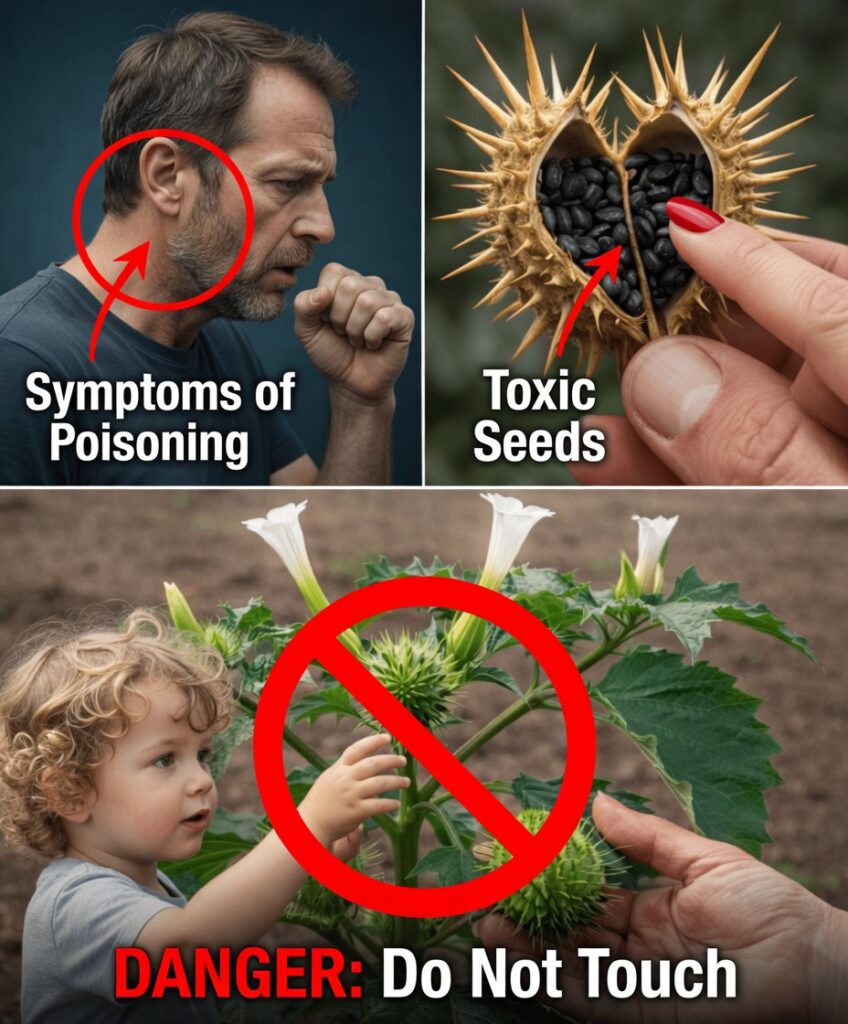
Datura Genus (Angel’s Trumpet): Striking Flowers, Serious Hidden Risks
Flowering plants can transform any yard into a calm retreat, yet a few beautiful species conceal dangers that most people never expect. The Datura genus, commonly referred to as Angel’s Trumpet, is one of them. Its dramatic, trumpet-shaped blossoms draw in gardeners worldwide, but this same plant is responsible for thousands of emergency room visits each year because many assumed it was completely harmless.
For parents and pet owners, the idea of a child or animal brushing against a Datura plant and suddenly becoming unwell is deeply unsettling. Because the Datura genus looks so decorative and innocent, many people only discover its toxic nature after a frightening incident. The good news is that you can still enjoy gardening safely. The 12 essential facts below explain exactly why Datura deserves respect and how to protect your household.
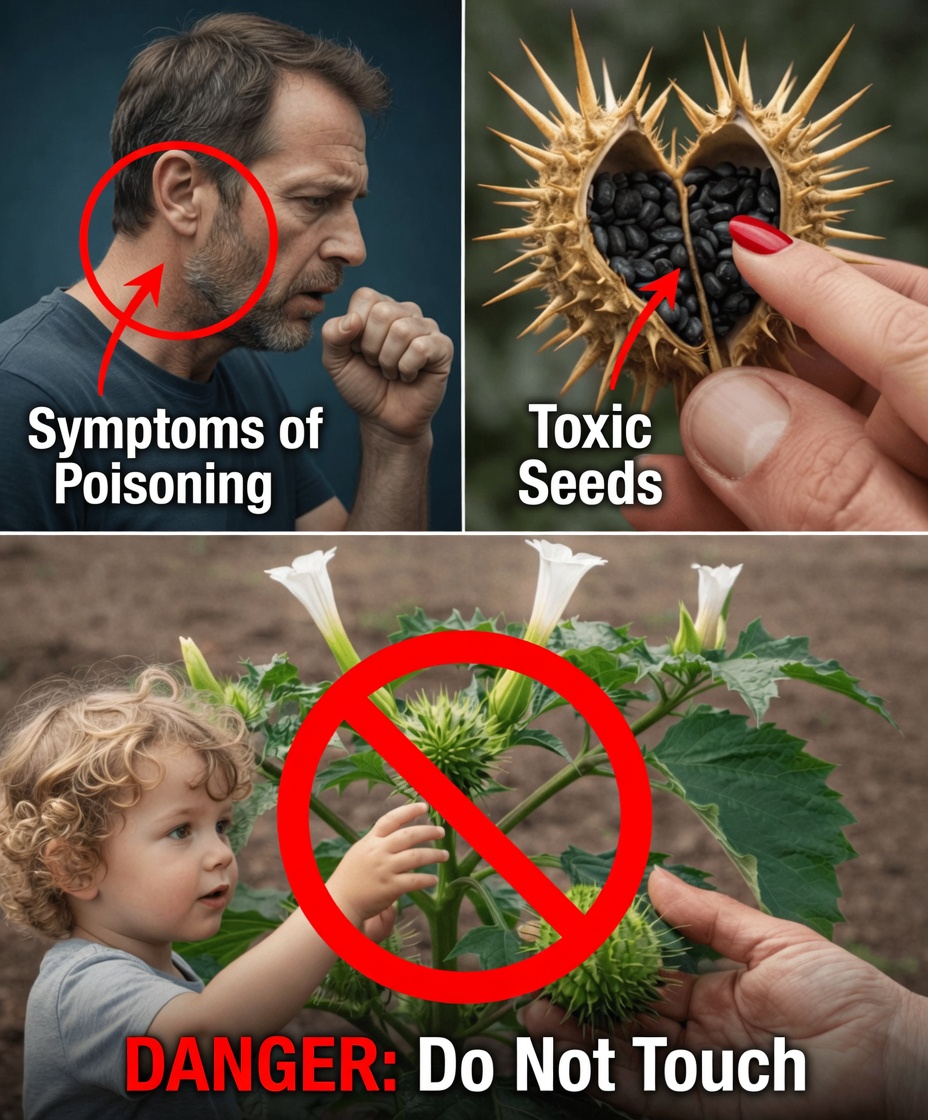
What Is the Datura Genus, Also Known as Angel’s Trumpet?
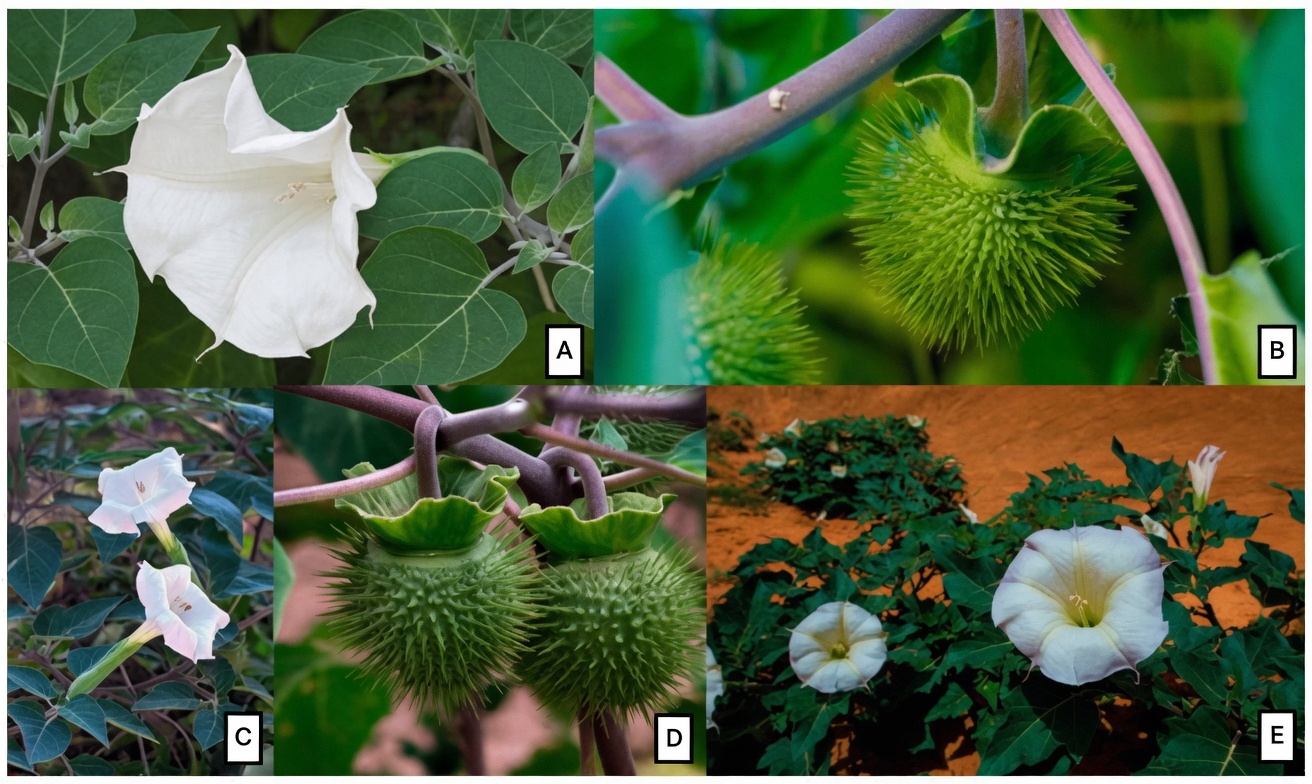
The Datura genus is a group of flowering plants recognized for their large, trumpet-like blooms that often open in the evening. Often labeled Angel’s Trumpet, these plants thrive in many climates, making them popular ornamental choices in home gardens and public landscapes.
Beneath their exotic appearance, however, Datura plants contain potent natural chemicals. Even small amounts can cause troubling symptoms, so understanding what this plant looks like and how it behaves helps you identify it early and manage it responsibly, without panic.
12 Key Reasons to Treat Datura and Angel’s Trumpet With Caution
Below are 12 important reasons the Datura genus and Angel’s Trumpet should be handled carefully in any outdoor space.
-
Its beauty can be misleading.
The Datura plant’s spectacular, trumpet-shaped flowers are visually inviting, encouraging gardeners and visitors to admire and touch them. This false sense of safety often leads people to lower their guard, especially around children and pets, and only later realize how risky close contact can be. -
Every part of the plant is toxic.
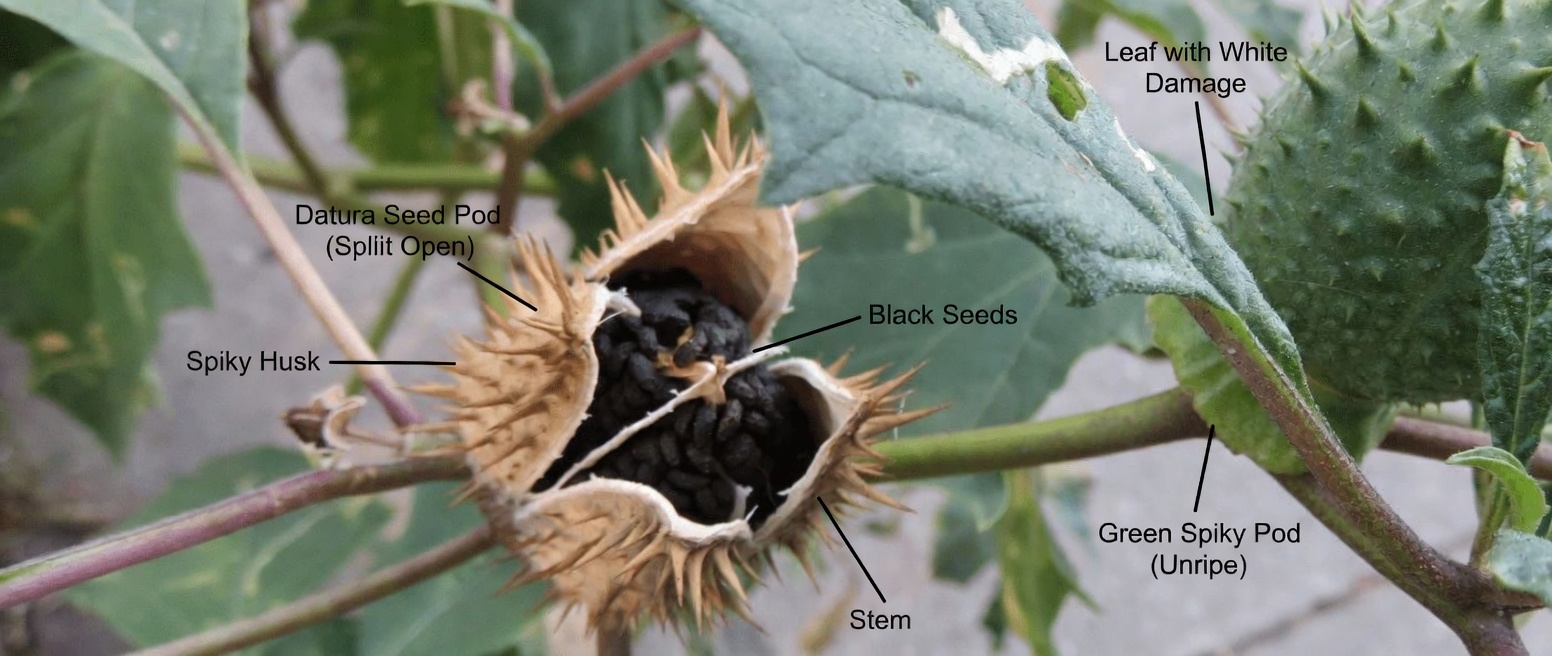
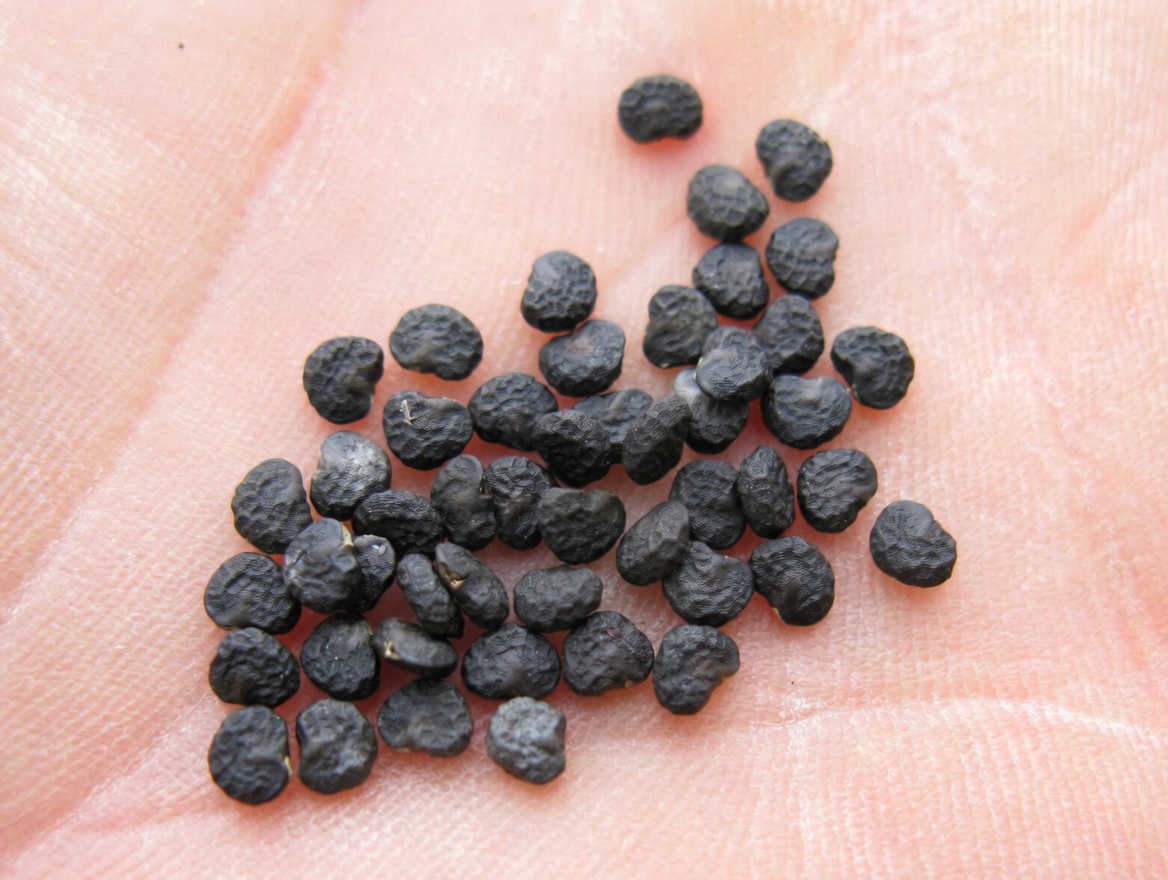
All portions of the Angel’s Trumpet—leaves, blossoms, stems, and especially seeds—contain powerful tropane alkaloids. These compounds make the Datura genus potentially dangerous even in small quantities. Families who discover this after planting it often feel shocked by how hazardous the plant actually is. -
Symptoms can develop very quickly.
Following accidental ingestion or significant exposure, effects from the Datura plant may appear within minutes. The rapid onset of symptoms can leave caregivers scrambling for help, adding panic to what began as a normal day in the garden. -
It can provoke severe confusion and hallucinations.
One of the most disturbing effects associated with Angel’s Trumpet is its impact on the mind. People exposed to the Datura genus have reported intense disorientation, agitation, and vivid hallucinations that can last far longer than expected, creating lingering anxiety for those responsible for children and vulnerable adults. -
Physical symptoms are uncomfortable and alarming.
After contact or ingestion, individuals may experience dry mouth, a racing heartbeat, and blurred vision. These classic signs of Datura exposure can quickly turn a peaceful outdoor afternoon into a stressful situation centered on urgent health concerns. -
The effects can persist for many hours or even days.
Unlike minor irritants that fade quickly, reactions to the Datura plant often last well beyond the initial encounter. Prolonged confusion, vision changes, or general discomfort may continue for an extended period, leaving many gardeners wishing they had understood the plant’s toxic potential sooner.
-
Children are at particular risk.
Young children are naturally curious and may be attracted to Angel’s Trumpet flowers or interesting seed pods. Because they do not recognize danger, they might touch or taste parts of the Datura genus, turning a playful moment outdoors into a medical emergency and a parent’s worst nightmare. -
Pets can be easily poisoned.
Dogs, cats, and other pets may chew on leaves, flowers, or fallen seed pods out of curiosity or boredom. For pet owners, the presence of a Datura plant in the yard can become a constant worry, as even a small amount can be enough to cause serious symptoms in animals. -
Wild Datura plants can be hard to identify at first.
In natural or overgrown areas, the Datura genus often blends into surrounding vegetation. Its foliage and general shape may not stand out right away, so hikers, children, or gardeners may brush past or handle the plant without realizing it, increasing the risk of unexpected exposure. -
It is common in residential neighborhoods.
Because Angel’s Trumpet grows easily and looks spectacular in bloom, it is frequently planted in front yards, backyards, and community spaces. Once you know about the Datura plant’s toxicity, discovering it in neighboring gardens can feel unsettling, especially if children or pets regularly visit those areas. -
Severe outcomes, including emergencies, are possible.
While not every exposure results in a life-threatening situation, there are documented cases in which Datura ingestion required immediate medical attention. This real, if infrequent, risk highlights why awareness and prevention are so important when this poisonous plant is present. -
Most incidents occur due to lack of information.
Many people who run into trouble with Angel’s Trumpet simply never knew it was dangerous. The Datura genus is a clear example of how a bit of knowledge—learning to recognize the plant and understand its risks—can prevent avoidable stress, health scares, and regret.
Symptoms to Monitor After Datura Plant Contact
If you suspect contact with the Datura plant or Angel’s Trumpet, watch carefully for the following signs:
- Dilated pupils and blurred vision associated with the Datura plant
- Dry mouth and rapid heartbeat after exposure to Angel’s Trumpet
- Restlessness, agitation, or confusion following contact with the Datura genus
- Fever or flushed, hot skin potentially linked to the Datura plant
Medical reports indicate that these symptoms often appear in combination when Angel’s Trumpet is involved, especially after ingestion.
Practical Safety Tips for Living With or Removing Datura
You can significantly reduce risk for your family, visitors, and pets with a few straightforward precautions:
-
Learn to identify Datura.
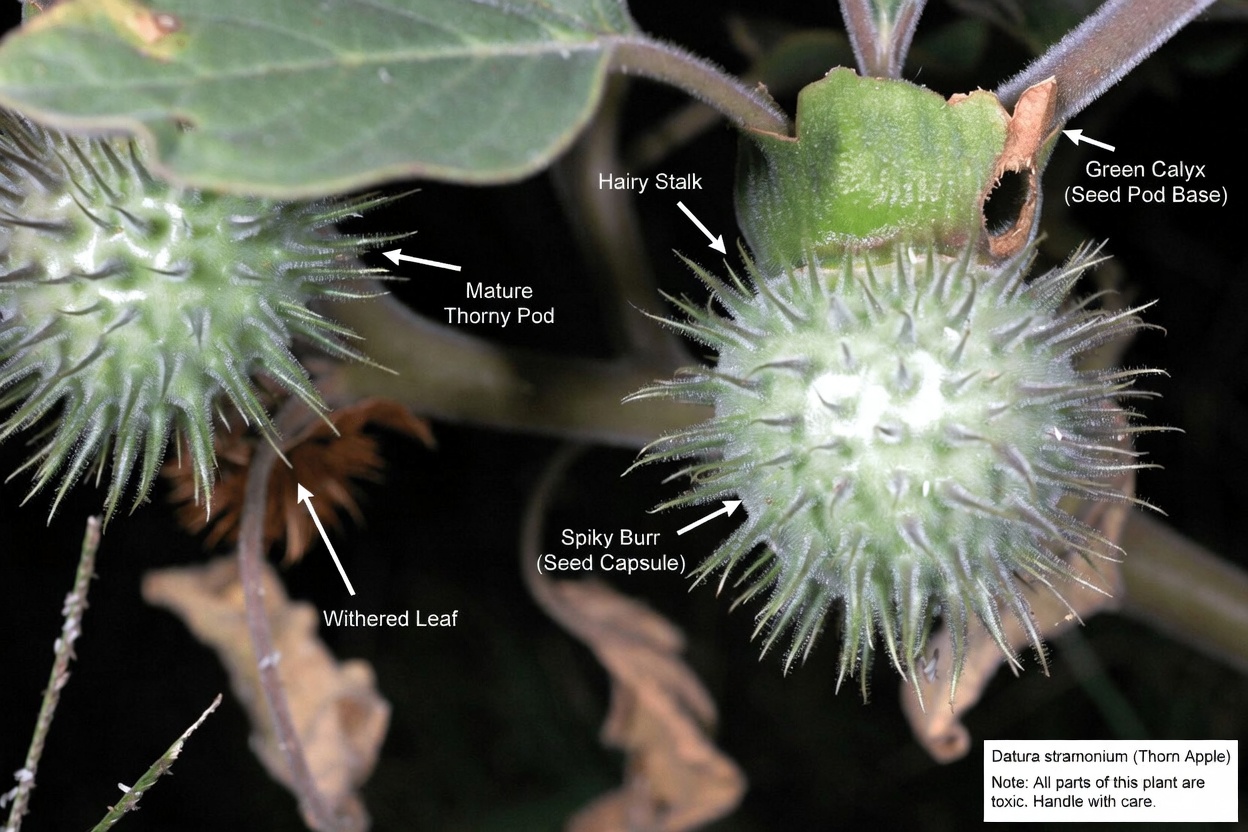
Familiarize yourself with its large trumpet-shaped blooms and distinctive spiky seed pods so you can recognize Datura plants in your garden or in the wild. -
Wear protective clothing when gardening nearby.
Use gloves, long sleeves, and, if needed, eye protection when working in areas where Angel’s Trumpet might be present, and wash your hands afterwards. -
Keep children and pets away from suspected Datura plants.
Supervise outdoor play and ensure kids and animals do not handle or chew on any part of the Datura genus. -
Remove wild or unwanted plants carefully.
If you find Datura growing in your yard or along property edges, pull the entire plant, including roots, while wearing protective gear. Dispose of it securely so seeds cannot spread. -
Have poison control information ready.
Save your local poison control number and contact them immediately if you suspect that anyone has ingested or had significant contact with Angel’s Trumpet. Prompt action improves the chances of a better outcome.
By following these steps, you can continue to enjoy a beautiful garden while minimizing the dangers associated with this toxic plant.
Conclusion: Respecting Datura While Enjoying Your Garden
The Datura genus and Angel’s Trumpet offer dramatic, eye-catching flowers, but their beauty comes with serious responsibilities. Understanding these 12 key facts about the Datura plant allows you to design and maintain outdoor spaces that are both attractive and safe. With proper knowledge and precautions, you can protect your loved ones from unnecessary worry and still take pleasure in your garden.
FAQ About the Datura Plant and Angel’s Trumpet
Is it dangerous to touch the Datura plant?
Light skin contact with the Datura plant may cause mild irritation in some individuals, but the greater danger arises if any part of Angel’s Trumpet reaches the mouth, eyes, or is otherwise ingested. Always wash your hands thoroughly after handling or working near the Datura genus.
What should I do if someone ingests part of Angel’s Trumpet?
If you suspect that any part of the Datura plant has been swallowed, contact poison control or seek medical help immediately. Do not wait for symptoms to worsen. Quick, professional guidance is essential when dealing with the Datura genus.
How can I safely remove the Datura plant from my garden?
Wear sturdy gloves and protective clothing, carefully pull out the entire Datura plant including its roots, and place it in a sealed bag or container so Angel’s Trumpet seeds cannot scatter. Dispose of it according to local regulations, and monitor the area afterward for any new growth from the Datura genus.