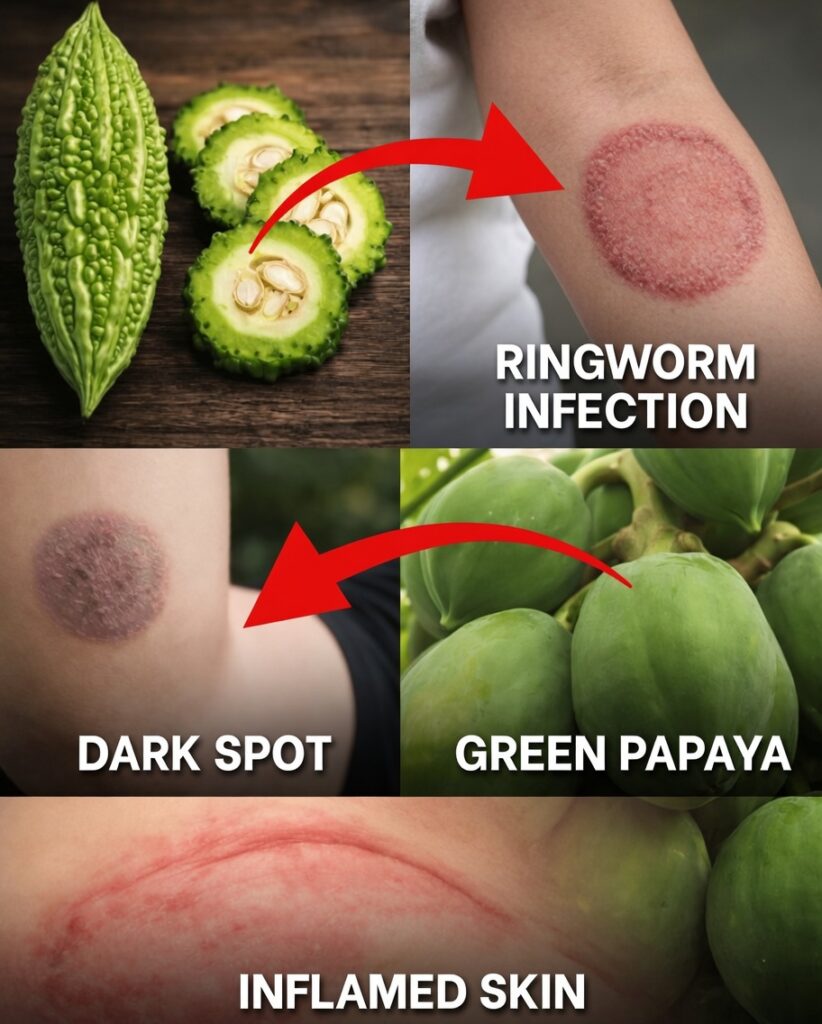
Living With Fungal Infections and the Role of Home Remedies
Fungal infections often bring persistent itching, redness, flaking, and irritation that can disrupt daily life and affect self-confidence. The discomfort can make social situations awkward and sleep more difficult, ultimately impacting overall well-being.
Many people look for gentle, natural ways to support their skin, which is why home remedies for fungal infections are so frequently explored. While these approaches are not a substitute for professional medical treatment, some find they offer extra comfort and help support skin balance when used carefully and consistently.
Moist, warm areas of the body are especially prone to fungal overgrowth, and damp conditions often make symptoms worse. Combining thoughtful hygiene habits with selected home remedies for fungal infections may help promote a more comfortable skin environment.
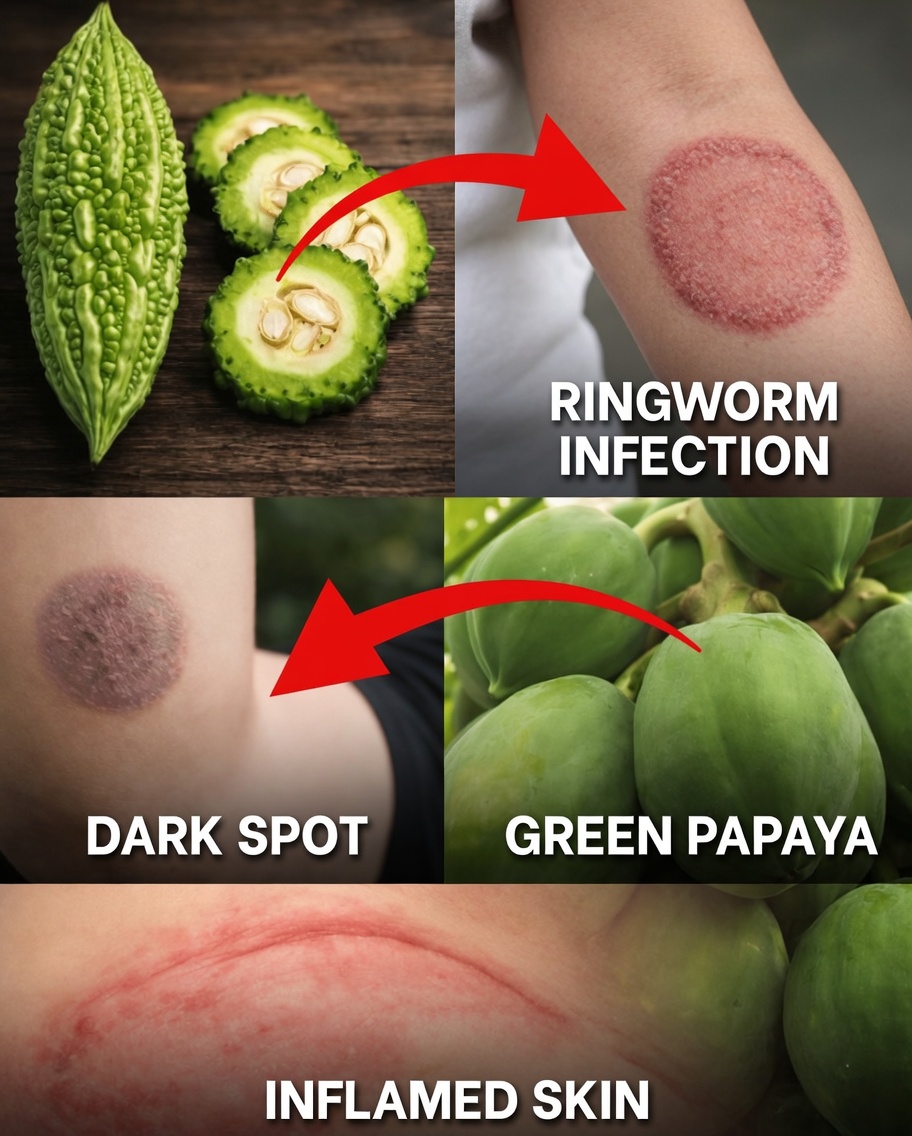
Good daily habits are an important foundation—but they are only one part of a broader supportive routine.
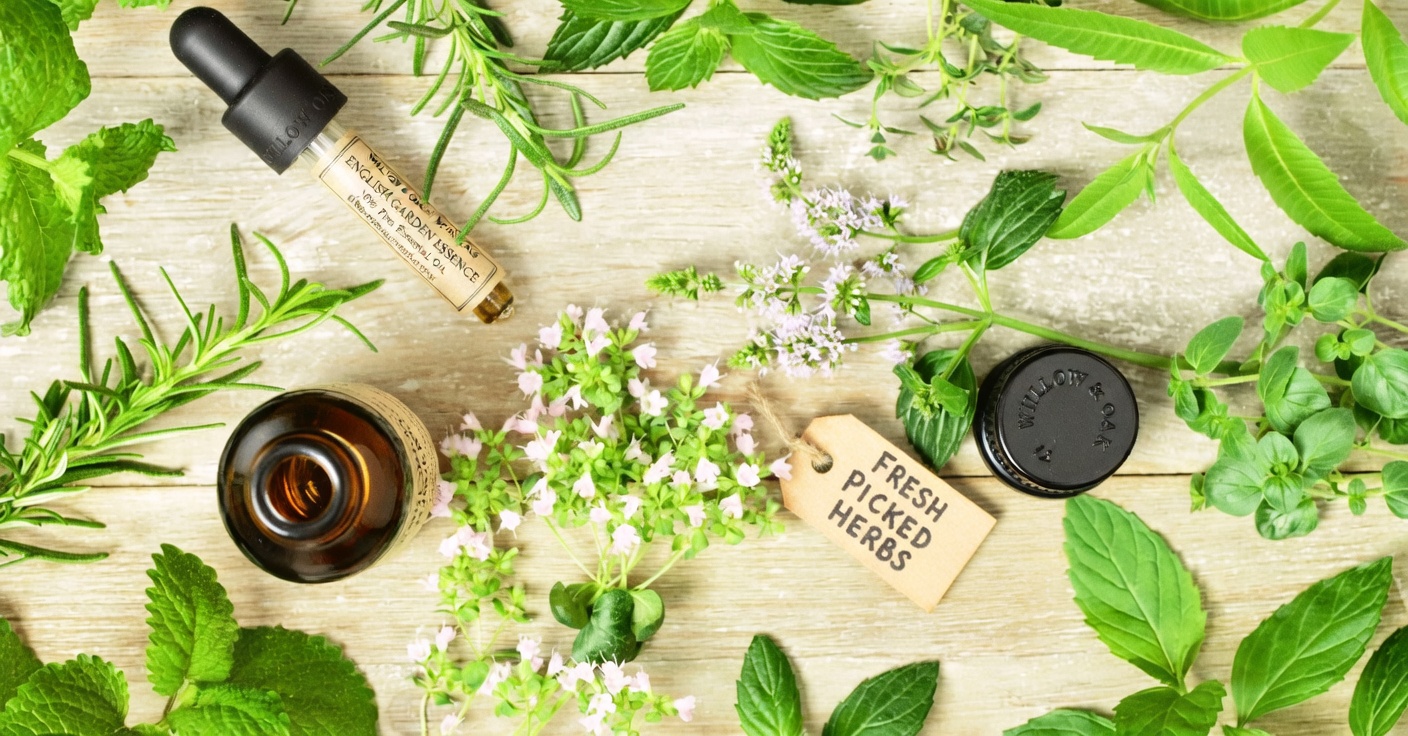
1. Tea Tree Oil: A Popular Natural Option for Fungal Infections
The constant itching and irritation from fungal infections can be distracting and embarrassing. Among home remedies for fungal infections, tea tree oil is one of the most widely used essential oils because research suggests it may have properties that help support skin facing fungal challenges.
To explore this remedy, always dilute tea tree oil in a carrier oil (such as coconut, jojoba, or almond oil) before applying it to the skin. Perform a small patch test first to check for sensitivity or irritation.
- Suggested use:
- Mix a few drops of tea tree oil into a tablespoon of carrier oil.
- Apply a thin layer to clean, dry skin.
- Use consistently as part of your broader routine for fungal infections.
Many people dealing with flakiness and itching find this diluted approach more comfortable than using undiluted essential oils directly on the skin.
2. Apple Cider Vinegar: Supporting Skin pH in Fungal Infections
Apple cider vinegar (ACV) is another common choice in home remedies for fungal infections. Its natural acidity (mainly from acetic acid) may help create a skin surface environment that is less welcoming to fungal overgrowth.
It is often used on areas prone to fungal infections, such as the feet or skin folds, but must always be diluted to reduce the risk of irritation.
- Simple ACV soak:
- Mix equal parts raw apple cider vinegar and water.
- Soak the affected area for about 10–15 minutes.
- Rinse thoroughly with clean water.
- Pat completely dry, especially between toes or in skin creases.
This method is relatively inexpensive, easy to incorporate into a regular routine, and often paired with other home remedies for fungal infections to support overall comfort.

3. Garlic: Traditional Support in Home Remedies for Fungal Infections
Garlic has long been used in traditional wellness practices. It contains sulfur-based compounds that have attracted scientific interest for their potential supportive effects against various microbes, including fungi.
Garlic can be used both in the diet and, with caution, on the skin as part of home remedies for fungal infections.
-
Internal support:
- Add fresh garlic to meals regularly.
- Use it alongside a balanced diet to support general immune and skin health.
-
Topical exploration (use cautiously):
- Lightly crush fresh garlic to release its active compounds.
- Mix a small amount with a carrier oil.
- Apply only to a small test area first and watch for burning or irritation.
Because garlic has a strong odor and can be quite potent on the skin, it should always be used carefully and never left on for long if irritation develops.
4. Coconut Oil: Moisturizing Barrier Support for Fungal Infections
Coconut oil is frequently mentioned in home remedies for fungal infections due to its medium-chain fatty acids and moisturizing properties. It can help nourish dry, irritated skin while offering a protective barrier.
For those dealing with dryness and discomfort from fungal infections, coconut oil may be used as a gentle, daily moisturizer.
- How to use coconut oil:
- Warm a small amount between your hands if solid.
- Apply a thin, even layer to clean, dry skin.
- Use 2–3 times a day, or as needed, to maintain comfort.
Some people combine coconut oil with small amounts of other diluted essential oils (such as tea tree) for a customized home remedy for fungal infections, always testing for sensitivity first.

5. Baking Soda: Helping Absorb Moisture in Fungal Infections
Fungi thrive in damp environments, which is why baking soda (sodium bicarbonate) sometimes appears in home remedies for fungal infections. Its ability to absorb moisture can help keep certain areas drier and less hospitable to fungal growth.
It is often used on the feet or in skin folds where sweat tends to accumulate.
- Simple baking soda paste:
- Mix baking soda with a small amount of water to form a spreadable paste.
- Apply to the affected area for about 5–10 minutes.
- Rinse thoroughly.
- Pat completely dry, ensuring no moisture remains in folds or between toes.
Baking soda is low-cost and accessible, making it a convenient addition to a broader strategy for managing discomfort from fungal infections.
6. Oregano Oil: A Strong Essential Oil for Advanced Home Remedies
Among essential oils used in home remedies for fungal infections, oregano oil is considered one of the most potent. It contains carvacrol, a compound studied for strong antimicrobial activity.
Because of its intensity, oregano oil must be used with extreme care to avoid burning or irritation.
- Safe use guidelines:
- Always heavily dilute oregano oil with a carrier oil.
- Example: Add 1–2 drops of oregano oil to at least a tablespoon of carrier oil.
- Apply only a very small amount to a test area first.
- Discontinue use if redness, burning, or discomfort occurs.
Oregano oil can be a powerful component of home remedies for fungal infections, but it requires respect and careful handling.
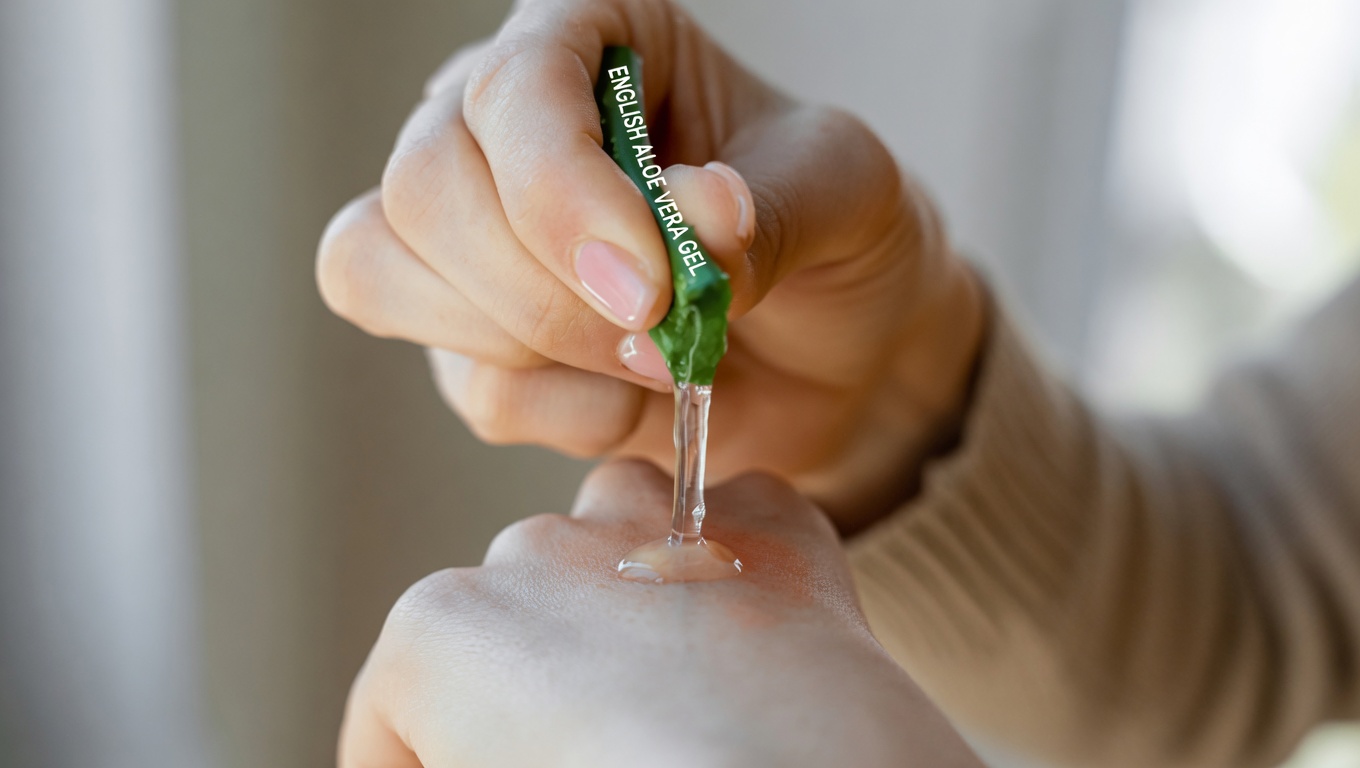
7. Aloe Vera Gel: Cooling Relief for Irritated Skin
Aloe vera gel is well known for its soothing, cooling sensation and is often included in home remedies for fungal infections to help calm irritated, sensitive skin.
Its hydrating and calming qualities can offer relief from burning or itching while supporting the skin’s natural recovery processes.
- How to use aloe vera:
- Use fresh gel from the plant or a pure, additive-free aloe vera product.
- Apply directly to clean skin over affected areas.
- Allow it to absorb and reapply as needed throughout the day.
Many people appreciate how gentle aloe vera feels when used regularly alongside other strategies for managing fungal infections.
8. Probiotics: Supporting Internal Balance Against Fungal Infections
Home remedies for fungal infections are not limited to topical care. Probiotics—beneficial bacteria that support gut health—are increasingly recognized as part of a more holistic approach.
A balanced microbiome may help the body maintain better control over yeast and fungal levels from the inside out.
- Ways to include probiotics:
- Eat yogurt with live and active cultures.
- Incorporate fermented foods such as kimchi, kefir, sauerkraut, or miso.
- Consider high-quality probiotic supplements, following label directions or professional guidance.
This internal support can complement topical home remedies for fungal infections and contribute to overall health.
9. Turmeric: Traditional Calming Support for Fungal-Prone Skin
Turmeric, particularly its active compound curcumin, has been studied for anti-inflammatory and skin-supportive properties. In traditional practices, it appears in some home remedies for fungal infections to help soothe redness and irritation.
Used topically, turmeric is often combined with other ingredients to form a paste.
- Simple turmeric paste:
- Mix turmeric powder with a carrier such as coconut oil, olive oil, or honey.
- Apply a thin layer to the affected area.
- Leave on for a short period, then rinse gently.
- Be aware that turmeric can temporarily stain skin and fabrics.
When used thoughtfully, turmeric can be another natural option in a broader toolkit for managing the discomfort of fungal infections.

Quick Comparison of Common Home Remedies for Fungal Infections
| Remedy | Potential Benefit | Typical Use Method | Key Caution |
|---|---|---|---|
| Tea Tree Oil | May support antifungal activity | Diluted topical application | Always dilute; perform a patch test first |
| Apple Cider Vinegar | Helps support skin pH balance | Diluted soaks or compresses | Must be diluted to avoid stinging or burns |
| Coconut Oil | Moisturizing protective barrier | Direct application to skin | Choose high-quality, virgin coconut oil |
| Aloe Vera | Cooling and soothing for irritation | Gel applied to clean skin | Use pure aloe; avoid added fragrances or dyes |
This overview highlights key points to consider when choosing which home remedies for fungal infections might best fit your needs and sensitivities.
Prevention Tips to Use Alongside Home Remedies for Fungal Infections
Home remedies for fungal infections are most effective when combined with consistent, practical daily habits that reduce moisture and irritation. Consider the following supportive steps:
-
Keep skin dry and clean
- Gently cleanse affected areas and dry thoroughly, especially between toes and in skin folds.
- Use a clean towel and avoid rubbing too hard.
-
Choose breathable clothing
- Wear loose, breathable fabrics such as cotton or moisture-wicking materials.
- Avoid tight clothing that traps sweat against the skin.
-
Change socks and underwear regularly
- Change out of damp socks or workout clothes as soon as possible.
- Opt for socks that help keep feet dry.
-
Use personal items individually
- Avoid sharing towels, socks, shoes, or razors to reduce the spread of fungi.
-
Seek medical advice when needed
- If symptoms worsen, spread, or do not improve with home care, consult a healthcare professional.
- Prescription antifungal treatments may be necessary in more severe or persistent cases.
By combining thoughtful hygiene practices with carefully chosen home remedies for fungal infections, many people find greater comfort and support in managing itching, redness, and irritation over time.