Subtle Foot Clues That May Reflect Liver Health
Concerns about liver function do not always show up as obvious digestive trouble. More often, they appear as quiet shifts in daily comfort: feeling worn out by evening, noticing that your feet ache longer than they used to, or realizing simple tasks feel oddly tiring.
Many people over 40 simply label these changes as “getting older,” yet still wonder why day‑to‑day activities feel heavier. Paying attention to possible liver‑related signs in your feet offers a gentle, noninvasive way to stay more aware of your overall wellness. In this guide, you will find 12 possible foot clues to watch for, along with easy, practical steps to build body awareness.
Why Foot Signs Linked to Liver Health Deserve Attention
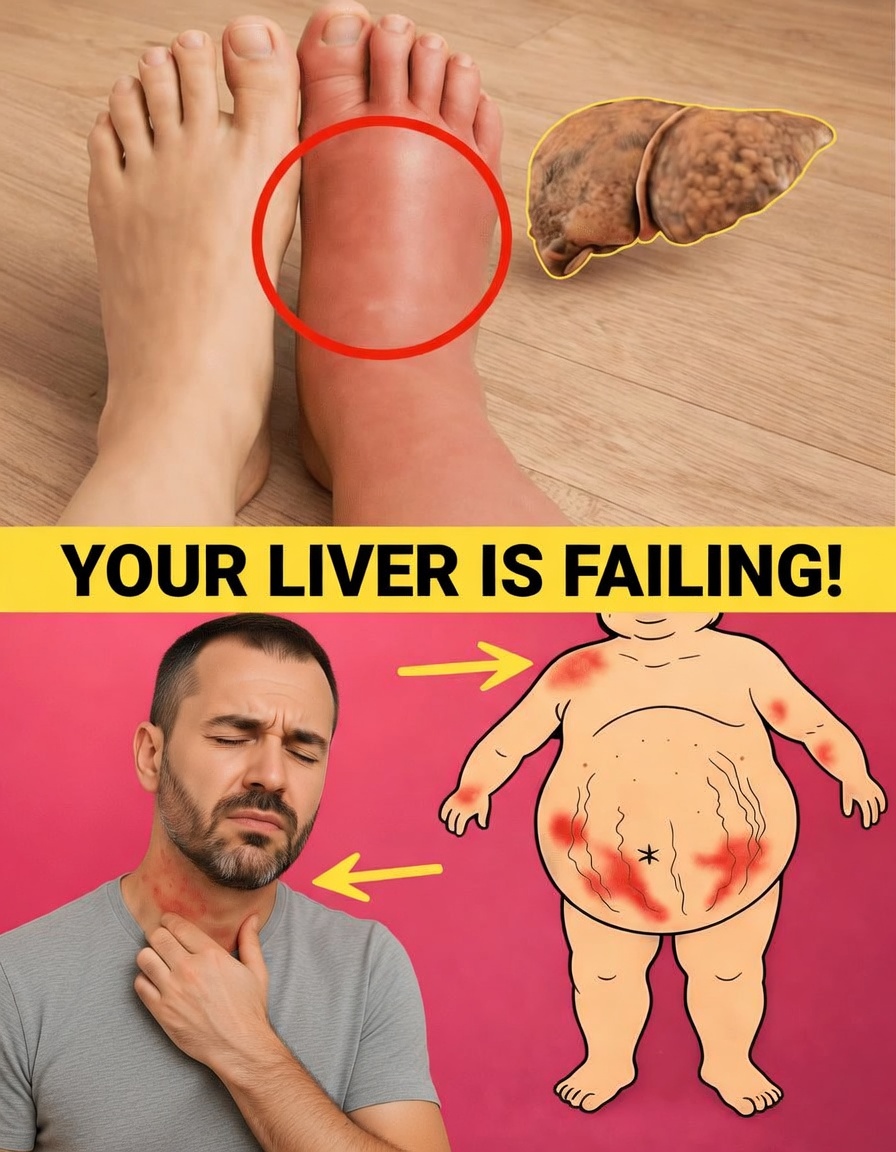
When liver function is under strain, early warning signs can sometimes surface in your feet before more obvious symptoms appear. Research suggests that certain changes in the feet may relate to how the body manages fluids, circulation, nutrients, and natural waste products.
These potential “foot signs of liver health concerns” focus on simple visual checks and sensations you can notice at home—no special equipment required. Each sign offers a small clue that can also encourage healthier habits, better self‑care, and more informed conversations with your healthcare provider.
1. Swelling in Ankles and Feet
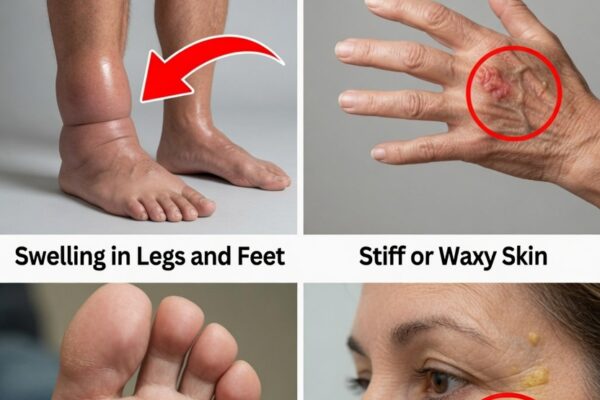
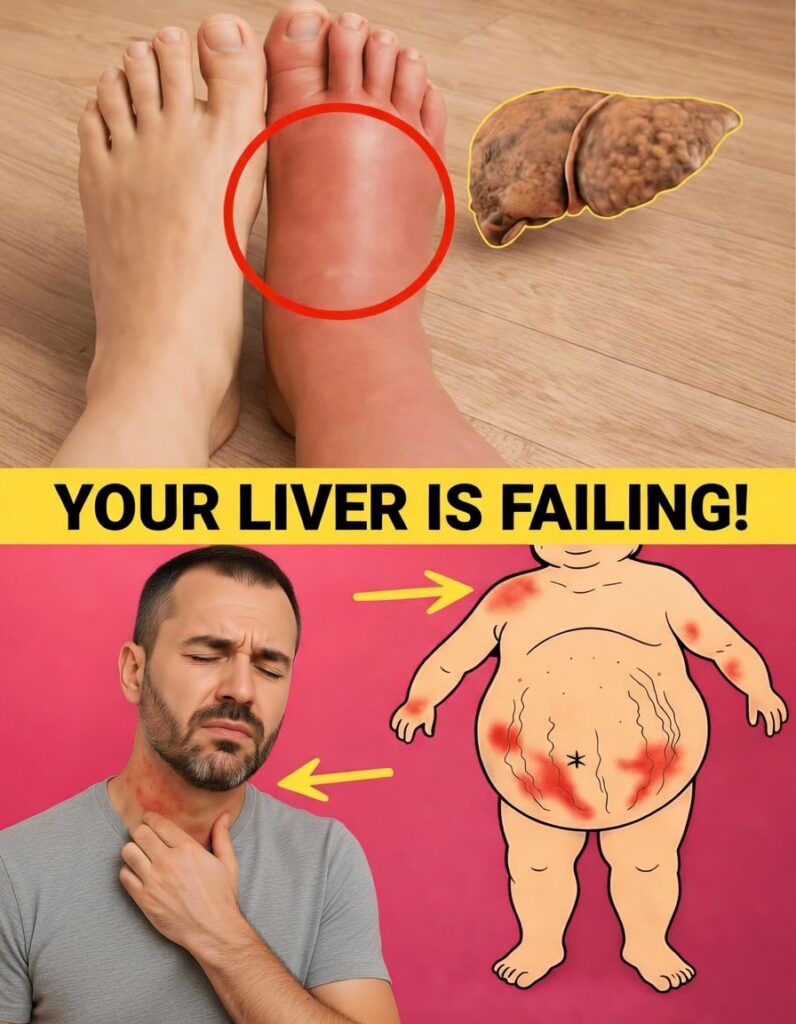
If liver health is not optimal, one of the earliest changes you might see is swelling around the ankles and feet. Shoes that fit fine in the morning may feel snug or tight by late afternoon or evening.
Many people also notice sock marks or impressions after sitting for long periods. This kind of puffiness is often related to fluid balance in the body. Simple measures—like elevating your feet when resting—can sometimes ease this discomfort while you track changes over time.
2. Yellowish Skin or Toenails
When the liver has difficulty processing and clearing certain pigments, a faint yellowish tint can appear in the toenails or on the soles of the feet.
This change is usually subtle and easiest to see in natural or bright light. While lighting and skin tone can affect how noticeable it is, paying attention to gradual color shifts can help you spot patterns and share them with your doctor if they persist.
3. Persistent Itching on the Soles
Ongoing itchiness on the bottoms of the feet—especially at night—can sometimes be associated with how the body handles certain natural compounds when liver function is under strain.
Many people try moisturizing creams or lotions with only short‑term relief. If itching on the soles becomes a regular nighttime visitor, it may be worth noting how often it appears, how intense it feels, and whether it improves with lifestyle changes or medical guidance.
4. Tingling or Numbness in the Feet
Unusual sensations, such as tingling, pins‑and‑needles, or mild numbness in the toes, can occasionally be linked to nerve comfort and nutrient processing in the body.
You may notice it more when you are resting, lying in bed, or sitting with your feet up. A simple “toe wiggle check” can help you compare sensations from day to day and see if the feeling is getting better, worse, or staying the same.
5. Burning Sensation in the Feet
A warm or mildly burning feeling in the soles—especially after walking or standing—can sometimes be more than just “tired feet.”
People often blame footwear at first, then realize the burning sensation is still there even when barefoot. Some research suggests that changes in how the body handles waste products and circulation may play a role. Cooling foot soaks or breathable shoes may help you stay more comfortable while you monitor this sign.
6. Red or Blotchy Soles
If the soles of your feet look unusually red or mottled, and feel warm to the touch, it may reflect changes in blood vessel behavior and circulation.
These color shifts can become more obvious after standing or walking for longer periods. Choosing loose, comfortable footwear and taking short sitting breaks can ease pressure and help you keep track of how often the redness appears.
7. Frequent Fungal Infections
Recurring fungal problems—such as athlete’s foot or nail fungus that keeps returning despite treatment—may hint at broader immune and skin‑barrier challenges.
If you seem to battle the same fungal spots every month, it may indicate that your body’s defense systems are under added stress. Keeping your feet clean and dry, changing socks regularly, and using sandals in public showers are practical steps while you discuss patterns with your doctor.
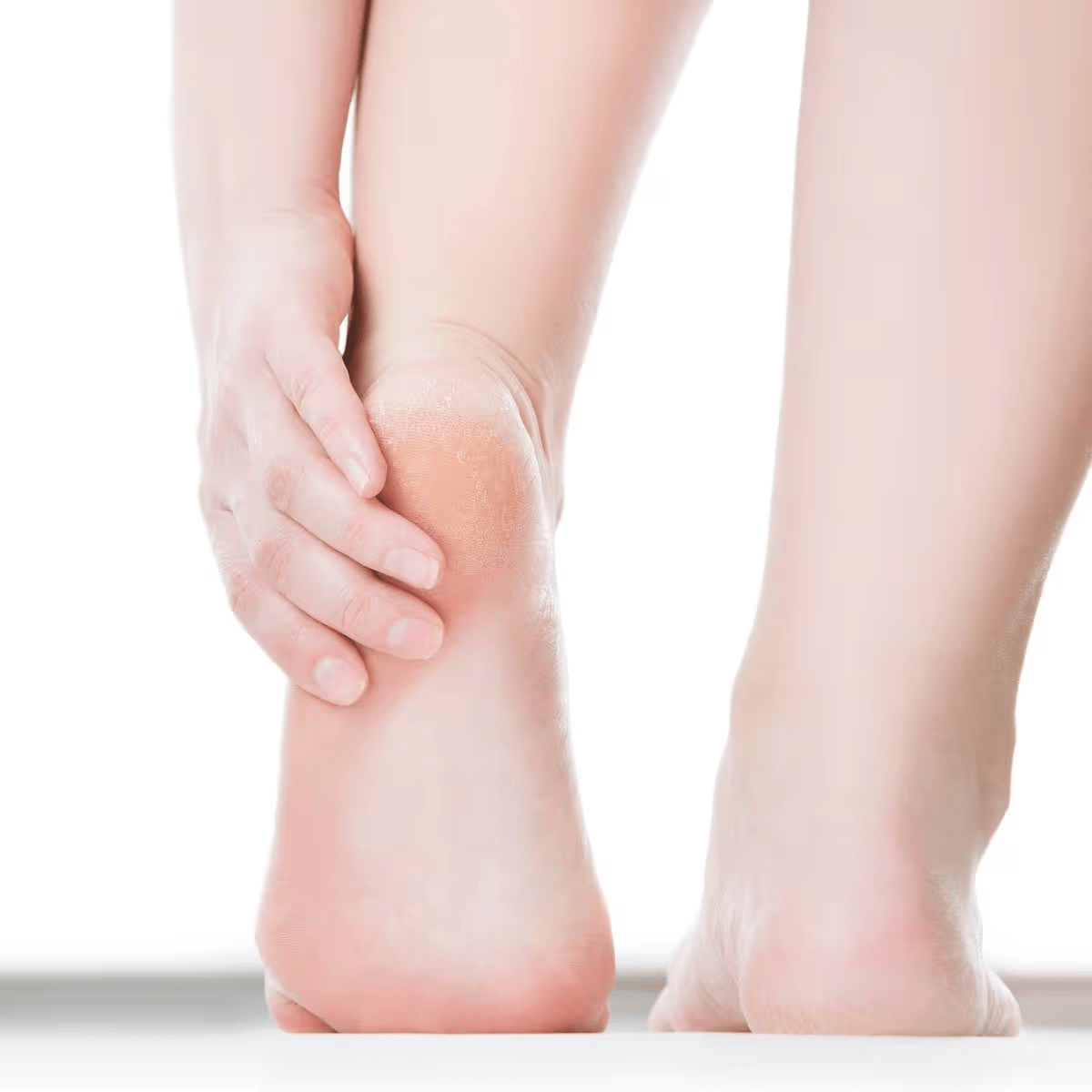
8. Cracked Heels and Very Dry Feet
Deeply cracked heels and persistently dry skin on the feet can sometimes be associated with circulation or nutrient delivery challenges.
When the skin around the heels splits easily and remains rough despite regular use of creams, it may be worth asking whether underlying issues—such as hydration, diet, or liver and metabolic health—could be involved. Gentle exfoliation and consistent moisturizing are helpful, but tracking whether the cracking improves or worsens is equally important.
9. Unusual Foot Fatigue
If short walks start to leave your feet feeling unusually heavy or worn out, this may signal that your tissues are not receiving optimal oxygen or energy support.
People often describe the sensation as if they are walking through sand or dragging their feet by late afternoon. Pacing your activities, resting when needed, and noting when fatigue shows up during the day can help you discuss these changes more clearly with a healthcare professional.
10. Joint Pain in Toes and Ankles
Mild stiffness, aching, or soreness in the toe and ankle joints—especially after rest—can sometimes be connected to everyday inflammation and metabolic function.
Because these aches can resemble typical “wear and tear,” many people simply assume it is due to aging. Regular gentle stretching, range‑of‑motion exercises, and warm foot soaks may ease symptoms while you track how often they occur.
11. Brittle or Curved Toenails
Toenails that break easily, chip frequently, or begin to curve or change shape may reflect shifts in nutrient balance, circulation, or long‑term stress on the body.
If pressing on a toenail leaves a dent that lingers longer than usual, or if nails seem thinner or more fragile, it is worth noting these changes. Simple nail care—trimming straight across, avoiding harsh chemicals, and protecting nails from trauma—pairs well with monitoring your overall health.
12. Easy Bruising on Feet or Ankles
Bruises that appear from very minor bumps, or marks on the feet and ankles that take a long time to fade, may be connected to how the body supports natural clotting processes.
If you find new bruises without remembering a clear injury, or if small knocks leave large marks, record how often this happens and how long each bruise lasts. This information can be very useful during medical appointments.

Quick Comparison: Foot Signs and Possible Liver Links
Use this overview as a simple reference while you observe changes in your feet.
| Foot sign | Possible link to liver health concerns | Easiest time to notice |
|---|---|---|
| Swelling in ankles and feet | Fluid balance and circulation | Evening, when shoes or socks feel tighter |
| Yellowish skin or toenails | Pigment processing and waste handling | In bright or natural light |
| Persistent itching on soles | Buildup of natural body compounds | At night, when relaxing or trying to sleep |
| Tingling or numbness | Nerve comfort and nutrient support | During rest; toe‑wiggle comparison |
| Burning sensation in feet | Circulation and toxin management | After activity, when barefoot or in light shoes |
| Red or blotchy soles | Blood vessel relaxation and blood flow | After standing or walking for a while |
| Frequent fungal infections | Immune balance and skin barrier resilience | During monthly nail and skin checks |
| Cracked heels and dry feet | Skin hydration and nutrient delivery | After showering, when drying your feet |
| Unusual foot fatigue | Oxygen and energy support for tissues | By afternoon or evening walks |
| Joint pain in toes and ankles | Everyday inflammation and metabolic stress | After periods of sitting or first thing in morning |
| Brittle or curved toenails | Nutrient and mineral balance | During regular nail trimming |
| Easy bruising on feet or ankles | Natural clotting and vessel stability | When small bumps leave lasting marks |
These foot‑related clues are not diagnoses, but they can highlight patterns worth sharing with a healthcare provider.
A Simple Timeline to Build Awareness
You can gradually make foot checks part of your routine without feeling overwhelmed:
- Days 1–7: Choose one or two signs to focus on each evening. Spend a few minutes looking at your feet and noting how they feel.
- Weeks 2–3: Start rating what you notice on a simple 1–10 scale (for example, 1 = very mild, 10 = very intense).
- Month 1 and beyond: Look for trends. Are certain signs improving, worsening, or appearing more often? Bring these notes to your medical appointments for more informed discussions.
With steady, low‑pressure observation, these daily checks become an easy self‑care habit rather than a chore.
FAQ About Foot Signs and Liver Health Concerns
Can foot signs of liver health concerns replace medical visits?
No. These observations are meant to support awareness, not to diagnose or replace professional care. Only a qualified healthcare provider can evaluate liver function and overall health using appropriate tests and examinations.
How often should I look for these foot signs?
Starting with a daily evening check is a practical approach. Over time, you can adjust how often you check based on your comfort level and guidance from your doctor, especially if you are following specific advice about fluids, diet, or medications.
Are these foot signs common in everyone?
Many adults experience mild versions of some of these signs at various points in life. However, if you notice repeated patterns, symptoms that are getting worse, or if you have other health conditions, it is important to discuss them with a healthcare professional so they can be interpreted in the context of your overall health.
Moving Forward With Gentle, Informed Awareness
You have explored 12 practical ways your feet may hint at liver health concerns—and how simple daily observations can support your overall wellness awareness.
By paying attention to small changes, taking notes, and staying consistent with easy foot checks, you can stay more in tune with your body in a calm, enjoyable way. Save this guide, revisit it from time to time, and let your feet serve as quiet messengers, helping you seek the care and support you need when it matters most.