

Amlodipine Side Effects: 12 Common Reactions and How to Manage Them
If you take amlodipine for high blood pressure or chest pain, the goal is simple: better control and a more comfortable daily life. But for some people, the medication comes with annoying effects such as ankle swelling, tight shoes, or dizzy spells that make everyday movement feel less steady. These changes can be discouraging and may leave you questioning whether the treatment is helping or creating new problems.
The reason this happens is tied to how amlodipine works. It relaxes blood vessels, which improves blood flow, but that same effect can also trigger certain physical changes. In most cases, these side effects are mild rather than dangerous. The good news is that once you understand why they happen, it becomes much easier to respond calmly and manage them well. Later in this article, you’ll also learn one simple daily routine that many people say helps more than expected.
Why Amlodipine May Cause Side Effects
Amlodipine is part of a medication group known as calcium channel blockers. Its main job is to relax the muscles in the walls of your blood vessels, allowing blood to move through more easily. While this action helps lower blood pressure and reduce chest pain, it can also lead to fluid shifts and other body adjustments that show up as side effects.
Medical sources such as the Mayo Clinic and Drugs.com report that these reactions are often linked to dosage. They may be more noticeable when you first begin taking amlodipine or after the dose is increased. In many cases, they improve as your body adapts. Knowing that these effects are relatively common can help you stay consistent with treatment while keeping your doctor informed.
The 12 Most Common Amlodipine Side Effects
Below are the side effects most frequently mentioned in patient reports and clinical data. Not everyone experiences them, and many become less bothersome over time.
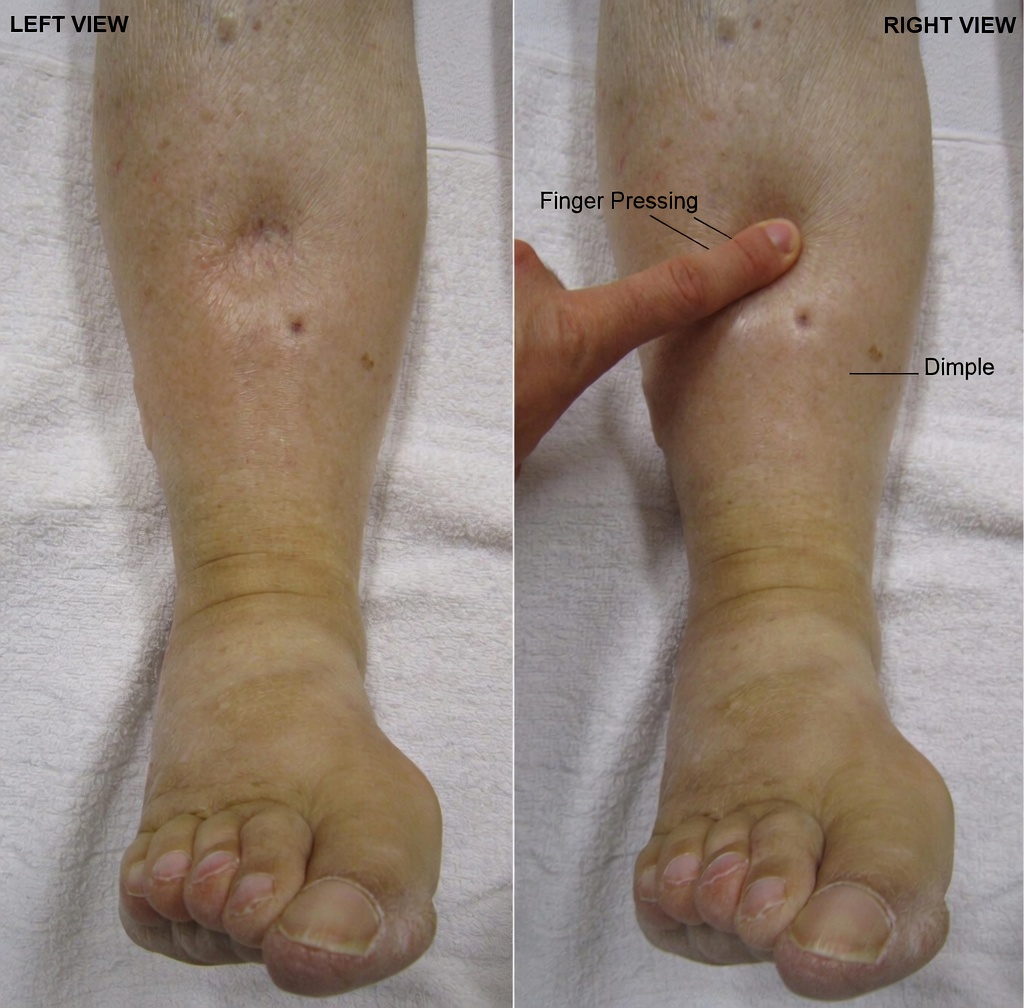
1. Swollen Ankles, Feet, or Lower Legs
Also called peripheral edema, this is one of the best-known side effects of amlodipine. Clinical data suggest it may affect around 10% to 15% of users. Your ankles or legs may appear puffy or feel unusually heavy, especially later in the day.
2. Headaches
Headaches are common when starting the medication. They are usually mild and are thought to result from changes in blood vessel widening and circulation. For many people, they improve within the first week or two.
3. Dizziness or Lightheadedness
Some people feel unsteady, especially when standing up quickly. This can happen because blood pressure falls slightly as blood vessels relax.
4. Flushing or a Sudden Feeling of Warmth
A warm sensation in the face, neck, or chest may come and go. Some people also notice visible redness. This happens because the blood vessels widen.
5. Fatigue
Even with enough rest, you may feel more tired than usual during the day. This is often part of the body’s adjustment to changes in blood flow.
6. Palpitations
A pounding, fluttering, or racing heartbeat can occur in some people. Although it is often harmless, it can still feel unsettling.
7. Nausea or Mild Stomach Upset
Amlodipine can occasionally cause queasiness, mild stomach pain, or digestive discomfort. Some people notice this more when taking the medicine without food.
8. Swollen or Tender Gums
This side effect is less widely known, but calcium channel blockers can sometimes contribute to mild gum enlargement or gum sensitivity. Good oral hygiene can make a difference.
9. Muscle Cramps or Muscle Aches
Some users report leg cramps, stiffness, or general muscle discomfort while taking amlodipine.
10. Rash or Itching
A small number of people develop mild skin irritation, such as itching or a light rash. These symptoms often resolve on their own.
11. Drowsiness
Feeling unusually sleepy during the day is another effect reported by some users, particularly in the early stages of treatment.
12. Tingling or Minor Vision Changes
Less commonly, people may notice pins-and-needles sensations in the hands or feet, or temporary blurred vision.
Why the Full Picture Matters
These side effects can sound concerning, but many are manageable and may fade as your body gets used to the medication. In some cases, small adjustments to your routine can make a noticeable difference in comfort.
Everyday Habits That May Help You Feel Better
Research and clinical experience suggest that simple daily habits can support your body while you continue taking amlodipine as prescribed. Consider these practical steps:
- Raise your legs for 15 to 20 minutes several times a day if swelling is bothering you.
- Stay well hydrated and reduce salty snacks to help support fluid balance.
- Get up slowly after sitting or lying down to reduce dizziness.
- Keep moving gently with short walks or light activity to promote circulation.
- Track your symptoms in a notebook or phone so you can discuss patterns clearly with your doctor.
- Protect your gums by brushing gently twice daily and keeping up with dental visits.
One daily habit often surprises people: taking amlodipine at the same time every evening, if your doctor agrees, may help reduce daytime dizziness in some cases. The idea is that the medication’s strongest effects happen while you are asleep, which may make daytime symptoms less noticeable. It is a small change, but for some people it improves daily comfort.

When to Contact Your Doctor
Most amlodipine side effects are mild, but some symptoms should never be ignored. Contact your healthcare provider promptly if you experience:
- Rapidly worsening swelling
- Chest pain
- Fainting
- Trouble breathing
- Swelling of the face or throat
Your doctor may decide that you need a dose change, a different medication, or further evaluation. Do not stop taking amlodipine on your own, since stopping suddenly can cause blood pressure to rise again.
Key Takeaway
Amlodipine helps millions of people manage blood pressure and chest discomfort, but understanding its most common side effects can make treatment less stressful. Reactions such as ankle swelling, dizziness, headache, or flushing are well recognized in medical literature and often become easier to handle over time. The best approach is to stay informed, pay attention to how you feel, and keep an open conversation with your doctor.
FAQ
How long do amlodipine side effects usually last?
Many mild side effects, including headache, flushing, and dizziness, often improve within one to two weeks as your body adjusts. Swelling may last longer in some people, but supportive lifestyle measures can help.
Can lifestyle habits really reduce swelling and other side effects?
Yes. Healthcare professionals commonly recommend steps such as leg elevation, hydration, lower salt intake, and gentle movement to make daily symptoms more manageable while continuing the medication.
Is dizziness normal when starting amlodipine?
Yes, dizziness is fairly common at the beginning, especially when changing positions quickly. It often settles with time, but you should tell your doctor if it is severe or does not improve.
Important Note
This article is for informational purposes only and does not replace professional medical advice. Always speak with your healthcare provider about concerns related to your medication, symptoms, or treatment plan. Individual responses to amlodipine can vary.