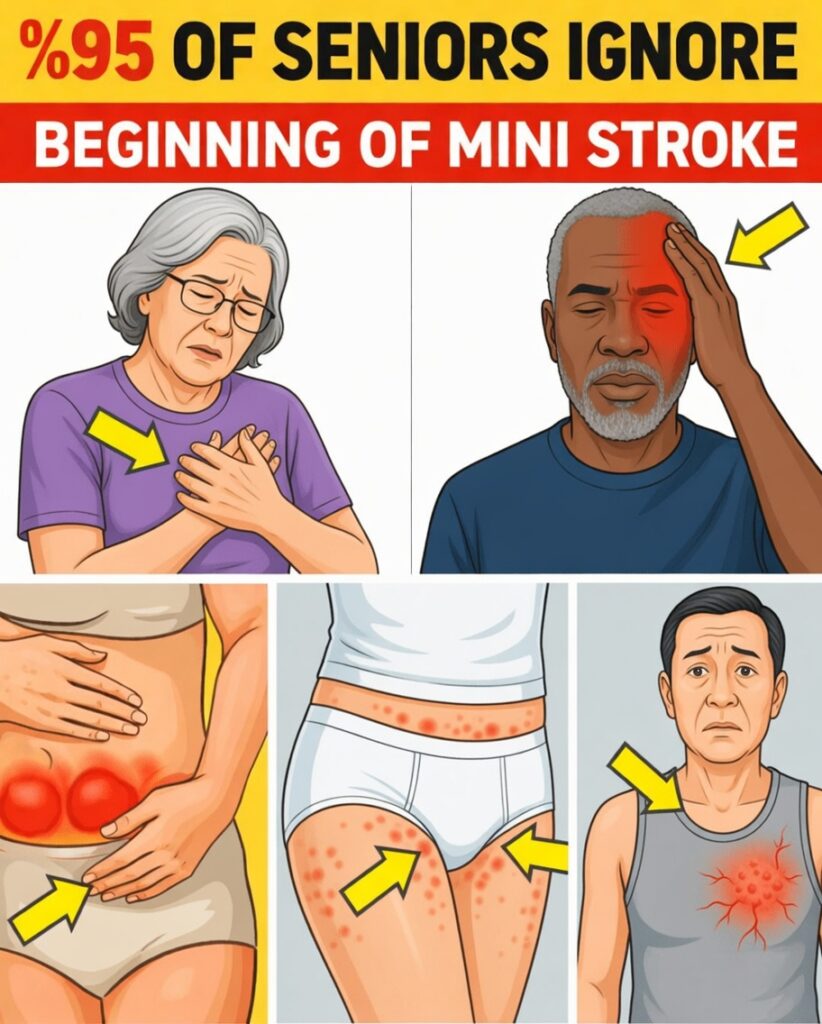
Silent Mini Stroke Symptoms After 60: 10 Signs You Should Never Ignore
Many people over 60 notice odd, short-lived sensations during everyday life—a heavy arm while sipping morning coffee, sudden unsteadiness while walking, or a brief spell of blurry vision that disappears within minutes. These episodes are often dismissed as “just getting older,” yet they can quietly fuel stress about losing independence and worry loved ones who sense something is wrong.
In some cases, these fleeting changes are not simply age-related. They may be silent mini stroke symptoms, subtle warning signs that the brain is not getting enough blood for a short period of time. Because these symptoms come and go so quickly, they are easy to overlook—yet they can signal a higher risk of a future, more serious stroke.
Recognizing silent mini stroke symptoms early gives you the chance to seek medical evaluation promptly and protect your long-term health. Below are 10 commonly missed signs, including the especially surprising symptom at #4 that many people never connect with a mini stroke.
Why Silent Mini Stroke Symptoms Matter So Much After 60
As we age, blood vessels can stiffen or narrow, increasing the chances of brief interruptions in blood flow to the brain. These short episodes are often called transient ischemic attacks (TIAs), sometimes referred to as “mini strokes.” Unlike a major stroke, TIAs do not typically cause permanent damage right away—but they are a serious red flag.
During a TIA, the blood supply to part of the brain is reduced for a few minutes, leading to sudden changes in vision, speech, balance, or strength. Because the symptoms usually disappear quickly, many people assume everything is fine and never mention them to a doctor.
However, research from major medical centers such as the Mayo Clinic has shown that having a TIA significantly increases the likelihood of a full stroke in the days, weeks, or months that follow. Experts from organizations like the American Stroke Association urge people—especially those over 60—to treat these events as medical emergencies.
Acting quickly when silent mini stroke symptoms appear can:
- Reduce the risk of a future, disabling stroke
- Help identify and treat underlying problems like high blood pressure, atrial fibrillation, or carotid artery disease
- Protect your independence, mobility, and quality of life

10 Overlooked Silent Mini Stroke Symptoms
Silent mini stroke symptoms can be subtle, brief, and easy to brush off as normal aging. If you are over 60, pay close attention to the following 10 signs. Any of these symptoms—especially if they start suddenly, affect only one side of the body, or are new for you—deserve prompt medical attention.
Each symptom below is worth discussing with your healthcare provider to better understand your personal risk and to reduce anxiety about what might lie ahead.
10. Sudden, Unexplained Dizziness or Vertigo
Imagine standing up from your chair on a calm morning and suddenly feeling as if the room is spinning or tilting. This abrupt dizziness or sensation that you or the environment is moving (vertigo) is often blamed on inner ear issues, low blood sugar, or dehydration—especially in older adults.
Yet in some cases, sudden dizziness can be a silent mini stroke symptom related to reduced blood flow to areas of the brain that control balance. For people over 60, this can be particularly concerning because:
- It may increase fear of falling and losing independence
- It can be misattributed to “just getting older” or “standing up too fast”
- It often disappears quickly, so many never seek evaluation
If dizziness or vertigo starts out of the blue, feels different from your usual spells, or is accompanied by other changes—such as trouble speaking or seeing—do not ignore it.
9. Brief Loss of Balance or Coordination
You reach for a cup and your hand suddenly misses the mark, or you feel as if you are walking on a moving surface for a few seconds. These short-lived coordination problems are easy to laugh off as clumsiness, but they can be another silent mini stroke warning sign.
The National Institute on Aging notes that changes in balance and coordination can result from disruptions in the brain’s movement and sensory pathways. In the context of a TIA, you might notice:
- Momentary stumbling or veering to one side
- Difficulty performing simple tasks that require coordination
- A feeling that your legs are not responding correctly
Because these episodes pass quickly, many people simply shrug them off. Repeated incidents, however, may indicate a problem with brain circulation and should be discussed with a healthcare professional.

8. Short Episodes of Confusion or Mental Fog
You are in the middle of a conversation and suddenly lose track of what you were saying, or for a brief moment you feel disoriented in a familiar place. While occasional “senior moments” are common, sudden and noticeable confusion can be a silent mini stroke symptom.
This can appear as:
- Difficulty following a conversation for a short time
- Trouble understanding simple instructions that would usually be easy
- A brief spell of not knowing where you are or what you were doing
These episodes often raise fears about dementia or memory loss. In some cases, however, they can signal a temporary disruption of blood flow to brain regions responsible for thinking and memory. Keep track of when and how often these events occur and mention them to your doctor.
7. Sudden, Unexplained Fatigue or Extreme Tiredness
A powerful wave of exhaustion that hits without warning—despite a good night’s sleep—can be unsettling. When this type of fatigue appears abruptly and has no obvious cause, it may be related to a brief change in blood flow to the brain.
People over 60 frequently blame this kind of tiredness on:
- Natural aging
- Medication side effects
- Stress or a busy day
However, when fatigue begins suddenly, feels unusually intense, or is accompanied by other neurological symptoms (such as weakness, numbness, or vision changes), it can be a silent mini stroke symptom. Paying attention to these patterns helps you spot changes that are out of the ordinary for you.
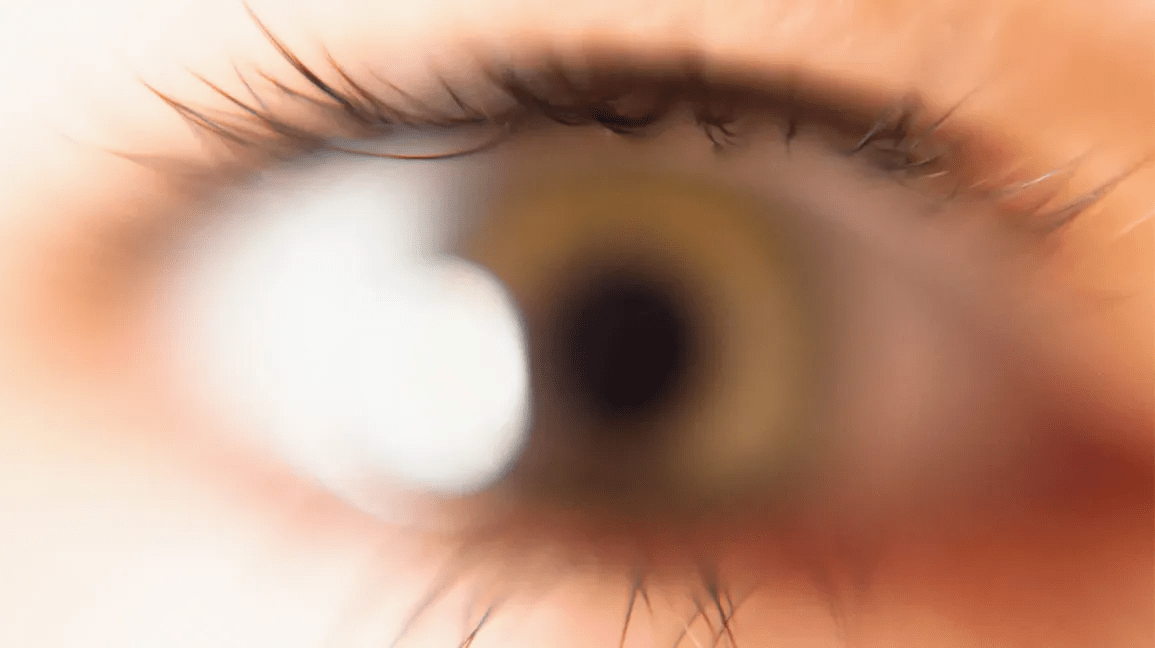
6. Short-Lived Vision Changes, Such as Blurriness or Double Vision
You might be reading, watching television, or driving when your vision suddenly becomes blurry, dim, or doubled in one or both eyes. Then, just as quickly as it started, your sight returns to normal. These visual disturbances are often dismissed as eye strain, dry eyes, or a need for new glasses.
The Mayo Clinic and other stroke experts highlight sudden visual changes as key TIA symptoms, particularly when they:
- Occur in only one eye
- Create a “curtain” or shade coming down over part of your field of vision
- Cause double vision that disappears within minutes
Because they resolve so quickly, many older adults ignore these episodes, even while feeling uneasy about driving or caring for grandchildren. Any abrupt change in vision—especially if new—should be taken seriously.
5. Numbness or Tingling That Comes and Goes on One Side
A sudden sensation of pins and needles, numbness, or loss of feeling in your face, arm, or leg—typically on one side of the body—is a classic silent mini stroke symptom. It may last only a few minutes and then vanish, making it easy to dismiss.
Common explanations people give themselves include:
- “My leg fell asleep.”
- “I must have pinched a nerve.”
- “It’s just poor circulation.”
The American Stroke Association emphasizes that sudden, one-sided numbness or weakness is a major warning sign of both TIAs and full strokes. If these sensations recur or appear along with other symptoms such as facial droop or speech changes, seek immediate medical attention.
4. Mild Speech Slurring or Difficulty Finding Words
(The Most Commonly Missed Silent Mini Stroke Symptom)
You know exactly what you want to say, but for a few seconds the words will not come out right. Maybe your speech sounds slightly slurred, or you use the wrong word and only realize it afterward. Because these moments are often subtle and embarrassing, many people brush them off and never mention them.
Yet even mild, short-lived problems with speech can signal a temporary disruption in blood flow to the language centers of the brain. This might look like:
- Slurred or “thick” speech for a few seconds or minutes
- Trouble getting words out, even though you know what you want to say
- Using the wrong word or mixing up simple phrases
Specialists warn that any sudden change in speech—even if it clears up quickly—should be treated as a possible stroke or TIA. Recording episodes on your phone or asking family members to note what they observe can help you and your doctor identify patterns early.

3. Sudden, Severe Headache With No Clear Cause
A “thunderclap” headache that hits suddenly and feels more intense than your usual headaches is another warning sign that many people underestimate. If you are over 60 and rarely have headaches, a new, severe one should always be taken seriously.
Silent mini stroke symptoms related to headache may include:
- A sudden, intense pain that peaks quickly
- No obvious trigger such as stress, dehydration, or injury
- Headache accompanied by other neurological changes (vision, speech, weakness)
Harvard Health and other medical sources describe new, unexplained headaches in later life as red flags. While high blood pressure and other conditions can cause headaches, it is important not to assume that is the only explanation, especially when other stroke-like symptoms are present.
2. Brief Facial Droop or Asymmetry
You glance in the mirror or talk with someone, and for a moment one side of your face looks different—perhaps your mouth droops slightly or your smile is uneven. Then everything appears normal again.
This kind of short-lived facial weakness is part of the classic stroke warning acronym FAST:
- Face drooping
- Arm weakness
- Speech difficulty
- Time to call emergency services
Facial droop during a TIA may last only a few minutes, which leads many people to think it was just fatigue or a momentary odd expression. However, its sudden onset and one-sided nature make it a key symptom of mini strokes. Even if it resolves quickly, it still indicates that part of the brain was not receiving enough blood for a short time.
1. Sudden Weakness in One Arm or Leg
The most critical and well-known silent mini stroke symptom is sudden weakness or heaviness in one arm, one leg, or both on the same side. You might notice:
- Difficulty lifting an arm or holding an object
- A leg that feels heavy, making it hard to walk or climb stairs
- A sensation that one side of your body is not responding normally
These changes may last only a few minutes, tempting you to ignore them once they pass. But transient weakness is a major warning sign that a full stroke could follow.
If you experience sudden one-sided weakness—especially if combined with facial droop or speech difficulties—treat it as an emergency. Do not wait to see if it improves. Call your local emergency number right away.

What to Do If You Notice Silent Mini Stroke Symptoms
If you suspect you or someone near you is having a TIA or stroke, act quickly:
- Call emergency services immediately. Do not drive yourself to the hospital if symptoms are active.
- Note the time symptoms began. This information helps doctors decide which treatments may be appropriate.
- Do not wait for symptoms to go away. Even if they improve, a TIA is a serious warning that a more dangerous stroke could occur.
For those over 60, bringing up any of the symptoms listed above with your healthcare provider—even if they happened days or weeks ago—can lead to important tests and treatments. Identifying silent mini stroke symptoms early can make the difference between maintaining an active, independent life and facing long-term disability.
Staying informed, paying attention to your body, and seeking timely care are powerful steps you can take to safeguard your brain health as you age.