Mini-Strokes After 60: The Subtle Warning Signs You Can’t Afford to Ignore
A transient ischemic attack (TIA), often called a mini-stroke, can appear out of nowhere and fade in minutes. For many adults over 60, that brief episode of confusion, weakness, or vision change leaves a lingering question: “Was that serious… or just getting older?”
Because these events are so short-lived, they are easy to dismiss as normal aging or a bad day. That can fuel anxiety about losing independence while early mini-stroke symptoms quietly go unnoticed. Recognizing these warning signs early, however, can be critical for protecting your brain, your health, and your everyday life as you age.
Stay with this guide as we walk through 10 commonly overlooked mini-stroke symptoms in people over 60—especially the one that often gets written off as a harmless “senior moment”—so you know when it’s time to seek medical help and safeguard your future.
Why Mini-Strokes Matter More Than They Seem
In your 60s and beyond, sudden tiredness, brief confusion, or a momentary lapse in focus can feel like an inevitable part of aging. Yet in many cases, these could actually be mini-stroke symptoms caused by a short-lived disruption in blood flow to the brain.
Research from groups such as the American Stroke Association shows that TIAs often last only a few minutes—sometimes under five—which is exactly why people tend to shrug them off. Once the symptoms disappear, it can feel like nothing serious happened.
The problem is that even brief interruptions in blood supply can cause subtle brain changes. Over time, repeated mini-stroke symptoms may add up, increasing the risk of:
- More serious strokes
- Mobility problems
- Declining memory and thinking skills
- Loss of independence in daily activities
If you have ever brushed off a strange dizzy spell, sudden numbness, or a moment of disorientation as “just age catching up,” you’re far from alone. Understanding mini-stroke symptoms is a powerful step toward staying in control of your health.
The 10 Silent Mini-Stroke Symptoms Most Adults Over 60 Overlook
Mini-stroke symptoms are often quiet, brief, and easy to confuse with common complaints of aging. That’s what makes these TIA signs so dangerous—they can slip by unnoticed until a more serious event occurs.
Let’s break down 10 frequently missed mini-stroke symptoms, and how each one might show up in your daily life.

Symptom #10: Sudden, Crushing Fatigue That Comes Out of Nowhere
You may be going about your usual routine when, without warning, an intense wave of exhaustion hits and forces you to sit or lie down. For many people over 60, this is blamed on poor sleep, stress, or simply “slowing down.”
However, episodes of abrupt, overwhelming fatigue can sometimes reflect a brief reduction in blood and oxygen flow to the brain. When this type of tiredness appears suddenly and feels different from your usual fatigue, it may be a mini-stroke symptom worth mentioning to a doctor.
Symptom #9: Short Spells of Staring Blankly or “Checking Out”
Another commonly overlooked TIA sign is a brief period where you seem to stare into space or “zone out” for a few seconds or minutes. You might snap back and not fully remember what happened, while family members assume you were daydreaming.
In older adults, these brief lapses in awareness can be related to temporary disruptions in brain areas responsible for attention and consciousness. If loved ones have commented that you’ve been “blanking out” more often, treat these episodes as potential mini-stroke symptoms, not just quirkier habits of aging.
Symptom #8: Sudden Confusion or Trouble Focusing
Your thinking may suddenly feel cloudy. You struggle to follow a conversation, lose track of what you were doing, or momentarily forget where you are. Unlike slow, gradual memory changes that come with age, this mental fog appears quickly and often clears just as fast.
Because families often attribute this to normal aging, these mini-stroke symptoms can easily be ignored. Still, any abrupt, unexplained confusion or concentration problems—especially if they come and go—should raise concern for a possible TIA.
Symptom #7: Temporary Numbness or Tingling on One Side of the Body
A brief pins-and-needles feeling or loss of sensation in your face, arm, or leg can be a classic mini-stroke symptom. Many people assume they “slept funny” or pinched a nerve.
But when numbness or tingling appears without clear cause and especially when it affects only one side of the body, it may signal a TIA. These episodes, even if short, can foreshadow problems with coordination, balance, and confidence in moving around safely.
Symptom #6: Vision Changes Like Blurred Vision, Double Vision, or Temporary Vision Loss in One Eye
You might notice your vision suddenly blurs, splits into double, or seems as though a curtain is being pulled over one eye. The episode might last only a moment or a few minutes, then resolve.
Many people over 60 assume these changes mean they need new glasses or are just tired. However, such vision-related mini-stroke symptoms can be linked to blockages or narrowing in the arteries that supply the eyes and brain. Any sudden visual disturbance—especially in one eye—deserves urgent attention.
Symptom #5: Sudden Dizziness, Spinning Sensation, or Loss of Balance
You may feel as if the room is spinning, your body is tilting, or your legs suddenly aren’t steady beneath you. These episodes are often dismissed as inner ear problems or “just getting up too fast.”
While inner ear issues do cause dizziness, unexpected vertigo or balance loss in older adults can also reflect reduced blood flow to specific parts of the brain. When such episodes appear without a clear trigger, they may be mini-stroke symptoms instead of benign aging issues.
Symptom #4: Brief Memory Gaps or Feeling Disoriented — The “Senior Moment” Warning Sign
You repeat a question you’ve already asked, forget a conversation that just happened, or briefly feel disoriented in a familiar place. It feels like a quick “brain glitch,” then everything returns to normal.
Because these episodes resemble typical “senior moments,” they are among the most frequently missed mini-stroke symptoms. The key difference: TIAs tend to cause sudden, short-lived lapses, whereas normal age-related memory changes usually progress slowly over time.
Consider Margaret, a 68-year-old retired teacher. She started asking the same questions multiple times and occasionally forgot recent events. Her family joked about it as simple aging—until she later had a more serious neurologic event that required emergency care. Her story highlights why it’s so important not to brush off sudden, repeated memory blips.

Symptom #3: Temporary Slurred Speech or Trouble Getting Words Out
You know exactly what you want to say, but the words come out jumbled, slurred, or hard to understand. Or you suddenly can’t find the right word, even for simple things, and then, just as quickly, your speech returns to normal.
Because this symptom often passes within minutes, people may minimize it or feel embarrassed and keep it to themselves. Yet brief problems with speech or language are hallmark mini-stroke symptoms involving critical brain areas and should always prompt an urgent medical evaluation.
Symptom #2: Sudden Weakness or Clumsiness on One Side of the Body
You might drop objects from one hand, drag a foot, or feel that one arm or leg is heavier or weaker than usual. These changes often affect just one side of the body and may last only a short time.
Many older adults chalk this up to sleeping in an awkward position or “just feeling off.” However, sudden one-sided weakness or clumsiness is a red-flag mini-stroke symptom involving motor areas of the brain—and a strong predictor of stroke risk.
Symptom #1: Multiple Symptoms Happening at Once
The most alarming sign occurs when several mini-stroke symptoms appear together. For example:
- Weakness on one side of the body
- Trouble speaking clearly
- Vision loss or blurring
- Dizziness or confusion
When symptoms cluster like this, it suggests a more significant disruption in blood flow to the brain. This situation is an emergency and requires immediate medical attention.
Quick Self-Check: Could You Be Missing Mini-Stroke Symptoms?
Take a minute to reflect on your own experiences—or those of a loved one—over the past year. Consider these questions:
- How many of the 10 mini-stroke symptoms described have you noticed, even briefly? (Score yourself from 0 to 10.)
- Which symptom surprised you the most as a possible TIA sign?
- On a scale from 1 to 10, how has your level of concern changed since learning about these mini-stroke symptoms?
- If one of these symptoms happened tomorrow, what would be the very first action you’d take?

Thinking through these questions can increase your awareness and reduce the uncertainty that often surrounds subtle health changes in later life.
The Risks of Ignoring Mini-Stroke Symptoms
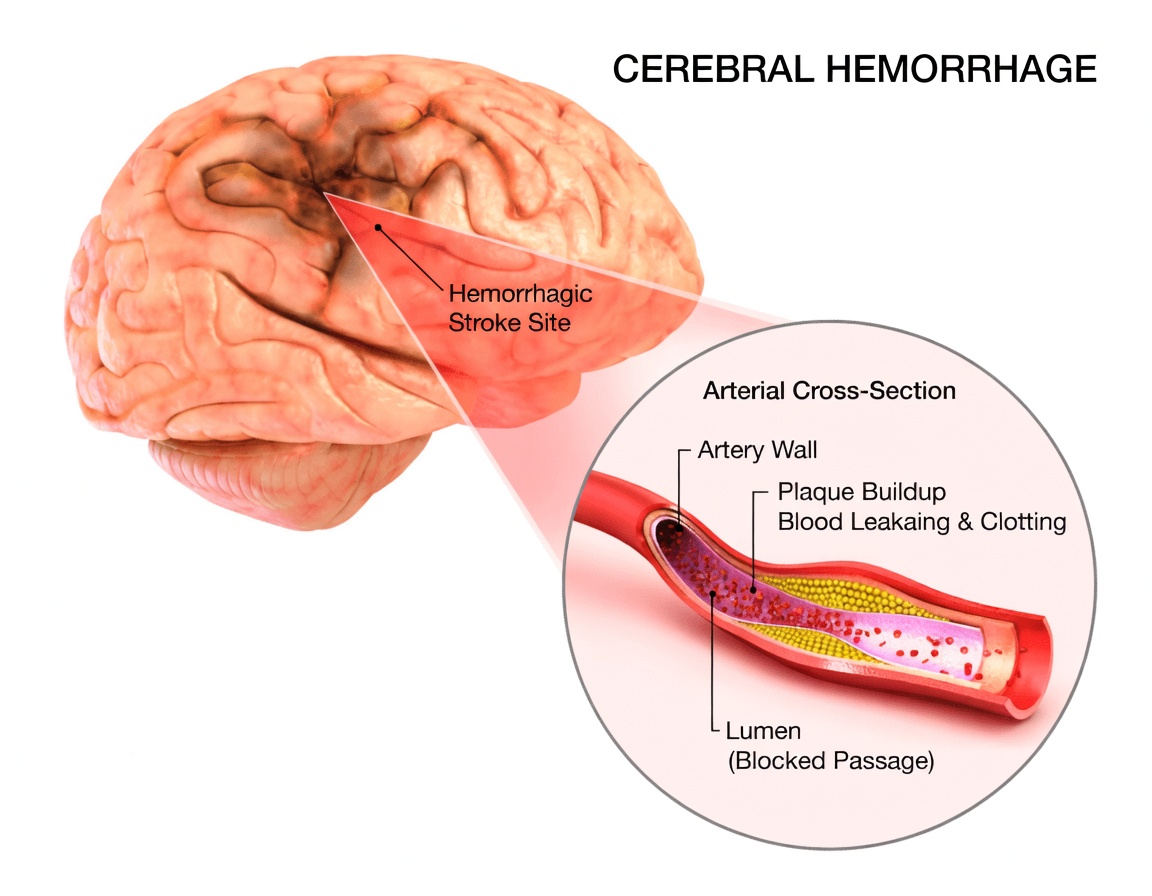
When fleeting TIA episodes are overlooked or dismissed, underlying problems—such as high blood pressure, high cholesterol, irregular heart rhythms, or plaque buildup in the arteries—may continue unchecked. Over time, this can:
- Raise the likelihood of a major stroke
- Impair walking, balance, and coordination
- Worsen memory and thinking skills
- Increase dependence on others for everyday tasks
The cumulative impact of repeated, unnoticed mini-stroke symptoms can quietly erode independence and quality of life.
The encouraging news: recognizing and acting on mini-stroke symptoms early can open the door to treatments and lifestyle changes that lower your risk and help you stay more independent for longer.
What to Do Immediately If You Notice Mini-Stroke Symptoms
If you experience any of these mini-stroke symptoms—even if they last only a few minutes—treat it as a medical emergency. Do not wait to see if they go away.
- Call emergency services right away (such as 911 in the United States).
- Do not drive yourself; an ambulance can begin care en route.
- Note the exact time symptoms started, if possible—this information is crucial for doctors.
Remember the FAST Test for Stroke and TIA Signs
A simple way to remember the key warning signs is the FAST test:
-
F – Face drooping:
Does one side of the face droop or feel numb? Ask the person to smile. -
A – Arm weakness:
Is one arm weak or numb? Ask them to raise both arms—does one drift downward? -
S – Speech difficulty:
Is their speech slurred, hard to understand, or are they unable to speak? Ask them to repeat a simple sentence. -
T – Time to call emergency services:
If you see any of these signs, call emergency services immediately—even if the symptoms come and go.
Recognizing mini-stroke symptoms and acting FAST can help protect your brain, your independence, and your quality of life as you age.