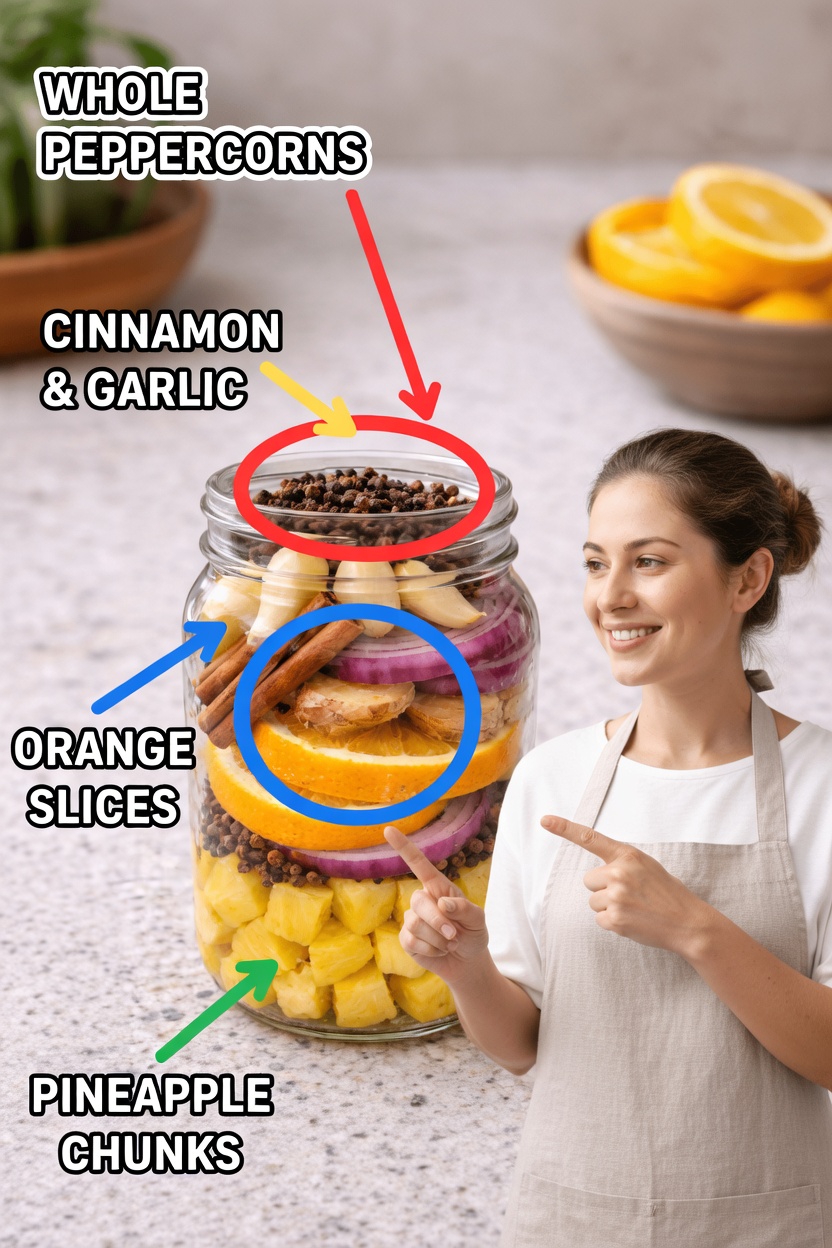

Turmeric and Food Pairings: 3 Foods That May Reduce Its Benefits
Turmeric has become a go-to ingredient in wellness routines, showing up in golden milk, smoothies, curries, and dietary supplements. Many people use this bright yellow spice to support everyday health, including digestion and joint comfort. However, one important detail is often overlooked: the foods you eat with turmeric can influence how well your body uses it.
Not every combination works in your favor. Some common foods may interfere with curcumin, turmeric’s best-known active compound. As a result, you may not get the full benefit you expect, and in some cases, certain pairings may even make digestion feel less comfortable. If turmeric is already part of your routine but you have not noticed much difference, your meal combinations may be part of the reason.
By understanding which foods to limit around turmeric and which pairings work better, you can make simple changes that may improve your results.
Why Turmeric Pairings Matter
Turmeric has a long history of use in traditional wellness practices, and today much of the attention is centered on curcumin. Curcumin is widely recognized for its antioxidant activity, but it comes with one major drawback: the body does not absorb it very efficiently on its own.
That is why food pairing matters so much. The ingredients you combine with turmeric can affect its bioavailability, or how much curcumin your body is actually able to absorb and use. Factors such as acidity, fat content, and the presence of other compounds in a meal may all influence this process.
Many people add turmeric to their diets without thinking about how it interacts with the rest of their food. When that happens, they may assume turmeric is not helping at all, when in reality the issue may simply be poor pairing.
3 Foods to Be Careful About Combining With Turmeric
1. Processed Dairy Products
One of the main food categories to watch is processed dairy. This includes products such as American cheese, sweetened flavored yogurts, and powdered coffee creamers.
These foods may be less than ideal with turmeric for a couple of reasons. Some specialists suggest that heavily processed dairy products can contain additives or have characteristics that may interfere with curcumin absorption. In addition, people who are sensitive to lactose may feel more bloated or uncomfortable when processed dairy and turmeric are consumed in the same meal.
Better options include:
- Using full-fat coconut milk or almond milk in turmeric drinks
- Adding turmeric to vegetable dishes cooked with olive oil instead of creamy sauces
- Eating dairy foods at a different time of day rather than alongside turmeric-rich meals
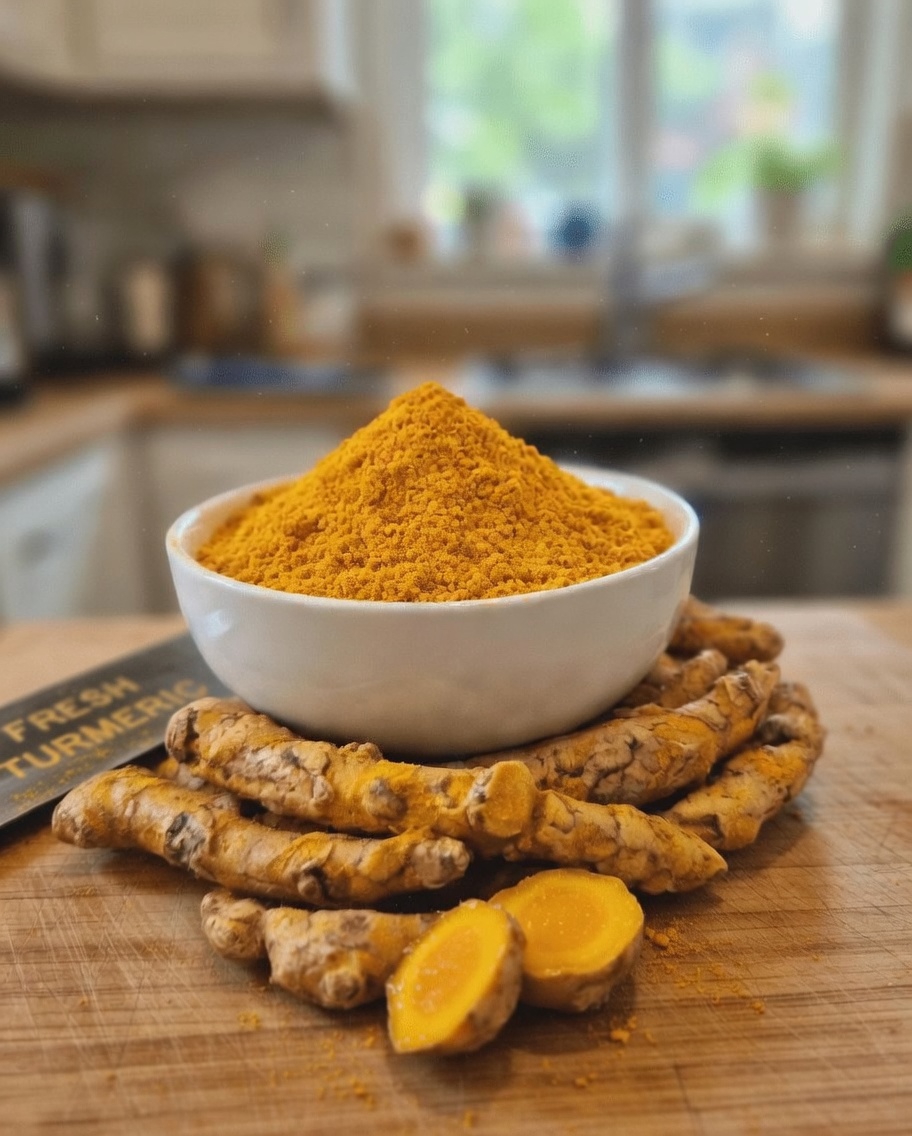
If you enjoy dairy, you do not necessarily have to avoid it completely. Simply spacing it out from your turmeric intake may be a smarter approach.
2. Vinegar-Heavy and Highly Acidic Foods
Another pairing to be mindful of is highly acidic food. This includes meals or ingredients such as vinegar-based dressings, pickles, sauerkraut, and dishes loaded with citrus or vinegar.
A strongly acidic environment may affect the stability of curcumin or reduce how comfortably turmeric works for some people, especially in relation to digestion. While acidic foods can certainly be part of a healthy diet, combining them with large amounts of turmeric at the same time may not be the best strategy for everyone.
This matters because turmeric is often added to marinades, dressings, and tangy sauces. If those mixtures are very acidic, you may not be getting the most from the spice.
Smarter ways to use turmeric with acidic foods:
- Keep lemon juice or vinegar moderate rather than excessive
- Use turmeric in soups, stews, or curries where the overall flavor is more balanced
- Pair turmeric with mild ingredients instead of intensely sour bases
3. Foods High in Refined Sugar
The third category may be the most surprising: sugary foods and baked goods. Think sweet cereals, cookies, cakes, pastries, and sweetened drinks.
Refined sugar may work against the qualities that make turmeric appealing in the first place. Since high sugar intake is associated with increased inflammation in the body, combining it regularly with turmeric may counter some of the spice’s potential wellness-supporting effects.
Over time, this type of pairing can leave you feeling as though turmeric is not doing much, even if you are consuming it regularly.
Better choices instead of sugary pairings:
- Lightly sweeten turmeric drinks with a small amount of honey if needed
- Choose unsweetened versions whenever possible
- Use turmeric mostly in savory meals built around vegetables, legumes, and healthy fats
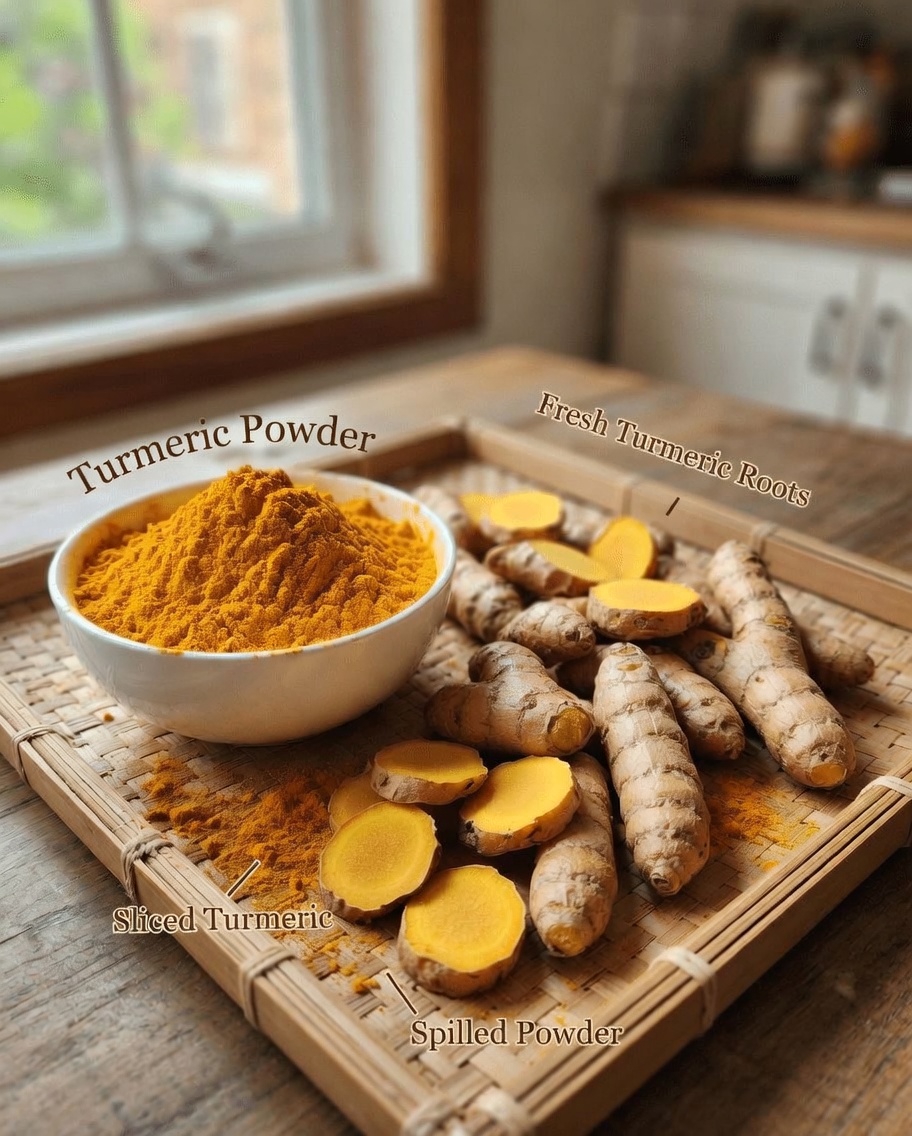
How to Pair Turmeric for Better Absorption
The encouraging news is that there are simple, evidence-backed ways to make turmeric more effective in your diet.
One of the best-known strategies is combining turmeric with black pepper. Black pepper contains piperine, a natural compound that has been shown in research to increase curcumin absorption significantly. Some studies have reported improvements of up to 2000%.
Healthy fat is also important. Curcumin is fat-soluble, which means it dissolves and is absorbed more efficiently when eaten with fat.
Practical Tips to Get More From Turmeric
Easy ways to use turmeric well:
- Make golden milk with coconut milk or almond milk, 1 teaspoon of turmeric, a pinch of black pepper, and a little ginger
- Cook with oil by adding turmeric to vegetables sautéed in olive oil or avocado oil
- Choose supplements wisely by looking for formulas that include piperine and taking them with a meal that contains fat
- Start small with about 1/2 to 1 teaspoon per day in food, which is a common amount for many people
Helpful food pairings nutrition experts often recommend:
- Fresh ginger or small amounts of garlic
- Healthy fats such as avocado, nuts, and seeds
- Whole-food dishes like soups, stews, roasted vegetables, and curries
Additional Things to Keep in Mind
Turmeric is generally well tolerated in normal culinary amounts, but it is still important to notice how your body responds. Some individuals should be especially cautious, including those with gallbladder concerns or people taking medications such as blood thinners or diabetes drugs. In those cases, it is best to speak with a healthcare professional before increasing turmeric intake.
Quality also makes a difference. When possible, choose organic turmeric powder or fresh turmeric root to reduce exposure to unnecessary additives.
Conclusion
If you want turmeric to better support your wellness goals, pay attention not only to how much you use but also to what you eat with it. Processed dairy, highly acidic foods, and refined sugary items may not be the best partners for turmeric. Making a few smart changes to your meal combinations can make a meaningful difference over time.
Consistency matters, and so does pairing turmeric in a way that supports absorption. Listen to your body, make adjustments when needed, and focus on simple, whole-food combinations.
Frequently Asked Questions
1. Can I still drink golden milk if I am avoiding dairy?
Yes. Plant-based options like coconut milk, almond milk, or oat milk can give golden milk a creamy texture without relying on processed dairy.
2. How much turmeric can I take in a day?
Many people use between 500 mg and 2000 mg of curcumin daily from food or supplements. It is best to begin with a lower amount and consult a healthcare professional if you are unsure.
3. Does cooking reduce turmeric’s value?
No. Gentle cooking can actually help release turmeric’s active compounds. Using it with black pepper and healthy fat during cooking may improve absorption even more.
Disclaimer
This article is for educational purposes only and should not be considered medical advice. Always speak with your healthcare provider before making major dietary changes or starting a new supplement, especially if you have a medical condition or take prescription medications.