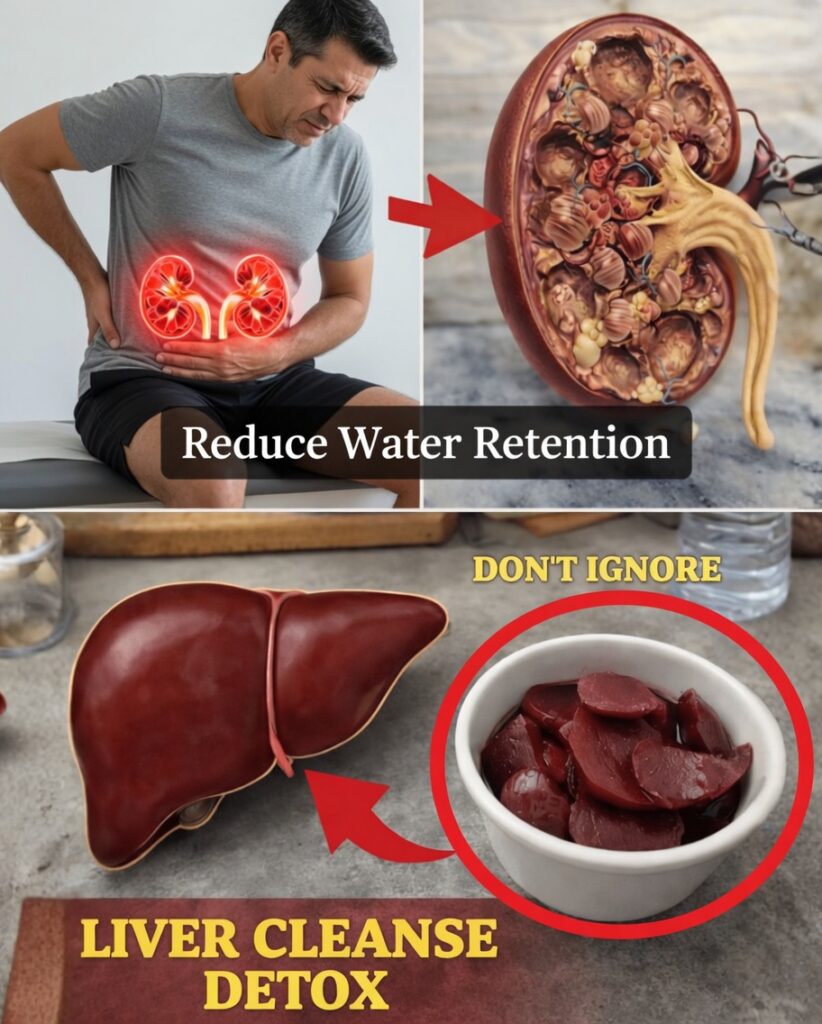
The Everyday Vegetable That Quietly Supports Both Your Liver and Kidneys
Feeling sluggish all the time or noticing slight puffiness in your legs and ankles after sitting for hours? These subtle signs can be your body’s way of hinting that your liver and kidneys are working overtime.
Modern lifestyles — processed foods, chronic stress, lack of movement, and environmental toxins — can place a heavy burden on these two vital organs. The good news is that adding specific nutrient-dense foods can gently support natural liver and kidney function and help with fluid balance, without complicated detox plans or expensive supplements.
And at the center of this approach is one simple, everyday vegetable that offers powerful benefits for both the liver and kidneys — plus easy, no-fuss ways to enjoy it.
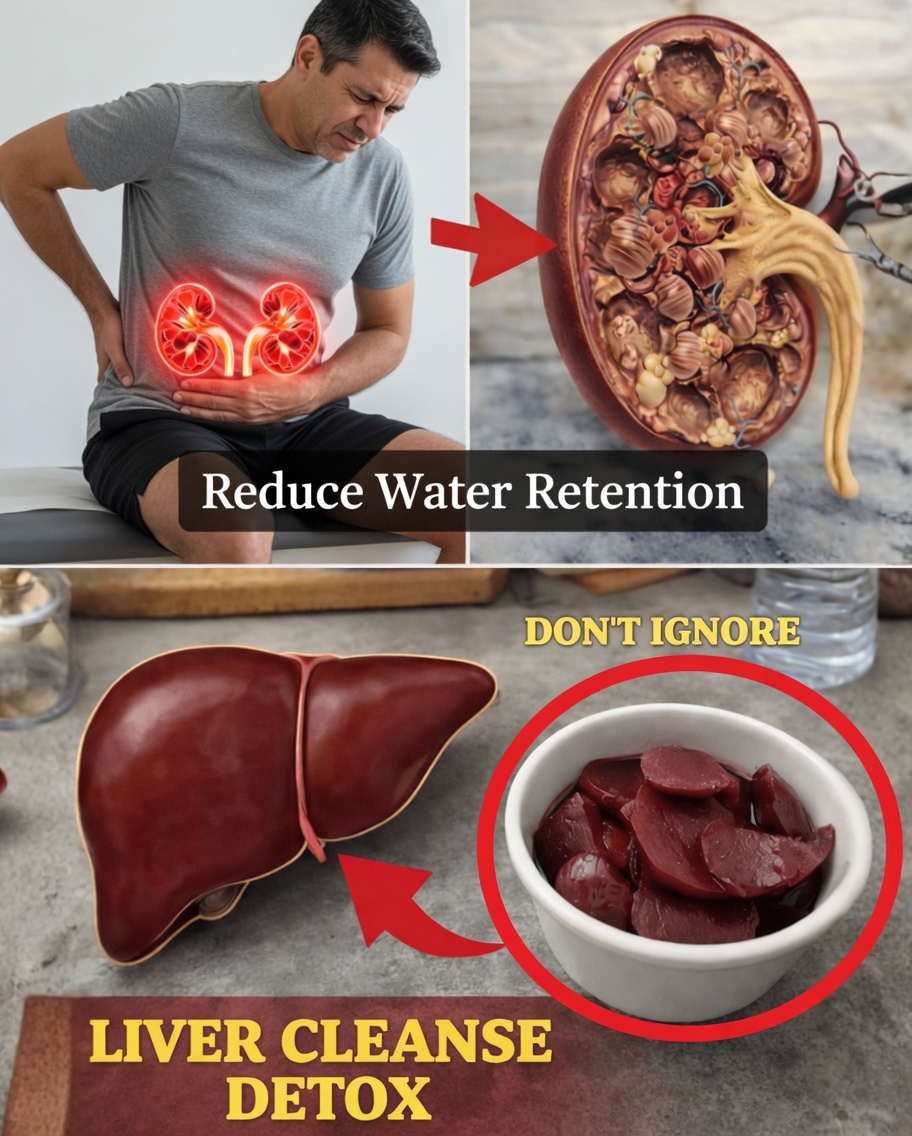
Why Daily Support for Your Liver and Kidneys Matters
Your liver is constantly at work:
- Processing nutrients from the foods you eat
- Breaking down substances from drinks, medications, and environmental exposures
- Supporting natural detoxification pathways
Meanwhile, your kidneys:
- Filter your blood
- Regulate fluid and electrolyte balance
- Help manage everyday water retention and blood pressure
When these systems are stressed, you might notice fatigue, bloating, or mild swelling. The right foods can give them steady, everyday support — no strict diets or complicated routines required. You can easily weave them into your current breakfasts, lunches, dinners, and snacks.
Top Foods That Naturally Support Liver Health
Certain common foods contain compounds that research associates with healthier liver function, better enzyme activity, and reduced everyday oxidative stress.
Here are standout liver-supportive options:
-
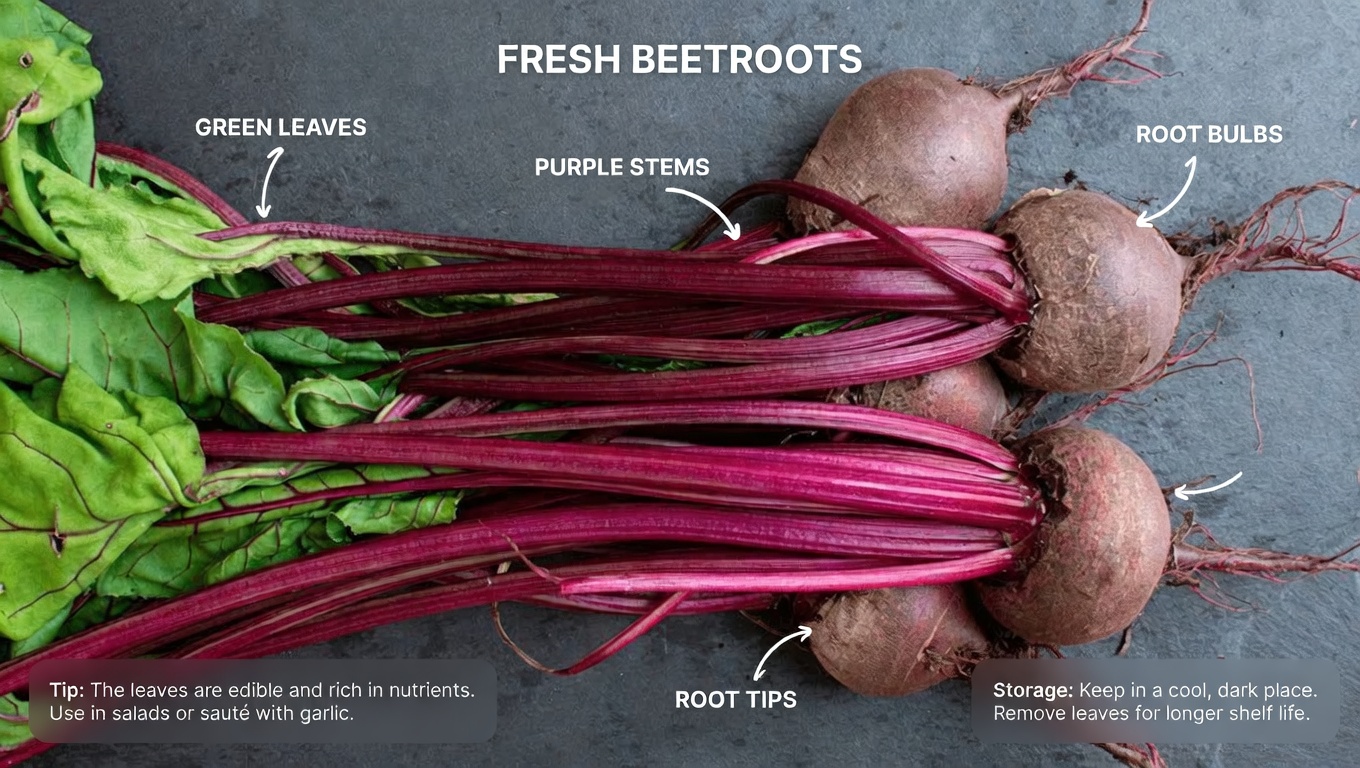
Beets
Rich in betalains and betaine, beets are often praised as a natural supporter of liver processes. They bring a gentle sweetness and bright color to salads, soups, and smoothies. -
Leafy greens (spinach, kale, etc.)
Their chlorophyll content is linked with light detox support and helping the body handle everyday environmental exposures. -
Garlic
Naturally occurring sulfur compounds in garlic may help activate liver enzymes involved in processing toxins. -
Turmeric
Curcumin, the main active compound that gives turmeric its yellow color, is widely studied for its role in supporting liver comfort and resilience. -
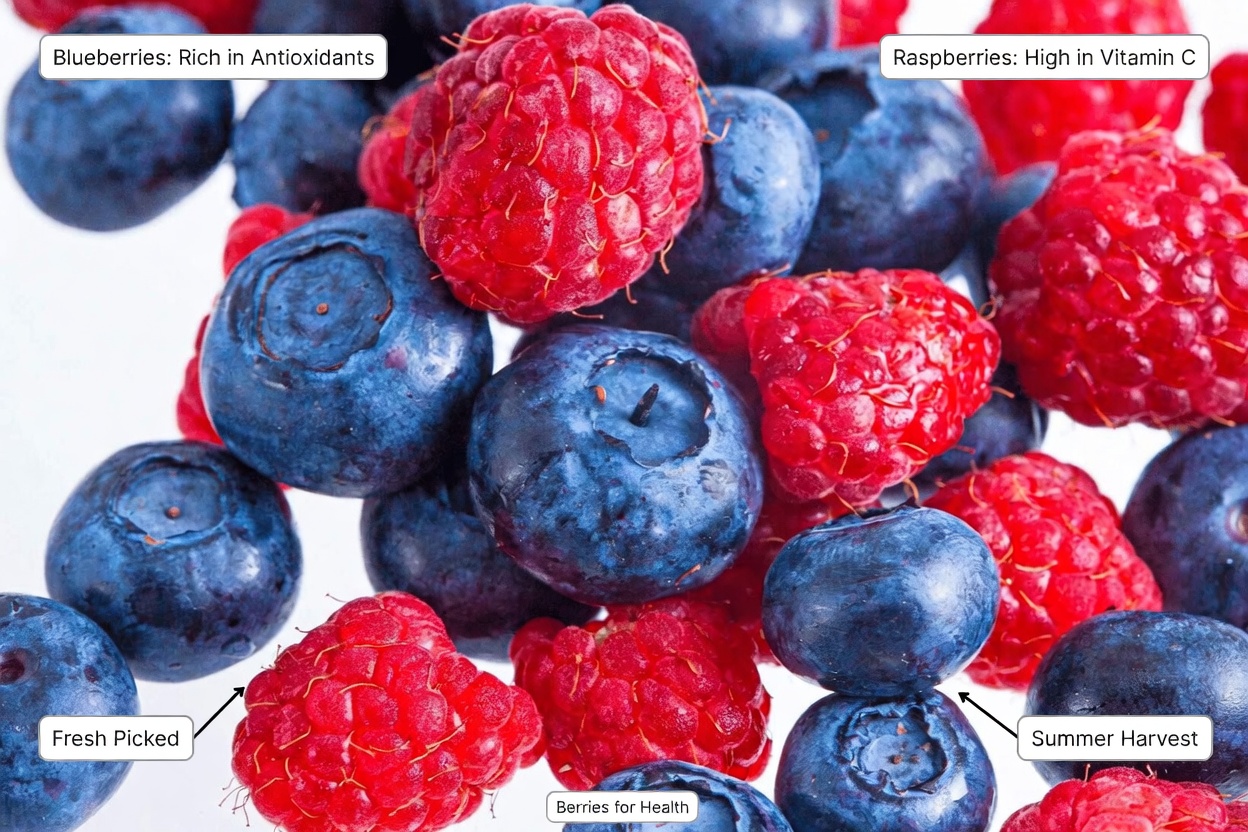
Blueberries and cranberries
These berries provide potent antioxidants that may help protect liver cells from normal, day-to-day oxidative stress over time.
While these foods are great for your liver, some can also pull double duty by supporting kidney health and fluid balance.
Must-Have Foods for Kidney Health and Fluid Balance
For kidney support, foods that are hydrating, anti-inflammatory, and mindful of mineral content can be especially helpful. Sources such as Healthline highlight certain fruits and vegetables for their potential role in maintaining kidney comfort and normal fluid levels.
Consider including:
-
Cranberries
Commonly discussed for urinary tract health, cranberries contain compounds that may help maintain a healthy environment in the urinary system and support kidney comfort. -
Cauliflower and broccoli
These cruciferous vegetables are relatively low in problematic minerals for sensitive kidneys yet high in fiber and antioxidants. -
Citrus fruits (especially lemons)
Natural citrate from lemons has been linked to helping prevent common mineral buildup in the kidneys. -
Grapes (particularly red varieties)
Animal research suggests red grapes may help reduce inflammation and support kidney function. -
Beets (once again)
Beets are rich in potassium and nitrates, which are associated with improved blood flow and can help with fluid distribution and reduced water retention — benefits many people notice when they eat them regularly.
This is where it gets efficient: certain foods show up on both the liver and kidney lists, making them ideal for busy lifestyles.
Foods That Support Both Liver and Kidney Function
The overlap between liver-friendly and kidney-friendly foods is where you get the most health support for the least effort. Beets are the star here.
Their unique combination of:
- Nitrates
- Betalains
- Potassium
helps support:
- Natural liver detox pathways
- Kidney-related fluid balance
- Comfortable blood pressure levels
Emerging studies suggest beetroot may lower markers of inflammation and oxidative stress in both organs.
Other double-duty foods include:
- Leafy greens
- Berries (especially blueberries and cranberries)
- Garlic
- Turmeric
You don’t need large servings to benefit. Modest amounts a few times per week can be enough to provide consistent support.
Quick Comparison: Dual-Action Foods for Liver and Kidney Support
| Food | Liver Support Highlight | Kidney Support Highlight |
|---|---|---|
| Beets | Betalains and betaine for natural detox pathways | Potassium and nitrates for fluid balance & flow |
| Cranberries | Antioxidant protection for liver cells | Linked with urinary tract and kidney comfort |
| Leafy greens | Chlorophyll and phytonutrients for daily balance | Many options are kidney-friendly in moderation |
| Garlic | May help activate liver detox enzymes | Contains anti-inflammatory compounds |
| Turmeric | Curcumin to support liver comfort and resilience | May aid circulation and reduce inflammation |
Focusing on this small group of foods allows you to support both organs in a simple, targeted way.
Easy Ways to Add These Foods to Your Daily Routine
You don’t need a complete diet overhaul to start feeling a difference. Use these quick, practical ideas:
-
Morning beet smoothie
Blend one small cooked beet with a handful of spinach, a squeeze of lemon, and a handful of berries. It takes about five minutes and gives your liver and kidneys a supportive start to the day. -
Roasted beet or cauliflower side dish
Toss chopped beets or cauliflower with olive oil and a sprinkle of turmeric. Roast at 400°F (about 200°C) for roughly 25 minutes. Make a batch on Sunday and enjoy all week. -
Garlic and greens stir-fry
Sauté kale or spinach with minced garlic in a little olive oil, then finish with a splash of lemon juice. It’s a simple side or light main you can cook in under 10 minutes. -
Fruit-based snacks
Keep cranberries (fresh or unsweetened dried) and grapes within reach. Add them to yogurt, oatmeal, or enjoy a small handful as an afternoon snack. -
Evening turmeric “golden milk”
Warm almond milk (or your favorite milk) with a pinch of turmeric and black pepper. This soothing drink is an easy nighttime ritual that supports your overall wellness routine.
Consistency is key. These small habits, repeated over weeks and months, often add up to noticeable changes.
What Current Research Suggests About These Foods
Scientific literature and nutrition experts repeatedly emphasize one theme: plant-rich diets high in antioxidants, fiber, and specific minerals can support the everyday function of the liver and kidneys.
Key findings include:
- Beetroot: Reviews indicate that the compounds in beets may help protect liver and kidney cells from oxidative stress and support healthy blood flow.
- Berries and leafy greens: Many studies associate them with lower inflammation markers and better overall metabolic health.
- Garlic and turmeric: Both are widely studied for their anti-inflammatory and antioxidant actions, which can indirectly benefit organ function.
These foods are not cures or treatments for disease. Instead, they are evidence-informed additions that complement a balanced lifestyle. When combined with good hydration, regular movement, adequate sleep, and medical guidance when needed, they help your body function more smoothly.
A Simple 7-Day Starter Plan
To make it practical, try this easy one-week action plan to introduce these foods without feeling overwhelmed:
- Monday: Add a beet-based salad to your lunch (think mixed greens, sliced beets, and a light vinaigrette).
- Tuesday: Drink warm lemon water with breakfast to gently support hydration and kidney health.
- Wednesday: Make a garlic and kale stir-fry as a side or main for dinner.
- Thursday: Enjoy a berry smoothie as a mid-morning or afternoon snack.
- Friday: Serve roasted cauliflower or broccoli alongside your usual meal.
- Weekend: Create a relaxing turmeric tea or golden milk ritual one evening.
Follow this plan for two weeks and note how your body feels. Many people report steadier energy, less puffiness, and greater overall comfort when they consistently incorporate these foods.
Frequently Asked Questions
How soon might I notice changes after adding these foods?
Experiences vary, but many people notice subtle improvements — such as more stable energy, lighter digestion, or reduced mild swelling — within a few weeks of regularly including these foods. Long-term benefits build over time.
Can these foods replace medical treatment or professional advice?
No. These foods are meant to support overall health, not replace medical care. If you have liver, kidney, or any chronic health condition, always speak with your healthcare provider before making significant dietary changes.
Should I avoid certain foods while focusing on liver and kidney support?
Highly processed foods, especially those loaded with added sugars, unhealthy fats, and excess sodium, can place extra strain on the liver and kidneys. Aim to:
- Limit processed meats, fast food, and heavily salted snacks
- Reduce sugary beverages and desserts
- Swap these out for whole, plant-based foods like those listed above whenever possible
Final Thoughts: Small Daily Choices, Big Long-Term Benefits
Your liver and kidneys quietly manage a huge amount of work every day. By deliberately choosing foods that nurture these organs, you give your body the everyday support it needs to function at its best.
If you want one single ingredient to start with, pick beets. Their unique combination of compounds makes them a standout for both liver health and kidney support, including fluid balance.
Remember: steady, consistent habits matter far more than perfection. Over time, these small changes can lead to noticeable improvements in how you feel.
Disclaimer
This article is for informational and educational purposes only. It does not provide medical advice and is not intended to diagnose, treat, cure, or prevent any disease. Always consult a qualified healthcare professional before making significant changes to your diet, lifestyle, or health regimen. Individual responses and results may vary.