Subtle Warning Signs Your Liver May Be Struggling
Many people move through their day feeling unusually drained, slightly unwell, or dealing with a vague ache they blame on stress, lack of sleep, or a hectic routine. Over time, those “small” issues can be clues that fat is gradually accumulating in the liver—a condition known as steatosis, or fatty liver.
Unexplained exhaustion, a dull side pain, or feeling “off” for no clear reason can make even simple tasks feel overwhelming. Learning to decode these signals can help you act sooner rather than later. One important twist: there is a surprisingly overlooked symptom that often isn’t recognized until the condition has progressed. Below, you’ll find 17 key signs to watch for so you can identify patterns early.
What Is Steatosis (Fatty Liver)?
Steatosis, commonly called fatty liver disease, occurs when excess fat builds up inside liver cells. According to major medical centers such as the Mayo Clinic and Cleveland Clinic, this process often begins quietly, without dramatic symptoms.
Many people only discover they have fatty liver during routine blood tests, imaging scans, or check-ups for unrelated concerns. Research indicates that this fat buildup is frequently tied to lifestyle factors—including diet, body weight, and metabolic health—but it can remain symptom-free for years before becoming more serious.
Early Steatosis Symptoms People Often Overlook
In its initial stages, steatosis can be very subtle. The first signs are easy to dismiss as everyday fatigue or minor digestive issues. Commonly reported early symptoms include:
- Ongoing tiredness that doesn’t improve with rest or sleep
- A dull ache, pressure, or sense of fullness in the upper right abdomen
- A general feeling of being unwell, “off,” or low in vitality
- Reduced appetite that may cause unplanned weight changes
- Mild nausea, especially after eating
Because these signs are nonspecific, many people chalk them up to stress, overwork, or aging—and this is often just the beginning.
Skin Changes and Visible Clues You Shouldn’t Ignore
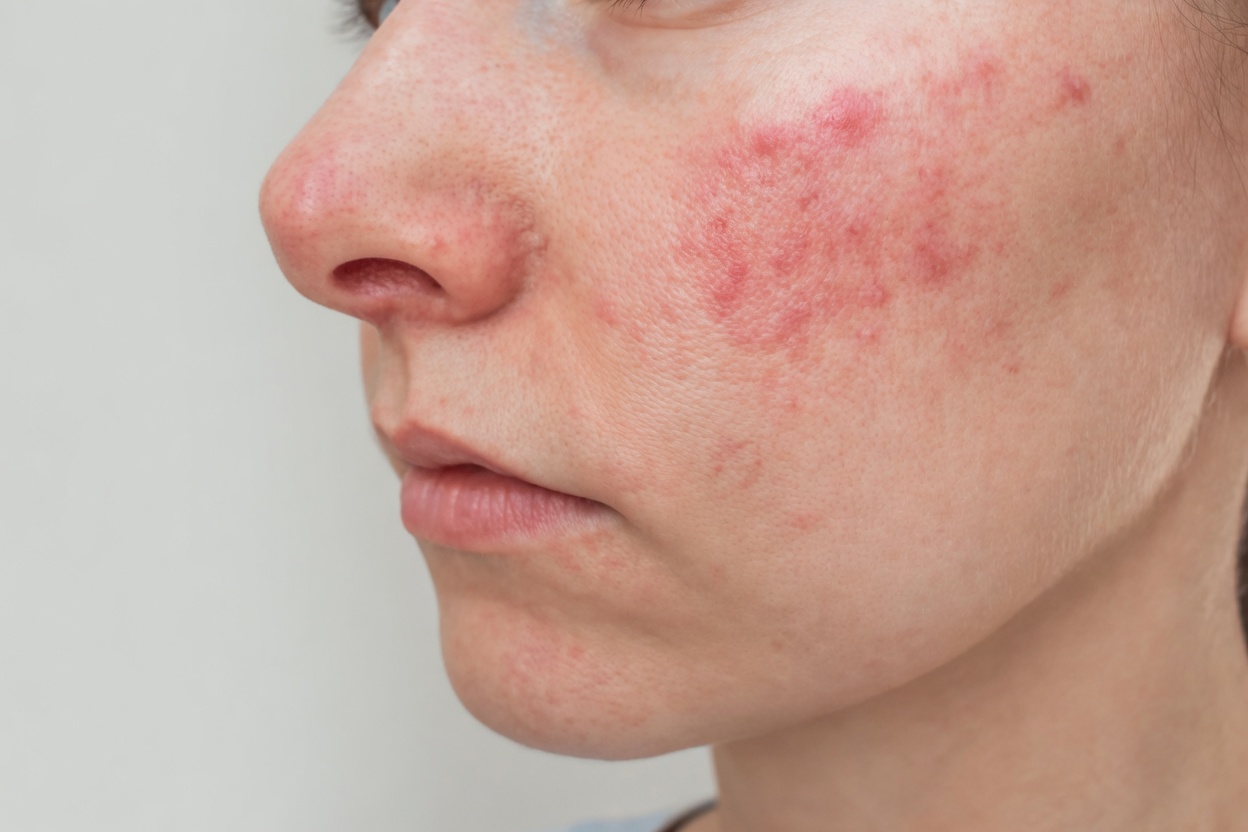
As fatty liver advances, the skin and eyes may begin to reflect changes in liver function. The liver plays a central role in processing toxins, hormones, and by-products of metabolism, so when it is under strain, the results can show on the surface. Watch for:
- Itchy skin that comes and goes without a clear trigger
- A yellowish hue to the skin or the whites of the eyes (jaundice)
- Tiny, spider-like blood vessels visible just under the skin (spider angiomas)
- Red, warm palms (palmar erythema)
- Darkened patches or areas of discoloration on the neck, armpits, or chest
- Bruising more easily than usual, even from mild bumps or minor injuries
Many people are surprised by how closely skin appearance is linked to liver health. In fact, these visible changes are often what finally push someone to seek medical advice.
Digestive and Whole-Body Symptoms to Pay Attention To
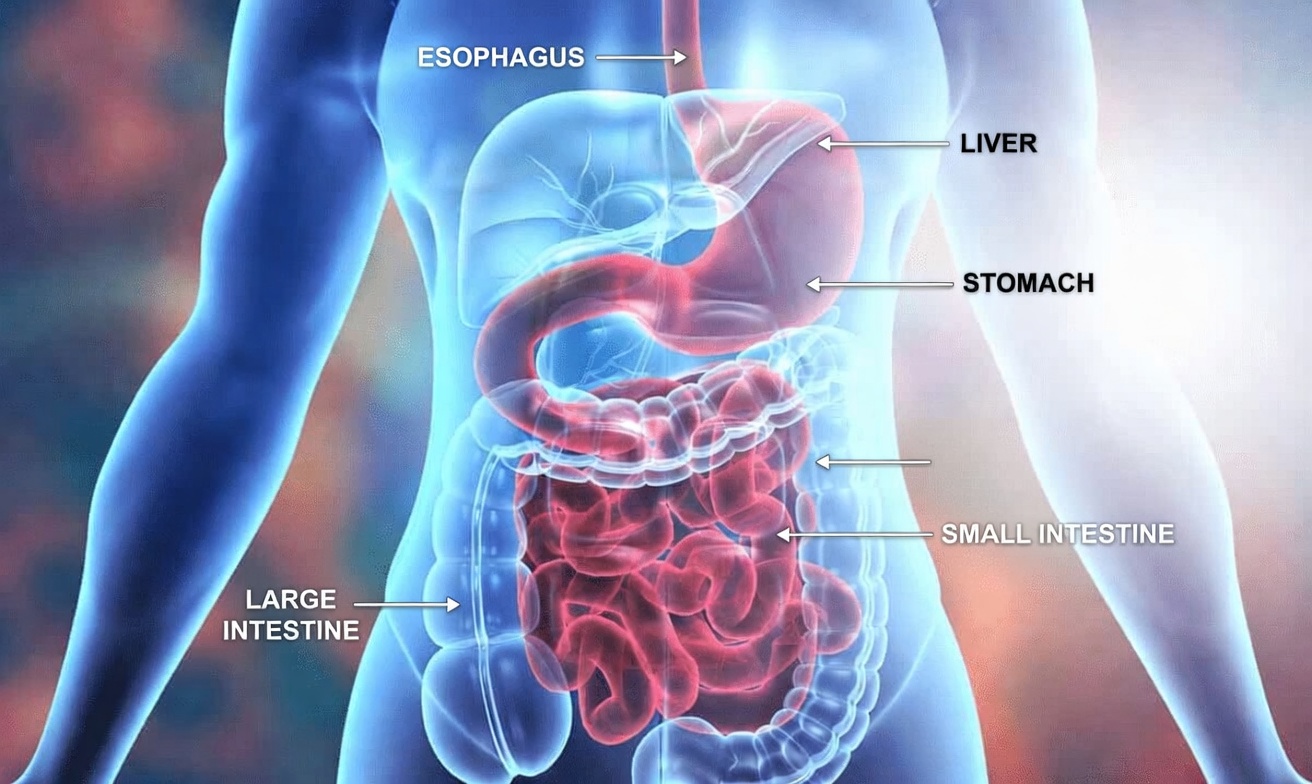
Steatosis can affect far more than just your energy levels. As noted by organizations such as the NHS and the American Liver Foundation, fatty liver and its progression can trigger additional digestive and systemic symptoms, including:
- Abdominal swelling or bloating, sometimes due to fluid buildup (ascites)
- Swelling in the legs, ankles, or feet that tends to worsen toward the end of the day
- Dark-colored urine even when you’re drinking enough fluids
- Pale, gray, or clay-colored stools
- Shortness of breath during light activities that previously felt easy
- Muscle weakness or reduced stamina, making everyday tasks—like climbing stairs—more difficult
These issues can overlap with many other health conditions. That overlap is exactly why awareness of liver-related patterns is so important.
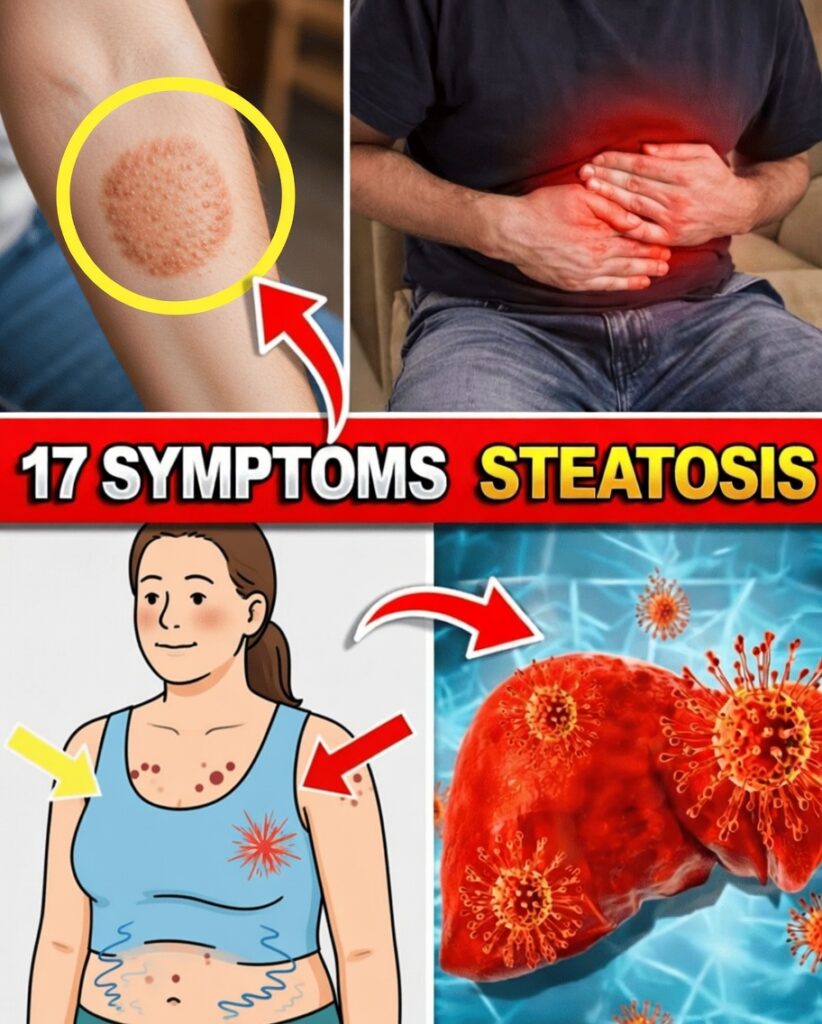
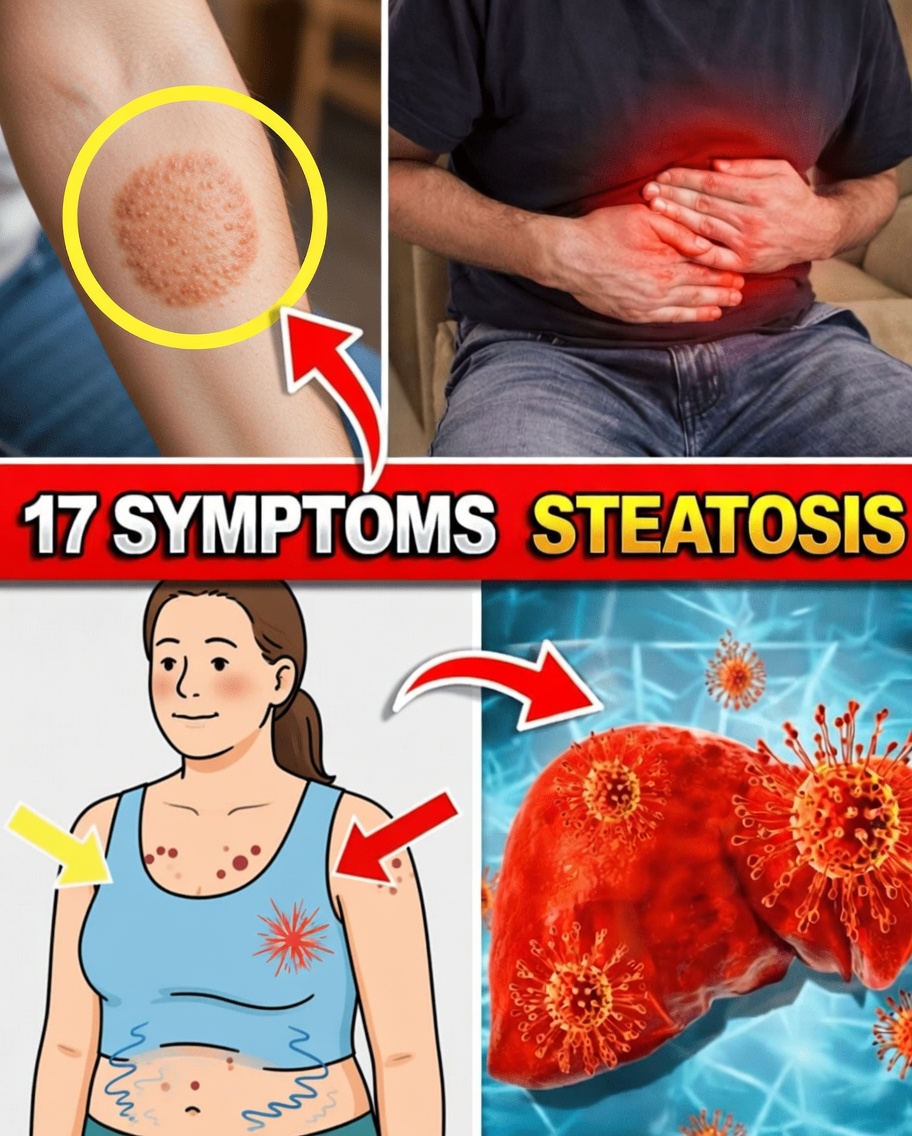
17 Key Symptoms of Steatosis You Should Know
Drawing on insights from the Mayo Clinic, Cleveland Clinic, and other trusted medical sources, the following list summarizes 17 symptoms and signs frequently associated with steatosis and its possible progression. Not everyone will experience all of them, and early stages may involve only a handful:
- Chronic fatigue
- Discomfort or dull pain in the upper right side of the abdomen
- General malaise or a persistent feeling of being unwell
- Loss of appetite
- Nausea
- Unintentional weight loss
- Itchy skin
- Jaundice (yellowing of skin and eyes)
- Abdominal swelling
- Swelling in the legs and ankles
- Spider-like blood vessels on the skin (spider angiomas)
- Red palms
- Easy or frequent bruising
- Dark urine
- Pale or clay-colored stools
- Shortness of breath
- Muscle weakness
This clear overview can help you compare what you are experiencing with descriptions used in medical literature. Research consistently shows that recognizing these signals early supports more productive conversations with healthcare providers.
Simple Lifestyle Actions to Support Your Liver
You don’t need specialized equipment or complicated routines to start supporting liver health. Basic, consistent habits can make a meaningful difference:
- Keep a daily health log noting energy levels, abdominal sensations, and any changes in skin or digestion
- Aim for balanced meals rich in vegetables, whole grains, and lean proteins, while limiting heavily processed and high-sugar foods
- Drink plenty of water and cut back on sugary beverages and excessive alcohol
- Incorporate at least 30 minutes of moderate movement—such as brisk walking—on most days of the week
- Arrange a medical check-up if you notice several symptoms at the same time or if they persist
These straightforward steps help you stay more in tune with your body while you track any evolving signs.
Why Noticing Symptoms Early Truly Matters
Steatosis often progresses quietly, with fat accumulation and inflammation building beneath the surface for years. Studies in medical journals suggest that simply paying attention to everyday changes—like persistent fatigue, abdominal discomfort, or shifts in skin color—can prompt earlier, more effective conversations with doctors.
By identifying patterns sooner rather than later, you give yourself the best opportunity to understand what is happening and, when possible, to take action before more serious liver damage develops.
Conclusion
Fatty liver disease may not shout for attention, but your body usually sends hints: lingering tiredness, vague discomfort, digestive changes, skin shifts, and more. Familiarizing yourself with these 17 symptoms helps you listen more carefully to those signals.
Combined with small, sustainable lifestyle choices and regular health check-ins, that awareness can play a powerful role in protecting your liver and improving how you feel day to day.
FAQ
What causes steatosis to develop in the first place?
Steatosis is often linked to factors such as excess body weight, insulin resistance or metabolic syndrome, high-fat or high-sugar diets, certain medications, and some underlying medical conditions, according to major health organizations.
Can steatosis cause noticeable skin problems?
Yes. As liver function changes, some people experience itchy skin, areas of darkened or discolored skin, visible “spider” blood vessels, or a yellowish tint to the skin and eyes.
When should I talk to a doctor about these symptoms?
You should seek medical advice if multiple symptoms persist for more than a couple of weeks, if you notice yellowing of the skin or eyes, or if you develop swelling in the abdomen, legs, or ankles. Prompt evaluation is especially important if symptoms intensify or come on suddenly.
Disclaimer
This article is for informational and educational purposes only. It is not intended to diagnose, treat, cure, or prevent any disease and should not replace professional medical advice. Always consult a qualified healthcare provider for personalized assessment, diagnosis, and treatment related to your health.