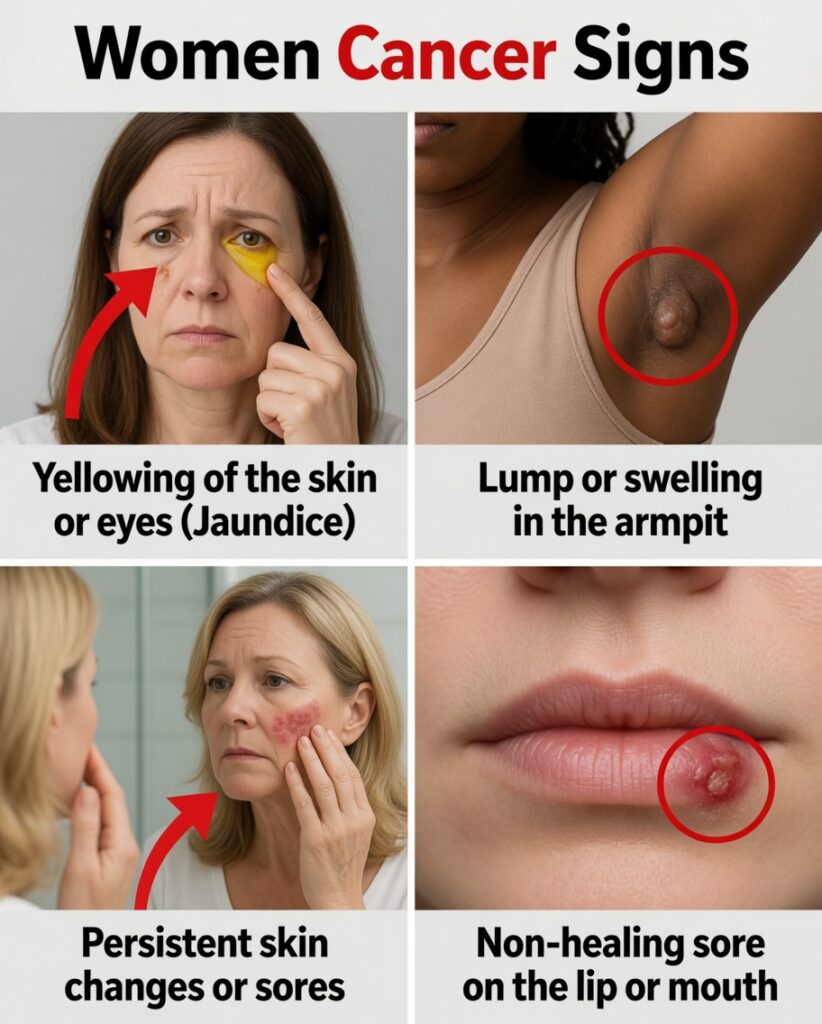
14 Visible Body Changes Women Should Never Ignore
Many women balance work, family, and endless to‑do lists while dismissing small body changes as stress, hormones, or “just getting older.” These subtle clues can linger for weeks or months, quietly increasing worry and delaying important conversations with a healthcare provider.
The good news: knowing what to look for puts you in a powerful position to act early and confidently. And you’ll want to pay special attention to the 14th sign on this list—one that even many health professionals say is frequently missed.
Why Visible Changes Matter More Than You Think
Your body often shows you something on the outside before you feel anything on the inside. Research from major cancer centers suggests that noticing visible changes early can lead to timely check‑ups and faster answers.
Yet most women don’t automatically connect everyday things—like extra blood on a pad or a new mark on a fingernail—with anything serious. They’re easy to blame on a busy week, a change in routine, or simple bad luck.
In reality, these visible warning signs can appear in many different places on the body and may point to a range of health issues. Understanding them helps you notice patterns instead of brushing them off.
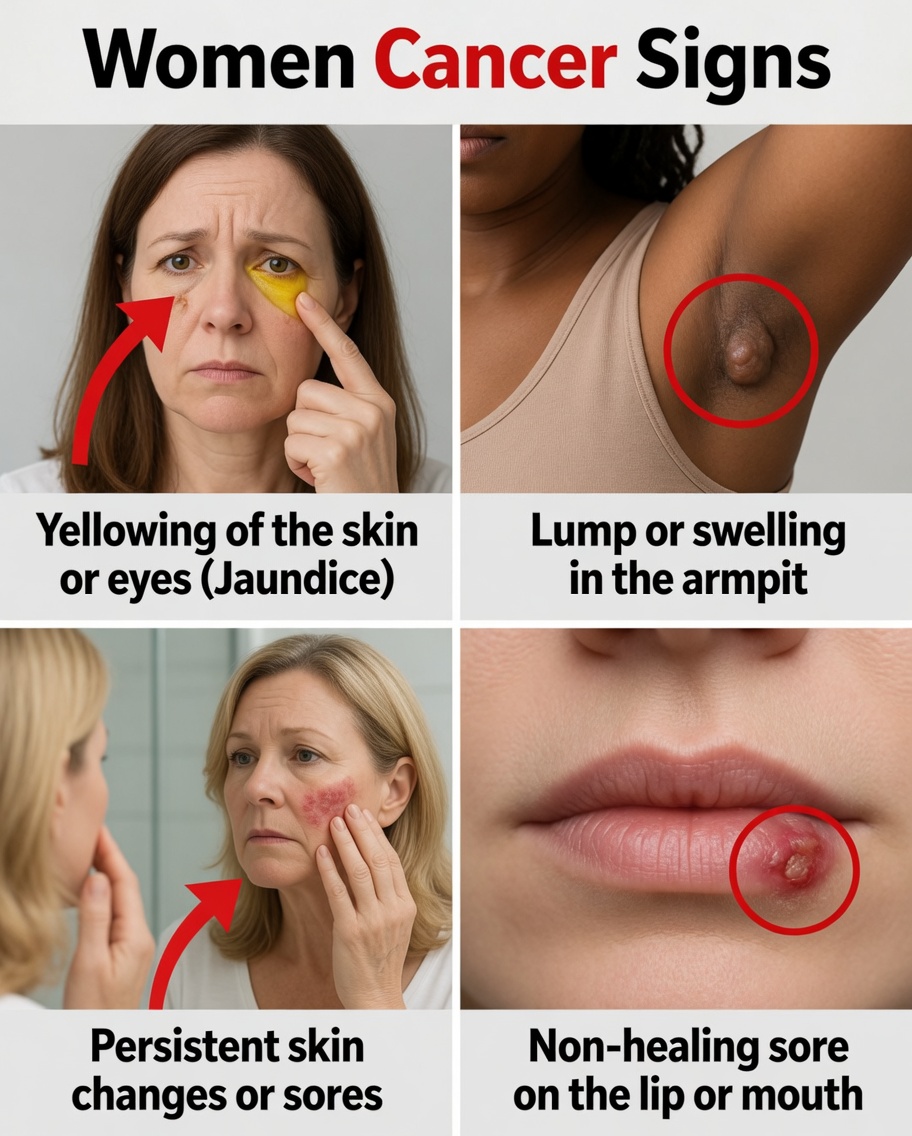
Let’s walk through them one by one so you know exactly what to watch for.
Breast Changes That Deserve a Second Look
Many women first notice breast changes while dressing, showering, or checking themselves in the mirror. Some of these are harmless—but a few are worth getting checked if they don’t go away.
Experts at leading cancer centers, such as MD Anderson Cancer Center, highlight these breast changes as important visual clues:
-
Persistent red or warm area on the breast
A patch of redness or warmth on one breast can look like irritation or a simple rash. If it sticks around, especially in a single area, it’s worth mentioning to your doctor. -
New lump or thickened area
A lump, ridge, or area of thickened tissue that you can see or feel—especially when you raise your arms—should always be checked, even if it’s painless. -
Skin dimpling or “orange peel” texture
Skin that starts to look puckered, dimpled, or similar to orange peel is another sign your breast tissue may be changing. -
Nipple turning inward or unusual discharge
A nipple that suddenly pulls inward, changes position, or starts to show discharge (especially if it’s bloody or occurs without squeezing) stands out in the mirror for a reason.
Bleeding You Notice on Your Pad or Underwear
Bleeding patterns can send strong visual messages—often right on your pad or underwear.
You might see:
-
Spotting or bleeding between periods
Light streaks, spotting, or unexpected bleeding outside your usual cycle can be easy to blame on stress or hormones, but they should be noted. -
Heavier flow or large clots
Bleeding that soaks through pads or tampons more quickly than usual, or that includes larger clots, is a visible change in your normal routine. -
Bleeding after menopause
Health organizations, including the American Cancer Society, emphasize that vaginal bleeding after you haven’t had a period for at least 12 months is a key warning sign. Even a small amount of pink, red, or brown discharge on a pad or in your underwear should be evaluated.
Because these signs are so easy to see in daily life, they’re often recalled later—many women say, “I did notice something different, but I assumed it was nothing.”
The Surprising Warning Sign on Your Fingernail
Your nails can also reveal important changes.
You may be washing your hands, getting a manicure, or applying nail polish when you notice a dark vertical line running from the base to the tip of a fingernail. At first glance, it might look like a bruise or an old injury.
However, specialists recognize this as a classic visible sign of a type of skin cancer called subungual melanoma, especially when:
- The line slowly widens
- The color becomes darker or more uneven
- The pigment spreads onto the surrounding skin (cuticle or fingertip)
This visual sign often appears in awareness graphics because it’s so easy to overlook or dismiss.
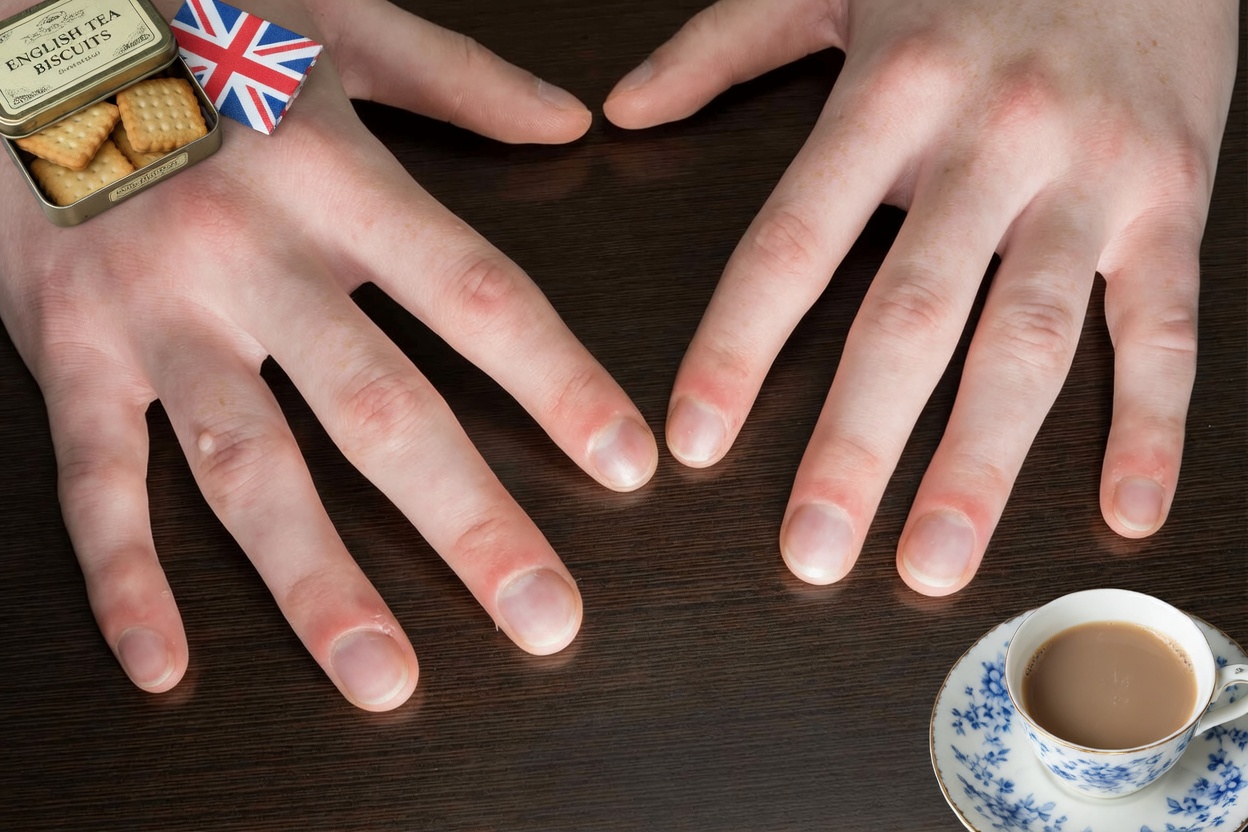
What surprises many women is that it can occur even without sun exposure and in all skin tones, not just fair skin.
Skin, Face, and Body Changes You Might Notice in the Mirror
Beyond breasts, pads, and nails, your mirror can reveal other meaningful changes:
-
New or changing moles
A mole that alters in size, shape, or color—or that develops irregular borders or multiple colors—deserves attention. So does any mole that begins to itch, bleed, or crust. -
Sore that doesn’t heal
A spot on your skin or lip that remains open, scaly, or sore for weeks without healing can be a visible sign of a skin problem that needs evaluation. -
Persistent bloating
A stomach that feels and looks swollen day after day, making your usual jeans tighter or your waistline noticeably larger, is another visual clue—especially if it hangs around for weeks. -
Unintentional weight loss
Looser clothes, a noticeably slimmer face, or a belt you suddenly need to tighten more than usual can show weight loss you weren’t trying to achieve. -
Swollen lymph nodes
Small lumps or swellings under your arm, above your collarbone, or along the sides of your neck may be felt and sometimes seen when you look closely. -
Yellowish tint to skin or eyes
A faint yellow coloring of the skin or the whites of your eyes (jaundice) can show up best in natural light or in photos—and is often more obvious to others than to you.
The Complete List: 14 Visible Signs to Watch For
Here is a quick-reference list drawn from trusted health sources and cancer organizations:
- Red or warm patch on the breast
- New lump or area of thickening in breast tissue
- Skin dimpling or orange-peel texture on the breast
- Nipple turning inward or showing discharge
- Spotting or bleeding between periods
- Heavy bleeding that soaks pads or tampons quickly
- Bleeding after menopause
- Dark vertical line under a fingernail
- Mole that changes size, shape, or color
- Sore on the skin or lip that doesn’t heal
- Persistent bloating that changes your waistline
- Unexplained weight loss you can see in your clothes
- Swollen glands or lumps in the neck or armpit
- Yellowish tint to the skin or the whites of the eyes
Many of these signs can appear without pain or discomfort at first. That’s exactly why visual awareness campaigns—often featuring a pink ribbon, a breast outline, a sanitary pad, and a nail with a dark streak—are so powerful. They remind you to pause, look, and notice.
Simple Steps You Can Start Today
You don’t need hours of free time to stay on top of your health. These quick habits fit into even the busiest schedule:
-
Do a brief breast and skin scan while applying lotion
Run your hands over your chest, underarms, neck, and any moles while you moisturize. -
Track your periods and bleeding in a phone app or notes
Record start dates, flow levels, spotting, and any unusual discharge. -
Photograph new nail lines or moles
Take a close, clear photo and save it with the date so you can compare over time. -
Pay attention to how your clothes fit
Notice if waistbands, bras, or rings suddenly feel looser or tighter without a clear reason. -
Book a yearly check-up
Schedule an annual wellness visit or screening, even when you feel completely fine.
These tiny routines take only a few minutes but can offer major peace of mind and help you stay in control of your health story.
When to Call Your Doctor
If you notice any of these visible signs that:
- Last longer than two weeks, or
- Keep coming back, or
- Start to get worse
it’s time to talk to a healthcare professional.
Many women feel immediate relief after a simple exam, blood test, or scan shows nothing serious. Remember: seeing a change does not mean something is definitely wrong—it means you are paying attention and acting like an informed, proactive woman.
And that “secret” 14th sign? The yellowish tint to skin or eyes is often overlooked because it may show up alongside tiredness or changes in appetite. People tend to blame it on diet, lack of sleep, or a busy season. But when this sign is recognized early—especially together with other changes—it can lead to the right tests and faster answers.
Wrapping It Up
Your body is constantly sending visual messages. By learning these 14 visible signs and checking in with yourself regularly, you turn everyday routines—getting dressed, applying lotion, doing your nails—into powerful health check-ins.
Women who catch problems early often say the same thing afterward:
“I’m so grateful I didn’t ignore it.”
FAQ
What should I do if I notice a dark line on my fingernail?
Take a clear, close-up photo and show it to your doctor or a dermatologist as soon as you can. They may simply monitor it or, if needed, perform a quick biopsy to rule out serious causes and give you peace of mind.
Is heavy bleeding on my pad always something serious?
Not necessarily. Many conditions, including hormonal changes and fibroids, can cause heavy bleeding. However, any noticeable change from your usual pattern—especially if you’re soaking through pads or tampons quickly—should be evaluated by a healthcare provider.
Can bloating really be a visible sign worth watching?
Yes. Bloating that lasts more than a couple of weeks, doesn’t improve with usual diet changes, or makes your clothes fit differently is a visible sign worth mentioning to your doctor. Persistent bloating can be linked to several conditions that are easier to manage when caught early.
This article is for general information only and does not replace professional medical advice, diagnosis, or treatment. Always speak with your healthcare provider if you notice any changes in your body or have concerns about your health.