
A Gentle Daily Leg Exercise Many Seniors Rely On for Easier Movement
As the years go by, it’s common to notice subtle but persistent changes: a tight lower back when you stand up, knees that feel stiff after sitting, or a heavy, dragging feeling in the legs that turns climbing stairs or tending the garden into a bigger effort than it used to be. Over time, these sensations can quietly wear down your confidence, disturb restful sleep, and leave you wishing for more ease and comfort in your day.
Physical therapists often emphasize that small, gentle movements done consistently can make a meaningful difference—especially for adults over 60. Among these, one simple leg exercise keeps being mentioned as surprisingly helpful for overall comfort and mobility. Stay with this guide to the end, and you’ll learn exactly how to do it, why it works so well, and how to weave it into your routine without confusion or guesswork.

Why Discomfort Shows Up More Often After 60
After age 60, the spine, hips, and legs naturally go through changes that affect comfort and mobility:
- The discs between your vertebrae gradually lose some of their cushioning.
- Muscles and connective tissues can become tighter from decades of use and everyday posture habits.
- Circulation may slow, and blood can pool more easily in the lower legs, especially when you sit or stand in one position for long stretches.
Information from the National Institute on Aging highlights that gentle, regular movement is one of the best ways to maintain joint flexibility and support healthy blood flow without overloading the body. This is exactly where the leg exercise in this article shines—it works with gravity to reduce strain rather than fighting against it.
Many older adults report noticing a change in how their legs and back feel after only a few consistent days. Because this move targets areas that walking alone may miss, it offers support right where many seniors need it most.
Why This Simple Leg Move Feels So Good
When you slowly lift one leg while lying on your back, several helpful things happen at once:
- The spine has a chance to gently lengthen, relieving some pressure.
- Muscles around the hips and lower back can relax instead of bracing.
- The position encourages more efficient circulation through the lower body.
Physical therapy experts note that this kind of controlled leg elevation can promote better alignment and smoother movement patterns. Research in geriatric health and mobility also suggests that simple moves like this one can help older adults maintain a more comfortable range of motion in the knees and ankles over time.
Another major advantage: you don’t need any special gear. No resistance bands, no gym, no workout clothes—just a flat, comfortable surface and a few minutes of your day. That simplicity is a big reason many therapists quietly recommend it as part of a daily comfort or “maintenance” routine.
Step-by-Step: How to Do the Gentle Single-Leg Raise Safely
This exercise—often called a controlled single-leg lift—is designed to be senior-friendly and adjustable to your comfort level. Follow these steps carefully:
-
Set up your position
- Lie on your back on a firm bed, couch, or yoga mat.
- Place a small, thin pillow under your head if that feels better for your neck.
-
Stabilize your lower back
- Bend one knee and place that foot flat on the bed or floor.
- Keep this supporting foot grounded throughout the exercise.
-
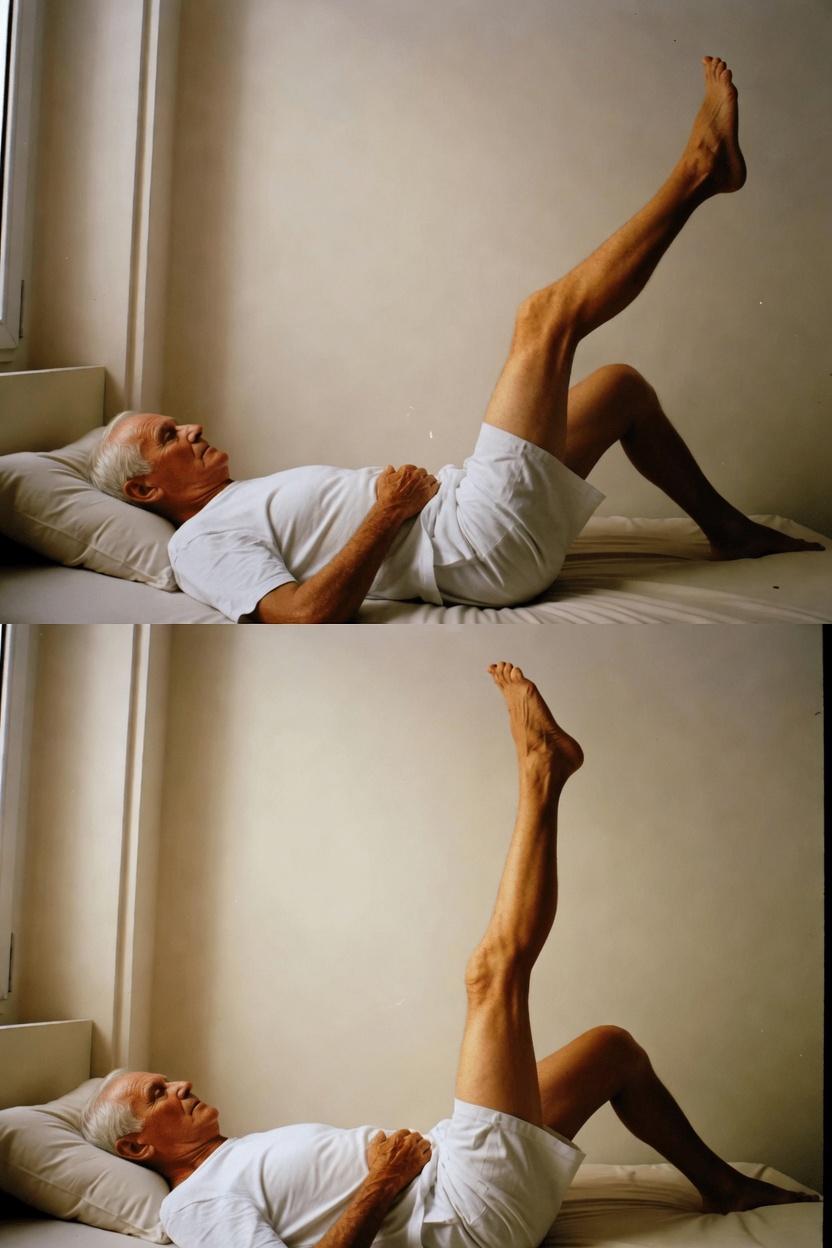
Lift the opposite leg
- Straighten the other leg along the surface.
- Gently raise this straight leg toward the ceiling.
- If fully straight feels too tight, keep a soft bend in the knee.
- Lift only to the height that feels comfortable—never force the movement or push through pain.
-
Hold and breathe
- Stay in the lifted position for about 15–30 seconds.
- Breathe slowly and deeply through your nose, letting your belly rise and fall.
-
Lower with control
- Gradually lower the leg back down to the starting position.
- Switch sides and repeat with the other leg.
Aim for 5–8 repetitions per leg, which usually takes less than five minutes from start to finish.
Comfort-first reminder: If you feel any sharp pulling, pinching, or sudden discomfort, slowly lower your leg, pause, and stop the exercise. The goal here is gentle support, not pushing your limits.
12 Ways This Move May Support Everyday Comfort
Physical therapists and wellness researchers often point out that a single, well-chosen movement can influence many parts of daily life. When seniors practice this leg raise regularly, they frequently report improvements in the following areas:
- Support for more natural lower back alignment
- Increased hip joint flexibility
- More comfortable knee movement when walking or standing
- Better ankle mobility and control
- Healthier circulation in the lower legs and feet
- Looser, less tight hamstring muscles
- A better sense of pelvic balance and body awareness
- Reduced “morning stiffness” upon getting out of bed
- Subtle improvements in posture throughout the day
- Easier, calmer breathing while lying down and relaxing
- Legs that feel lighter and less heavy
- A gentle sense of relaxation after long or busy days
Individual experiences vary, but one common theme is clear: consistency beats intensity. Small, repeated efforts often bring more benefit than doing a lot all at once.
Common Mistakes to Avoid (And How to Fix Them Quickly)
Even the simplest movement can be more effective—and feel better—when done with good technique. Watch out for these common errors:
-
Mistake: Lifting too fast.
Fix: Imagine moving in “slow motion,” taking at least three full seconds to lift and three to lower. -
Mistake: Holding your breath.
Fix: Gently count your breaths out loud (for example, “one… two… three…”) to remind yourself to inhale and exhale. -
Mistake: Doing the exercise right after a big meal.
Fix: Wait at least 30 minutes after eating so your body can digest more comfortably. -
Mistake: Letting the supporting leg go loose.
Fix: Keep the non-working foot planted firmly—this helps protect your lower back and adds stability.
Small adjustments like these can make the exercise feel more natural, safer, and more effective.
How Often Should You Do It? A Practical Weekly Plan
For most seniors, a realistic starting point looks like this:
-
Week 1: Do the exercise once a day, preferably:
- In the morning to “wake up” your joints and muscles, or
- In the evening to unwind and release tension.
-
After the first week: If it continues to feel comfortable, you can increase to twice a day—once in the morning and once before bed.
General physical therapy guidelines often recommend 10–15 minutes of gentle movement most days of the week for older adults. This single leg raise fits very comfortably within that window and can be combined with:
- Light chair stretches
- Short walks around your home or neighborhood
- Simple balance or posture exercises recommended by your provider
Many seniors say they do this move while watching the news or listening to the radio and notice their legs feel lighter and more relaxed by bedtime.
How Real Seniors Fit This Move Into Daily Life
You don’t need to overhaul your entire routine to benefit from this exercise. Here are some easy ways older adults weave it into everyday life:
- Do it on your bed if getting down to the floor is tough.
- Use a phone timer so you don’t have to count seconds in your head.
- Play calming music or nature sounds while you hold the leg up to stay relaxed.
- Keep a simple check-in note on your fridge or next to your bed, jotting down how your legs and back feel after a week.
These small, practical tweaks help transform the exercise from “one more task” into a natural part of your day.
Extra Tips to Maximize Comfort and Safety
Safety always comes first, especially for seniors or anyone with a medical history involving joints or surgery. Keep these guidelines in mind:
- If you’ve had recent surgery, joint replacements, significant back issues, or any activity restrictions, talk to your doctor or physical therapist before beginning.
- Wear loose, comfortable clothing that allows your hips and legs to move freely.
- Stop immediately if you notice:
- Sharp pain
- Sudden dizziness
- Unusual pressure in your chest or head
- Stay hydrated: drinking a glass of water before and after gentle movement can support healthy circulation and overall comfort.
Many older adults like to add this move to their existing morning or evening stretch routine and report feeling more “ready” for the day—or more at ease when winding down at night.
Bringing It All Together: Your New Daily Comfort Habit
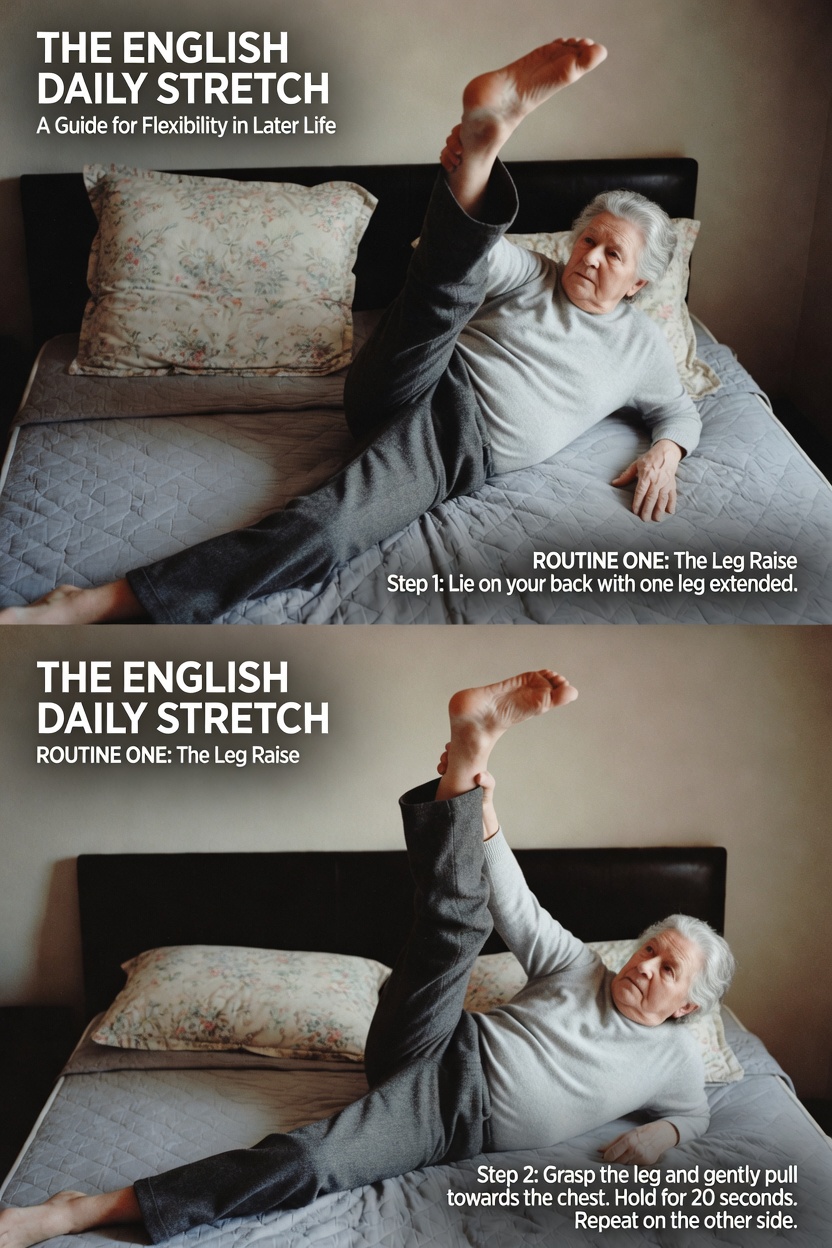
This one simple leg raise offers a low-effort, low-impact way to give your back, hips, knees, and legs the everyday care they deserve. By spending just a few minutes lying down and lifting one leg at a time, you’re providing targeted support to key areas that affect how you move, stand, and rest.
The most meaningful results usually come from:
- Doing the move regularly, rather than occasionally
- Keeping the intensity gentle and comfortable
- Paying attention to small, positive changes—like smoother walking, easier stair climbing, or more restful sleep
Try starting tomorrow morning and notice how you feel after seven days. Many seniors say the differences show up in simple ways: getting out of a chair more easily, moving around the house with less stiffness, and feeling more refreshed when they wake up.
Frequently Asked Questions
How long does it usually take to notice a difference?
Many seniors report feeling a bit looser in their legs and lower back within the first week of regular practice. For others, changes are more gradual. Everyone’s body is different, so focus on doing the exercise consistently rather than expecting immediate results.
Can I try this exercise if I sometimes have knee discomfort?
In many cases, yes—but listen closely to your body. To reduce strain on the knees:
- Keep the lifting leg softly bent instead of perfectly straight.
- Raise the leg only to the height that feels comfortable, stopping well before any pain.
- Maintain the opposite foot firmly on the surface to help protect both your back and knees.
If you have ongoing knee issues, check with your healthcare provider or physical therapist first.
Is it safe to combine this with walking or other light exercises?
Yes. This gentle leg raise is often a great companion exercise to:
- Daily walks
- Easy stretching routines
- Light balance or strength work approved by your provider
Many older adults say that walking plus this leg movement helps them feel steadier on their feet and more energized throughout the day.
Important Disclaimer
This article is intended for information and educational purposes only. It is not medical advice and does not replace recommendations from your doctor, physical therapist, or other licensed healthcare professional. Always consult a qualified healthcare provider before starting any new exercise, especially if you have existing medical conditions, pain, or recent surgeries.