
6 Power-Packed Seeds That Support Healthy Aging
As the years go by, it often becomes harder to get all the nutrients you need from food alone. That can show up as low energy, weaker immunity, slower digestion, and difficulty staying active and resilient.
Nature, however, offers a simple boost: nutrient-dense seeds. These tiny foods are rich in protein, healthy fats, fiber, vitamins, and minerals. In this guide, you’ll discover six seeds that are easy to add to everyday meals—and how they may support your overall well-being as you age. Stay with it to the end for the simplest way to start using them today.

Why Seeds Are Especially Helpful for Older Adults
Seeds may be small, but they’re nutritional heavyweights. They’re concentrated sources of plant-based nutrients that fit smoothly into a senior-friendly diet.
They can help support:
- Steady energy throughout the day
- Comfortable digestion and regularity
- Immune health and everyday resilience
- Muscle maintenance and overall vitality
Trusted health sources like the Cleveland Clinic note that even modest daily amounts of seeds can help fill common nutritional gaps in older adults. But that’s just part of the story—these six varieties are particularly impressive.
6 Nutrient-Dense Seeds Worth Adding to Your Diet
The following six seeds show up repeatedly in healthy aging and nutrition guides because of their standout nutrient profiles. Each brings something unique to the table.
1. Pumpkin Seeds
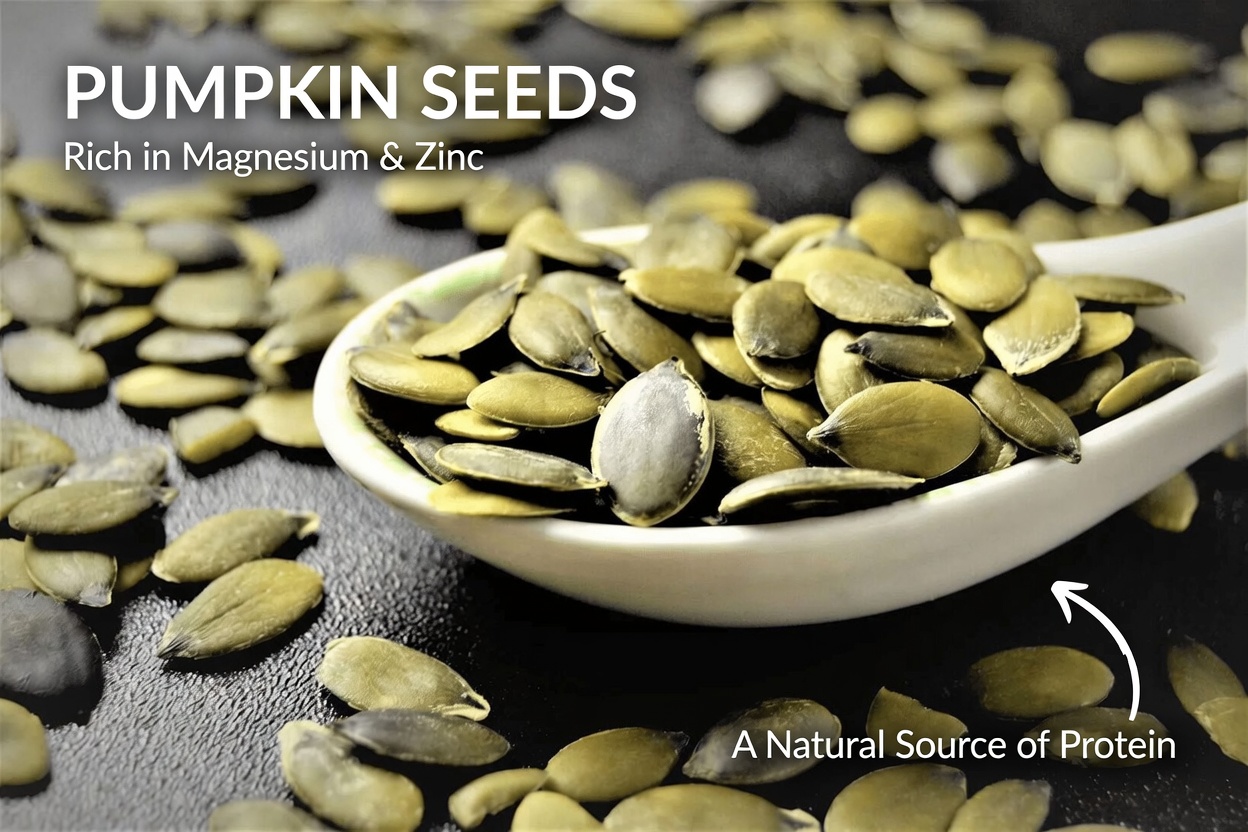
Also known as pepitas, pumpkin seeds are exceptionally rich in magnesium—a mineral vital for muscle function, relaxation, and quality sleep. They’re also a notable source of zinc, which plays a role in everyday immune support. When eaten as part of an overall balanced diet, they may help maintain healthy cholesterol levels.
Key benefits of pumpkin seeds:
- High in antioxidants that help counter daily oxidative stress
- Provide plant-based protein to support muscle maintenance
- Contain tryptophan, an amino acid linked with relaxation and sleep
- Simple to roast for a crunchy, satisfying snack
2. Flaxseeds
Flaxseeds are best known for their plant-based omega-3 fatty acids and lignans, compounds studied for their potential health benefits. Ground flaxseeds are preferable, since the body can absorb their nutrients more efficiently in this form. Many nutrition experts suggest starting with 1–2 tablespoons per day.
Why flaxseeds are helpful:
- Rich in soluble fiber that supports comfortable, regular bowel movements
- Provide plant-based omega-3s that contribute to heart and overall wellness
- Offer natural plant compounds often associated with hormone balance
- Inexpensive, widely available, and long-lasting when stored properly
3. Chia Seeds
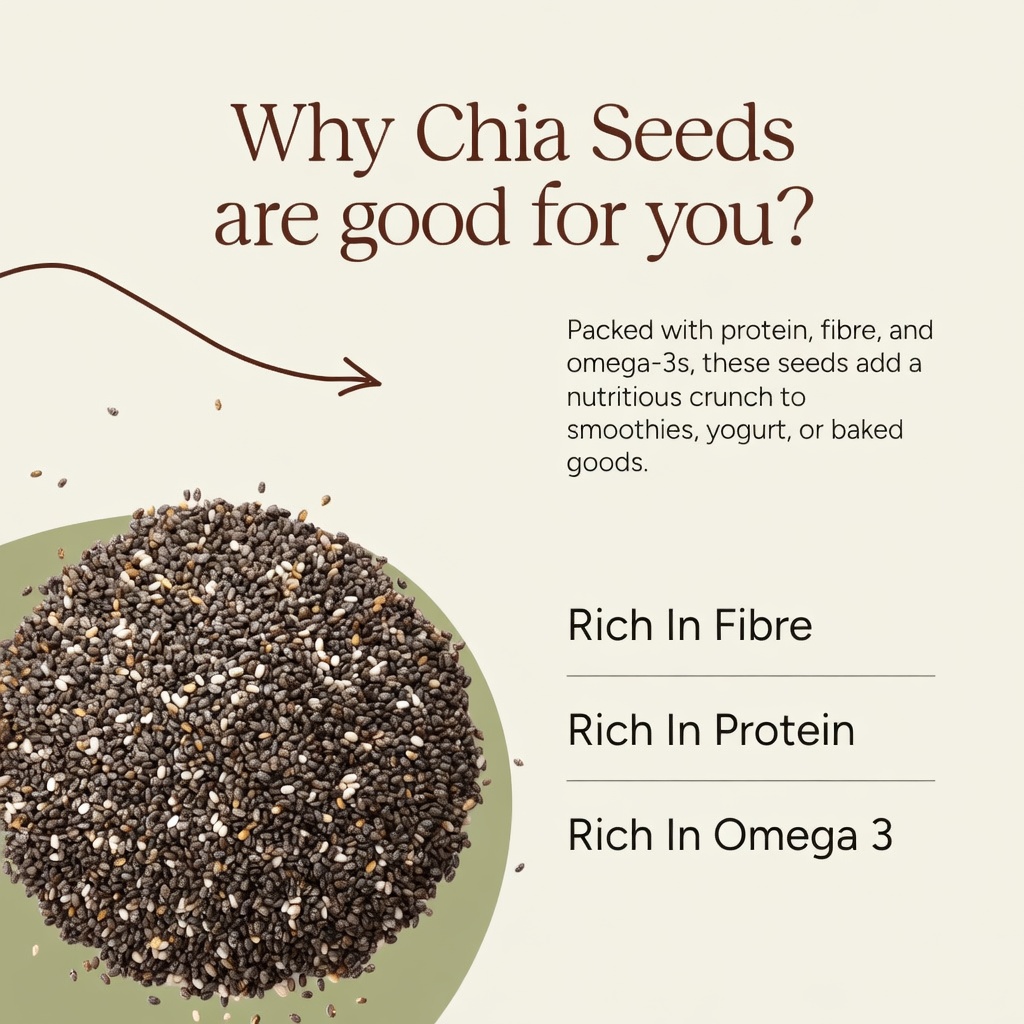
Chia seeds swell and form a gel when soaked in liquid, making them ideal for puddings, smoothies, and overnight recipes. They supply fiber, protein, and calcium in a very small serving. A 2021 review highlighted their potential role in supporting healthy blood sugar levels as part of an overall balanced diet.
Benefits of chia seeds:
- Excellent plant-based source of calcium to support bone health
- Provide complete protein containing all essential amino acids
- Supply omega-3 fats that may contribute to brain health
- Naturally thicken recipes, adding texture without altering flavor too much
4. Sunflower Seeds
Sunflower seeds are rich in vitamin E and selenium—two nutrients that help protect cells from everyday damage. Just one ounce delivers healthy fats and a satisfying crunch. Many dietitians include them in heart-conscious eating plans.
What sunflower seeds offer:
- Vitamin E that supports skin and eye comfort
- Selenium, which plays a role in thyroid function
- A good amount of heart-healthy monounsaturated fats
- A budget-friendly, easy-to-find option in most stores
5. Sesame Seeds
Sesame seeds may be small, but they offer notable amounts of calcium and iron. They contain a compound called sesamin, which has been studied for its potential role in managing everyday inflammation. A light sprinkle instantly boosts both flavor and nutrition.
Advantages of sesame seeds:
- Provide more calcium per ounce than many non-dairy alternatives
- Supply iron, which helps support natural energy levels
- Contain lignans that research links with general wellness
- Taste especially delicious when lightly toasted over salads or stir-fries
6. Hemp Seeds
Hemp seeds are a standout source of plant-based, complete protein with a gentle, nutty flavor. They provide a balanced ratio of omega-3 and omega-6 fats. A three-tablespoon serving contains more protein than many other seeds, making them popular in plant-forward meal plans.
Why hemp seeds are worth adding:
- Around 9 grams of protein in a modest serving
- Typically easy to digest, even for more sensitive stomachs
- Provide magnesium, supporting muscle and nerve function
- No shells to remove—just sprinkle them on and enjoy
What Research Suggests About These Seeds
A range of studies, including summaries from sources like Healthline and the BBC, point to a consistent pattern: diets that regularly include seeds like these are often associated with:
- Healthier heart markers
- Smoother, more regular digestion
- More stable energy levels
The combination of fiber, protein, and healthy fats helps you stay fuller for longer, which may support weight management and reduce unnecessary snacking.
What surprises many people is how powerful the combination of all six seeds can be. Using a small mix daily creates a simple, sustainable routine that supports healthy aging—without drastic diet overhauls.
5 Simple Ways to Add These Seeds to Your Day
You don’t need special tools or complicated recipes to start. Begin with small steps and let the habit grow naturally.
Here are easy ideas you can use right away:
-
Boost your breakfast
Sprinkle 1 tablespoon of mixed seeds over yogurt, oatmeal, or porridge for instant crunch, flavor, and nutrition. -
Upgrade your smoothies
Blend chia or ground flaxseeds into smoothies. They thicken the drink gently and blend into the taste almost unnoticed. -
Create a smarter snack
Roast pumpkin and sunflower seeds with a little olive oil and mild seasoning for an afternoon snack that’s more nourishing than chips or cookies. -
Enhance soups and salads
Add hemp and sesame seeds to soups, salads, or grain bowls at lunch. You’ll get extra protein and healthy fats with almost no effort. -
Try overnight chia pudding
Mix chia seeds with milk or a dairy-free alternative, add a touch of sweetener and fruit, and refrigerate overnight. In the morning, you’ll have a ready-made breakfast that keeps you full for hours.
Bonus tips:
- Grind flaxseeds fresh each week to keep their nutrients at their best.
- Store all seeds in airtight containers in the refrigerator to keep them fresh and prevent the oils from going rancid over time.
Smart Tips and Precautions for Seniors
Most people can enjoy these seeds safely, but a few simple precautions make them even more beneficial:
- Start small if you’re not used to high-fiber foods. Gradually increase the amount so your digestion can adapt.
- Choose unsalted seeds to avoid excess sodium, particularly if you watch your blood pressure.
- Talk to your doctor if you take medications or have digestive conditions, as increasing fiber can sometimes affect how medicines are absorbed.
- Avoid seeds entirely if you have known seed allergies.
- Aim for moderation: about 1–2 tablespoons total per day is usually enough to see benefits without adding too many extra calories.
Bringing It All Together: Seeds for Everyday Vitality
Incorporating these six seeds into your meals takes only a few minutes a day, yet can contribute to noticeable changes in how you feel—more steady energy, better digestion, and a sense of nutritional “insurance” as you age.
Their winning combination of protein, fiber, healthy fats, vitamins, and minerals supports the kind of everyday wellness that helps you stay active, independent, and engaged in life. And the best part: they’re affordable, widely available, and genuinely enjoyable to eat.
Frequently Asked Questions
How much of these seeds should I eat per day?
Many nutrition professionals recommend a total of about 1–2 tablespoons per day across all the seeds combined. This amount offers meaningful nutrition without significantly increasing calorie intake. You can divide it between meals for steady benefits.
Can I eat these seeds if I have dentures or swallowing difficulties?
Yes, with a few adjustments:
- Grind harder seeds like flax or pumpkin into a fine meal.
- Use hulled seeds (like shelled hemp seeds).
- Soak chia seeds so they form a soft gel, which is generally easier to chew and swallow.
Always follow any specific guidance from your dentist or healthcare provider.
Do I need to eat all six types of seeds every day?
No. You can:
- Rotate different seeds throughout the week
- Mix three or four favorites together
- Change combinations to keep meals interesting
Variety helps you cover a broader range of nutrients without feeling bored.
Disclaimer
This content is for informational and educational purposes only and does not constitute medical advice. It is not a substitute for professional diagnosis, treatment, or guidance. Always consult your healthcare provider before making significant changes to your diet, especially if you have existing health conditions, digestive issues, allergies, or take prescription medications. Individual experiences and results may vary.