
Why Switching to Night Showers Can Transform Your Sleep
For many people, the default routine is a quick shower first thing in the morning to wake up and feel fresh. But as your day unfolds, your skin gradually collects sweat, dust, pollen, sunscreen, makeup, and everyday pollution that builds up without you really noticing. If you go to sleep without rinsing all of that away, it ends up on your pillowcases and sheets and may affect how comfortable you feel during the night.
Shifting your shower to the evening can do more than just make you feel clean. It can help your body relax, support deeper, more restorative sleep, and help you wake up feeling genuinely refreshed. What’s remarkable is how this small timing change lines up with your body’s natural sleep–wake pattern in ways that current research continues to highlight.
The real difference comes down to two things: when you shower and how warm the water is. Get those right, and your nightly shower can work with your sleep cycle instead of fighting against it.

The Sleep Science Behind Evening Showers
Your body runs on a 24-hour internal clock known as the circadian rhythm. One important part of that rhythm is temperature: your core body temperature naturally declines in the evening, signaling that it’s time to slow down and prepare for sleep.
Sleep research, including findings from meta-analyses in scientific journals, suggests that a warm shower about 90 minutes before bed can enhance this natural cooling process. Here’s how it works:
- Warm water briefly raises your core temperature.
- After you step out, your body cools down more quickly.
- That faster cooling may help you fall asleep faster and enjoy deeper, more continuous sleep.
Scientists sometimes refer to this as the “warm bath effect.” Many people notice that they feel looser and less wound up after a warm night shower, which fits with what we know: warm water can help ease muscle tightness and release tension accumulated throughout the day.
Unlike a brisk morning shower that tends to stimulate and wake you up, a well-timed evening shower can become part of a calming wind-down routine that supports your natural sleep signals rather than interrupting them.
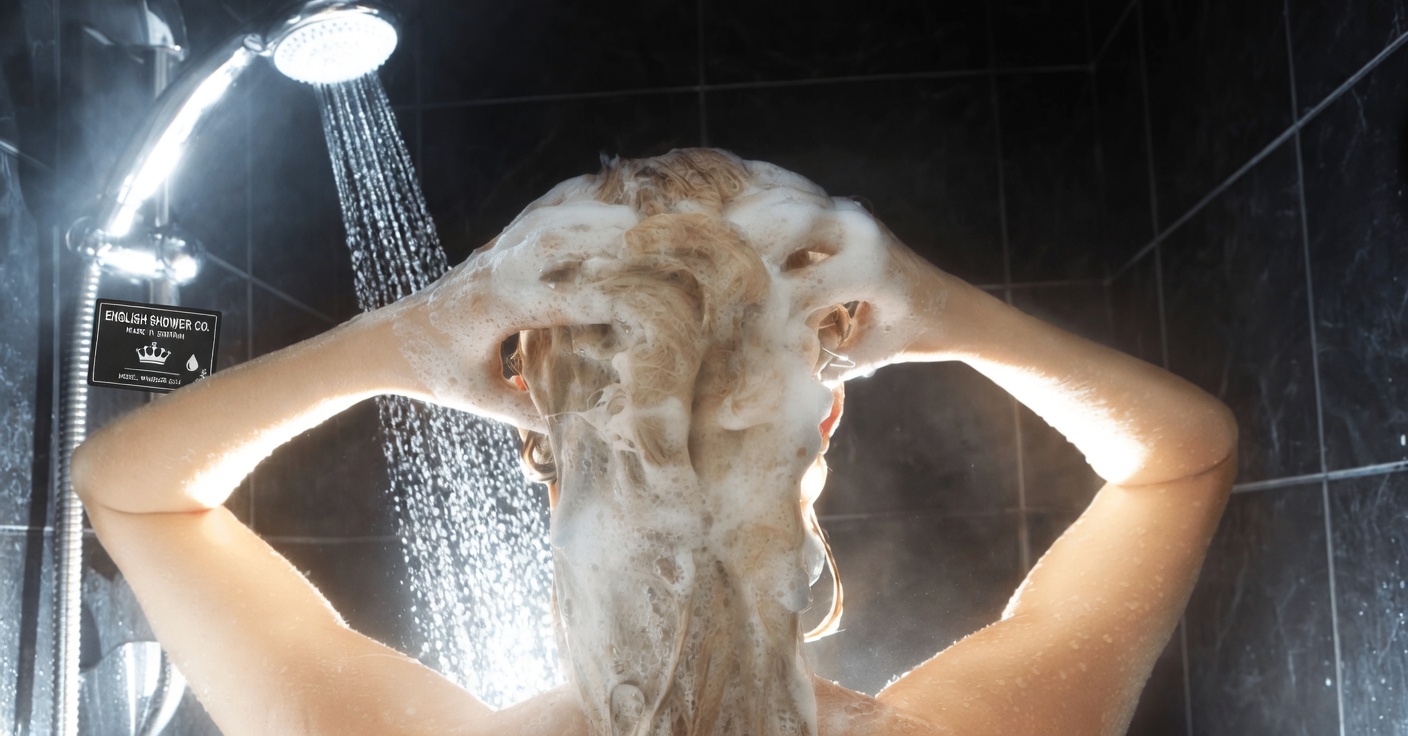
How Night Showers Clear Away the Day
During the day, your skin collects much more than sweat. You’re exposed to:
- Airborne pollutants and dust
- Pollen and outdoor debris
- Sunscreen, makeup, and skincare residue
- Natural oil and dead skin cell buildup
If you skip washing all of this off before bed, it ends up on your pillow and sheets, where it can stay in close contact with your face and body for hours.
Taking a shower at night removes this buildup before you climb into bed. This can:
- Help keep your bedding cleaner for longer
- Reduce potential irritation for people with sensitive or reactive skin
- Feel especially relieving for those living in cities or dealing with seasonal allergies
Dermatologists often emphasize that going to sleep with clean skin gives your skin barrier a better chance to repair itself overnight, without having to “fight through” layers of dirt and residue. You also avoid carrying yesterday’s grime into a new day and fresh clothes.
Night Showers vs. Morning Showers: Key Benefits
Both morning and evening showers have their own advantages. Here’s a simple comparison:
Night Shower Benefits
- Rinses away the day’s sweat, dirt, pollen, and pollutants
- Supports your body’s natural cooling process for easier sleep
- Helps keep sheets and pillowcases cleaner
- Allows moisturizers and body lotions to absorb more effectively after showering
Morning Shower Benefits
- Washes off overnight sweat, oil, and dead skin cells
- Can boost alertness and help you feel more awake
- Prepares skin for daytime products like sunscreen and makeup
- May help some people feel fresher and more confident during the day
Both routines are valid. However, once many people experiment with showering at night, they find the evening ritual better matches their sleep, skin, and lifestyle needs.
Why Your Skin and Bedding Benefit From an Evening Routine
Lying down on bedding that’s repeatedly exposed to daily grime can lead to more buildup over time. By showering in the evening, you step into bed with clean skin and hair, giving your sheets and pillowcases a cleaner starting point.
Dermatology experts highlight that removing sunscreen, makeup, and environmental residue before sleep helps prevent these particles from sitting on your skin for 6–8 hours or more. This may be especially helpful if you:
- Wear heavy makeup or long-wear products
- Use daily sunscreen
- Live in a high-pollution or dusty environment
If your skin tends to be dry, an evening shower followed by immediate moisturization can be particularly beneficial. When your skin is still slightly warm and damp, it absorbs moisturizers more effectively, helping lock in hydration.
Since skin cell turnover and repair processes naturally increase at night, this timing can support your skin’s overnight renewal without needing complicated routines.
How to Transition to Night Showers: A Simple Guide
Switching from morning to evening showers doesn’t have to be complicated. These practical steps can help the routine feel smooth and natural:
-
Time it about 90 minutes before bed
This gives your body enough time to cool down after the warm water, which can promote better sleep. -
Choose warm, not very hot, water
Aim for around body temperature or slightly warmer. Water that is too hot can strip your skin of natural oils and cause dryness. -
Keep it short and gentle
A 5–10 minute shower is usually enough. Focus on mild, non-stripping cleansers, especially if you shower daily or have dry or sensitive skin. -
Pat dry and moisturize immediately
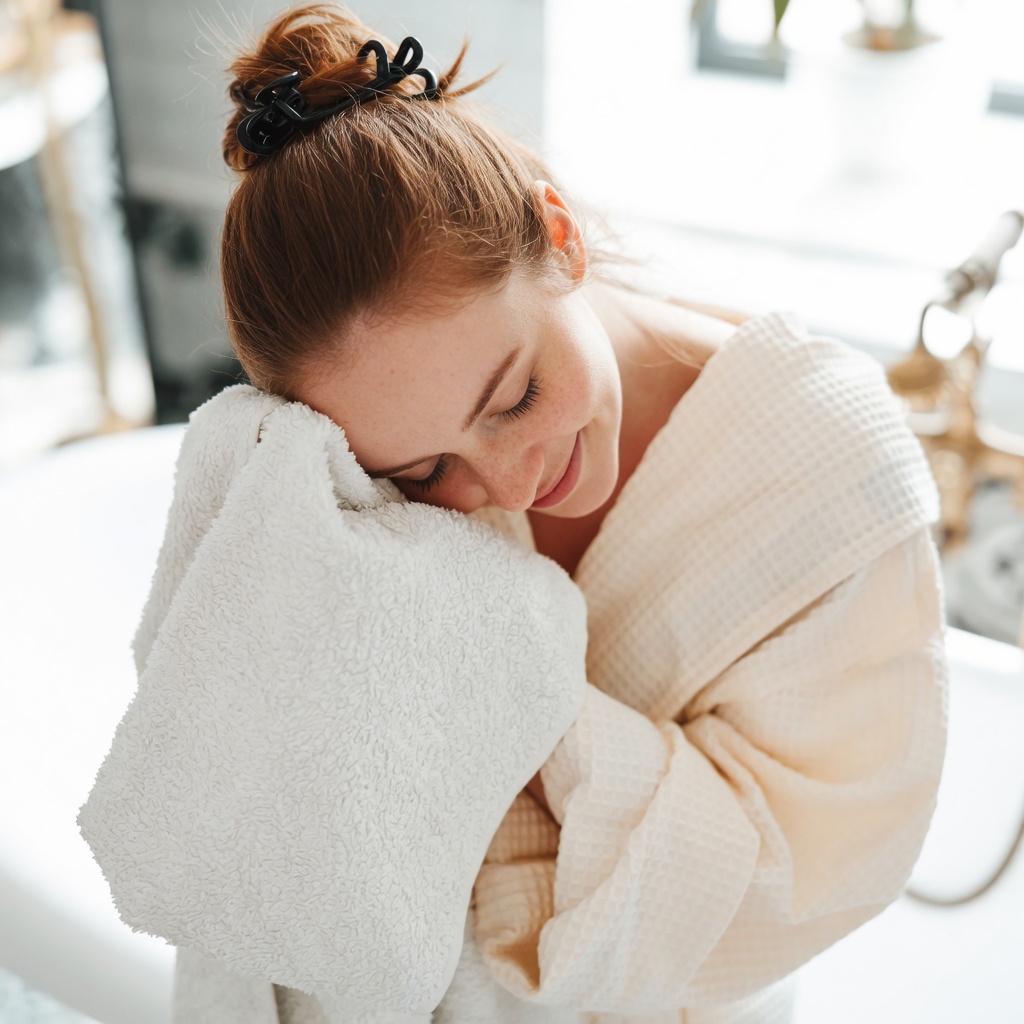
Gently pat (don’t rub) your skin with a towel, then apply your preferred moisturizer or body lotion while your skin is still damp to seal in moisture. -
Protect your wind-down routine
After your shower, keep lights dim and minimize screen time where possible. This helps your brain and body stay in “relax mode” and supports healthy sleep patterns.
Try this for several nights in a row and pay attention to how you feel in the evening and upon waking. Many people report sleeping more soundly and feeling less groggy in the morning once the habit settles in.
What If You Still Prefer Morning Showers?
There is no single “correct” shower schedule that works for everyone. Your ideal routine depends on your lifestyle, skin type, and daily activities.
You might choose to:
- Shower at night for sleep and skin benefits
- Add a quick morning rinse after a sweaty workout or on hot, humid days
- Alternate between morning and night depending on your schedule
Some days, both a brief night shower and a short morning rinse make sense—and that’s completely fine as long as your skin tolerates it and you use gentle products.
The main goal is to pay attention to how your body responds. If showering before bed helps you unwind faster, sleep more deeply, or wake up feeling cleaner and more refreshed, it’s a strong sign that this routine works for you.
Frequently Asked Questions
Can I shower both morning and night without damaging my skin?
For most people, two short showers a day is acceptable, especially if you:
- Use mild, fragrance-free or low-irritant cleansers
- Avoid very hot water
- Apply a moisturizer afterward
If you have very dry, sensitive, or eczema-prone skin, you may need to limit frequency or adjust your routine. When in doubt, check with a dermatologist.
What if a night shower makes me feel too awake?
If you feel wired instead of relaxed after showering at night, try adjusting:
- Timing: Shower earlier in the evening so your body has extra time to cool down.
- Temperature: Use warm, not hot, water and consider finishing with slightly cooler water for the last 20–30 seconds to support natural cooling.
Experiment a bit until you find the combination that leaves you calm rather than stimulated.
Is there an ideal water temperature for evening showers?
Research suggests that warm water around 104°F (40°C) for about 10 minutes, taken 1–2 hours before bed, may offer the best relaxation and sleep benefits for many people. However, the “right” temperature also depends on personal comfort and skin tolerance. If your skin turns red or feels tight and itchy afterward, it’s likely too hot.
Important Disclaimer
This content is for informational purposes only and does not replace professional medical advice, diagnosis, or treatment. Individual experiences will vary. Always consult your healthcare provider or dermatologist before making significant changes to your showering, skincare, or sleep routine, especially if you have existing skin conditions, allergies, or sleep disorders.