
Everyday Foods That Quietly Disrupt Blood Sugar (And What To Do Instead)
Many people believe that as long as they avoid cakes, candy, and sugary drinks, their blood sugar will stay under control. Yet even those who rarely touch dessert can still experience unexpected spikes from ordinary meals that seem completely harmless. With busy schedules, it’s easy for quick comfort foods like rice, bread, or noodles to become daily staples without much thought.
The reality: these familiar foods can influence how your body manages glucose in ways that surprise most people.
Here’s the perspective shift that matters: some of the most common “everyday favorites” can have a stronger impact on blood sugar than many realize – and learning a few simple swaps can dramatically improve stability.

The Story That Got Millions Thinking About Blood Sugar
A widely circulated online story described a 36-year-old teacher whose health suddenly changed, even though she rarely ate desserts. According to the report, doctors pointed out four routine foods she loved and ate often.
While every individual case is different and diabetes has many contributing factors, the conversation struck a nerve: it showed how non-sweet foods can still drive blood sugar higher. Research from organizations such as the American Diabetes Association supports this idea, noting that a food’s glycemic index plays a major role in everyday blood glucose patterns.
Still, that viral account is only part of the picture. To truly understand what’s going on, it helps to look at what nutritional science says about these types of foods.
Why Foods That Don’t Taste Sweet Can Still Spike Blood Sugar
Whether or not something tastes sugary, the body breaks most carbohydrates down into glucose. Highly refined grains and starchy foods are digested quickly, which can cause blood sugar to rise sharply soon after eating.
Studies published in journals like Diabetes Care show that repeated spikes over time may strain the body’s insulin response, especially when combined with other factors such as chronic stress, inactivity, extra weight, or a family history of diabetes.
What makes this tricky is that many of these foods are seen as “normal,” “comforting,” or even “healthy” in different cultures. Yet:
- The portion size
- The way the food is cooked
- What you eat alongside it
can dramatically change how your body responds.
The 4 Common Everyday Foods Often Discussed – And What Research Suggests
In the popular story and in many similar discussions, four familiar foods frequently come up. Here’s a closer look at each one through the lens of general nutrition science:
1. White Rice
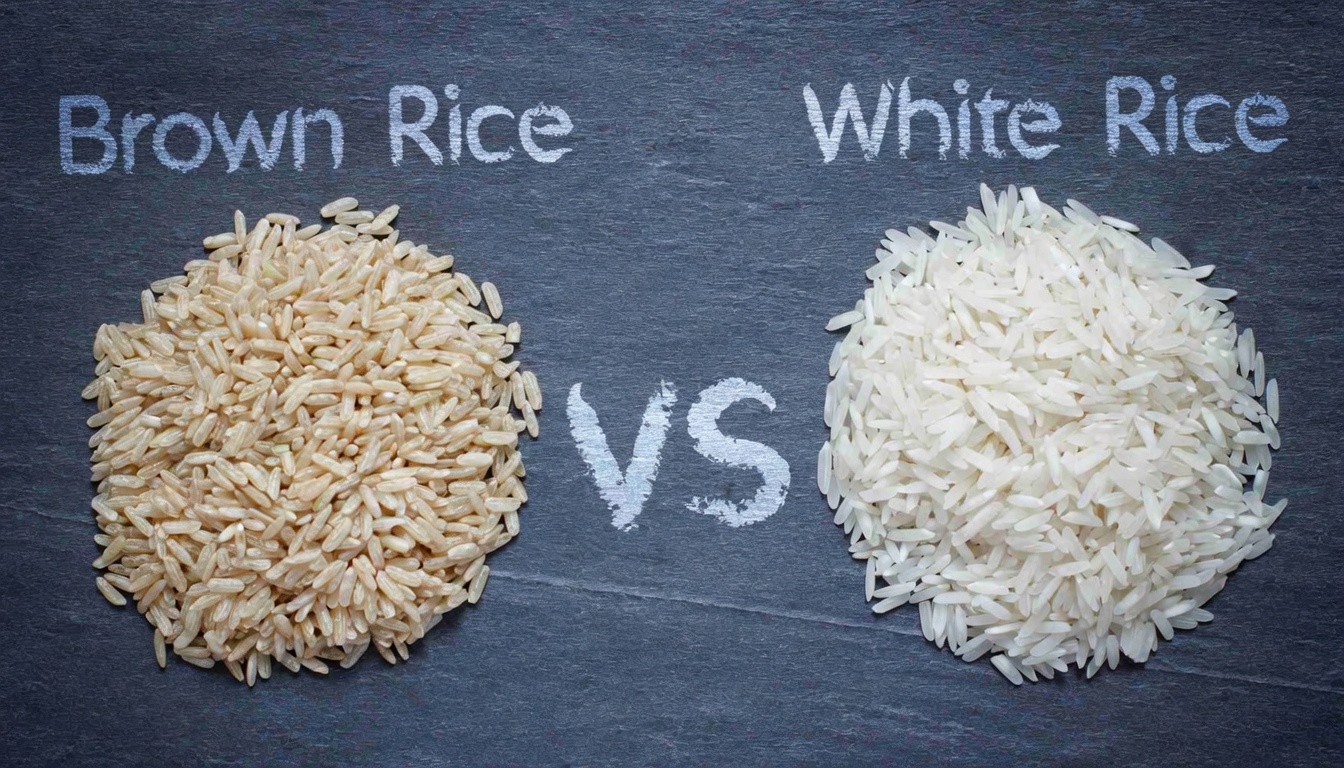
White rice is a key part of meals in many parts of the world, but it has a relatively high glycemic index. This means it tends to raise blood sugar more quickly than whole-grain alternatives.
Research from the Harvard T.H. Chan School of Public Health has indicated that swapping white rice for brown rice or mixed whole grains may help support more stable glucose levels over time.
2. White Bread or Toast
Refined white bread is convenient, but it’s made from highly processed flour that the body digests rapidly. This fast breakdown can lead to quick rises in blood sugar.
Nutrition experts generally advise choosing whole-grain or sprouted-grain bread and combining it with fiber and protein (for example, eggs, nut butter, or hummus) to slow down absorption.
3. Potatoes (Especially Fried or Mashed)
Potatoes are technically vegetables, but they are rich in starch and can act more like a refined carbohydrate than a leafy green. Fried potatoes (like fries or chips) and creamy mashed potatoes tend to release glucose quickly.
However, preparation matters. Baking potatoes with the skin on or cooking and then cooling them can increase resistant starch, a form of starch that behaves more like fiber. Reviews in journals such as Nutrition Reviews suggest that resistant starch can have a gentler impact on blood sugar.
4. Processed or Refined Carbs Like Pasta or Noodles
Savory pasta dishes or noodle bowls may not taste sweet, but many refined versions act similarly to sugary foods once digested. They can rapidly turn into glucose if eaten in large portions on their own.
Pairing pasta or noodles with plenty of vegetables, lean protein (such as fish, chicken, tofu, or legumes), and healthy fats (like olive oil or nuts) can slow digestion and improve blood sugar response.
These foods are not inherently “forbidden” or “bad.” They are simply items that may need extra attention if your goal is steady blood sugar and better metabolic health.
How to Keep Enjoying These Foods Without Big Spikes
You don’t have to eliminate rice, bread, potatoes, or pasta to care for your blood sugar. Small, consistent tweaks often have a powerful impact. Consider these practical strategies you can start using immediately:
- Replace part of your white rice with alternatives like cauliflower rice, quinoa, barley, or brown rice.
- Fill at least half your plate with non-starchy vegetables (such as leafy greens, broccoli, peppers, or cucumbers) before adding starches.
- Include a source of protein (eggs, chicken, fish, tofu, beans, lentils) and healthy fat (avocado, nuts, seeds, olive oil) with every carb-heavy meal.
- Choose cooking techniques like steaming, boiling, baking, or cooking-then-cooling some starches to increase resistant starch.
- Pay attention to portions: aim for about one fist-sized serving of starchy foods, using a smaller plate if it helps control serving sizes.
Research in the New England Journal of Medicine indicates that these balanced-plate approaches can help many people maintain more even energy and glucose levels throughout the day.
Everyday Habits That Support Steadier Blood Sugar
Food is only one part of the puzzle. Lifestyle habits can either amplify or reduce blood sugar swings. The following simple practices work well alongside the food strategies above:
- Move after meals: A short 10–15 minute walk after eating can significantly improve how your body uses glucose.
- Stay well hydrated: Drinking enough water helps your kidneys process excess sugar more efficiently.
- Try this eating order: Start with vegetables, then protein, and finish with starches or sweets. Studies show this sequence can reduce post-meal glucose peaks by up to 30%.
- Track patterns briefly: Logging meals, activity, and how you feel for just 1–2 weeks can reveal which foods and habits work best for your body.
- Protect your sleep: Poor or short sleep can worsen insulin sensitivity and increase cravings for high-carb foods.
These are not rigid rules, but realistic adjustments that can fit into busy, modern lifestyles.
What You Might Notice After Making These Changes
People who adopt these strategies often report:
- More stable energy instead of mid-afternoon crashes
- Less brain fog and greater focus
- Fewer intense cravings between meals
- A better sense of control and confidence around food choices
A large review in The Lancet has emphasized that consistent, moderate dietary changes—rather than extreme diets—support long-term metabolic health for large populations.
The most important takeaway: it’s not about flawless eating. It’s about gradual improvements, paying attention to how your body responds, and making choices you can stick with over time.
Frequently Asked Questions
Can I still eat my favorite foods if I’m worried about blood sugar?
Yes. Most people do not need to give up their favorite foods completely. The focus should be on:
- Balancing meals with protein, fiber, and healthy fats
- Keeping portions of refined carbs moderate
- Using smarter pairings and timing
Many individuals continue to enjoy rice, bread, noodles, or potatoes regularly while maintaining stable blood sugar by following these principles.
Do I need to completely avoid carbohydrates?
No. Carbohydrates are a key fuel source for the body and brain. Evidence-based guidelines from major health organizations recommend:
- Emphasizing high-quality carbs such as vegetables, fruits, legumes, and whole grains
- Limiting highly refined options and ultra-processed snacks
- Combining carbs with protein and healthy fats to reduce rapid spikes
The goal is not “no carbs,” but “better carbs” and better combinations.
How quickly might someone notice changes?
Some people notice more even energy and fewer crashes within a week or two of consistently adjusting their meals and habits. However, everyone’s physiology is different.
For those monitoring blood sugar with a glucometer or continuous glucose monitor, changes in post-meal readings may appear fairly quickly. Working with a healthcare professional can provide a clearer, personalized picture.
Final Thoughts
Recognizing how everyday foods like rice, bread, potatoes, and pasta affect blood sugar can transform the way you build your plate—without forcing you into extreme diets. The viral story about the 36-year-old teacher serves as a reminder that “non-sweet” does not always mean “blood-sugar neutral.”
By making small, sustainable swaps, focusing on whole foods, and balancing your meals with protein, fiber, and healthy fats, you give your body a better chance to maintain stable glucose day after day. Over time, these choices can support your energy, mood, and long-term metabolic health.
This article is for informational purposes only and does not replace professional medical advice. Always talk with your doctor or a registered dietitian before making significant changes to your diet or lifestyle, especially if you have diabetes, prediabetes, or other health conditions. Individual responses vary, and personalized guidance is essential for your unique situation.