Everyday Foods That Help Support Muscle as You Age
Over time, many people notice their strength and stamina fading. Tasks that once felt effortless—carrying groceries, climbing stairs, or getting up from a chair—can start to feel draining and may chip away at confidence and independence. Feeling weaker or more tired than before is frustrating, but there is encouraging news: what you eat every day can meaningfully support how your muscles perform as you get older.
This guide highlights seven simple, research-backed foods that can help maintain muscle health over time—including one surprisingly powerful, easy-to-find vegetable that fits seamlessly into most routines.

How Muscles Change With Age
From around age 30—and more rapidly after 60—many adults gradually lose muscle mass and strength. This age-related decline, often called sarcopenia, can be influenced by:
- Reduced physical activity
- Hormonal changes
- Shifts in how the body uses protein and other nutrients
Although this process is common, it doesn’t affect everyone in the same way. Lifestyle choices, especially diet and movement, play a major role in how well your muscles hold up over the years. The right nutrients can help your body preserve muscle tissue and function for as long as possible.
Why Nutrition Is So Important for Muscle Maintenance
Scientific reviews repeatedly highlight a few key nutrients that are central to muscle protein synthesis—the ongoing process of building and repairing muscle:
- High-quality protein
- Leucine, a crucial amino acid for muscle-building signals
- Omega-3 fatty acids, which may help reduce inflammation
- Antioxidants from fruits and vegetables, which help fight oxidative stress
Regularly eating a variety of whole foods supplies your body with these building blocks. Just as important as what you eat is when and how consistently you eat it. Spreading protein evenly across the day and including nutrient-rich foods at every meal can be more effective than relying on one large serving.
7 Everyday Foods That Support Muscle Health
The following foods are easy to find, affordable, and simple to incorporate into daily meals. They’re also backed by research for their nutrient content and role in healthy aging.

1. Eggs – Compact, Complete Protein
Eggs are a powerhouse of complete protein, delivering all the essential amino acids your body requires, including leucine, which plays a key role in stimulating muscle protein synthesis in older adults. They also naturally provide vitamin D, a nutrient associated with muscle function and strength.
Many older adults appreciate that eggs are easy to digest and very quick to prepare.
How to use them:
- Scramble or poach two eggs with vegetables several mornings a week
- Keep hard-boiled eggs in the fridge for an easy snack
- Aim for about 20–30 grams of protein per meal, using eggs as one of your protein sources
2. Salmon – Protein With Omega-3 Power
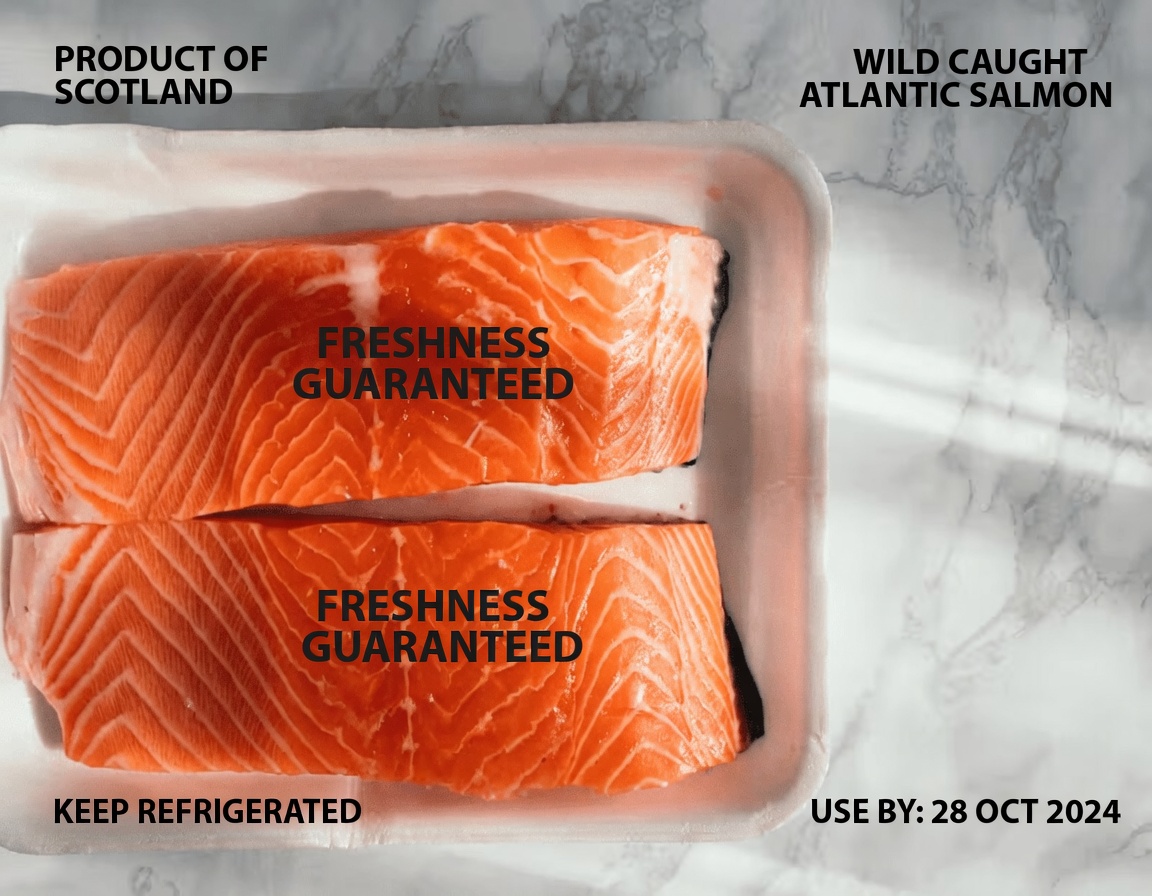
Fatty fish such as salmon offers a double benefit: high-quality protein plus omega-3 fatty acids. Studies associate omega-3s with lower inflammation and better preservation of muscle mass and function in aging adults.
Even a couple of servings per week can make a difference in how energetic and strong you feel day to day.
How to use it:
- Bake or grill a 3–4 ounce portion with herbs and lemon
- Use canned salmon in salads, sandwiches, or grain bowls when fresh fish isn’t available
- Combine with vegetables for a balanced, muscle-supportive meal
3. Greek Yogurt – Convenient Protein and Calcium
Greek yogurt is naturally higher in protein than regular yogurt, often providing 15–20 grams per serving. It also supplies calcium and, in many brands, added vitamin D—both important for bones and muscles.
Research on dairy proteins suggests they are particularly effective in supporting muscle health when eaten regularly.
How to use it:
- Blend plain Greek yogurt into smoothies
- Enjoy it with fresh fruit and a sprinkle of nuts as a snack
- Choose unsweetened varieties to keep added sugar low
4. Lentils and Beans – Budget-Friendly Plant Proteins
Legumes, including lentils, black beans, chickpeas, and others, are excellent sources of plant-based protein. They also deliver fiber, magnesium, potassium, and other nutrients tied to muscle function and overall vitality.
They’re inexpensive, widely available, and perfect for batch cooking.
How to use them:
- Add cooked lentils to salads, soups, or grain bowls
- Use beans in chili, stews, or mixed with vegetables and whole grains
- Include them several times a week to help meet protein needs while reducing reliance on meat
5. Almonds – Compact, Nutrient-Dense Snack
Almonds provide a satisfying combination of protein, healthy fats, and magnesium. Magnesium is crucial for normal muscle contraction and energy production, as emphasized in multiple nutrition reviews.
Their portability makes them one of the easiest muscle-friendly snacks to keep on hand.
How to use them:
- Carry a small handful (about 1 ounce) for a mid-afternoon pick-me-up
- Sprinkle chopped almonds over yogurt, oatmeal, or salads
- Use them as a crunchy topping for roasted vegetables
6. Spinach and Leafy Greens – Mineral and Antioxidant Allies
Dark leafy greens such as spinach, kale, and Swiss chard are rich in magnesium, potassium, vitamin K, and antioxidants. These nutrients help support nerve and muscle function and protect cells from everyday oxidative stress.
Studies consistently link higher vegetable intake with better physical performance and mobility in older adults.
How to use them:
- Toss a handful into omelets, sandwiches, or smoothies
- Lightly sauté or steam greens for a quick side dish
- Aim to include leafy greens most days of the week
7. Carrots – The Underrated Antioxidant Vegetable
Carrots are particularly high in carotenoids such as alpha-carotene and beta-carotene. Observational studies have linked higher intakes of these compounds with better muscle strength and a lower risk of age-related muscle decline in older adults.
Their natural sweetness and crunch make carrots especially easy to enjoy regularly.
How to use them:
- Snack on raw carrot sticks, possibly with hummus or yogurt dip
- Roast carrots with olive oil and herbs as a side dish
- Add them to soups, stews, or stir-fries
This familiar vegetable is often overlooked, yet its antioxidant profile makes it a smart, simple addition to a muscle-supportive diet.
Making It Work: Simple Ways to Add These Foods Daily
Consistency matters more than perfection. Small, repeatable habits are what move the needle over time. Here are practical ideas to use these foods regularly:
- Include at least one protein-rich food at every meal (eggs, Greek yogurt, salmon, lentils, or beans)
- Combine colorful vegetables like carrots and spinach with your main dishes
- Choose smart snacks such as almonds or Greek yogurt between meals
- Batch-cook: roast a tray of carrots and prepare a pot of lentils or beans for the week
- Distribute protein intake across the day instead of consuming most of it at dinner
Easy Meal Ideas to Get Started
Use these simple combinations to turn the list into real meals:
- Breakfast: Omelet with eggs, spinach, and a side of sliced carrots or carrot sticks
- Lunch: Lentil salad with chopped almonds and a Greek yogurt–based dressing
- Dinner: Baked salmon served with roasted carrots and steamed spinach
- Snack: A bowl of plain Greek yogurt topped with a few almonds
These meals are straightforward to prepare, flavorful, and rich in nutrients that support muscle health and overall well-being.
Pairing Good Nutrition With Gentle Movement
Food provides the raw materials for muscle maintenance, but movement helps your body use those materials effectively. Combining a nutrient-dense diet with regular, manageable activity can enhance results.
Helpful options include:
- Walking at a comfortable pace
- Chair exercises
- Light resistance training with bands or light weights
Even 10 minutes a day can make a difference over time. Increase gradually, listen to your body, and speak with your healthcare provider before making major changes to your exercise routine—especially if you have existing health conditions.
The Bottom Line: Small Steps Add Up
Incorporating these seven foods into your routine is a realistic, enjoyable way to support muscle health as you age. Instead of drastic overhauls, focus on:
- Adding one new food at a time
- Building meals around protein and colorful vegetables
- Staying consistent week after week
Many older adults report feeling more energetic, stable, and capable when they prioritize nutrition alongside gentle activity. You don’t need a perfect diet to see benefits—you just need to start, even with one or two small changes this week.
Frequently Asked Questions
How much protein should older adults aim for each day?
Most research suggests that many seniors benefit from 1.0 to 1.2 grams of protein per kilogram of body weight per day, spread across meals. That typically works out to about 20–35 grams of protein per meal. Distributing protein evenly throughout the day appears more effective for muscle support than consuming most of it in a single large meal.
Do I need supplements, or can food alone be enough?
For many people, a well-planned diet rich in whole foods provides sufficient protein, vitamins, minerals, and healthy fats to support muscle health. Whole foods also contain beneficial compounds—like antioxidants and phytonutrients—that supplements can’t fully replicate. In some situations, though, a healthcare provider or dietitian may recommend specific supplements (such as vitamin D, protein powders, or omega-3s) to fill gaps or address individual needs.
Is it ever too late to start focusing on these foods?
No. It’s never too late to improve your nutrition. Research shows that even older adults who make positive changes later in life can experience better strength, function, and quality of life. Whether you are in your 50s, 70s, or beyond, adding more protein-rich foods, colorful vegetables, and healthy fats can support your muscles and help you feel more capable in everyday activities.