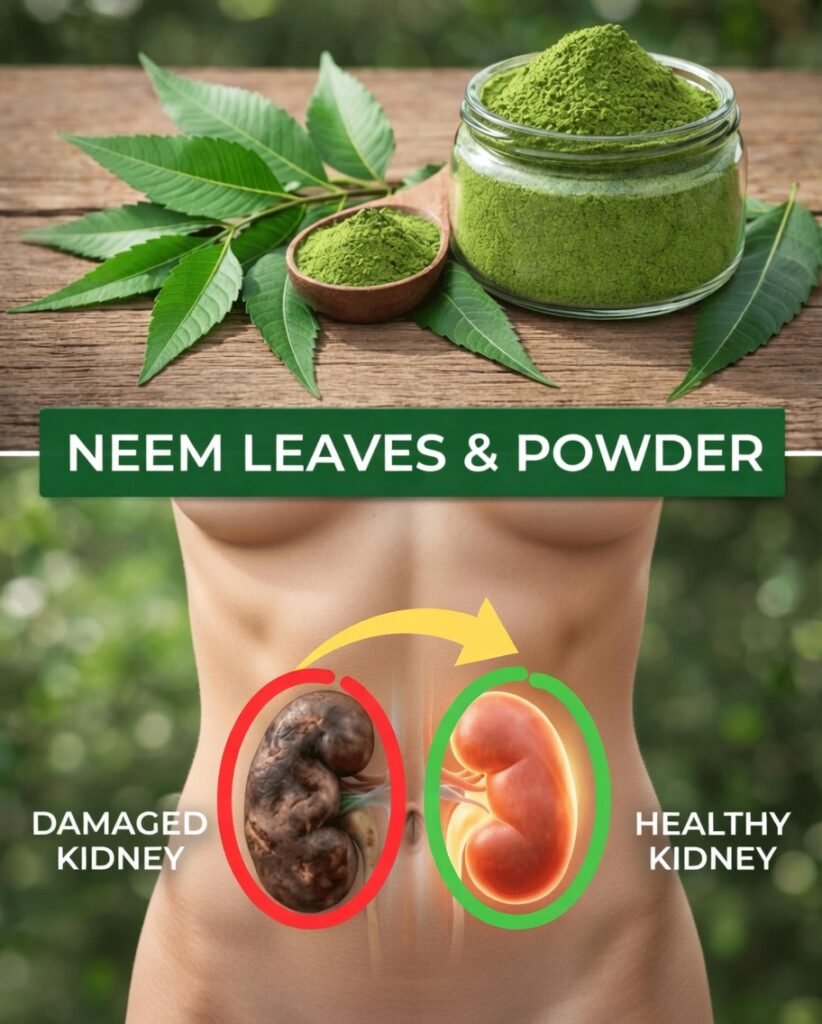
Neem Leaves: A Traditional Remedy for Modern Health Concerns
Many people today deal with unbalanced blood sugar, fluctuating blood pressure, occasional body discomfort, cholesterol issues, and sluggish circulation. These challenges can drain energy, affect performance, and create ongoing worries about long-term health.
Now imagine using simple, time-tested, plant-based methods to feel more in control. This is where neem leaves come in. In this guide, you’ll explore how neem has been traditionally used to support blood sugar, blood pressure, pain relief, cholesterol balance, and circulation—along with a surprising way neem might fit into your daily routine by the end.
What Are Neem Leaves? Origins and Traditional Uses
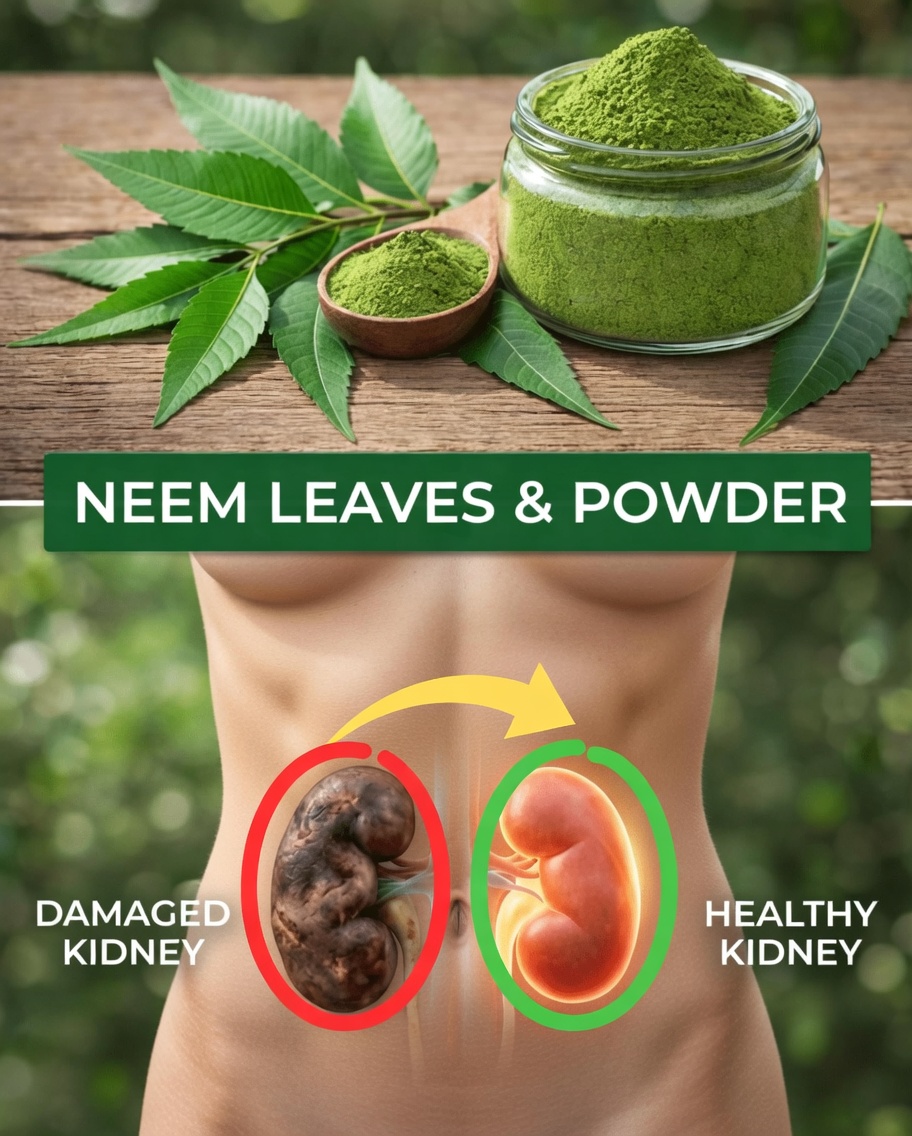
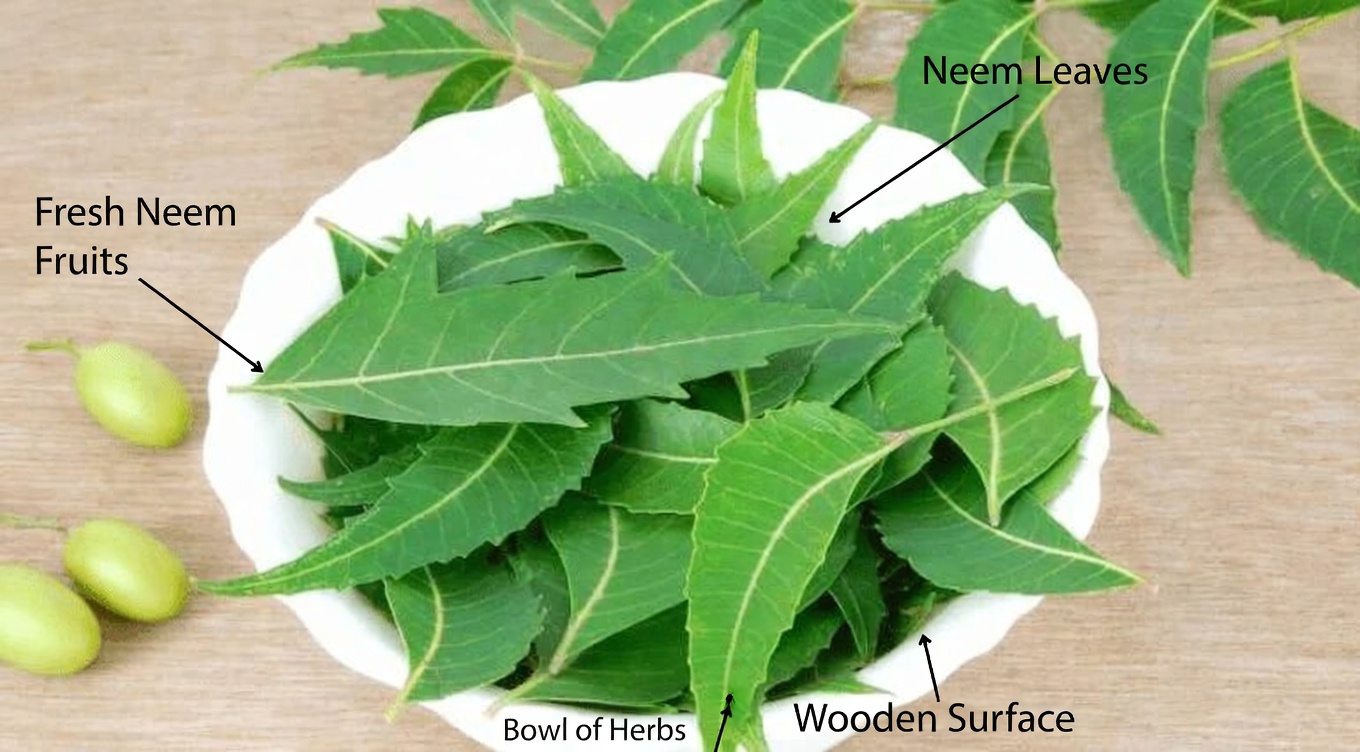
Neem leaves come from the Azadirachta indica tree, native to India and other tropical regions. In Ayurveda and many local healing traditions, neem is often called the “village pharmacy” because almost every part of the tree has been used for health-related purposes.
Historically, neem leaves have been:
- Described as bitter and cooling, qualities believed to help balance internal processes.
- Used to support digestion, detoxification, skin health, and immune resilience.
- Employed in herbal preparations, pastes, teas, and oils.
Modern research has begun to validate some of these traditional claims. Compounds such as nimbidin and azadirachtin are being studied for their antioxidant and anti-inflammatory properties, which may explain some of neem’s wellness-supporting effects.
While early data is promising, neem should still be approached with realistic expectations and proper guidance.
Neem Leaves for Healthy Blood Sugar Support
Balancing blood sugar is a common challenge, especially with modern diets, stress, and inconsistent routines. Neem leaves are increasingly discussed as a natural option that may support healthy glucose metabolism.
What the Research Suggests
- Animal studies indicate that neem leaf extract may help improve insulin activity and enhance glucose control.
- Some experiments have found that neem can reduce blood sugar in ways that resemble certain medications.
- Limited human research, including small studies in people with type 2 diabetes, has reported improvements in blood sugar markers after neem use.
These potential benefits seem to arise from neem’s ability to support natural metabolic processes, rather than forcing drastic changes—provided it is used appropriately and safely.
How to Use Neem for Blood Sugar (With Caution)
If you’re considering neem leaves to support healthy blood sugar levels:
- Start small:
Try a mild neem tea made from a few dried leaves to gauge your tolerance. - Track your numbers:
If you already monitor blood glucose, pay close attention to any changes. - Talk to your healthcare provider:
Especially important if you use diabetes medications or insulin, as neem might amplify their effects.
Neem should never replace prescribed treatments, but it may have a place as a complementary, monitored option.
Neem’s Role in Supporting Healthy Blood Pressure
High blood pressure often has no obvious symptoms, yet it can gradually impact heart health, circulation, and overall vitality. Neem leaves may offer subtle support for maintaining healthy blood pressure as part of a broader lifestyle approach.
Potential Mechanisms
Research, primarily in animals, suggests neem leaves and extracts may:
- Help relax and widen blood vessels, supporting smoother blood flow.
- Exert mild diuretic effects, which may assist the body in reducing excess fluid and pressure.
- Provide antioxidant support that protects the cardiovascular system from oxidative stress.
Simple Ways to Incorporate Neem for Blood Pressure Support
To gently integrate neem into a heart-conscious routine:
- Blend neem powder into smoothies:
A small pinch of neem powder can be combined with fruits and greens to mask its bitterness. - Use neem-infused oils for relaxation:
Traditional practices often use neem oil in massage, which may help promote relaxation and indirectly support blood pressure.
Neem works best when paired with proven habits like a balanced diet, regular movement, stress management, and adequate sleep.
Easing Occasional Body Discomfort with Neem
Everyday life can bring aches and pains—from physical activity, poor posture, or inflammation. Neem’s anti-inflammatory properties have made it a longstanding favorite in traditional remedies for discomfort.
What Research Shows
Lab-based and animal studies have found that neem leaf compounds may:
- Help reduce inflammatory responses.
- Ease swelling and mild pain in specific models of inflammation.
Traditional use includes applying neem preparations directly to the skin over joints and muscles.
How to Use Neem Topically for Discomfort
A simple, traditional approach:
- Crush fresh neem leaves into a smooth paste (or mix neem powder with a little water).
- Apply a thin layer to the area of discomfort.
- Leave on for about 15–20 minutes.
- Rinse off with lukewarm water.
- Always do a patch test first to check for skin sensitivity.
Neem is not a replacement for pain medication when needed, but it may be a useful addition to a broader comfort and recovery routine.
Neem Leaves and Cholesterol Management Support
Healthy cholesterol levels are vital for heart and vascular health, yet many people struggle to keep them in check. Neem leaves may offer supportive benefits for lipid balance when used alongside diet and lifestyle improvements.
Effects on Lipid Profiles
Preliminary studies, particularly in animals on high-fat diets, suggest neem extract may:
- Help raise levels of HDL (“good”) cholesterol.
- Assist in lowering LDL (“bad”) cholesterol.
- Reduce triglycerides.
These effects are thought to be linked to neem’s antioxidant and potential lipid-regulating properties.
Summary of Neem’s Potential Impact on Cholesterol
| Aspect | Possible Effect from Neem | Likely Supporting Factors |
|---|---|---|
| HDL Cholesterol | May help increase | Antioxidant compounds |
| LDL Cholesterol | May help decrease | Lipid-regulating activity |
| Triglycerides | May help lower | Anti-inflammatory and antioxidant effects |
These findings are still early-stage and not a substitute for medical care, but they highlight neem’s promise as part of an overall heart-healthy approach.
Supporting Healthy Circulation with Neem
Poor circulation can leave you feeling cold, tired, or sluggish and can affect multiple body systems over time. Neem’s influence on blood vessels, blood pressure, and cholesterol may together support healthier circulation.
How Neem May Help Circulation
Neem has been traditionally used as a “blood purifier,” a term that likely reflects its role in:
- Supporting healthy blood vessel function.
- Reducing risks associated with clot formation in experimental models.
- Providing antioxidant support that helps protect the circulatory system.
By helping manage blood pressure and lipid levels, neem may indirectly contribute to calmer, more efficient blood flow.
Easy Ways to Support Circulation with Neem
To weave neem into a circulation-friendly lifestyle:
- Morning neem water:
Steep a few neem leaves in warm water, allow to cool, then sip in the morning. - Neem supplements (with guidance):
Standardized neem capsules or extracts can provide consistent intake but should be used under professional supervision. - Avoid overuse:
More is not always better. Excessive use may cause imbalances or side effects.
Pair neem with light exercise—such as walking, stretching, or yoga—for more comprehensive circulatory support.
Practical Tips: How to Add Neem to Your Routine
If you’re ready to experiment with neem leaves in a thoughtful way, consider this step-by-step approach:
-
Choose quality sources
Opt for organic neem leaves, powder, or standardized extracts from reputable brands. -
Start with neem tea
- Boil 5–10 fresh or dried neem leaves in water for about 5 minutes.
- Strain and let cool slightly.
- Sip slowly; the taste is bitter, so you may start with a very mild brew.
-
Observe your body’s responses
Notice changes in energy, digestion, or blood sugar (if you monitor it). Adjust amount and frequency based on your tolerance. -
Combine neem with healthy habits
For best results, use neem alongside a balanced diet, regular hydration, movement, and stress management—not in place of them. -
Seek professional advice
Before using neem regularly, especially in supplement form, discuss it with a healthcare provider, particularly if you have existing health conditions.
Neem’s versatility is one of its biggest strengths. Beyond blood sugar, pressure, pain, cholesterol, and circulation, traditional practices also use neem to support skin clarity and immune function.
Potential Side Effects and Important Precautions
Despite its natural origin, neem is not risk-free. Using it responsibly is essential.
Possible Side Effects
Some people may experience:
- Digestive upset (nausea, stomach discomfort, or diarrhea), especially with high doses.
- Excessive drops in blood sugar when combined with diabetes medications.
- Allergic reactions or skin irritation from topical use.
Who Should Avoid or Use Neem With Extra Caution
- Pregnant or breastfeeding individuals:
Neem is generally not recommended due to limited safety data and possible risks. - People on blood sugar or blood pressure medications:
Neem may intensify the effects of these drugs. - Children:
Neem products, especially concentrated oils, are not considered safe for children without medical supervision.
Always begin with low doses and discontinue use if you notice negative reactions.
Conclusion
Neem leaves offer a remarkable blend of traditional wisdom and emerging scientific interest. When used thoughtfully, they may help:
- Support healthy blood sugar balance.
- Contribute to steadier blood pressure.
- Ease occasional aches and inflammation.
- Assist in managing cholesterol levels.
- Promote better circulation and overall cardiovascular wellness.
By understanding how neem works and using it as part of a balanced lifestyle—not as a quick fix—you can explore its potential as a natural ally on your wellness journey.
And that “surprising twist”? Many people now use neem in gentle daily detox rituals, such as morning neem infusions, to support sustained energy and a feeling of internal cleanliness over time.
FAQ
What is the best way to consume neem leaves for health support?
Common methods include:
- Brewing neem tea from fresh or dried leaves.
- Using small amounts of neem powder mixed into smoothies or warm water.
- Taking standardized neem supplements, if recommended by a professional.
Choose a method that suits your taste and tolerance, and always start with low amounts.
Can neem interact with medications?
Yes. Neem may interact with:
- Blood sugar–lowering medications (oral drugs or insulin).
- Blood pressure medications.
- Other drugs that affect the liver or immune system.
Always consult your doctor or pharmacist before combining neem with any prescription or over-the-counter medications.
How long does it take to notice benefits from neem?
This varies widely. Some people notice subtle changes in energy, digestion, or skin within a few weeks of consistent use, especially when neem is combined with healthy lifestyle habits. For blood sugar, cholesterol, or blood pressure, regular monitoring and professional guidance are essential to track meaningful changes.
Disclaimer: This article is for informational and educational purposes only and does not constitute medical advice. Always consult a qualified healthcare professional before using neem or any supplement, particularly if you have existing health conditions, are pregnant or breastfeeding, or take medications.