
Could a Simple Banana Before Bed Help You Sleep Better?
Restless nights can leave you exhausted, unfocused, and irritable the next day, turning everyday responsibilities into a struggle. When poor sleep becomes a pattern, it doesn’t just drain your energy; it can chip away at your mood, concentration, and productivity over time.
One surprisingly simple habit may offer gentle support: eating a banana before bed. This familiar fruit is easy to find, easy to digest, and packed with nutrients linked to relaxation and sleep.
Stay with this until the end—there’s one subtle long-term effect of this nightly habit that many people never consider.

Why a Banana Before Bed Might Actually Help
Bananas have long been a go-to evening snack, and newer research is starting to clarify why they feel so soothing at night. Inside this everyday fruit is a blend of vitamins, minerals, and natural compounds that can help your body shift from “go mode” to “rest mode.”
The key is not just what’s in a banana, but how those nutrients interact with your nervous system, muscles, and sleep-wake cycle.
Let’s look at the main players in a medium banana and what they may do for your sleep.
Magnesium: The Calm-Your-Body Mineral
A medium-sized banana offers around 8% of your daily magnesium needs. Magnesium is essential for:
- Helping muscles release tension
- Supporting a balanced nervous system
- Regulating your internal body clock (circadian rhythm)
Studies indicate that magnesium may support healthy sleep patterns by soothing the nervous system and reducing physical and mental tension, making it easier to drift off.
Potassium: Easing Discomfort and Nighttime Tension
Bananas are well-known for their potassium content. This mineral helps:
- Balance fluids in the body
- Support normal muscle function
- Reduce the likelihood of cramps and twitching
If you’re someone who wakes up with leg cramps or restless muscles, better potassium intake may help reduce these unpleasant sleep disruptors.
Tryptophan, Vitamin B6, and Carbohydrates: A Sleep-Friendly Combo
Bananas also contain a combination of nutrients that feed directly into your body’s sleep chemistry:
- Tryptophan: An amino acid used to produce serotonin and later melatonin—the hormone that signals to your body it’s time to sleep.
- Vitamin B6: Helps convert tryptophan into serotonin more efficiently.
- Natural carbohydrates: Help tryptophan cross into the brain more easily.
This trio may encourage a sense of calm and relaxation, supporting your body’s natural transition toward sleep.
On top of that, bananas are gentle on the stomach. Their soft texture and mild taste make them a light snack that typically won’t feel heavy or disruptive as you lie down.
What Recent Research Says About Bananas and Sleep
You might wonder whether this is just an old-fashioned tip or something backed by evidence.
A clinical study published in 2024 found that participants who ate a banana before bed reported:
- Better overall sleep quality scores
- Less trouble falling asleep
- Feeling more refreshed upon waking
Other studies highlight how the magnesium and potassium in bananas support muscle relaxation and may reduce nighttime awakenings due to discomfort.
Health professionals generally view bananas as a mild, natural aid—not a quick fix, but a helpful part of a consistent bedtime routine. And unlike many sleep supplements, a banana is inexpensive, widely available, and easy to incorporate into your evening.
One ordinary banana on your counter may offer more sleep support than it seems.
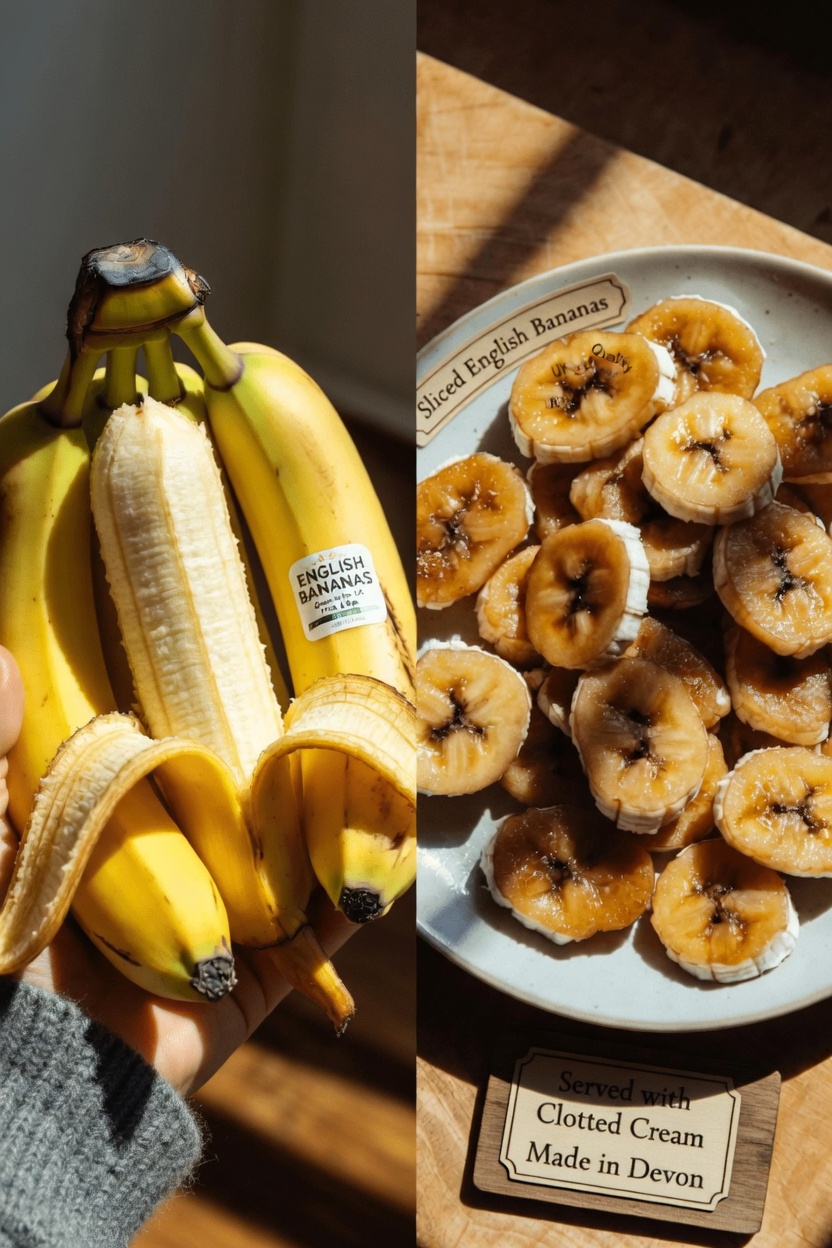
What Eating a Banana Before Bed Can Do Overnight
A bedtime banana does more than simply take the edge off your hunger. It can trigger a series of subtle changes while you sleep. Many people notice benefits like:
-
Faster muscle relaxation
Magnesium and potassium work together to release tightness and ease tension, which may lessen cramps or restless legs. -
Gentle blood pressure support
Potassium helps maintain healthy blood pressure levels, which may contribute to a calmer cardiovascular system during the night. -
More stable mood via serotonin pathways
Tryptophan, with the help of vitamin B6, supports serotonin production, which can set you up for a more balanced mood when you wake. -
Smooth, comfortable digestion
Compared to heavier or greasy snacks, bananas digest easily, allowing your body to focus more on restoration than on processing a large meal. -
Steady morning energy
The natural sugars in bananas are paired with fiber, leading to a more gradual energy release rather than a sharp spike and crash.
These effects are usually subtle, not dramatic. But over weeks and months, they can compound into noticeably better sleep and smoother mornings.
Things to Consider Before Making It a Nightly Habit
No single food is perfect for everyone, and bananas are no exception. For most people, a bedtime banana feels light and supportive, but there are a few points to keep in mind:
- Blood sugar concerns: If you’re sensitive to sugar or managing conditions like diabetes, very ripe bananas (with many brown spots) may raise blood sugar slightly more. A banana that’s yellow with just a few spots is often a good compromise.
- Digestive sensitivity: Some people with sensitive digestion prefer eating their banana 30–60 minutes before lying down to give the stomach time to settle.
- Existing health conditions: If you have kidney issues, are on certain medications, or have other health concerns, ask your healthcare provider whether increasing potassium intake is appropriate for you.
Overall, for healthy adults, this is a low-risk habit you can easily test and adjust according to how your body responds.
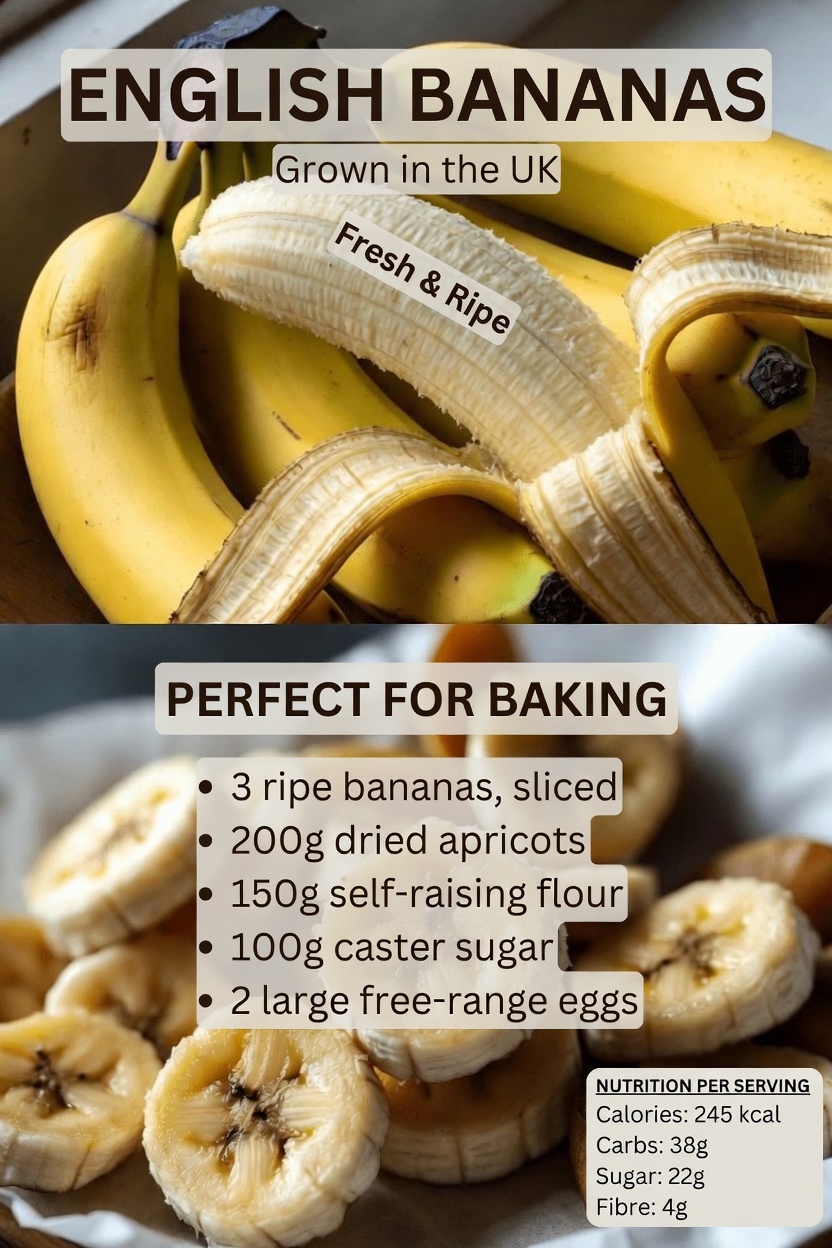
How to Try a Bedtime Banana: Step-by-Step
If you’re ready to experiment with this simple sleep-supporting habit, here’s an easy way to start:
-
Choose the right banana
Pick a medium banana that’s mostly yellow with a few brown spots—ripe and sweet, but not overly soft or blackened. -
Time it right
Eat it about 30–60 minutes before you plan to turn off the lights. This gives your body time to digest and start using the nutrients. -
Slow down and enjoy it
Eat it slowly as part of your wind-down routine—while reading, journaling, or listening to calming music. -
Sip a small glass of water
A little water can help your body make use of the minerals without leaving you over-hydrated (which might send you to the bathroom at night). -
Give it at least a week
Try this habit consistently for 7–14 nights and notice how you fall asleep, how often you wake, and how you feel in the morning.
You don’t need special recipes or complicated prep—just a banana and a bit of consistency.
Tips to Get the Most Out of This Evening Ritual
To enhance the potential sleep benefits of your bedtime banana, consider these practical strategies:
-
Pair with nuts
Eat it with a small handful of almonds or walnuts for extra magnesium, healthy fats, and staying power. -
Make it visible
Keep bananas where you’ll see them—on the kitchen counter or near your evening tea—so the habit becomes an easy part of your routine. -
Avoid heavy meals beforehand
Try not to eat your banana directly on top of a very large or late dinner. A less crowded stomach usually sleeps better. -
Track your sleep
Use a simple notebook or sleep app for the first couple of weeks. Note when you eat the banana, how long it takes to fall asleep, and how rested you feel. -
Consider quality when using the peel
If you ever blend bananas with the peel into smoothies (usually done in the morning), choose organic fruit when possible.
Over time, this can evolve from a basic snack into a calming ritual your body associates with winding down and preparing for rest.
Many people report not only better sleep but also less morning stiffness and a greater sense of overnight recovery—likely thanks to the steady support from magnesium, potassium, and other nutrients.
Frequently Asked Questions
Can I eat a banana before bed every night?
For most healthy adults, yes. Having a banana in the evening can be part of a balanced diet and consistent sleep routine. Many people find that regularity—doing it nightly rather than occasionally—brings the clearest benefits.
What if I’m monitoring my blood sugar?
If you’re watching your blood sugar levels:
- Choose a banana that is ripe but not overly brown.
- Eat it earlier in your wind-down period rather than right at bedtime.
- Monitor your own response with a glucose meter if you use one.
Individual tolerance differs, so personal tracking is important.
Does the variety of banana matter?
Common varieties like Cavendish work perfectly well. Aim for:
- Not too green (very starchy, less sweet)
- Not overly black or mushy (higher in sugar)
A yellow banana with a few brown spots is usually ideal for taste, digestion, and balance.
A Small Nightly Habit That Can Make a Big Difference
A banana before bed is a quiet, low-effort habit that fits smoothly into almost any lifestyle. The nutrients it provides—magnesium, potassium, vitamin B6, tryptophan, and natural carbohydrates—work together to support relaxation, muscle ease, and a smoother transition into sleep.
Over time, you may notice:
- Falling asleep more easily
- Fewer disruptions from cramps or discomfort
- More stable mood and energy in the morning
One powerful long-term effect many people overlook is behavioral: your body begins to associate this simple snack with winding down. That consistent cue can strengthen your sleep routine, making it easier to slip into rest without forcing it.
Try it tonight and pay attention to how you feel over the coming days and weeks. Your body may respond with the deeper, more restorative sleep you’ve been looking for.
Disclaimer: This article is for informational purposes only and does not constitute medical advice. It should not be used to diagnose, treat, cure, or prevent any health condition. Always consult a qualified healthcare professional before changing your diet, sleep routine, or lifestyle, especially if you have existing medical conditions or are taking medications. Individual experiences and results will vary.