A Simple Home Practice for Everyday Joint Comfort
Joint discomfort can make ordinary activities feel far more difficult than they should. For many adults, stiffness or soreness affects energy levels, reduces mobility, and takes the enjoyment out of simple routines like walking, gardening, or staying active around the house. It is no surprise that people often look for easy, affordable ways to feel more comfortable.
One traditional remedy continues to attract attention: cabbage leaf wraps. Although it may sound surprising, this common kitchen vegetable has been used for generations as a gentle home method for areas that feel swollen, stiff, or tender. When prepared properly, cabbage leaves may offer a soothing effect that fits easily into a daily self-care routine.
Why Cabbage Leaves Have Been Used for Joint Support
Cabbage is best known as a staple food, but in many parts of the world, especially in Europe, it has also been used as a natural compress. The larger outer leaves are thick, flexible, and naturally moist, which is why many people have applied them directly to uncomfortable joints.
This long-standing practice remains popular for a simple reason: it is easy, inexpensive, and widely accessible. Many people say the leaves create a cooling, calming sensation and help them feel more comfortable moving afterward. Since cabbage is available in most grocery stores, it is also one of the most convenient home remedies to try.
What Research Says About Cabbage Leaf Wraps
Interest in cabbage leaf wraps is not based only on tradition. Researchers have also begun examining how this method may help with joint discomfort.
A randomized controlled trial published in The Clinical Journal of Pain in 2016 looked at the use of cabbage leaf wraps for knee discomfort in people with osteoarthritis. Those who used the wraps every day for four weeks experienced meaningful improvements in comfort, physical function, and overall well-being compared with participants who continued with standard care alone.
Further interest came from a 2022 follow-up study that compared cabbage leaf applications with cooling gel pads and a commonly used topical treatment. The cabbage group and the cooling pad group both showed similar positive changes in knee-related scores, and in some measurements, cabbage performed particularly well. These findings suggest that this traditional method may support joint comfort in a practical, everyday way.
Even so, outcomes vary from person to person, and research is still ongoing. Cabbage contains antioxidants and plant compounds such as glucosinolates, which contribute to its reputation. Some laboratory findings have also explored whether plant microRNAs may influence pathways linked to inflammation. Still, one of the biggest advantages of cabbage wraps is their simplicity and generally gentle nature when used carefully.
Why This Method May Feel Helpful
What makes cabbage leaves stand out is what happens when they are crushed or bruised. This process releases natural juices that contain sulfur-rich compounds and vitamins, which many believe create a cooling and soothing environment around the joint.
There is also a physical comfort factor. Wrapping a joint can feel supportive, almost like a light compress, which may encourage relaxation and circulation. Many people pair the wraps with rest or elevation, turning the practice into a quiet self-care ritual that does not require much time or effort.
How to Make Cabbage Leaf Wraps at Home
If you want to try cabbage leaf wraps yourself, the preparation is simple and only takes a few minutes.
1. Choose and wash fresh leaves
- Use a head of green or savoy cabbage.
- Remove several large outer leaves.
- Avoid leaves that are wilted, torn, or discolored.
- Rinse them well under cool water and dry them with a clean towel.
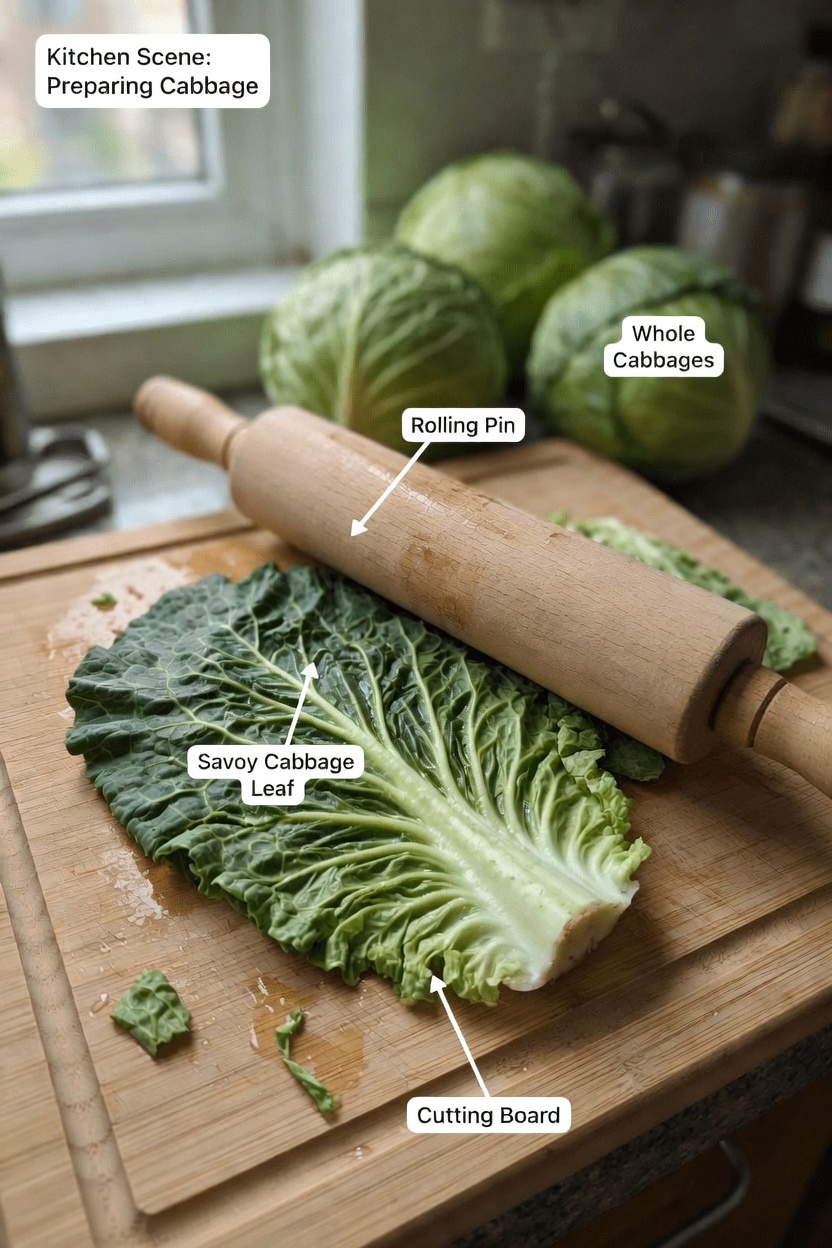
2. Bruise the leaves
- Place the leaves on a cutting board or other flat surface.
- Gently press or roll over them with a rolling pin, bottle, or your hands.
- Focus on softening the thick veins without tearing the leaves apart.
This step helps release the natural juices while keeping the leaves intact enough to wrap around the joint.
3. Warm them slightly if desired
Some people prefer to use the leaves warm rather than cool.
- Wrap the bruised leaves in foil and place them in a low oven at about 200°F for 3 to 5 minutes, or
- Microwave them between damp paper towels for 10 to 15 seconds.
Always test the temperature before applying them. They should feel warm and soothing, never hot.
4. Place them over the joint
- Lay the leaves directly over the affected area.
- Overlap them so the joint is fully covered.
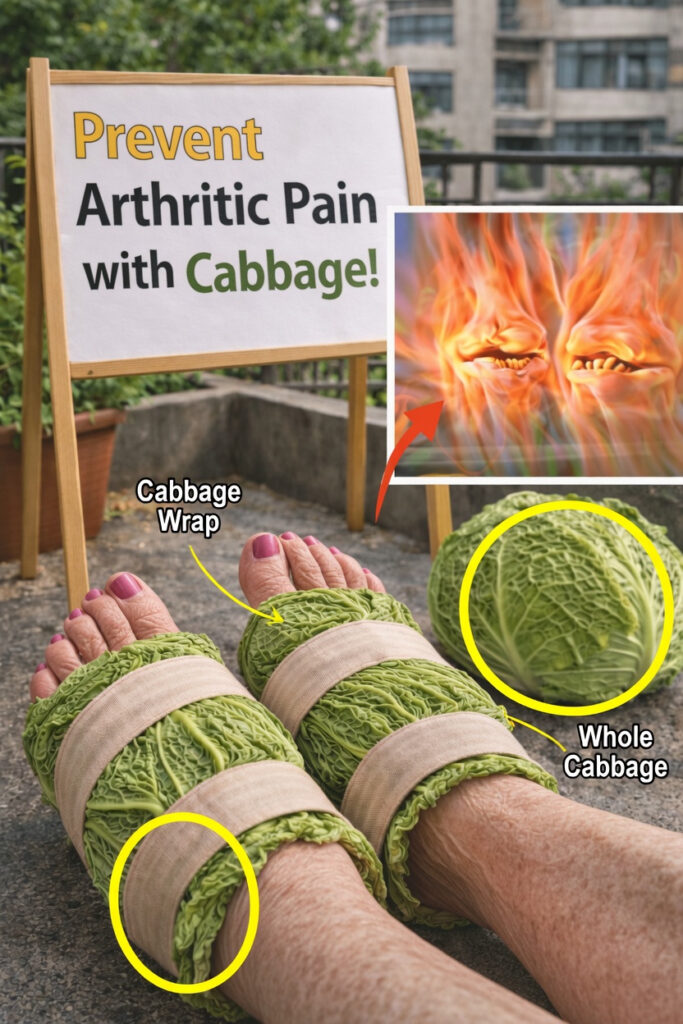
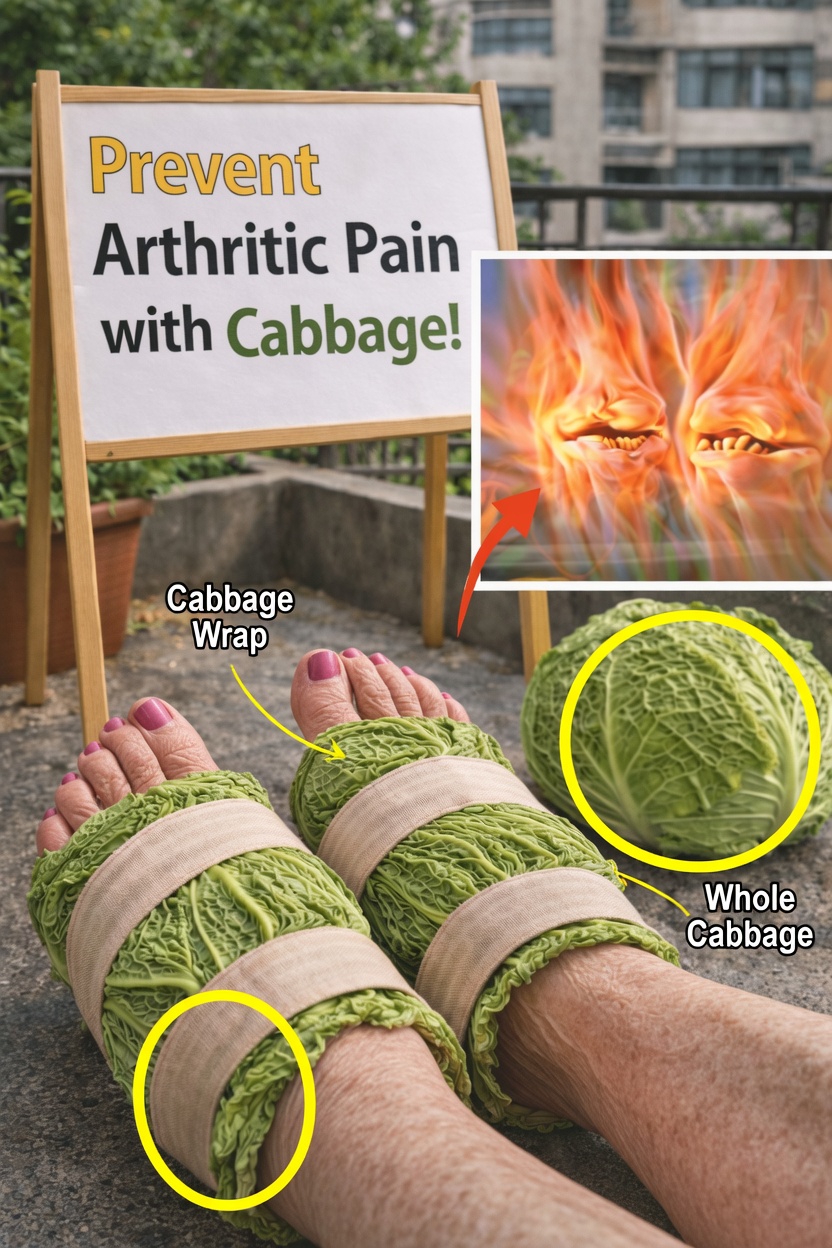
- For areas like knees or ankles, shape them closely around the joint like a soft natural wrap.
5. Secure and rest
- Hold the leaves in place with a soft cloth bandage, elastic wrap, or plastic wrap.
- If possible, elevate the area.
- Leave the wrap on for 1 to 2 hours, or overnight if that feels comfortable.
- Afterward, remove the leaves and gently rinse the skin.
Consistency matters. Many people use cabbage leaf wraps daily or several times a week, and some notice the best effects after keeping the routine going for a few weeks.

Tips for Better Results
A few simple habits can make this home remedy easier and more effective to use.
Pick the best type of cabbage
- Green cabbage and savoy cabbage are often the best choices.
- Their leaves are large, soft, and easy to shape around joints.
- Red cabbage can work too, but it may leave color on fabrics.
Prepare extra leaves in advance
- You can bruise several leaves at one time.
- Store them in a sealed bag in the refrigerator for up to 48 hours.
- This makes daily use quicker and more convenient.
Follow with gentle movement
- After removing the wrap, try light stretching or a short walk.
- This may help encourage circulation.
- Move only within your comfort level.
Keep everything clean
- Use clean hands, tools, and wraps.
- Fresh, hygienic preparation helps reduce the chance of skin irritation.
Track how you feel
- Write down how your joint feels before and after each use.
- A simple journal can help you notice patterns and changes over time.
Frequently Asked Questions
How soon might I notice a difference?
Some people say they feel a change within the first one or two weeks of regular use. In research settings, improvements were observed after about four weeks of daily application. Results depend on consistency and individual circumstances.
Can cabbage leaf wraps be used on different joints?
Yes. People commonly use them on:
- Knees
- Ankles
- Elbows
- Wrists
- Shoulders
You can adjust the number and size of the leaves depending on the area you want to cover.
Are there any precautions?
Most people tolerate cabbage leaf wraps well, but stop using them if you notice redness, itching, or irritation. It is also wise to speak with a healthcare professional before trying any new home practice, especially if you have sensitive skin, a medical condition, or other concerns.
Final Thoughts
Cabbage leaf wraps offer a simple, low-cost way to support joint comfort at home. Their appeal comes from a combination of traditional use, emerging research, and easy preparation. With no special tools or expensive products required, this method can fit naturally into everyday life.
If you decide to try it, use the wraps consistently, pay attention to your body’s response, and see whether it becomes a helpful part of your routine.
Important Disclaimer
This article is provided for informational and educational purposes only. It is not medical advice and should not be used as a substitute for diagnosis or treatment from a qualified healthcare professional. Always consult a healthcare provider before beginning any new home remedy, especially if you have existing medical conditions or take medications. Individual responses may vary, and what helps one person may not be suitable for another.