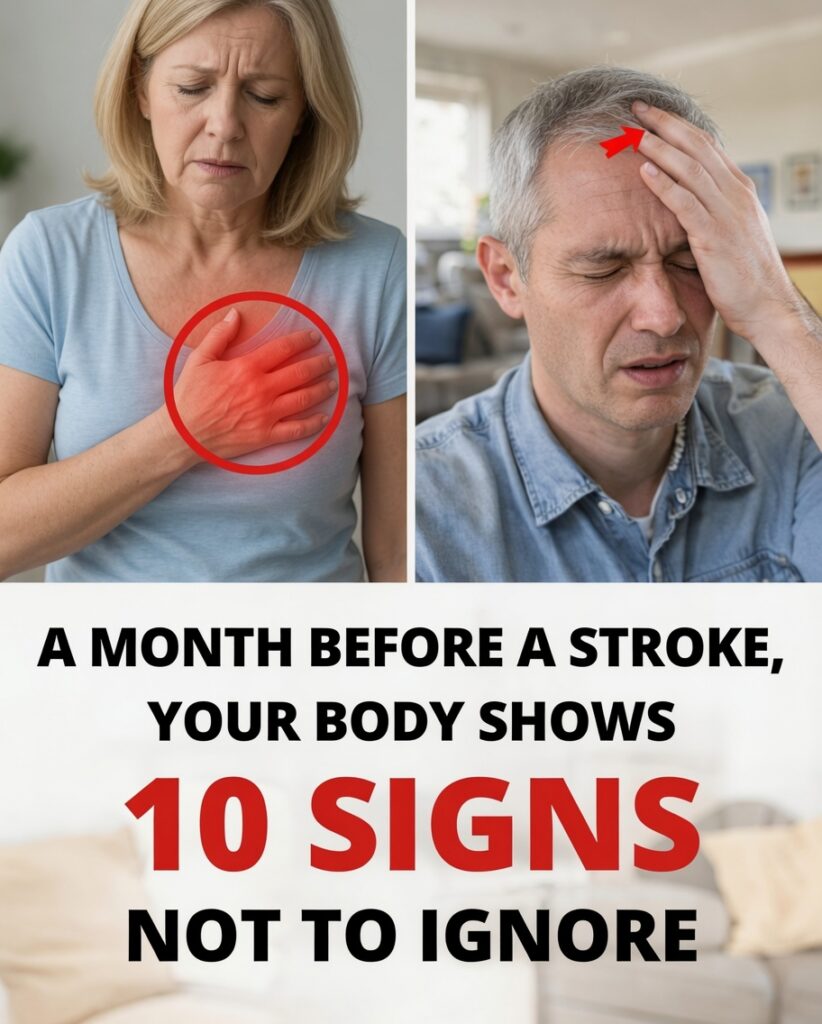
Living With Health Uncertainty: Why Stroke Awareness Matters
Not knowing what is happening inside your body can be deeply unsettling—especially when you think about how a stroke can alter life in a single moment. That lingering “something feels off” sensation often leads people to ignore or downplay changes, missing opportunities for early awareness and preventive care.
The encouraging part: some individuals do notice unusual symptoms days, weeks, or even a month before a major event. Health professionals sometimes associate these changes with issues like temporary interruptions in blood flow. The most powerful takeaway, though, is not fear—it’s learning how to spot potential warning signs and respond in a calm, informed way.
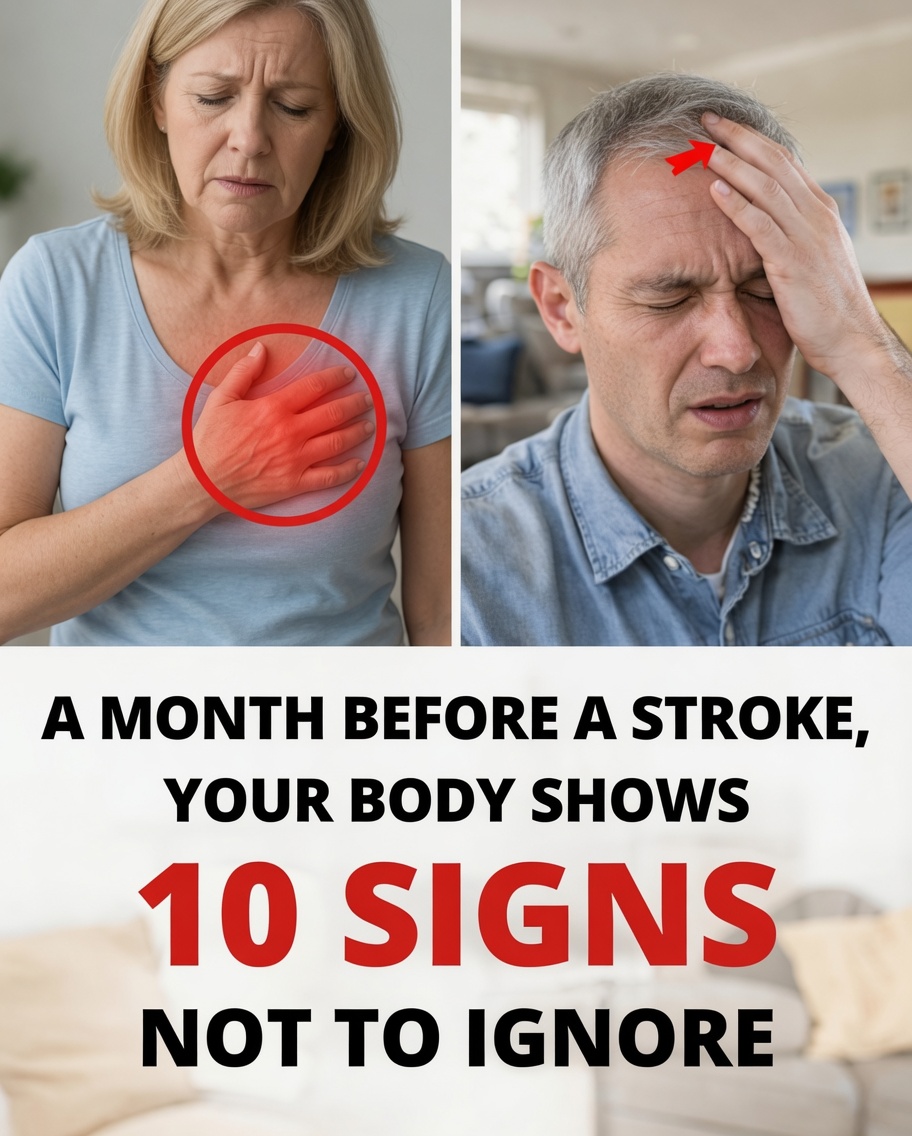
Why Early Stroke Signals Deserve Your Attention
Strokes are typically known for their sudden onset. Yet many neurologists and stroke organizations point out that subtle, earlier clues can appear beforehand. These are often linked to transient ischemic attacks (TIAs), commonly called “mini-strokes.” The American Stroke Association and similar groups describe TIAs as important warning events that should never be ignored.
Not every stroke is preceded by noticeable symptoms, and noticing them does not guarantee that a stroke will occur. However, recognizing possible warning signs can:
- Encourage you to monitor your body with more intention
- Prompt timely conversations with a healthcare professional
- Motivate healthier daily choices around activity, sleep, and stress
What makes this tricky is that early symptoms are often mild, brief, and easy to blame on stress, overwork, or getting older. Understanding the most commonly reported ones helps you stay alert without panicking or assuming the worst.
10 Possible Warning Signs Weeks Before a Stroke
Medical references and patient reports often highlight the following 10 signs that some people notice in the weeks or month before a more serious stroke. These symptoms:
- Can vary widely between individuals
- May come and go
- Should always be discussed with a medical professional, especially if they are new, unexplained, or recurring
1. Sudden Weakness or Numbness
You may feel unexpected weakness, heaviness, or pins-and-needles sensations, particularly on one side of the body—such as the face, arm, or leg. It can resemble a limb “falling asleep” even when you haven’t been sitting or lying awkwardly. The feeling may fade quickly, but because it can reflect reduced blood flow to certain brain areas, experts recommend taking it seriously.
2. Slurred Speech or Trouble Finding Words
You might suddenly have difficulty speaking clearly or forming sentences. Words can sound slurred, or you may struggle to express what you want to say, losing your train of thought mid-sentence. Others might notice that your speech seems unusual or out of character. Even if this confusion lasts only a few minutes and then resolves, it is considered one of the classic early warning signs.
3. Unexplained Vision Changes
Out-of-the-blue visual changes—such as blurred vision, double vision, or trouble focusing—can occur in one or both eyes. One eye may seem “off” while the other appears normal. These episodes can be mistaken for eye strain or a simple headache, but because they involve how the brain processes visual information, they warrant attention if they are new or recurrent.
4. Dizziness, Vertigo, or Loss of Balance
Some people report an abrupt feeling that the room is spinning, even while sitting or lying still. You might feel wobbly, unsteady on your feet, or notice that you are bumping into furniture more often. This is different from typical fatigue. Many describe it as a strange, unfamiliar imbalance that doesn’t match their usual experience.
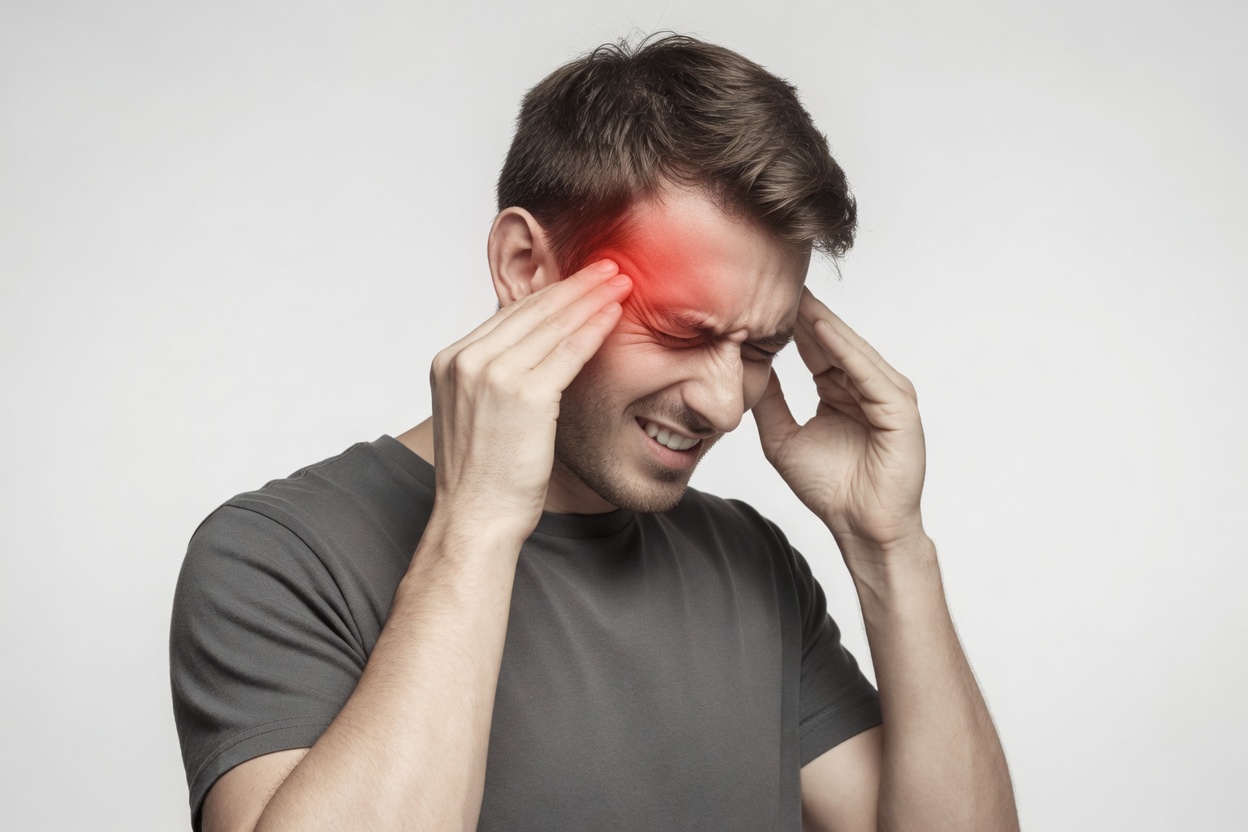
5. Sudden, Severe Headache
A very intense headache that feels unlike your normal headaches can appear suddenly, sometimes described as the “worst headache” you’ve ever had. It may come with nausea, vomiting, or sensitivity to light and sound, and it can last longer than your typical headaches. When a headache is unusually severe or completely new in character, professionals view it as a possible red flag.
6. Extreme Fatigue or Unusual Weakness
Overwhelming tiredness can show up even when you are sleeping well. You might feel mentally foggy, slow, or drained of energy, struggling with everyday tasks that usually feel easy. You may need more rest just to get through routine activities. While fatigue has many causes, persistent, unexplained exhaustion is frequently mentioned in discussions of early stroke-related symptoms.
7. Difficulty Swallowing
You may suddenly find it harder to swallow foods or liquids smoothly. Meals might involve more coughing, throat clearing, or a sensation that something is “stuck,” even when there is nothing there. Because these changes can be subtle, they are often overlooked until they happen repeatedly during eating or drinking.
8. Mild Facial Drooping
When you look in the mirror or take a photo, one side of your face may appear slightly lower, weaker, or less expressive—especially around the mouth or eye. You might notice an uneven smile, or family members may comment that something looks “off.” Even a very slight asymmetry can be an important detail and is often emphasized in stroke awareness campaigns.
9. Shortness of Breath or Chest Discomfort
Some people notice unexplained episodes of breathlessness, a feeling of not getting enough air, or a mild pressure or tightness in the chest. These sensations can appear at rest, not just during physical exertion, and may occur alongside other symptoms. While they can relate to several health conditions, monitoring them in combination with other warning signs is important.
10. Sudden Mood or Behavior Shifts
Unexpected emotional changes can also be part of the picture. You may feel more irritable, anxious, or unusually flat and detached without understanding why. Simple decisions can feel overwhelming, or you might withdraw from hobbies, social interactions, or activities you typically enjoy. These shifts may be subtle but are sometimes reported as part of the body’s early warning pattern.
Not everyone will experience all of these signs, and many of them can be caused by other conditions. Still, gently noticing patterns—especially new or unexplained changes—can be a powerful step toward protecting your health.
Simple Actions to Stay Alert Without Living in Fear
You cannot control every health event, but you can build habits that improve awareness and support timely medical care. These practical steps can help you feel more grounded and prepared:
-
Memorize the BE FAST method
- B – Balance: Sudden loss of balance or coordination
- E – Eyes: Sudden vision changes in one or both eyes
- F – Face: Facial drooping or uneven smile
- A – Arms: One arm drifting downward or feeling weak
- S – Speech: Slurred, confused, or hard-to-understand speech
- T – Time: Time to call emergency services immediately if these signs appear
-
Track symptoms in a simple journal
Jot down any unusual events: what you felt, when it started, how long it lasted, and what you were doing at the time. Patterns in this record can be extremely helpful for your healthcare provider. -
Monitor your blood pressure at home
Use a reliable, validated home monitor and keep a log of your readings. Share these numbers regularly with your doctor, especially if you have hypertension or cardiovascular risk factors. -
Prioritize regular health check-ups
Schedule routine visits even when you feel well, particularly if you have a history of high blood pressure, high cholesterol, diabetes, smoking, or a family history of stroke or heart disease. -
Talk openly with family and friends
Share what you’ve learned so others can recognize possible stroke symptoms—both in themselves and in you. Quick action from a friend or loved one can be lifesaving.
Small, consistent habits like these build confidence and preparedness, helping you stay informed without becoming overly anxious.
From Awareness to Action: What to Do With This Knowledge
Now that you’re familiar with some of the warning signs that may appear weeks ahead of time, the next step is to use that knowledge constructively.
Discussing any concerning symptoms early with a healthcare professional can lead to:
- Basic evaluations such as physical exams, blood pressure checks, blood tests, or imaging if needed
- Personalized guidance on managing risk factors
- Reassurance and clearer understanding of what is happening in your body
Many people find that paying attention to their bodies—not obsessively, but with curiosity—helps them feel more engaged in their health journey and more prepared to act if something changes.
Ultimately, your body sometimes offers quiet signals before bigger events occur. By staying informed, observant, and proactive, you give yourself the best chance to respond wisely rather than react out of fear.
Frequently Asked Questions
What if these signs appear and disappear quickly?
Even if symptoms are brief and seem to resolve on their own, they may reflect transient events such as a TIA. Short episodes can still carry important information about your stroke risk. It is essential to tell your doctor about any sudden, unexplained changes—even if they last only minutes.
Are these warning signs only a concern for older adults?
No. While stroke risk increases with age, younger adults can also experience strokes, particularly if they have factors such as high blood pressure, smoking, high cholesterol, certain heart conditions, or a strong family history. Awareness is valuable at every age.
How can I protect my health without worrying about every little symptom?
Focus on consistent, balanced routines:
- Move your body regularly in ways that feel sustainable
- Choose nutritious foods most of the time
- Prioritize quality sleep and recovery
- Practice stress management techniques such as breathing exercises, mindfulness, or relaxation
Combine these habits with regular medical check-ups. This approach supports both your physical and mental well-being without requiring you to fixate on every minor change.
Disclaimer
This article is intended solely for educational and informational purposes. It does not provide medical advice and should not be used to diagnose or treat any condition. Always consult a qualified healthcare professional with any questions you may have about symptoms, medical conditions, or treatment options. If you suspect that you or someone else may be experiencing a stroke, call emergency services immediately.