
8 Fruits That May Gently Support Healthy Circulation and Blood Clot Balance
Concerns about blood clots, leg swelling, or unusual bruising are common as we get older. Even if you haven’t been diagnosed with a specific condition, it’s natural to wonder how to protect your circulation and heart health over time. These worries can add quiet stress to your day and leave you asking what simple, practical steps you can take to feel more at ease in your own body.
One approachable way to offer your body extra support is through what you eat. Certain fruits are rich in compounds that may help your cardiovascular system work smoothly alongside your body’s natural clotting processes.
Here’s the pleasant surprise: some of the most promising options are everyday fruits—easy to find, tasty, and simple to add to snacks or meals. One or two of them might completely change how you think about “heart-healthy” snacking.

Why Some Fruits May Support Healthy Blood Flow
Your body constantly works to keep blood flowing freely while also forming clots when needed—for example, to stop bleeding after an injury. This delicate balance can be influenced by lifestyle, including diet, movement, and stress.
A growing number of studies suggest that naturally occurring compounds in fruit—such as polyphenols, flavonoids, anthocyanins, and antioxidants—may:
- Help keep blood vessels flexible
- Support smooth, steady circulation
- Protect vessel walls from everyday oxidative stress
These foods are not medications and do not replace medical care. Instead, they provide nutrients and plant compounds associated with overall vascular health, fitting easily into a balanced lifestyle.
8 Fruits That May Help Support Your Body’s Natural Blood-Clot Management
Below are eight widely available fruits connected with research on circulation, heart health, and vascular support. Each offers a slightly different nutrient profile that may contribute to your body’s natural processes.
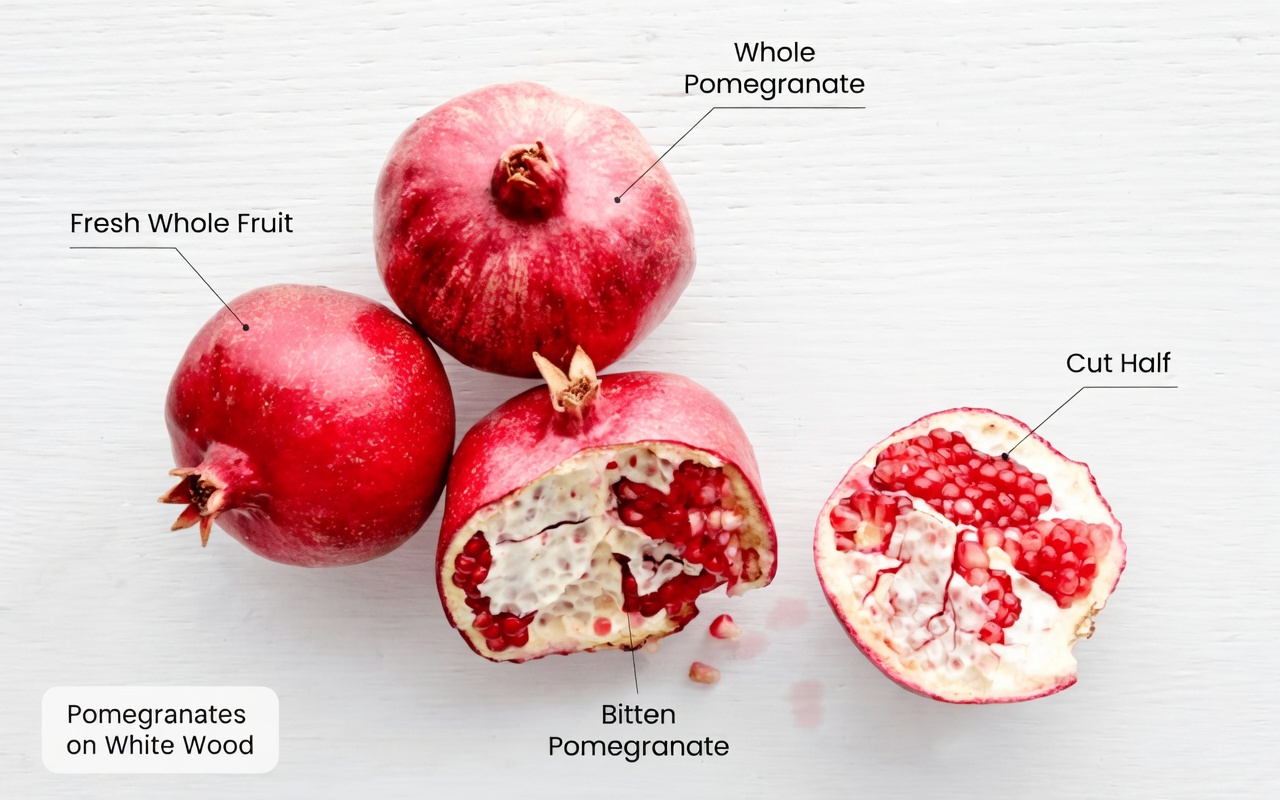
1. Pomegranates
Pomegranates are particularly rich in polyphenols and naturally occurring nitrates. Research on cardiovascular wellness suggests these compounds may help blood vessels relax, encouraging better blood flow.
The jewel-like arils are also loaded with antioxidants that can help shield vessel walls from daily wear and tear.
Easy ways to eat more pomegranate:
- Snack on the fresh arils straight from the fruit
- Add them to smoothies or sprinkle over yogurt or salads
- Enjoy a small glass of unsweetened pomegranate juice
Even half a pomegranate a few times per week can add variety and potentially beneficial plant compounds to your routine.
2. Blueberries
Blueberries are packed with anthocyanins—the pigments that give them their deep blue-purple color. These antioxidants are linked with:
- Supporting arterial flexibility
- Helping reduce low-grade inflammation
- Promoting healthy blood flow
How to include blueberries:
- Stir a handful into oatmeal or yogurt
- Blend into a morning smoothie
- Eat them frozen as a quick, convenient snack
A small serving daily can fit into almost any schedule with minimal effort.
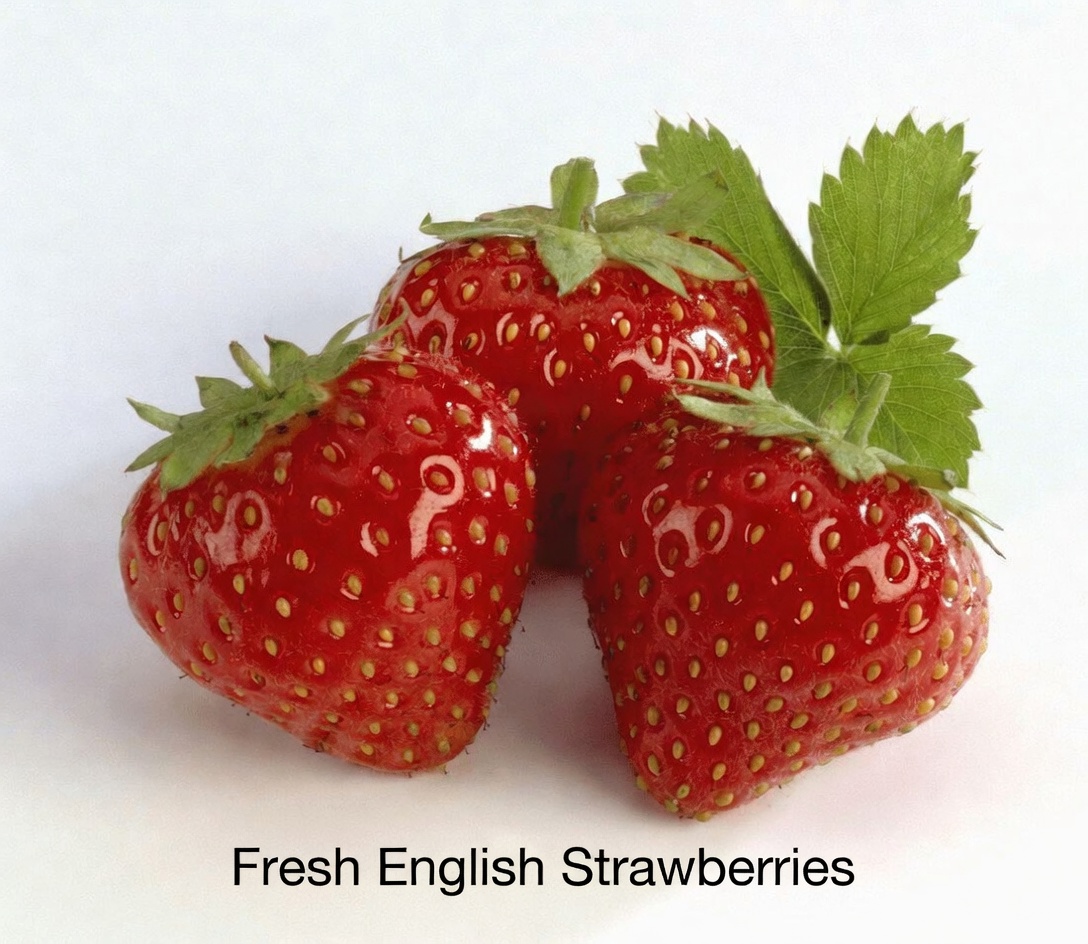
3. Strawberries
Strawberries provide a combination of vitamin C and flavonoids that research suggests may:
- Support normal platelet function
- Assist in maintaining healthy circulation
Their naturally sweet flavor makes them an easy choice for anyone looking to make their diet a bit more heart-conscious without feeling restricted.
Simple strawberry ideas:
- Slice over cereal or granola
- Pair with a square of dark chocolate
- Freeze and keep on hand for smoothies
Aim for about one cup on most days to regularly take advantage of their supportive nutrients.
4. Raspberries
Raspberries contain anthocyanins similar to those in blueberries, plus a good amount of fiber. Together, these components may:
- Assist in supporting vascular health
- Contribute to better overall digestive wellness
Their bright, slightly tart flavor works well in both sweet and savory dishes.
Ways to enjoy raspberries:
- Add to green or grain-based salads
- Layer into parfaits with yogurt and nuts
- Blend into a light sauce for poultry or fish
With every serving, you get both circulation-supporting compounds and gut-friendly fiber.
5. Goji Berries
Goji berries, often found dried, have been used in traditional wellness practices for centuries. Modern research points to their unique antioxidants and polysaccharides, which may:
- Support healthy circulation
- Promote a sense of energy and vitality
How to use goji berries:
- Soak in hot water to make a mild, fruity tea
- Mix into homemade trail mix with nuts and seeds
- Sprinkle over salads, oatmeal, or yogurt bowls
Their gentle sweetness pairs especially well with crunchy ingredients.
6. Oranges and Other Citrus Fruits
Oranges—and citrus fruits like grapefruit, tangerines, and lemons—are notable for their vitamin C content and the flavonoid hesperidin. Studies associate these with:
- Helping maintain healthy blood pressure
- Supporting blood vessel flexibility and integrity
Citrus ideas to try:
- Eat an orange or tangerine as a stand-alone snack
- Add orange segments to leafy green salads
- Squeeze fresh lemon or orange into water for light flavor
Whenever possible, eat the whole fruit instead of juice to benefit from the fiber and additional nutrients found in the pith and membranes.
7. Pineapples
Pineapple contains bromelain, an enzyme that some laboratory and preliminary human studies link with:
- Supporting normal platelet activity
- Helping maintain healthy inflammatory responses
Its naturally sweet, tropical flavor makes it an easy addition to both everyday and special meals.
Enjoy pineapple by:
- Eating fresh chunks on their own or with other fruits
- Grilling slices as a side dish
- Blending into smoothies for natural sweetness
If using canned pineapple, choose options packed in juice rather than syrup to avoid excess added sugars.
8. Kiwis
Kiwis are small but nutrient-dense, offering vitamin C, vitamin E, fiber, and other compounds that early research connects with:
- Supporting healthy blood flow
- Gently helping reduce platelet stickiness
Behind the fuzzy exterior is a bright green (or golden) flesh that works in many recipes.
Ways to eat more kiwi:
- Slice and eat, skin on, for added fiber
- Dice into fruit salads or grain bowls
- Blend into green smoothies for extra tang and nutrients
Two to three kiwis a day can comfortably fit into most meal plans.
Why Combining These Fruits Matters
Each fruit has its own mix of vitamins, minerals, and bioactive compounds. When you combine them over the course of a day or week, you create a more robust, nutrient-diverse approach to supporting overall cardiovascular wellness.
Rather than looking for one single “magic” fruit, think of them as a team working together to help your body’s natural blood-clot management and circulation systems function at their best.
Simple Ways to Add These Fruits to Your Day
Here are practical ideas that make consistency easier:
- Start the morning with a berry-based smoothie featuring blueberries, strawberries, and raspberries.
- Snack on a small handful of goji berries mixed with nuts in the afternoon.
- Add pomegranate arils or orange slices to your lunchtime salad.
- End the evening with a light dessert of pineapple chunks or kiwi slices.
These swaps require minimal prep time yet can add up to meaningful dietary improvements over weeks and months.
5 Quick Meal Ideas to Boost Your Fruit Intake
If you enjoy planning ahead, try these fast, nutrient-focused combinations:
-
Breakfast bowl
Greek yogurt topped with mixed berries (blueberries, raspberries, strawberries) plus a spoonful of goji berries. -
Colorful lunch salad
A base of spinach or mixed greens topped with orange segments, pomegranate seeds, and a simple vinaigrette. -
Afternoon snack skewers
Thread kiwi and pineapple chunks onto small skewers for a bite-sized, refreshing snack. -
Evening comfort bowl
Warm oatmeal topped with a quick raspberry–strawberry compote. -
Weekend “power” smoothie
Blend all eight fruits with water or your favorite milk for a vibrant, nutrient-dense drink.
Most of these ideas take under five minutes and use ingredients that are easy to keep on hand fresh or frozen.
A 7-Day Starter Plan You Can Follow Immediately
If you like clear structure, this simple one-week plan can help you build momentum:
-
Days 1–2:
Add one new fruit—such as blueberries or oranges—to both breakfast and lunch. -
Days 3–4:
Introduce a second fruit as an afternoon or evening snack. -
Days 5–7:
Aim to combine at least three of these fruits across your meals each day and gently notice any changes in energy, digestion, or overall comfort.
Throughout the week:
- Drink plenty of water
- Include light movement, such as short walks
- Pay attention to how your body responds
Consistent, modest habits often lead to the most sustainable support for circulation and heart health.
The Bottom Line: Gentle Support Through Everyday Fruit
These eight fruits offer tasty, research-informed ways to support your body’s natural handling of blood clots by promoting healthy circulation and vascular function. From the polyphenol-rich pomegranate to familiar choices like strawberries, oranges, and kiwis, each one adds something valuable to your plate.
Remember:
- Food is one pillar of wellness, not a replacement for medical care.
- Regular check-ups and following your healthcare provider’s advice remain essential.
- Starting with just one or two of these fruits this week can be a realistic and empowering first step.
Frequently Asked Questions
Can these fruits replace blood-thinning medications?
No. While these fruits provide nutrients and plant compounds that may support healthy circulation, they are not a substitute for prescribed blood thinners or any other medication. Never stop, reduce, or change your medication without discussing it with your doctor.
How many servings should I aim for each day?
For most adults, a reasonable goal is:
- 2–3 servings of fruit per day, spread throughout meals and snacks.
Examples of one serving include:
- About 1 cup of berries
- 1 medium orange
- Half a large pomegranate
Individual needs vary, so listen to your body and follow your healthcare provider’s guidance, especially if you have specific medical conditions.
Are there any risks or possible interactions?
While whole fruits are generally safe for most people, there are a few points to keep in mind:
- Citrus fruits and pomegranate can interact with certain medications, including some blood thinners and cholesterol-lowering drugs.
- If you have known allergies, kidney issues, or are on prescription medications, it is wise to check with a healthcare professional before making significant dietary changes.
- Introduce new fruits gradually to watch for any digestive discomfort or reactions.
Important Disclaimer
This article is intended solely for informational and educational purposes. It does not provide medical advice and is not meant to diagnose, treat, cure, or prevent any disease. Always consult a qualified healthcare provider with questions about your health, blood clot risk, medications, or before making meaningful changes to your diet or lifestyle.