
3 Simple Teas That May Help Support Muscle Strength and Mobility After 60
As the years pass, it is natural for muscle strength to decline little by little. Everyday actions such as getting up from a chair or taking a short walk may start to require more effort than before. That mild stiffness or tiredness can slowly affect confidence, making some older adults think twice before joining family activities or even enjoying a walk nearby. Over time, this can create a frustrating sense of reduced independence.
The encouraging news is that a few simple teas already found in many kitchens may become an easy daily ritual to support comfort, movement, and active aging. They are easy to make, enjoyable to drink, and may offer gentle support for muscles and joints as you get older.
In this guide, you will discover three helpful teas, how to prepare each one, the science behind their potential benefits, and practical ways to include them in your daily routine.
Why Muscle Support Becomes More Important After 60
After age 60, the body commonly begins to lose muscle mass through a process called sarcopenia. This is a normal part of aging, not an illness, but it can still influence posture, stability, and how easily you move from one task to the next.
According to research from trusted organizations such as the National Institute on Aging, preserving muscle strength is closely linked to:
- Better independence
- Lower risk of falls
- Improved balance and posture
- Greater ease with daily activities
- More freedom to keep doing things you enjoy
The good part is that small, steady habits can make a difference. Along with light exercise and balanced nutrition, certain teas may offer added support.
How Tea Can Support Healthy Aging
Tea has long been part of traditional wellness practices, and modern studies suggest that some varieties may be especially useful for adults over 60. Certain teas contain natural plant compounds that may:
- Help calm everyday inflammation
- Support healthy circulation
- Provide antioxidants that protect muscle cells
- Encourage recovery after normal activity
Best of all, you do not need costly supplements or special tools. A mug, hot water, and a few simple ingredients are enough.
Tea #1: Ginger Tea for Circulation and Everyday Comfort
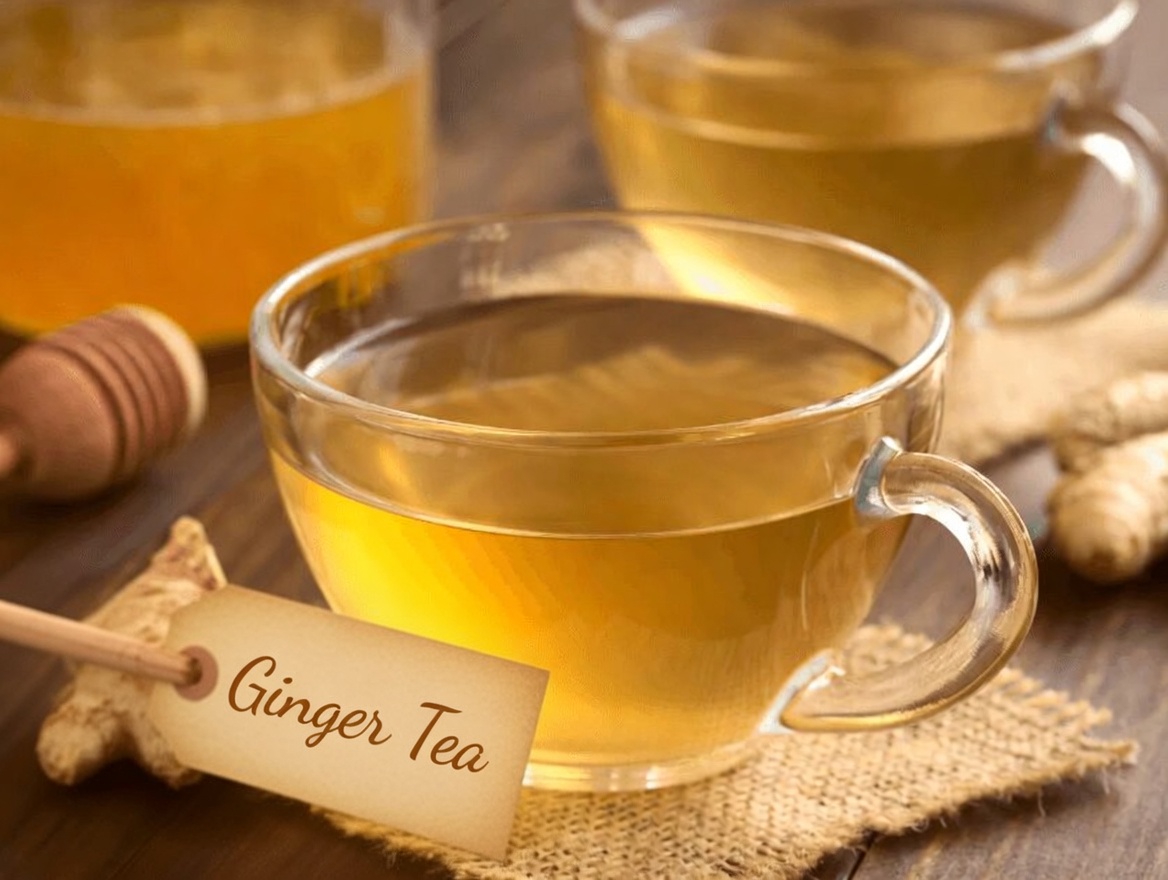
Ginger has been valued for generations in natural health traditions. Its active compounds, called gingerols, are believed to help with mild muscle soreness and support blood flow. For older adults, that may mean feeling a little more comfortable during morning chores or walks.
How to Make Ginger Tea
- Peel and cut a 1-inch piece of fresh ginger root into thin slices.
- If needed, you can use 1 teaspoon of dried ginger powder instead.
- Put the ginger into a mug.
- Pour in 8 ounces of boiling water.
- Let it steep for 8 to 10 minutes.
- Add a squeeze of fresh lemon if you want a brighter flavor and a little extra vitamin C.
Many people describe a pleasant warming feeling after drinking ginger tea regularly for about a week, which may be related to improved circulation.
Tea #2: Turmeric Tea for Joint and Muscle Support
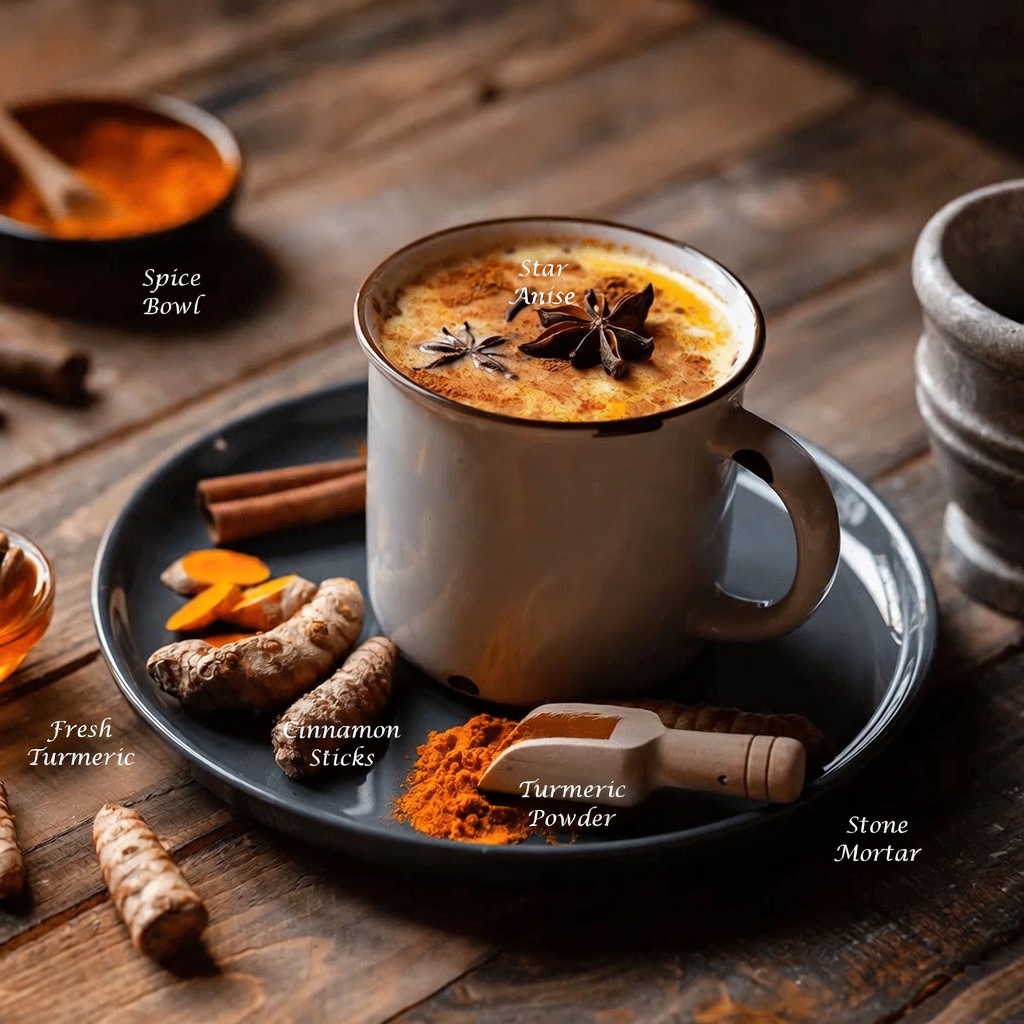
Turmeric is known for its rich golden color, which comes from curcumin. Research published in journals such as Nutrients suggests curcumin may help reduce everyday inflammation and support joint comfort. Adding a small amount of black pepper can improve how well the body absorbs curcumin, making this tea even more effective.
How to Make Golden Turmeric Tea
- Add 1/2 teaspoon of ground turmeric to a small saucepan.
- Mix in a pinch of black pepper.
- Pour in 8 ounces of water or unsweetened almond milk.
- Heat gently and let it simmer for about 5 minutes.
- If desired, stir in a little cinnamon for extra flavor.
- Strain if needed and drink warm.
This tea can be especially pleasant in the afternoon, when stiffness often becomes more noticeable.
Tea #3: Green Tea for Antioxidant Protection and Muscle Recovery
Green tea offers a mild lift in energy along with EGCG, a powerful antioxidant. Studies, including reviews in the American Journal of Clinical Nutrition, suggest these antioxidants may help protect muscle cells from oxidative stress. This may support recovery after light physical activity or even after a busy day on your feet.
How to Brew Green Tea Properly
- Use 1 teaspoon of loose-leaf green tea or 1 good-quality tea bag.
- Heat 8 ounces of water to about 175 to 185°F.
- Avoid boiling water, as it can make green tea taste bitter.
- Steep for 2 to 3 minutes only.
- Drink it plain, or add a slice of lemon for extra freshness.
Many people enjoy green tea in the early evening because it feels both refreshing and calming while still supporting the body’s natural recovery process.
Quick Comparison of the 3 Best Teas for Adults Over 60
| Tea | Best Time to Drink | Main Benefit | Optional Add-Ins | Flavor |
|---|---|---|---|---|
| Ginger Tea | Morning | Supports circulation and warmth | Lemon, small amount of honey | Spicy and warming |
| Turmeric Tea | Afternoon | Helps with joint and muscle comfort | Black pepper, cinnamon | Earthy and rich |
| Green Tea | Early evening | Antioxidant support for recovery | Lemon, mint leaves | Light and fresh |
This simple comparison can help you choose the tea that fits your day best. You can also rotate them throughout the week.
Easy Ways to Turn Tea Into a Lasting Habit
Starting a new wellness routine does not have to be complicated. In fact, simple is usually better.
Try these practical tips:
- Begin with just one tea during the first week
- Keep ingredients visible on your kitchen counter
- Pre-mix turmeric or ginger powder to save time
- Pair tea time with an existing habit, like reading the morning news
- Write down how you feel each day in a small notebook
You might track things such as:
- Morning energy
- How stiff you feel
- How far you walked
- Ease of getting up and moving
Studies on habit-building suggest that linking a new habit to an activity you already do can greatly increase the chance that you will stick with it.
Most importantly, consistency matters more than perfection. Even drinking these teas a few times per week may offer gradual support, especially when combined with light movement such as:
- Short walks
- Gentle stretching
- Chair exercises
- Easy household activity
What Results Can You Realistically Expect?
Everyone responds differently, so results will not be exactly the same for all people. Still, many older adults report subtle changes in comfort, flexibility, or energy within 2 to 4 weeks of regular use.
Think of it as a steady process rather than a quick fix. Like watering a plant, the benefits tend to grow over time.
For the best overall support, combine these teas with:
- Adequate daily hydration
- Protein-rich meals
- Regular gentle movement
- A balanced diet
Final Thoughts
Adding ginger tea, turmeric tea, and green tea to your daily routine is a simple and enjoyable way to support muscle health and mobility after 60. Since many people already boil water every day for a hot drink, this is an easy habit to build without much effort.
A small step like choosing the right tea each day may help you feel more comfortable, stay more active, and maintain the independence that matters so much as you age.
Frequently Asked Questions
1. Are these teas safe if I take medication or have a medical condition?
Ginger, turmeric, and green tea are well tolerated by many people, but it is best to speak with your doctor before adding them regularly to your diet. This is especially important if you take blood thinners, have gallbladder problems, or manage a chronic health condition.
2. How long does it take to notice any benefits?
Some adults say they feel small improvements within 2 to 4 weeks of daily or near-daily use. Results depend on your overall lifestyle, activity level, and nutrition, but these teas are generally a gentle and practical option to try.
3. Can I add sweetener or milk?
Yes. A little honey or a splash of plant-based milk is fine and should not remove the main beneficial compounds. It is still a good idea to keep added sugar low so you can get the most value from the tea.
Disclaimer
This article is intended for educational and informational purposes only. It is not medical advice. Always consult your healthcare provider before making major dietary changes, especially if you have existing health conditions or take prescription medications. Individual results may vary.