Cassava Safety: How to Enjoy This Staple Root Without Risks
Cassava has long been a daily staple for millions of households across Africa, Asia, and Latin America. It is cheap, filling, and shows up in everything from everyday boiled dishes to festive fried snacks. However, in recent years, health professionals and nutrition scientists have become increasingly vocal about what happens inside the body when cassava is not processed correctly.
The naturally occurring compounds in this root can cause anything from mild digestive discomfort to more serious health problems if eaten improperly over time. This has left many regular cassava eaters wondering whether their go‑to side dish is truly safe.
The reassuring truth is that cassava can be enjoyed safely. With a few simple, evidence-based preparation steps that anyone can apply at home—plus one often overlooked processing method experts strongly recommend—cassava can remain a dependable part of the diet instead of a source of concern.
What Is Cassava and Why Do So Many People Eat It?
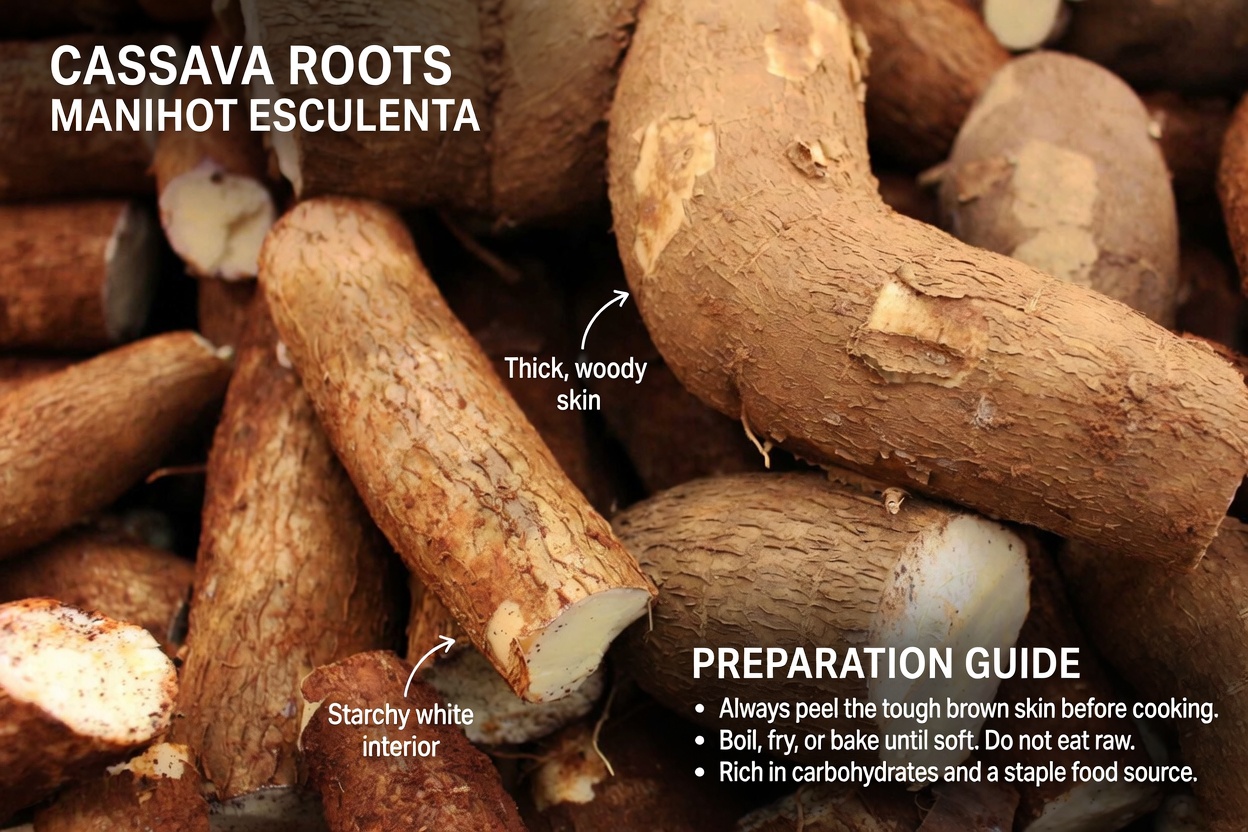
Cassava (Manihot esculenta) is a starchy tuber that originated in South America and is now cultivated widely throughout tropical and subtropical regions. Depending on your country or culture, you may know it as:
- Yuca
- Manioc
- Tapioca root
- Mandioca
Cassava is extremely versatile. It can be:
- Boiled, steamed, or baked
- Fried into crispy sticks or chips
- Mashed like potatoes
- Ground into flour for breads, pancakes, and gluten-free baked goods
The tapioca pearls found in bubble tea and puddings are also derived from cassava starch.
In many low‑income regions, cassava can provide up to half of the daily calorie intake for entire populations. It grows well in poor soils, tolerates drought, keeps reasonably well, and is inexpensive to produce. Yet the same plant that supports food security worldwide also contains natural substances that must be reduced or removed before the root is safe to eat.
Why Doctors Warn About Raw Cassava
Health experts highlight one crucial point: fresh, raw cassava contains cyanogenic glycosides—compounds that can release cyanide when the plant tissue is damaged, grated, chewed, or eaten uncooked.
This may sound worrying, but billions of meals containing cassava are eaten every year without incident. The difference lies almost entirely in how cassava is processed. When cassava is properly:
- Peeled
- Soaked
- Fermented
- Dried
- Thoroughly cooked
the cyanogenic compounds are largely broken down or washed out, making the final dish safe to eat.
Problems typically occur when shortcuts are taken, such as eating cassava raw, undercooked, or inadequately processed. With the right preparation, cassava functions as a safe and energy-dense food.
Health Issues Linked to Incorrect Cassava Preparation
Researchers have spent decades studying what happens when cassava is not handled correctly. Inadequate processing can leave behind enough cyanogenic compounds to cause recognizable symptoms and, under extreme circumstances, more serious conditions.
1. Cyanide Exposure and Short-Term Symptoms
Consuming raw or poorly processed cassava can expose your body to elevated levels of cyanide. Common early signs of cyanide exposure include:
- Headache
- Dizziness or lightheadedness
- Nausea or vomiting
- Rapid or difficult breathing
- Generalized fatigue or weakness
These symptoms usually appear shortly after eating and act as a warning that the cassava was not prepared safely. Severe poisoning is uncommon in everyday home cooking but has been documented in cases where large amounts of inadequately processed cassava were consumed, particularly in crisis or famine situations.
2. Thyroid and Iodine-Related Concerns
Another potential issue involves the thyroid gland. Some compounds in cassava can interfere with the way the body uses iodine, a mineral essential for normal thyroid function.
In areas where:
- Cassava is a primary staple food, and
- Iodine intake is already low (for example, where iodized salt or seafood is scarce),
studies have linked high consumption of poorly processed cassava to an increased risk of goiter (enlarged thyroid).
The encouraging news is that:
- Proper cooking and processing significantly reduce these interfering compounds.
- Eating iodine-rich foods such as seafood, seaweed, or iodized salt helps counterbalance any remaining impact.
3. Rare Neurological Problems in Extreme Conditions
In very specific circumstances—usually where severe food insecurity and malnutrition are present—long-term dependence on poorly processed cassava has been associated with a neurological condition known as konzo.
Key characteristics of konzo include:
- Sudden onset of difficulty walking
- Muscle stiffness or weakness in the legs
- Occurrence in communities with monotonous diets low in protein and nutrients
Experts emphasize that konzo is extremely rare in households that have a varied diet and use cassava as just one of several carbohydrate sources. For most families preparing cassava in normal quantities, especially with proper processing, the risk is extremely low.
The Upside: Nutritional Benefits of Well-Prepared Cassava
When handled correctly, cassava offers several real advantages from a nutritional and practical standpoint:
- High in carbohydrates: Provides a steady source of energy, helpful for active individuals and physically demanding lifestyles.
- Naturally gluten-free: Suitable for people with celiac disease, gluten intolerance, or those avoiding wheat.
- Contains some fiber and vitamin C: Supports digestive health and contributes modestly to immune function.
What sets cassava apart from many other roots is its resilience and affordability. It can stay in the ground until needed, tolerate rough conditions, and costs less than many alternative staples, making it a valuable crop for both farmers and consumers.
How to Prepare Cassava Safely: A Step-by-Step Guide
Nutrition specialists generally agree on a set of simple practices that dramatically reduce health risks from cassava. These steps are easy to apply in a home kitchen:
-
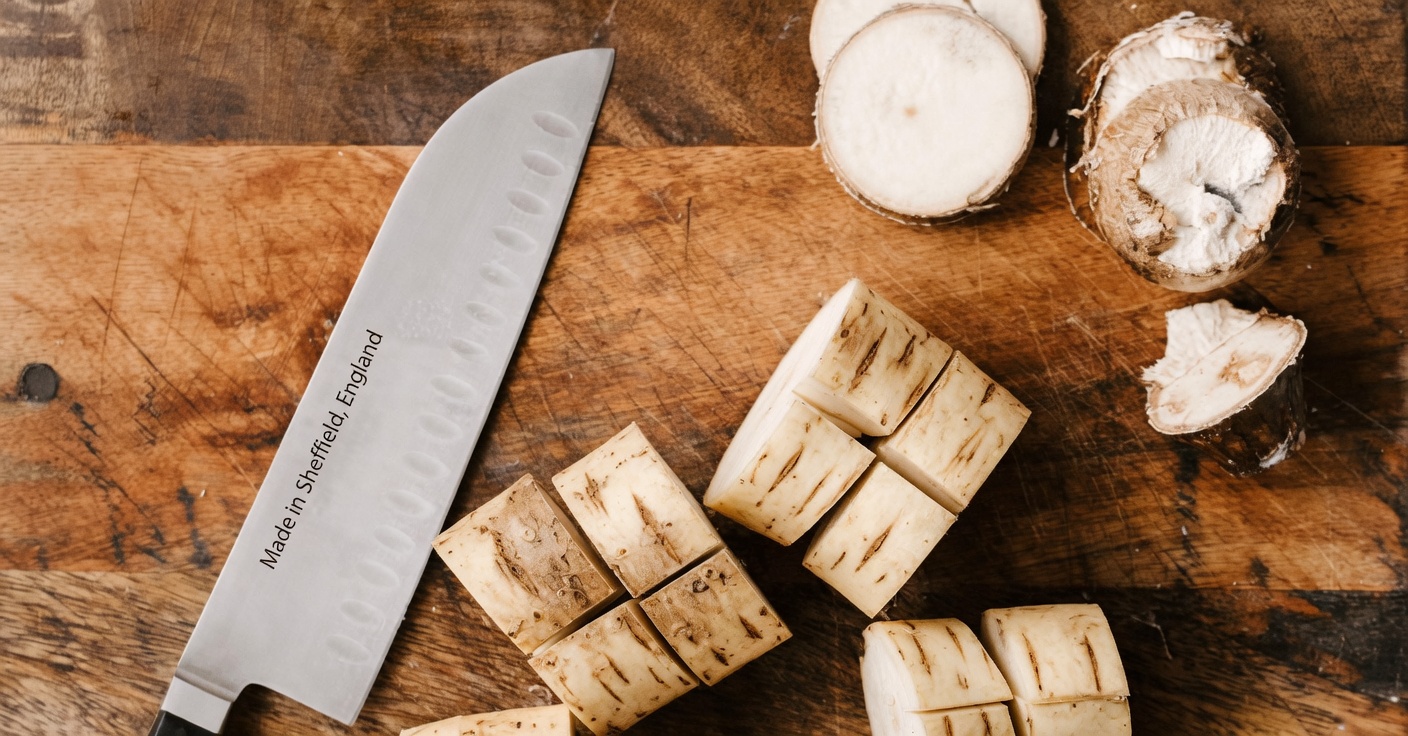
Peel thoroughly
Remove the entire brown outer skin and the pinkish or cream layer just beneath it. Most harmful compounds are concentrated near the peel. -
Never eat cassava raw
Raw cassava should not be sampled, even in small amounts. Cooking is essential to reduce cyanogenic substances. -
Soak when possible
- Cut the peeled cassava into pieces.
- Soak in plenty of clean water for at least 24 hours, especially for bitter varieties.
- Discard the soaking water and rinse the pieces well.
Traditional methods such as fermentation or sun-drying can further improve safety, particularly in regions that grow more bitter cassava types.
-
Cook until very soft
Boil, steam, bake, or fry cassava until it is fully tender. Adequate heat is the final key step to neutralize remaining compounds. -
Watch your portion size and pair wisely
- Avoid eating huge portions of cassava as the only carbohydrate at every meal.
- Combine it with protein sources (beans, meat, fish, eggs) and iodine-rich foods to support balanced nutrition.
-
Use the “taste test” for bitterness
Once a piece is fully cooked and cooled slightly, taste a small bite. Well-processed cassava should taste mild and somewhat sweet or neutral—not sharply bitter.- If the cooked cassava tastes bitter, discard it or treat that batch with extra caution.
- Bitter-tasting varieties naturally tend to contain higher levels of cyanogenic compounds and require more thorough processing.
Who Should Pay Extra Attention to Cassava Intake?
While most people can enjoy cassava safely when it is well prepared, some groups may need to be especially careful:
-
Individuals with thyroid disorders
People already managing thyroid issues should make sure cassava is always well processed and that their iodine intake is adequate. Speak with a healthcare provider if cassava is a frequent part of your diet. -
People living in iodine-deficient regions
In areas where iodine deficiency is common, heavy reliance on poorly prepared cassava can compound the problem. Using iodized salt and including iodine-rich foods can help. -
Households where cassava is the main carbohydrate
Families that rely on cassava at most meals should follow safe preparation guidelines strictly and aim to add variety with other grains, roots, and protein sources whenever possible.
For everyone else, moderate consumption combined with proper processing is generally considered safe.
Common Cassava Products and How to Use Them Safely
Different cassava-based products require different approaches. Here is a quick reference:
| Cassava Product | Safest Preparation Method | Why It Matters |
|---|---|---|
| Fresh cassava root | Peel completely; soak if possible; boil or cook until very soft | Removes most cyanogenic compounds and ensures tenderness |
| Cassava flour | Use commercially produced flour; bake or cook as directed | Industrial processing already reduces toxins |
| Tapioca pearls | Simmer in plenty of liquid until fully translucent and soft | Thorough heating breaks down any remaining traces |
| Fried cassava (chips, fries) | Start with peeled, soaked (if possible) root; fry in hot oil until golden and fully cooked | High heat finishing step adds an extra layer of safety |
For beginners, using reputable store-bought cassava flour and tapioca products is often the simplest and safest starting point, as they are typically processed under controlled conditions.
Key Takeaways: Enjoy Cassava With Confidence
Cassava has sustained communities for centuries and remains vital for food security in many parts of the world. Understanding how its natural compounds work—and how to neutralize them—allows you to keep enjoying cassava without unnecessary worry.
The core message from doctors and nutrition experts is consistent:
- Cassava itself is not inherently dangerous.
- The risk comes from inadequate preparation and unbalanced diets.
When you peel it well, soak or ferment when appropriate, cook it thoroughly, and eat it as part of a varied, nutrient-rich diet, cassava can be a safe, affordable, and satisfying staple.
FAQ
Is it safe to eat cassava every day?
For most healthy adults, yes—provided cassava is:
- Completely peeled
- Soaked when feasible (especially bitter varieties)
- Cooked thoroughly until soft
It should also be part of a varied diet that includes sufficient protein, fruits, vegetables, and iodine-rich foods.
Can I use cassava flour for baking without extra processing?
Yes. Commercial cassava flour and tapioca products are generally processed to reduce cyanogenic compounds to safe levels. You can typically use them directly from the package, following recipe directions.
How can I tell if my cassava is safe after cooking?
Properly prepared cassava should:
- Taste mild and slightly sweet or neutral
- Have a soft, pleasant texture
- Not taste bitter or have a harsh aftertaste
If the cooked cassava tastes bitter, or if you feel unwell after eating it, discard the remaining portion and consider buying cassava from a different supplier.
Disclaimer: This article is for informational purposes only and does not replace professional medical advice, diagnosis, or treatment. Always consult your doctor or a qualified health professional with questions about your diet or health conditions.