
Everyday Fruits That Gently Support Kidney Health
Most of us move through packed schedules without thinking about what our kidneys are doing behind the scenes—filtering waste, balancing fluids, regulating minerals, and supporting overall health. Modern eating patterns high in processed foods, paired with periods of dehydration or environmental stress, can increase the workload on these organs. The result can be subtle: fatigue, sluggishness, or a general dip in comfort and energy.
The encouraging news is that you can support daily kidney function in a very simple way: by eating common fruits that are naturally rich in antioxidants, fiber, and hydrating compounds.

Among them, five accessible fruits consistently stand out in nutrition research for their potential to promote kidney wellness. Even better, they are easy to find and simple to add to your regular meals and snacks.
Why Everyday Fruits Matter for Kidney Wellness
Your kidneys are built to detoxify and balance your internal environment every day. While they do this automatically, the nutrients you consume can either add strain—or help lighten the load.
Fruits that are:
- High in antioxidants
- Rich in water content
- Packed with fiber
are frequently highlighted in nutritional studies for helping reduce oxidative stress, supporting hydration, and promoting healthy elimination.
Organizations such as the National Kidney Foundation often emphasize plant-forward eating patterns as part of dietary approaches linked with healthier kidney function over time.
You don’t need expensive detox products or complicated routines. The five fruits below can be powerful allies, using what research generally shows about their natural compounds and how they may support kidney health.
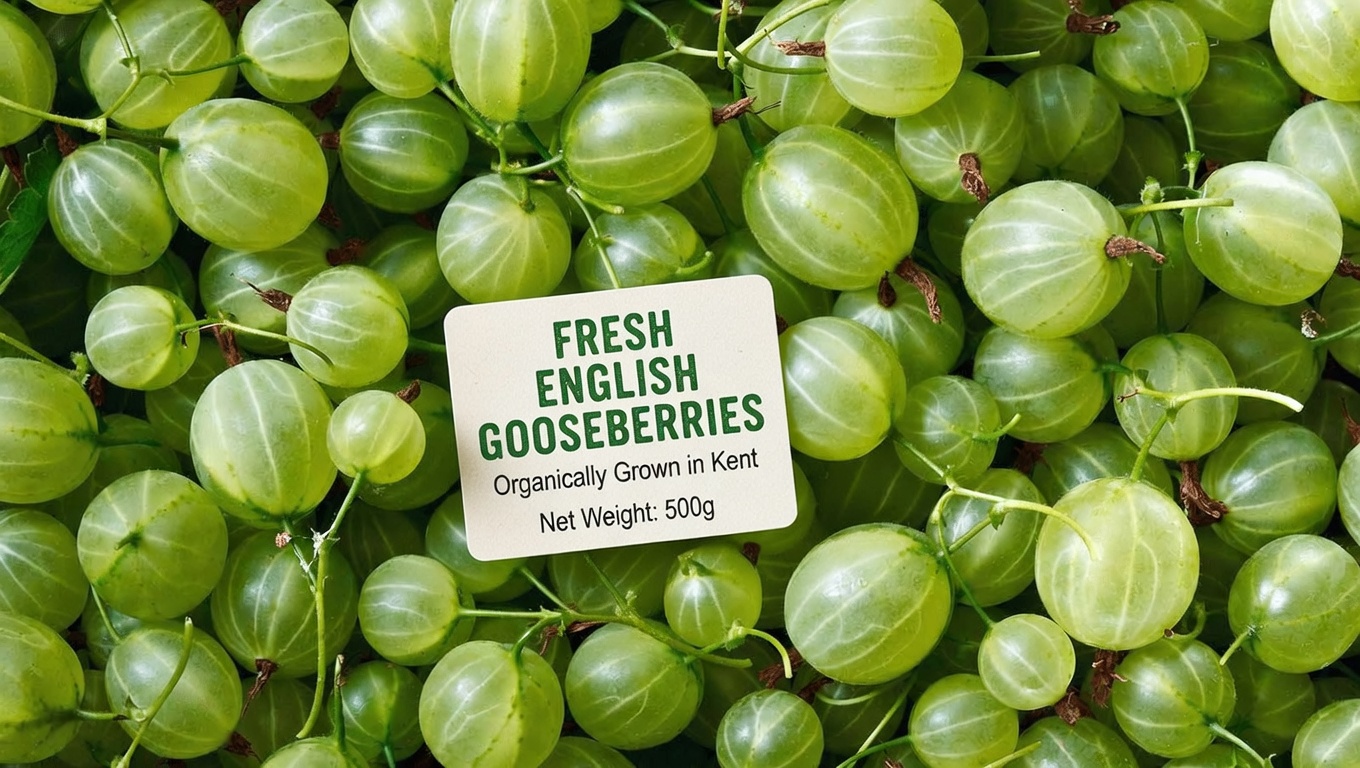
1. Gooseberries: Small Fruit, Big Antioxidant Support
Gooseberries—the tart, bright green berries often used fresh, in preserves, or in herbal infusions—deliver a concentrated mix of beneficial nutrients. Animal and lab studies suggest that their impressive levels of vitamin C and polyphenols may help shield kidney tissues from everyday oxidative damage.
They are also:
- Naturally hydrating due to their high water content
- A source of fiber that supports digestion and regular elimination
- Packed with plant compounds that encourage overall cellular health
You can:
- Enjoy them fresh by the handful
- Blend them into smoothies
- Steep them in hot water for a light, tangy tea
Try tossing a handful into your morning yogurt or oatmeal, or simmer them into a quick gooseberry sauce or compote to pair with breakfast or snacks.
2. Cranberries: Classic Support for the Urinary Tract
Cranberries are widely known for their role in urinary tract health. They contain unique compounds called proanthocyanidins, which research indicates may help prevent certain bacteria from adhering to the lining of the urinary tract. Keeping the urinary tract comfortable and functioning smoothly indirectly supports the kidneys by reducing potential sources of irritation or infection.
Many kidney-focused health organizations include cranberries in their recommended food lists, especially as part of a balanced, kidney-conscious diet.
Cranberries also:
- Offer antioxidants that help combat oxidative stress
- Have a naturally tart profile that pairs well with other fruits
- Are versatile in multiple forms when sugar is limited
Kidney-friendly ways to include cranberries:
- Stir fresh or thawed cranberries into oatmeal or yogurt
- Blend a small handful into a smoothie
- Use unsweetened cranberry juice diluted with water or sparkling water
- Sprinkle unsweetened dried cranberries over salads or grain bowls
Focus on consistency rather than large amounts—adding a little most days can be more effective than consuming a lot at once.
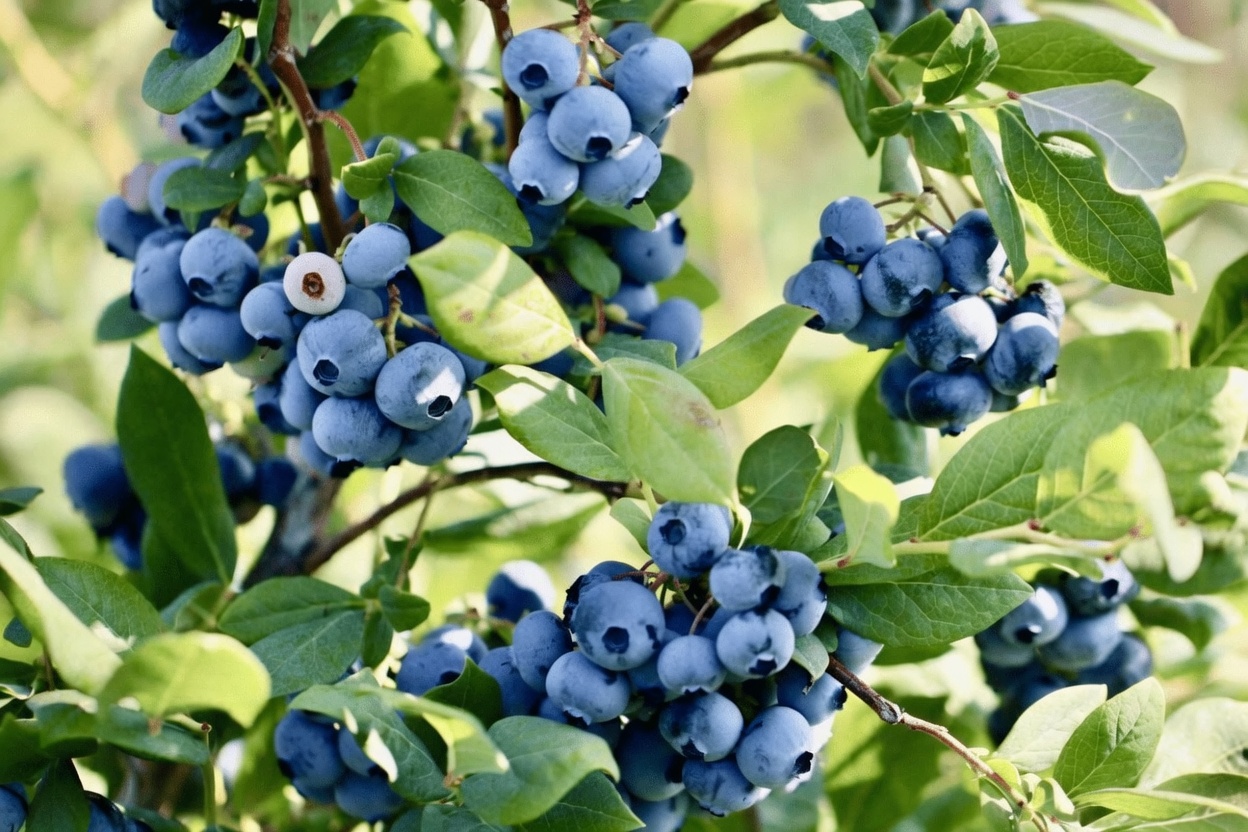
3. Blueberries: Daily Antioxidant Protection in a Bite
Blueberries are often labeled as one of the most powerful “berry” options for overall health, and kidney wellness is no exception. Their deep blue color comes from anthocyanins, plant pigments linked with reduced inflammation and enhanced cellular protection.
Observational research has associated berry-rich diets with improved markers of cardiovascular and kidney health over time, making blueberries a smart choice for routine use.
Reasons blueberries deserve a regular spot in your diet:
- High in antioxidants that help reduce oxidative stress
- Naturally low in sodium and calories
- Hydrating and easy to snack on
- Convenient to store fresh or frozen for busy weeks
You can:
- Toss them into cereal or overnight oats
- Keep a frozen bag on hand for quick smoothies
- Bake them into low-sugar muffins or sprinkle over pancakes
Many people find that adding berries consistently contributes to more stable energy and a greater feeling of vitality.
4. Lemons: Everyday Citrus Support with Natural Citrate
Lemons may be small, but their impact can be meaningful for kidney wellness. They are rich in citrate, a compound that research suggests can help maintain a healthier balance in the urinary environment. At the same time, lemons encourage regular fluid intake and supply vitamin C, adding to your overall antioxidant defenses.
Healthcare professionals often recommend lemon water as a simple, low-cost habit for individuals focused on urinary and kidney health.
Practical ways to make lemons part of your day:
- Drink warm lemon water first thing in the morning
- Add lemon slices to your water bottle to encourage sipping throughout the day
- Use fresh lemon juice instead of high-sodium sauces
- Sprinkle lemon zest over vegetables, fish, or grains for extra flavor without extra salt
This tiny tweak to your daily routine can improve hydration and support your kidneys with almost no effort.
5. Apples: Fiber and Balance for Whole-Body Support
Apples are one of the most universally available fruits—and they’re surprisingly supportive for kidney-friendly eating patterns. They supply soluble fiber, particularly pectin, which is associated with smoother digestion and healthier cholesterol and blood sugar levels. These factors are closely tied to long-term kidney comfort and function.
Because apples are:
- Naturally low in sodium
- Moderate in potassium (depending on variety and serving size)
- Packed with antioxidants and fiber
they frequently appear on kidney-conscious food lists from health professionals.
Easy ways to enjoy apples:
- Eat them whole with the skin on for maximum fiber
- Slice them into salads or slaws for crunch and sweetness
- Bake apple slices with a dusting of cinnamon for a warm dessert
- Pair with a small serving of nuts for a balanced snack
A medium apple per day is a simple, flexible addition to most eating styles.
Key Nutrients and Kidney-Supporting Benefits at a Glance
Here’s a quick comparison to see how these fruits complement each other:
| Fruit | Standout Nutrients | Main Kidney-Supporting Role | Simple Daily Serving Idea |
|---|---|---|---|
| Gooseberries | Vitamin C, polyphenols | Antioxidant protection for kidney cells | A small handful fresh or brewed into tea |
| Cranberries | Proanthocyanidins, antioxidants | Support for urinary tract comfort | Unsweetened juice or a spoonful of dried fruit |
| Blueberries | Anthocyanins, antioxidants | Help counter everyday oxidative stress | Frozen in smoothies or fresh as a snack |
| Lemons | Citrate, vitamin C | Support hydration and urinary balance | A squeeze in warm or room-temperature water |
| Apples | Soluble fiber (pectin), antioxidants | Assist digestion and blood sugar/cholesterol balance | One whole apple with skin |
Rotating these fruits through your week allows you to benefit from a wide range of nutrients and plant compounds that work together to support kidney health.
How to Start Adding These Fruits Today
You can begin supporting your kidneys with a straightforward daily pattern. Here’s a sample structure to follow (and adapt) over a week:
- Morning:
- Drink a glass (about 16 oz / 500 ml) of water with the juice of half a lemon.
- Mid-morning snack:
- Have a small handful of blueberries or gooseberries.
- Lunch:
- Add sliced apple to your salad or enjoy a whole apple on the side.
- Afternoon:
- Sip a mix of unsweetened cranberry juice and still or sparkling water.
- Dinner:
- Use lemon juice or zest over vegetables, fish, or beans instead of heavy sauces.
- Evening treat:
- Bake apple slices with cinnamon for a light dessert.
- Weekend bonus:
- Blend all five fruits into a colorful smoothie for a nutrient-packed drink.
After a couple of weeks, many people notice steadier energy, better hydration, and a general feeling of lightness simply from weaving these fruits into their routine. For maximum benefit, choose fresh or frozen fruit without added sugars whenever possible.
Remember: these fruits work best alongside plenty of plain water, regular movement, and a balanced, minimally processed diet.
Simple, Kidney-Conscious Recipes
Gooseberry–Lemon Refresher
Ingredients:
- ½ cup fresh or frozen gooseberries
- Juice of 1 lemon
- A small handful of blueberries
- Cold water to dilute
- Ice (optional)
Instructions:
- Add gooseberries, lemon juice, blueberries, and water to a blender.
- Blend until smooth, then taste and adjust water to your preferred strength.
- Strain if you prefer a clearer drink.
- Serve chilled over ice.
This light, tangy drink takes just a few minutes and offers hydration plus a burst of antioxidant-rich flavor.
Cranberry–Apple Overnight Oats
Ingredients:
- ½ cup rolled oats
- ½ cup unsweetened cranberry juice (or half juice, half water)
- ½–1 small apple, chopped
- 2–3 tablespoons blueberries
- A few gooseberries (optional, for topping)
- Cinnamon or nutmeg to taste
Instructions:
- In a jar or container, combine oats, cranberry juice, chopped apple, and blueberries.
- Stir in a pinch of cinnamon or nutmeg.
- Cover and refrigerate overnight.
- In the morning, top with gooseberries and a little extra water or milk if needed.
This make-ahead breakfast brings together several kidney-supportive fruits in one balanced, fiber-rich meal.
What Research Generally Suggests
While individual studies vary in design and strength, multiple observational studies and reviews—along with guidance from reputable organizations such as the National Kidney Foundation and evidence-based health resources—tend to agree on a few key points:
- Diets rich in fruits, vegetables, and other plant foods are associated with better long-term kidney and cardiovascular health.
- Antioxidant and anti-inflammatory compounds found in berries, citrus, and other fruits may help reduce oxidative stress, which is one factor that can affect kidney tissues.
- Hydration, supported by water-rich foods and adequate fluid intake, is essential for healthy kidney function.
These fruits are not cures or medical treatments, but they can be valuable parts of a kidney-friendly lifestyle when combined with an overall balanced diet, regular physical activity, quality sleep, and any medical advice given by your healthcare provider.
If you have existing kidney disease or specific dietary restrictions (such as potassium or fluid limits), always consult your doctor or a renal dietitian before making major changes to your fruit intake.