White Bumps Near Your Tonsils: What They Could Mean and How Daily Habits Affect Them
You look in the mirror one morning and notice tiny white bumps sitting at the back of your mouth near your tonsils. At first, they may seem harmless, but over time they can come with an irritating throat sensation, an unpleasant taste, or bad breath that does not fully go away even with brushing and mouthwash. That can feel discouraging, especially when you work hard to keep your mouth fresh and your confidence high.
The reassuring part is that these bumps are often understandable and manageable. Once you learn what they are and how ordinary daily habits may contribute to them, the whole situation becomes far less stressful. There is also an eye-opening connection many people overlook until much later.
What Are These White Bumps in the Mouth?
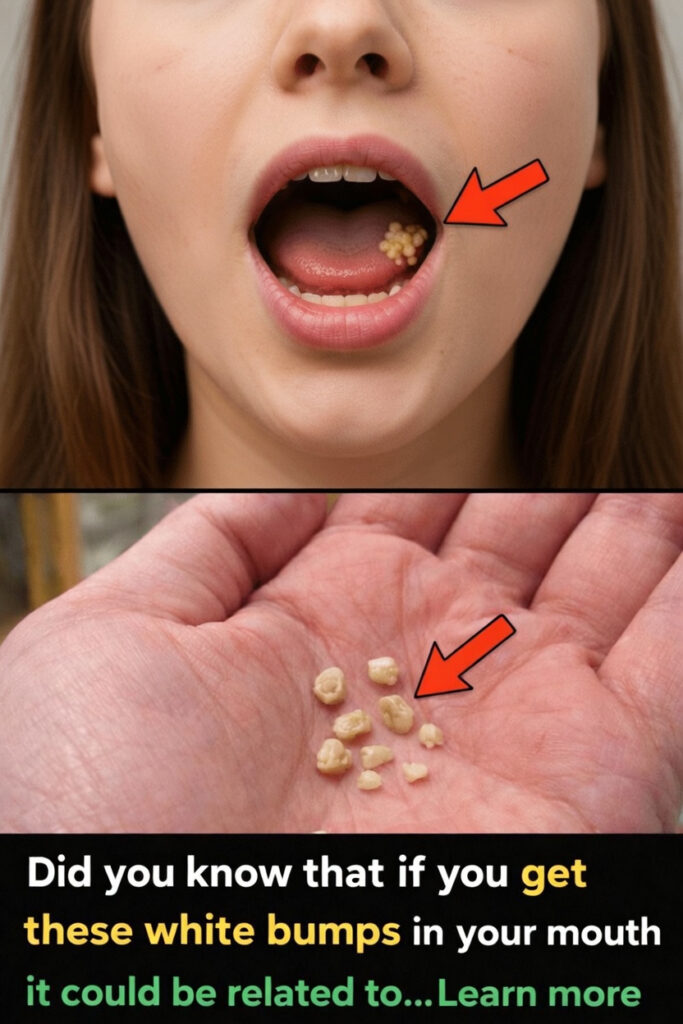
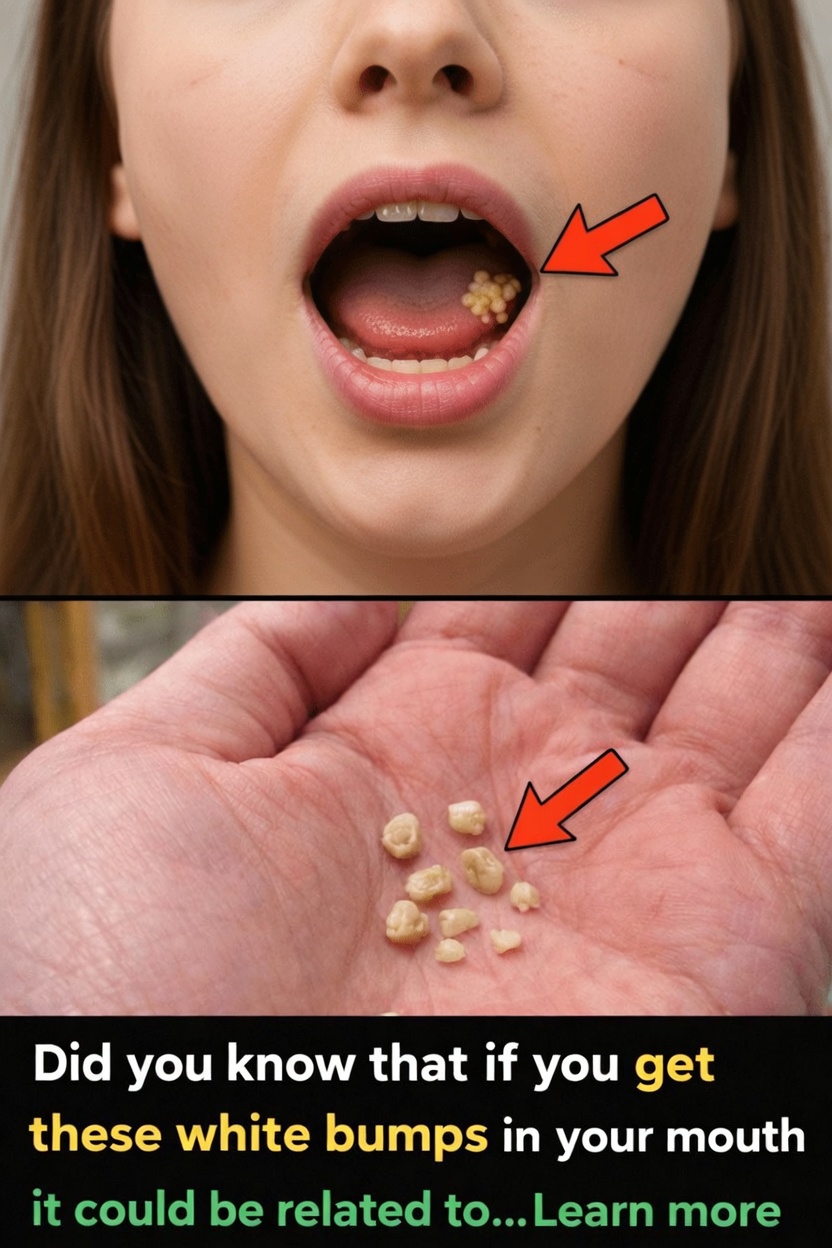
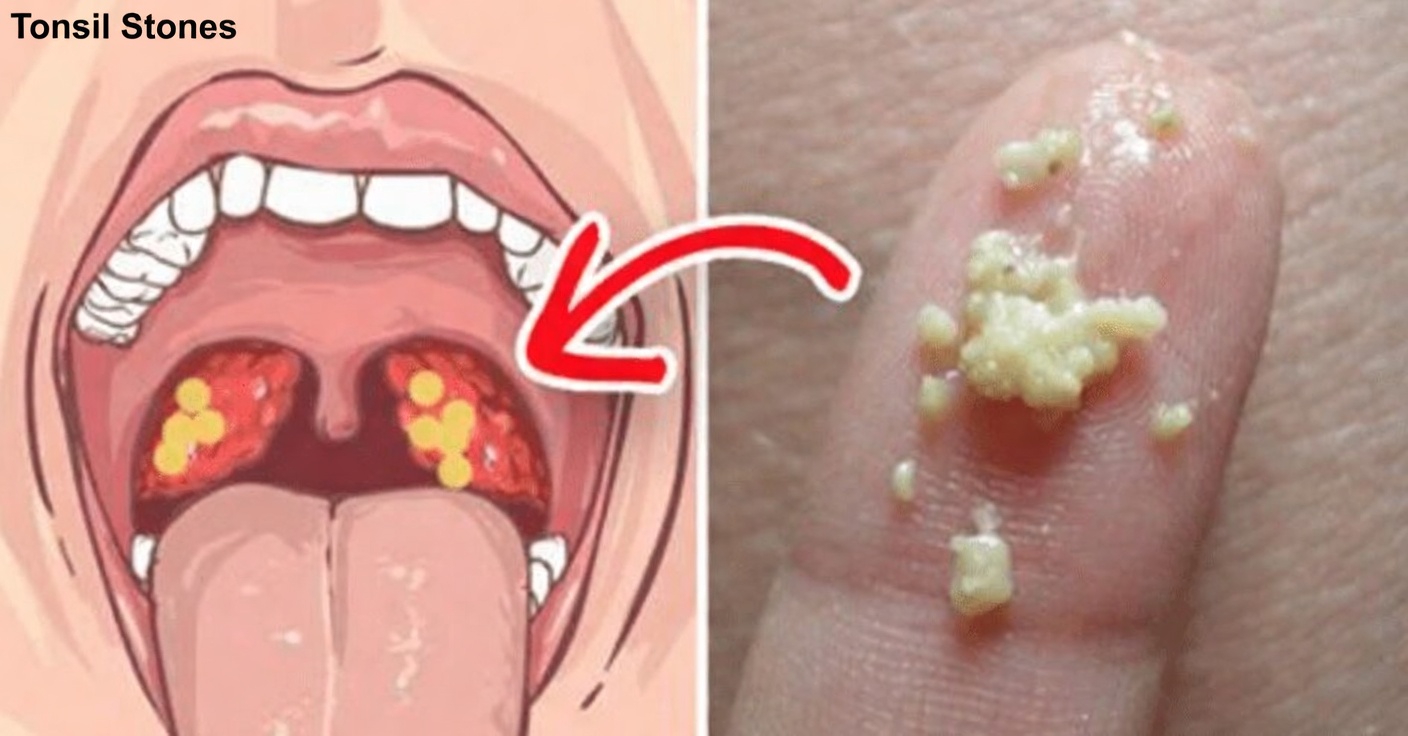
These white spots are often small, pebble-like formations that appear around the tonsils. Many adults notice them at some point in life. They are usually made from hardened material such as calcium, combined with food debris, dead cells, and bacteria that collect inside the natural folds of the tonsils.
Medical professionals, including experts cited by the Cleveland Clinic, refer to them as tonsilloliths, or more commonly, tonsil stones. In most cases, they are not dangerous, and many people have them without serious health problems. Still, that does not make them any less annoying when they keep returning.
They may appear as tiny white or yellowish dots, or sometimes gather into larger clumps. If you open your mouth wide and use a light, they can be surprisingly easy to spot. The key thing to know is that seeing them does not automatically signal a serious issue. Often, they are simply the result of your tonsils trapping material that was not naturally cleared away.
How Do Tonsil Stones Form?
Tonsils contain small crevices called tonsillar crypts. These little pockets can trap mucus, food particles, bacteria, and other debris. As time passes, minerals in saliva can combine with that trapped material and harden, creating the white bumps you see.
Health information from sources such as Mayo Clinic Health System explains that this process is similar to how plaque forms on teeth. The buildup does not happen instantly. Instead, it develops gradually as leftover matter remains lodged in the tonsils and eventually calcifies.
What many people do not realize is that this process is not entirely random. Everyday behaviors can increase the likelihood of these bumps appearing. For example, poor oral hygiene leaves more bacteria in the mouth, giving tonsil stones more material to form from. Ongoing post-nasal drip and certain eating patterns, especially diets high in sugar or dairy, may also contribute by increasing residue and mucus.
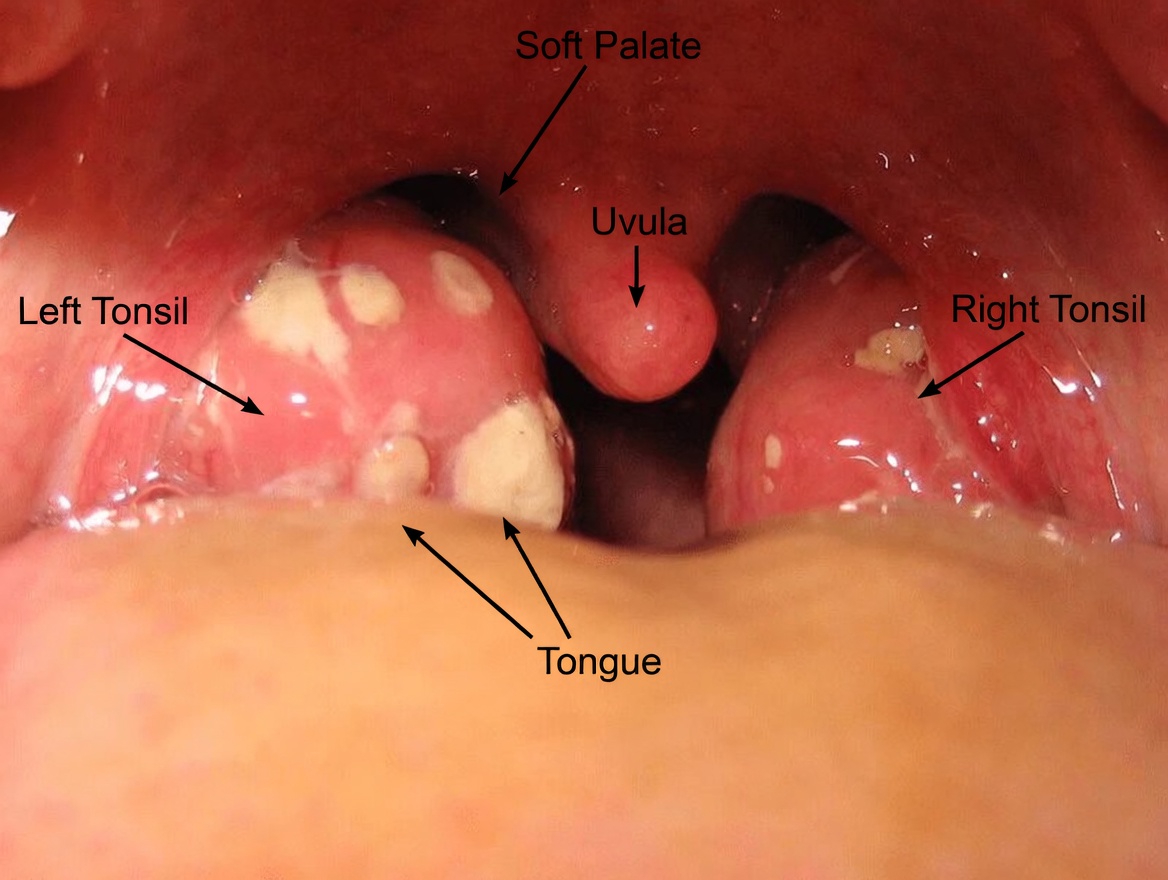
Once you understand that link, the picture becomes much clearer. These white bumps may seem to appear out of nowhere, but they are often connected to simple routines and habits that build up over time.
Daily Habits That May Increase White Bumps Near the Tonsils
A lot of people are surprised to learn how much their everyday routine can influence the formation of tonsil stones. Missing a proper brushing session or skipping floss before bed can leave food particles behind for hours. That gives bacteria more time to collect in the tonsil area.
Oral health research consistently shows that better hygiene helps lower bacterial buildup, which may reduce the chance of calcified material forming. Some of the most common habits linked to these white bumps include:
- Skipping tongue cleaning, which allows bacteria to build up and spread toward the tonsils
- Not drinking enough water during the day, leading to thicker saliva that traps debris more easily
- Eating a diet heavy in soft, processed foods that leave extra residue in the mouth
- Sleeping with your mouth open, especially if allergies or congestion are involved
These habits usually do not create tonsil stones overnight. Instead, they gradually create the right environment over weeks or months. The good news is that even modest changes can help shift things in a better direction.
Simple Ways to Help Manage White Bumps in Your Mouth
One of the best things about dealing with these white bumps is that you can often start improving the situation right away. You do not necessarily need special equipment or an immediate appointment. A few consistent habits can help your mouth feel cleaner and more comfortable.
Here are practical steps you can start today:
-
Brush and floss consistently
- Brush for a full two minutes twice a day.
- Floss once daily to remove food before it can collect near the tonsils.
-
Gargle with warm salt water
- Mix half a teaspoon of salt into a cup of warm water.
- Gargle gently for about 30 seconds after meals or before bed to help loosen debris.
-
Drink enough water
- Aim for at least eight glasses a day.
- Staying hydrated helps keep saliva flowing and may reduce buildup.
-
Clean your tongue
- Use a tongue scraper or the back of your toothbrush.
- This can help reduce bacteria that might otherwise contribute to tonsil stones.
-
Use an alcohol-free mouthwash
- Rinse at night with a mouthwash that targets bacteria without drying out your mouth.
- Dryness can sometimes make the issue worse.
These tips align with common oral health guidance and are easy to fit into most routines. Many people notice a fresher mouth and fewer symptoms after staying consistent for just a short time.
When White Bumps May Need Medical Attention
Although tonsil stones are usually harmless, there are times when it makes sense to get a professional opinion. If the bumps become painful, keep returning, or are accompanied by other symptoms, it is worth checking in with a dentist or doctor.
Pay attention to signs such as:
- Ongoing bad breath that does not improve with proper oral care
- A constant sensation that something is stuck in your throat
- Swelling, redness, or pain lasting more than a few days
- Trouble swallowing or ear pain that seems related
- White bumps that become larger or appear more often
Most of the time, these are simply a nuisance rather than a serious problem. Still, listening to your body is important. A professional evaluation can provide reassurance and help rule out other causes.
Take Charge of Your Oral Comfort
White bumps near your tonsils do not have to remain a mystery. When you connect them to simple habits like brushing, flossing, cleaning your tongue, and staying hydrated, it becomes easier to manage them. The surprising truth is that small, steady improvements often lead to fewer bumps and a cleaner, fresher feeling overall.
You deserve to feel comfortable when you smile, speak, or open your mouth without worry. Start with one or two habits from the list above and build from there. You do not need perfection—just consistency. Over time, your mouth and your confidence may both benefit.
Frequently Asked Questions About White Bumps in the Mouth
Are these white bumps common?
Yes, they are fairly common, especially in adults who have deeper tonsil crevices. Not everyone notices them, but many people experience them from time to time, according to information from sources like the Cleveland Clinic.
Can diet make white bumps appear more often?
It can. Certain foods may leave more residue in the mouth or affect saliva and mucus levels. Experts often suggest reducing overly sugary or very soft processed foods while increasing water intake to support better oral health.
How long do tonsil stones usually last?
Smaller ones may come loose on their own within a few days or weeks, especially with good oral hygiene. Larger or recurring ones may take longer and sometimes need more attention, but many people improve with simple daily care.
Disclaimer
This article is for informational purposes only and should not be considered medical advice. Always consult a qualified healthcare professional for diagnosis or treatment.