
Fig Sap: An Old-World Remedy With New-World Appeal
Many people deal with everyday skin flare-ups, minor cuts that heal slowly, or digestive discomfort that interferes with daily life. These nagging issues often push us to look for natural alternatives in a market crowded with synthetic formulas. One traditional option now regaining interest is fig sap.
This age-old substance, once a staple in folk medicine, is now being examined for its potential to support skin, digestion, and overall wellness. And as you’ll see toward the end, fig sap has even found its way into some surprising modern applications far beyond health and beauty.

What Is Fig Sap (Fig Latex)?
Fig sap, often called fig latex, is the milky, sticky liquid that seeps out when you break the stem, leaf, or unripe fruit of the common fig tree (Ficus carica). Native to the Mediterranean and now cultivated worldwide, the fig tree has accompanied human civilization for thousands of years.
This sap is much more than a simple plant fluid. It contains:
- Enzymes such as ficin
- Proteins and amino acids
- Sugars
- Organic acids and other bioactive compounds
These components give fig sap distinctive properties that have attracted the interest of both traditional practitioners and modern scientists.
Unlike the sweet fig fruit we eat fresh or dried, the sap serves a primarily functional role for the tree: it helps seal wounds, discourages pests, and protects against infections in plant tissue.
Traditional Uses of Fig Sap Around the World
Across many cultures, fig trees have been revered not only as a food source but also as a natural pharmacy. Fig sap, in particular, has a long record of traditional use:
-
Ancient Greece and Rome:
People reportedly applied fig latex to various skin concerns as a straightforward home remedy. -
Middle Eastern traditions:
Fresh sap was commonly dotted onto warts and corns, with the belief that its natural enzymes would gradually break down the unwanted tissue. -
African and Asian herbal practices:
Fig sap was sometimes combined with water or other botanicals as part of preparations intended to support digestion or soothe the gastrointestinal tract.
Common historical applications included:
- Topical use for minor blemishes, irritations, and rough skin
- Inclusion in herbal infusions for digestive comfort
- Use in simple wound poultices to support the body’s natural repair processes
These time-tested practices highlight how fig sap was valued for being accessible, multipurpose, and easy to use long before laboratory studies existed.
Potential Skin Benefits of Fig Sap
Healthy skin plays a major role in how we feel and present ourselves. Emerging research suggests that fig sap may be helpful for certain aspects of skin health, largely due to its enzymatic and antimicrobial characteristics.
Key points from early findings include:
-
Enzymatic action:
Ficin, the primary enzyme in fig latex, is a proteolytic enzyme—meaning it helps break down proteins. This gentle “digesting” action may help loosen dead skin cells on the surface. -
Antimicrobial potential:
Some studies have reported that fig sap components show activity against specific bacteria. For example, research published in the Journal of Ethnopharmacology has explored its traditional role in supporting wound care. -
Antioxidant support:
Preliminary investigations suggest that fig latex may have antioxidant properties, which could help the skin cope with everyday stressors such as pollution and UV exposure.
If you are considering experimenting with fresh fig sap on your skin, proceed cautiously:
- Collect carefully: Use sap from a healthy, unsprayed fig tree.
- Patch test first: Apply a very small amount to a limited area, such as the inner forearm.
- Wait and observe: Leave it for up to 24 hours and watch for redness, itching, or burning.
If irritation appears, wash the area with mild soap and water and discontinue use. Always consult a dermatologist or qualified health professional before trying new topical remedies, especially if you have sensitive or reactive skin.
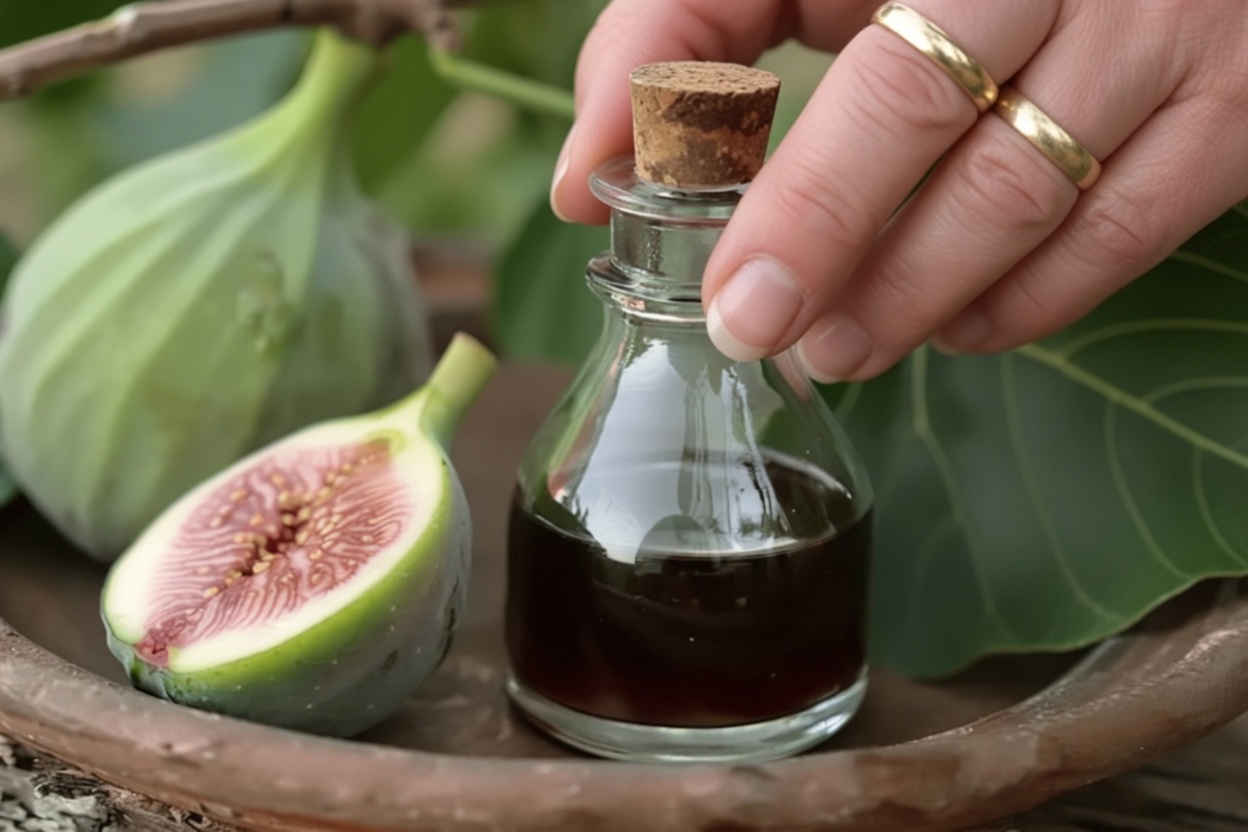
How Fig Sap May Support Digestive Wellness
Digestive health influences energy, mood, and overall vitality. In many traditional systems, fig sap has been used in small quantities as a gentle digestive aid, thanks largely to its enzyme content.
Here’s how it may contribute:
-
Protein breakdown:
Ficin, similar to enzymes like papain (papaya) or bromelain (pineapple), helps break down proteins into smaller peptides and amino acids. A review in the International Journal of Molecular Sciences highlights how plant-derived proteolytic enzymes can support digestive processes. -
Gut balance and prebiotic-like effects:
Studies on fig extracts—not just the sap, but the fruit and leaves as well—suggest potential prebiotic-like actions, helping support a healthy gut environment. Because figs are naturally rich in fiber and beneficial plant compounds, limited research points to a possible synergy between sap enzymes and other fig components.
If collecting fig sap with sustainability in mind:
- Take small amounts from a well-established tree.
- Avoid over-tapping the same branch to prevent damage.
- Use clean tools to minimize infection risk for the plant.
Handled carefully, fig sap can be harvested as a renewable resource without harming the tree’s long-term health.
Antioxidant and Anti-Inflammatory Potential
Our bodies constantly face oxidative stress from pollution, UV light, poor diet, and everyday living. Over time, this can damage cells and contribute to aging and disease. Fig sap appears to contain phenolic compounds and polyphenols that may act as antioxidants.
- A study in Food Chemistry analyzed fig latex and found it to be rich in polyphenolic compounds with notable antioxidant activity, suggesting it may help neutralize free radicals.
Inflammation is another key factor in many chronic conditions. Early laboratory and animal research indicates that certain components of fig sap may influence inflammatory pathways, potentially helping to modulate the body’s response to irritation and injury.
To place fig sap in context, here’s a comparison with other well-known natural antioxidant sources:
| Source | Key Compounds | Potential Role |
|---|---|---|
| Fig sap | Ficin, polyphenols | May support cellular protection and help counter oxidative stress |
| Green tea | Catechins (EGCG, etc.) | Supports overall antioxidant status and metabolic health |
| Berries | Anthocyanins, vitamin C | Helps defend against daily free radical damage |
While these data are promising, it’s important to note that human clinical studies are still limited. Fig sap is best viewed as one interesting piece of a broader, plant-rich lifestyle rather than a stand-alone solution.
Safety, Side Effects, and Smart Use of Fig Sap
Even though fig sap is a natural substance, it is not automatically safe for everyone or for all uses.
Important safety considerations:
-
Skin irritation:
Fresh fig latex can be strongly irritating, particularly for sensitive skin, due to its latex and enzyme content. Redness, burning, or rash can occur if applied undiluted. -
Latex allergy:
People who are allergic to natural rubber latex may also react to fig sap. If you have any history of latex allergy, it’s best to avoid fig latex entirely. -
Pregnancy and breastfeeding:
There is not enough reliable data on internal use of fig sap during pregnancy or lactation. Out of caution, pregnant or nursing individuals should avoid internal use and be cautious with topical exposure. -
Internal use is rare and should be minimal:
Traditional practices sometimes use very small amounts in recipes or herbal preparations. This should only be considered under the guidance of a qualified practitioner and always from clean, pesticide-free trees.
Practical tips for safer use:
- For skin, dilute the sap with a soothing base such as aloe vera gel, honey, or a neutral carrier cream rather than applying it neat.
- Never use on broken, heavily inflamed, or infected skin without professional guidance.
- Stop immediately and rinse thoroughly if you experience stinging, swelling, or discomfort.
Interestingly, consumer products such as fig-based creams, cleansers, and serums are beginning to appear on the market. These formulas often contain standardized, processed fig extracts rather than raw sap, aiming to capture benefits while minimizing irritation.
Simple Ways to Add Fig Sap to Your Routine
If fig latex interests you and you’ve cleared potential safety concerns, you might explore a few simple, low-intensity uses:
-
DIY skin mask:
Blend a tiny amount of fig sap with raw honey or aloe vera and apply as a short-contact mask, avoiding eyes and sensitive areas. Always patch test first. -
Traditional-style kitchen experiments:
In certain cultures, small amounts of fig latex have been used in fermentation or tenderizing processes because of its proteolytic (protein-breaking) enzymes. Any internal use should be sparing and informed. -
Grow your own fig tree:
Fig trees adapt well to many climates and can even be grown in large containers. Cultivating your own tree ensures a fresh, traceable source and reduces environmental impact from transport.
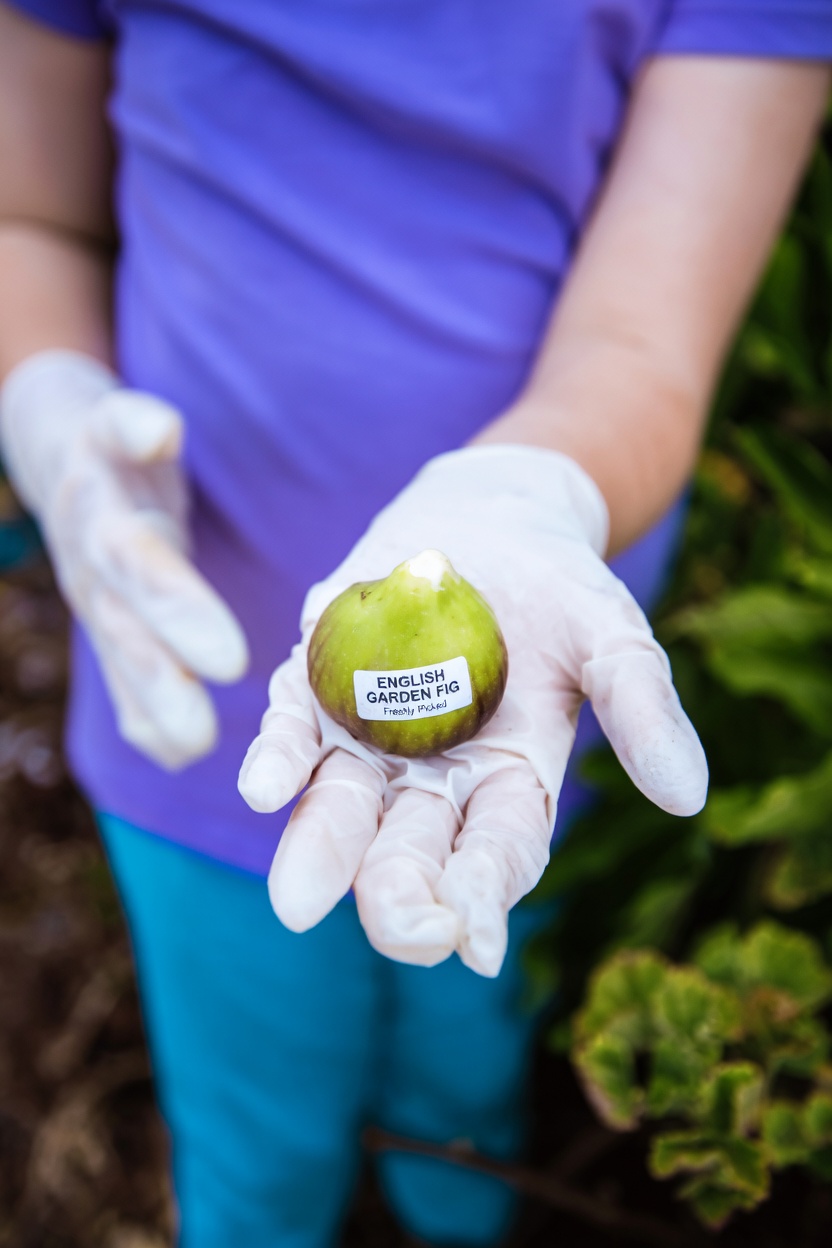
Beyond personal care, modern innovation has taken fig sap in unexpected directions. Researchers and eco-focused manufacturers are exploring fig latex in:
- Eco-friendly adhesive formulations
- Potential biofuel and biomaterial applications
These developments underline the versatility of fig sap, extending its relevance far beyond its traditional role in folk remedies.
Conclusion: Why Fig Sap Deserves a Second Look
Fig sap sits at a fascinating intersection between tradition and science. Used historically for skin concerns, minor wounds, and digestive support, it is now being investigated for its enzymes, antioxidants, and anti-inflammatory properties.
While current evidence is still emerging and more human studies are needed, fig latex illustrates how time-honored natural substances can inspire modern research and innovation.
The key is to view fig sap as a complement—not a replacement—for professional medical care and a balanced lifestyle that includes a varied diet, stress management, and appropriate clinical treatment when needed.
FAQ
What is the best way to harvest fig sap at home?
- Choose a healthy, established fig tree free from pesticides.
- Early morning is typically when sap flow is strongest.
- Gently cut or snap a small stem, leaf, or unripe fruit.
- Allow the milky sap to bead at the cut, then collect it in a clean glass or ceramic container.
- Use the sap fresh, as its activity can decrease over time.
Can fig sap be used every day?
For topical use, it’s better to:
- Start with occasional applications (e.g., once or twice a week) to monitor your skin’s response.
- Avoid daily use at full strength, especially on sensitive or facial skin, unless supervised by a professional.
Internal daily use is not recommended without expert guidance. With potent natural substances, moderation is crucial.
Are there any interactions with medications?
Fig sap’s enzymes and bioactive compounds may potentially influence:
- Digestion-related medications
- Blood sugar–related drugs
- Certain other medications that rely on specific metabolic pathways
If you are taking prescription medication—especially for diabetes, digestive disorders, or blood-thinning—consult your healthcare provider before using fig sap internally or regularly on the skin.
Disclaimer: This article is for informational and educational purposes only and does not constitute medical advice. Always consult a qualified healthcare professional before using fig sap or any other natural remedy, particularly if you have existing health conditions, allergies, are pregnant or breastfeeding, or are taking prescription medications.