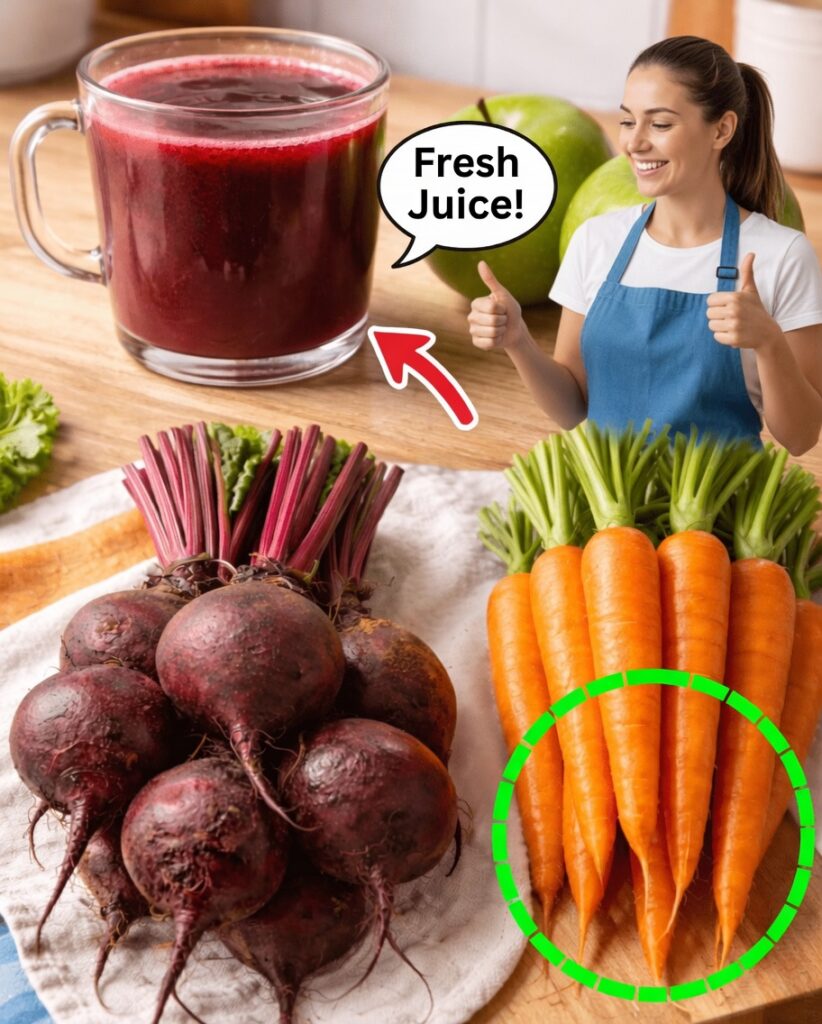
A Simple Juice to Support Energy, Vision, and Liver Health
Feeling constantly drained, noticing your eyesight isn’t as clear as it used to be, or experiencing discomfort that might be linked to a sluggish liver can make even routine tasks feel exhausting. Often, these issues are connected to subtle nutritional deficiencies, which is why many people look for natural, food-based ways to support their body’s normal functions.
One gentle, delicious option is to add more nutrient-dense beverages to your day. Below, you’ll find a three-ingredient juice recipe built around everyday produce that may help fill nutritional gaps—and there’s a surprising preparation twist at the end that can upgrade both flavor and potential benefits.
Why Natural Ingredients Matter for Daily Wellness
Your overall health is closely tied to what you put on your plate—and in your glass. Fresh juices can be a convenient way to increase your intake of vitamins, minerals, and antioxidants, especially if you struggle to eat enough fruits and vegetables.
This particular recipe revolves around:
- Beets
- Carrots
- Apples
These common ingredients are widely available around the world and have each been researched for their contribution to different aspects of health. Let’s look at what each one brings to the glass.
Beets: Nutrient-Dense Support for Blood and Circulation
Beets, with their deep crimson color, are packed with more than just flavor. They are naturally rich in:
- Iron
- Folate
- Nitrates
Research published in journals such as the Journal of Nutrition suggests that the nitrates in beets may help support healthy blood flow and efficient oxygen transport in the body. In addition, iron and folate are important for maintaining normal hemoglobin and red blood cell production, making beets a smart addition if you’re looking to support blood health through food.
Beets also contain:
- Dietary fiber
- Antioxidants called betalains
These compounds have been studied for their potential to assist the body’s natural detoxification pathways and help neutralize free radicals.
Carrots: Classic Ingredient for Eye and Immune Support
Carrots are famously associated with eye health, and for good reason. They are an excellent source of beta-carotene, which the body converts into vitamin A—a nutrient that plays a crucial role in maintaining normal vision.
Studies featured in the American Journal of Clinical Nutrition indicate that regular intake of beta-carotene-rich foods, such as carrots, may help support long-term eye health.
Carrots also contribute:
- Vitamin C, which supports the immune system
- Potassium, important for heart and nerve function
This combination makes carrots a valuable ingredient not only for vision, but also for broader wellness.
Apples: Natural Sweetness and Digestive Support
Apples offer more than just a pleasant crunch and sweetness. They’re a notable source of pectin, a type of soluble fiber that has been linked in various studies to:
- Supporting healthy digestion
- Promoting a feeling of fullness
A review in the journal Nutrients points out that apples are rich in antioxidants, including quercetin, which may help protect cells from oxidative stress.
In juice recipes, apples play a dual role:
- They add natural sweetness, making vegetable-heavy juices more enjoyable.
- They increase the overall antioxidant profile of the drink.
Why This Beet–Carrot–Apple Juice is Unique
When you combine beets, carrots, and apples, you get more than just a pleasant flavor blend—you create a nutrient-dense mix where the ingredients complement one another.
- The earthy sweetness of beets
- The gentle sweetness and slight acidity of apples
- The fresh, slightly sweet flavor of carrots
Together, they form a juice that many people find easy to drink regularly.
Research published in the International Journal of Food Sciences and Nutrition suggests that combining different fruits and vegetables can sometimes improve the absorption of certain nutrients. In other words, a blend like this may help your body make better use of the vitamins and minerals present in each ingredient.
It’s important to remember that this juice is not a miracle cure; it’s a practical, food-based strategy to support a healthier routine.
Science-Informed Potential Benefits
While more human research is always valuable, existing studies offer some insights into how this trio may support different aspects of health when included as part of a balanced diet.
1. Blood and Circulation Support
- Beets provide iron and folate, both important for red blood cell production.
- Vitamin C from carrots and apples may help improve iron absorption, as indicated in research from the British Journal of Nutrition.
This combination may help support normal blood health and oxygen transport.
2. Vision Maintenance
- Carrots are rich in beta-carotene, a precursor of vitamin A, which is essential for normal vision.
- Apples contain flavonoids that may complement carotenes and support overall eye health.
Ophthalmology research has linked adequate intake of vitamin A and antioxidant-rich foods with better eye maintenance over time.
3. Liver Function Support
Animal studies published in journals such as Hepatology have explored how antioxidants from fruits and vegetables can support the liver’s natural detoxification processes.
- Beets offer betalains
- Carrots supply carotenoids
- Apples contribute polyphenols
Together, these compounds may help the liver manage oxidative stress as part of a varied, nutrient-rich diet.
Step-by-Step Recipe: Beet, Carrot, and Apple Juice
Ready to make it? This recipe is straightforward and can be prepared in just a few minutes.
Ingredients
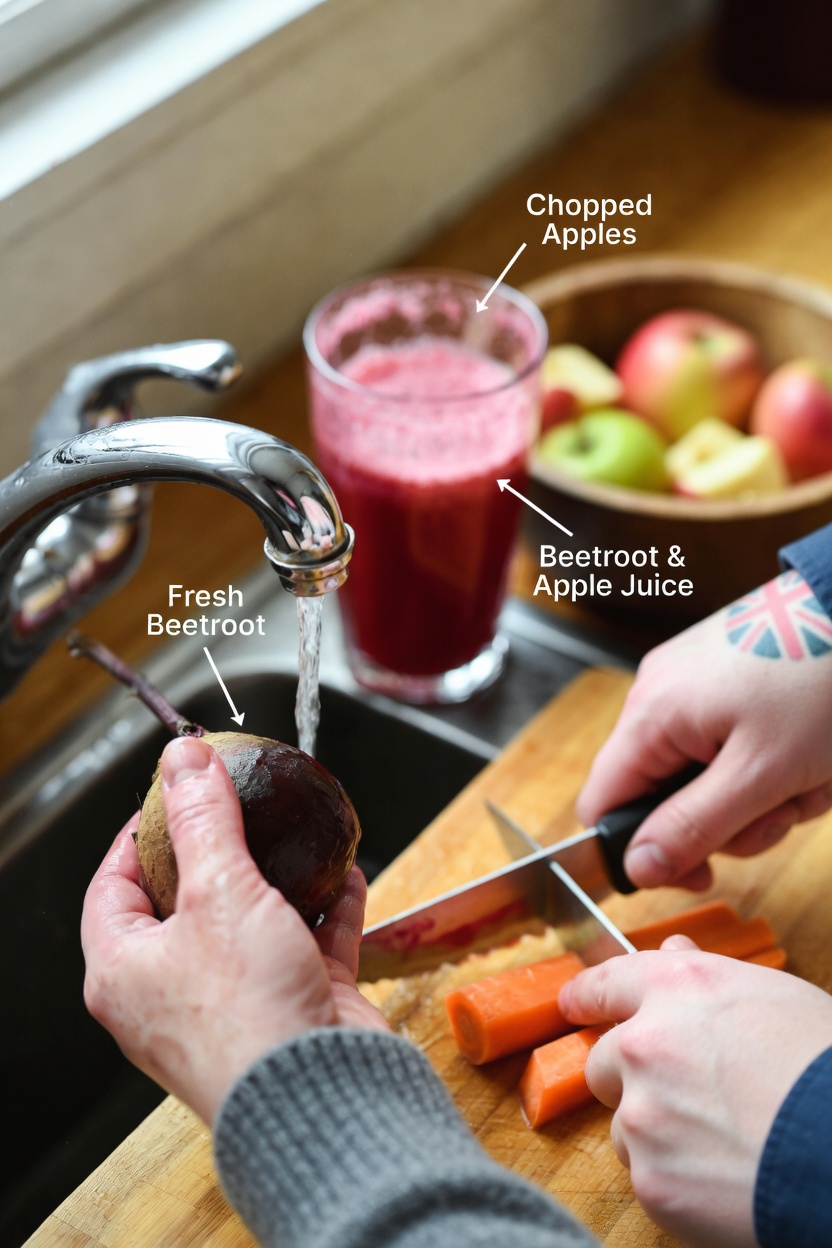
- 2 medium beets, washed and chopped
- 3 large carrots, peeled if you prefer
- 2 green apples, cored
Instructions
- Rinse all produce thoroughly under cool running water.
- Cut beets, carrots, and apples into pieces small enough to fit into your juicer chute.
- Juice the beets first, then the carrots, and finally the apples to help blend and balance the flavors.
- Stir the finished juice to combine, then taste and serve right away for the freshest flavor and nutrient content.
No juicer?
Use a high-speed blender:
- Add chopped beets, carrots, and apples to the blender with a small amount of water.
- Blend until completely smooth.
- Pour through a fine mesh strainer or nut milk bag to remove most of the pulp, if desired.
This method still gives you a vibrant, flavorful juice without added sugar or artificial ingredients.
Optional upgrade:
Squeeze in a bit of fresh lemon juice for extra brightness and a small boost of vitamin C.
How to Fit This Juice Into Your Everyday Routine
The benefits of any healthy habit come from consistency. Here are ways to integrate this juice easily:
- Start with one glass per day or a few times a week, preferably in the morning.
- Pair it with a balanced meal—such as oatmeal, yogurt with fruit, or whole-grain toast and eggs—to support steady energy.
- Pay attention to how you feel over 1–2 weeks. Some people report feeling more refreshed and alert, but experiences can differ.
Quick Nutritional Snapshot (Approximate Per Serving)
Based on USDA data, here’s a simplified overview of some key nutrients and their potential roles:
| Ingredient | Key Nutrients (approx.) | Potential Role |
|---|---|---|
| Beets | Iron (~1 mg), Folate (~148 mcg) | Supports normal blood health |
| Carrots | Beta-carotene (~12,000 IU) | Helps maintain healthy vision |
| Apples | Fiber (~4 g), Vitamin C (~8 mg) | Supports digestion and immunity |
This summary highlights why combining these three ingredients can create a well-rounded, nutrient-focused beverage.
Tips for Getting the Best Results
- Choose organic when possible: Helps reduce exposure to pesticide residues.
- Sip slowly: Drinking juice too fast can sometimes cause digestive discomfort.
- Store smart: If you have leftovers, keep them in an airtight container in the refrigerator and consume within 24 hours for best taste and quality.
Common Juicing Myths, Clarified
Myth 1: “Juicing Removes All the Fiber”
Juicing definitely reduces the fiber content compared to eating whole fruits and vegetables, especially if you strain thoroughly. However, depending on your equipment and how finely you strain, some soluble fiber and pulp can still remain in the juice.
If fiber is a top priority, you can:
- Use the blender method and strain lightly, or
- Stir some of the pulp back into your drink.
Myth 2: “Juices Can Replace Full Meals”
Juices can be nutrient-rich, but they generally lack adequate protein, healthy fats, and total calories needed for a balanced meal. They work best as:
- A complement to whole foods
- A snack or side beverage, not a primary meal replacement
Interestingly, research in the Journal of the Academy of Nutrition and Dietetics suggests that including juices in the diet can help some people increase their overall fruit and vegetable intake—an important step for improving diet quality.
Conclusion
A simple juice made from beets, carrots, and apples can be an enjoyable, practical way to add more vitamins, minerals, and antioxidants to your daily routine. It’s not about quick fixes, but about small, sustainable habits that support your body’s natural processes over time.
And here’s that twist for extra flavor the next time you make it:
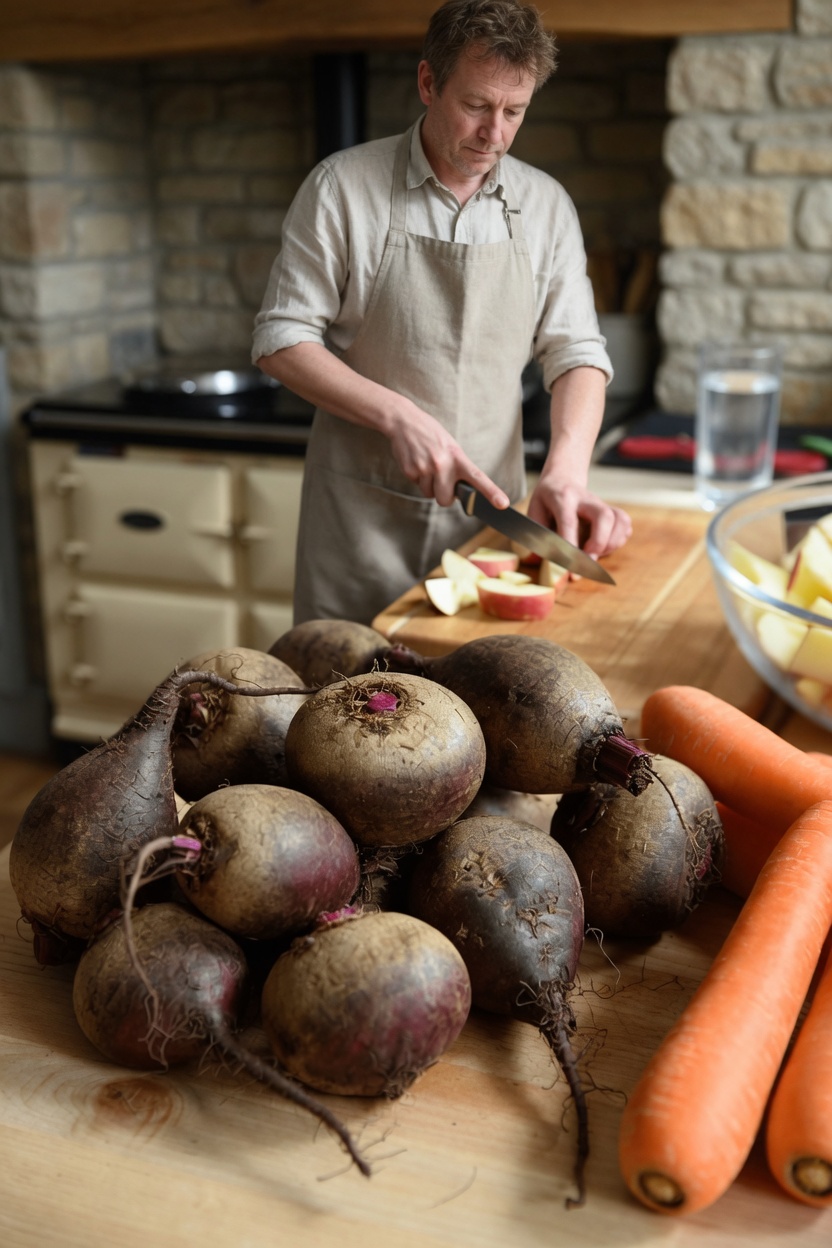
Try lightly roasting the beets before juicing or blending. Roasting can deepen their sweetness and give your juice a richer, more complex taste—while still keeping it a nutrient-focused drink.
FAQ
What if I’m allergic to beets, carrots, or apples?
If you know or suspect you’re allergic to any of these ingredients, do not use this recipe. Speak with a healthcare professional or registered dietitian, who can help you find alternative fruits or vegetables with similar nutrient profiles.
How often should I drink this juice?
A reasonable starting point is 1–2 times per week as part of a varied, balanced diet. You can adjust the frequency based on your preferences, tolerance, and guidance from a health professional.
Can this juice interact with medications?
Beets are naturally high in nitrates, which can influence blood pressure. If you take blood pressure medication or any other prescription drugs, consult your doctor or pharmacist before making this juice a regular part of your routine.
Disclaimer:
This article is for informational and educational purposes only and is not a substitute for professional medical advice, diagnosis, or treatment. Always seek personalized guidance from a qualified healthcare provider for any health-related questions or concerns.