Supporting Aging Eyes the Natural Way
As we grow older, changes in vision can quietly reshape everyday life. Blurred text, gritty or dry eyes, or the increasing need to reach for glasses can turn simple activities—like reading, driving, or using a screen—into sources of strain or frustration. These shifts affect more than just sight; they influence independence, confidence, and daily comfort, prompting many people to look for gentle, natural ways to care for their eyes.
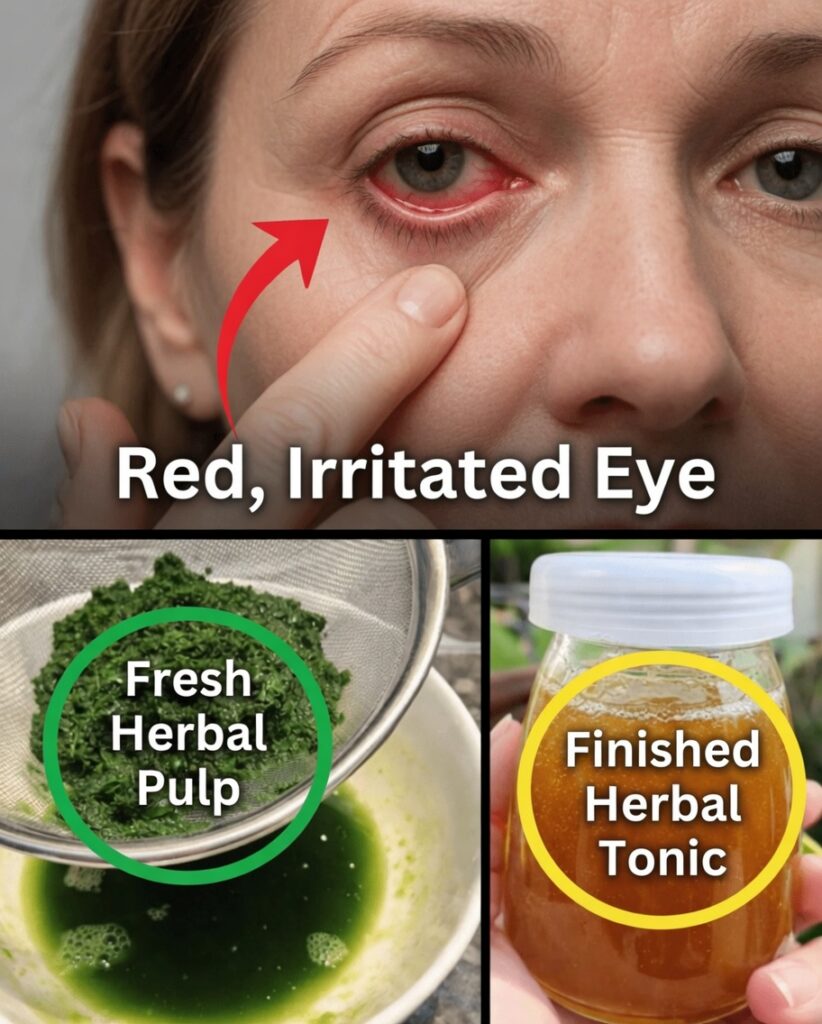
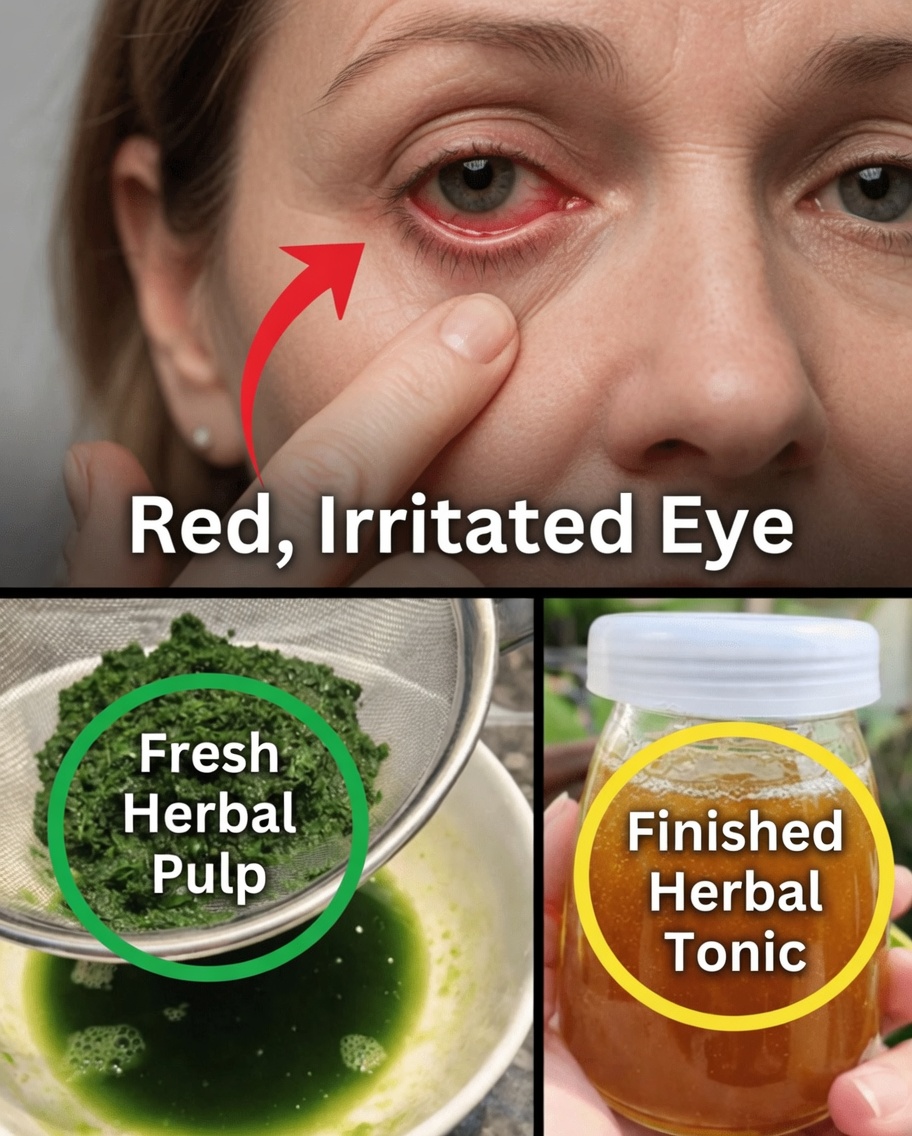
Among the many traditional remedies being revisited today, one humble garden plant has started attracting renewed attention for its possible role in vision support. It’s a familiar herb with a long history in folk medicine—and a surprisingly simple preparation is often mentioned in connection with eye comfort. Let’s explore what it is and how it has been used.
What Is Cuban Oregano?
Cuban oregano (Plectranthus amboinicus) is a succulent, aromatic herb belonging to the Lamiaceae family—the same botanical family as mint, basil, and conventional oregano. Although it originated in parts of Africa and Asia, it has spread widely and is now cultivated across tropical and subtropical regions, including the Caribbean, Central and South America, and Australia.
You may also hear it called:
- Indian borage
- Mexican mint
- Panikoorka (in parts of India, especially Kerala)
This hardy plant thrives in warm climates and is easy to grow in pots or garden beds at home.
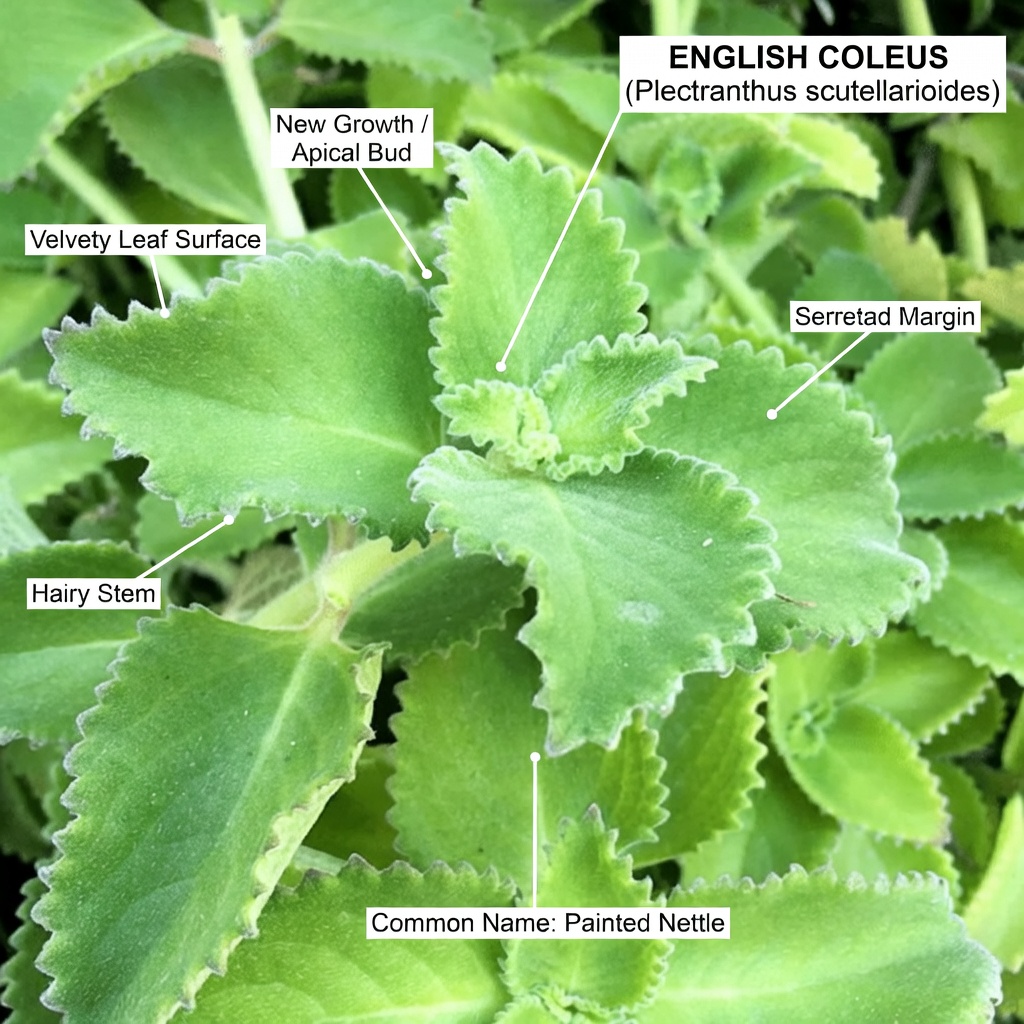
Its leaves are thick, juicy, and slightly fuzzy, with a serrated edge. When crushed, they release a strong, oregano-like fragrance. This distinct aroma comes from essential oils rich in compounds like carvacrol and thymol, which are believed to drive many of its traditional uses. In folk medicine systems, Cuban oregano has been valued for its broad benefits, particularly for the respiratory and digestive systems.
Modern research has begun to confirm that the plant contains a range of bioactive substances—such as flavonoids and terpenoids—that may help explain its longstanding role in wellness traditions. Importantly, its vitamin A precursors have also drawn attention in discussions about eye health.
The Nutritional Profile of Cuban Oregano
To understand why Cuban oregano appears in natural eye care conversations, it helps to look at its key components. Studies and traditional analyses suggest the plant contains antioxidants, vitamins, and minerals that contribute to overall health, including visual wellness.
Key Constituents and Potential Benefits
| Component | Potential Benefit | Primary Source |
|---|---|---|
| Carvacrol & Thymol | Antimicrobial and anti-inflammatory actions | Essential oils in the leaves |
| Flavonoids | Antioxidant support against oxidative stress | Plant extracts |
| Vitamin A precursors (e.g., beta-carotene) | Support for retinal function and vision health | Leaf nutrients |
| Minerals (e.g., calcium, iron) | General wellness and metabolic support | Traditional nutritional assessments |
These elements align with how the herb has been used in various cultural practices. For instance, its antioxidant capacity is thought to help temper inflammation, a frequent contributor to discomfort and irritation in and around the eyes.
While scientific investigation is still emerging, traditional knowledge has long considered Cuban oregano a supportive herb within broader wellness routines.
Traditional Uses in Folk Medicine
In regions such as India, the Caribbean, and parts of Southeast Asia, Cuban oregano has been a trusted household remedy for generations. In Kerala, India, where it is known as panikoorka, the leaves are commonly crushed, juiced, or brewed into infusions to address minor everyday concerns.
Traditional uses often include:
- Respiratory support: Leaf juice mixed with honey is taken for coughs, colds, and throat discomfort.
- Digestive comfort: The leaves are brewed as a tea to ease indigestion or mild stomach upset.
- Skin soothing: Crushed leaves or leaf extracts are applied topically for minor skin irritations, relying on their cooling and calming feel.
When it comes to the eyes, folklore in some communities suggests that the plant’s anti-inflammatory and soothing qualities may help with redness or irritation triggered by dust, pollution, or environmental stressors. In certain traditions, the leaf juice is lightly combined with natural sweeteners such as honey in preparations intended to support overall comfort.
Ethnobotanical reviews have documented the plant’s use for swelling and inflammatory conditions in different parts of the body. These records underpin current interest in how such practices might relate to eye care customs.
In recent years, online discussions and viral posts have spotlighted Cuban oregano in the context of “vision support.” While these accounts are anecdotal and should not replace professional care, they reflect a growing curiosity about integrating traditional herbs into modern wellness strategies.
How Cuban Oregano Might Support Eye Health
Healthy eyes depend on protecting tissues from oxidative damage and chronic inflammation, both of which are linked to age-related changes in vision. Cuban oregano contains natural antioxidants and anti-inflammatory compounds that may contribute to this protective environment.
Possible Mechanisms of Support
Research on Cuban oregano and related herbs suggests several ways it might play a complementary role:
-
Inflammation modulation:
Compounds such as carvacrol and thymol have shown anti-inflammatory potential, which may help soothe irritated tissues around the eyes. -
Antioxidant defense:
Flavonoids and other phytochemicals help neutralize free radicals, potentially reducing oxidative stress that can affect ocular structures over time. -
Nutrient contribution:
Vitamin A precursors (like beta-carotene) are important for retinal function, night vision, and overall visual clarity. While Cuban oregano is not a sole source of these nutrients, it can be part of a diet that supports eye health.
Some studies on plant-based remedies and eye conditions emphasize that, although early findings are encouraging, much more rigorous research is needed. Cuban oregano should therefore be viewed as a supportive option within a broader wellness approach—not as a replacement for regular eye exams, prescribed treatments, or corrective lenses.
Interestingly, the plant is also highly sustainable. It grows quickly from cuttings, making it easy to cultivate at home, which can reduce pressure on wild populations and ensure a fresh supply for traditional preparations.
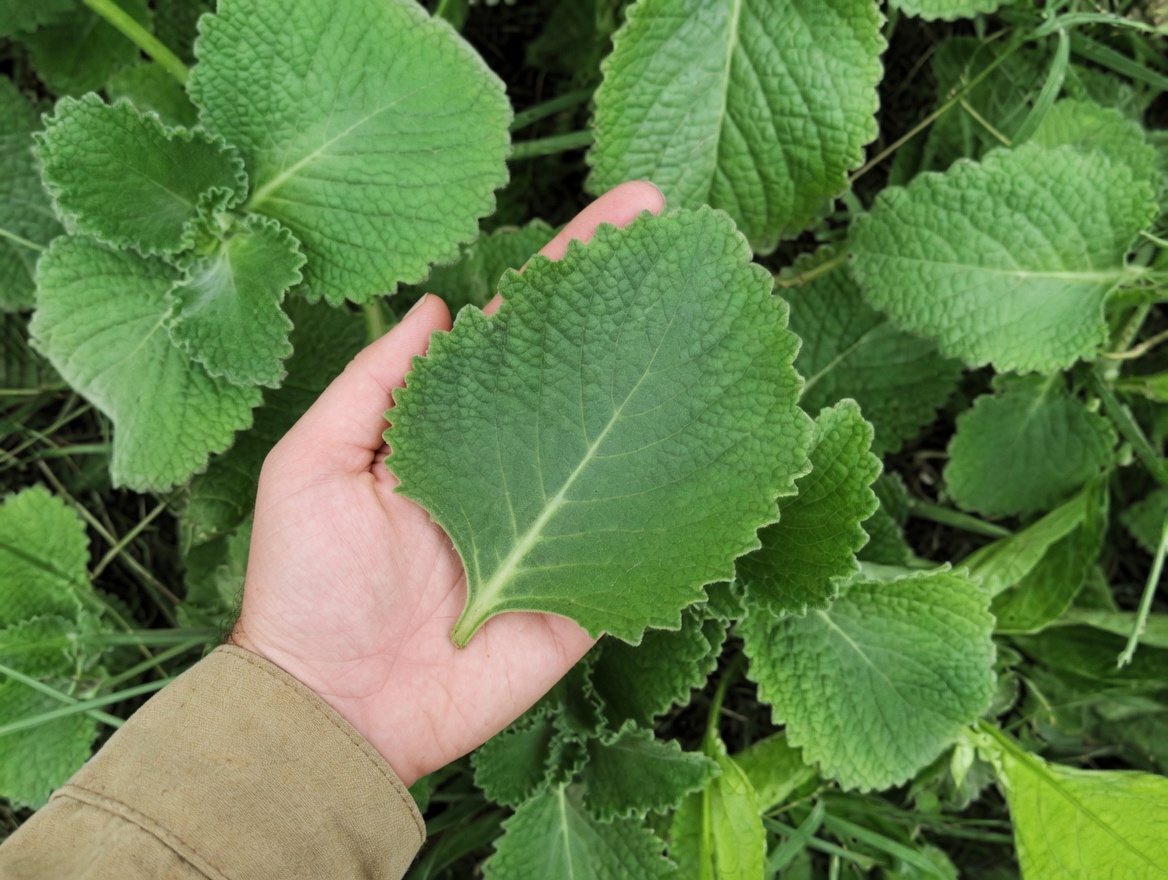
Growing Cuban Oregano at Home: A Simple Guide
For those interested in incorporating Cuban oregano into their routine, growing it yourself is straightforward—even for beginners.
Basic steps to get started:
-
Choose the right spot
- Prefers full sun but can tolerate partial shade.
- Use well-drained soil; raised beds or pots with drainage holes work well.
-
Propagate from cuttings
- Take a healthy stem cutting.
- Place it in water until roots develop.
- Transfer to a pot or garden bed once roots are a few centimeters long.
-
Watering and care
- Keep the soil lightly moist, especially while the plant is establishing.
- Once mature, it becomes relatively drought-tolerant—avoid overwatering.
-
Harvesting leaves
- Pick leaves as needed, ideally from the top and sides of the plant.
- Regular harvesting encourages bushier, more vigorous growth.
Within a few months, you can have a thriving plant ready for use in teas, culinary dishes, or traditional wellness preparations.
A Traditional Preparation: Cuban Oregano Leaf Juice with Honey
In some folk medicine traditions, a simple blend of Cuban oregano leaf juice and honey is used as a general wellness mixture. The following steps reflect common practices; always consult a healthcare professional before using any herbal preparation, especially if you have existing health conditions or take medications.
Step-by-Step Method
-
Gather your ingredients
- A small handful of fresh Cuban oregano leaves
- 1–2 tablespoons of pure, high-quality honey
-
Prepare the leaf juice
- Rinse the leaves carefully under clean water.
- Crush them using a mortar and pestle (or blend with a small amount of water).
- Strain the mash through a clean cloth or fine sieve to obtain about 1–2 teaspoons of green juice.
-
Combine with honey
- Add the leaf juice to a small jar.
- Mix in the honey and stir thoroughly until evenly blended.
-
Traditional usage
- In certain traditions, this mixture is taken orally in very small amounts (e.g., about ½ teaspoon per day).
- It may also be further diluted for external, non-ocular applications.
- Direct contact with the eyes is not recommended unless guided by a qualified practitioner familiar with ocular use and proper dilution.
This preparation draws on Ayurvedic-inspired ideas that honey can enhance the properties of herbs. Some studies suggest honey itself may help soothe irritation when properly diluted and used under professional supervision. However, robust scientific validation for specific Cuban oregano–honey formulas is still in progress, and safety should always come first.
How Cuban Oregano Compares to Other Eye-Supporting Herbs
Cuban oregano is one of several herbs discussed in the context of eye comfort and vision support. Each brings its own set of active compounds and traditional applications.
Comparison with Commonly Cited Eye Herbs
| Herb | Key Compound(s) | Traditional Eye-Related Use |
|---|---|---|
| Cuban oregano | Carvacrol, thymol | General inflammation relief and comfort |
| Bilberry | Anthocyanins | Vision support, particularly night vision |
| Eyebright | Flavonoids | Relief of mild irritation and eye strain |
| Ginkgo biloba | Terpenoids | Support for circulation, including to the eyes |
While bilberry and eyebright are often directly linked to eye formulas, Cuban oregano stands out for its accessibility, versatility, and ease of cultivation. It may serve as a practical entry point for those exploring herbal support within a broader eye health plan.
Safety, Precautions, and Responsible Use
As with any botanical remedy, Cuban oregano should be used with awareness and moderation.
Key considerations:
-
Dosage and moderation
Excessive intake may lead to mild digestive upset or other discomforts. Small, sensible amounts are best when adding any new herb to your routine. -
Pregnancy and medical conditions
Individuals who are pregnant, breastfeeding, or managing chronic illnesses should consult a healthcare provider before using Cuban oregano in medicinal quantities. -
Medication interactions
Herbs can interact with prescription drugs. If you take regular medications, seek medical advice before using concentrated preparations. -
Eye safety
The eye is a delicate organ. Do not apply undiluted plant juices, essential oils, or homemade mixtures directly into the eyes without explicit, expert guidance. Professional eye care should always be your primary resource for vision problems.
Scientific literature consistently emphasizes that herbs like Cuban oregano may offer supportive benefits, but they are not designed to diagnose, treat, or cure eye diseases. Regular check-ups with an eye specialist remain essential.
Conclusion: Integrating Cuban Oregano into Holistic Eye Support
Cuban oregano is a resilient, aromatic herb with a rich history in traditional medicine and growing recognition in natural wellness discussions. Its antioxidant and anti-inflammatory components, along with vitamin A precursors, make it an interesting candidate for supporting overall comfort and eye health as part of a balanced lifestyle.
From cultivating it in a sunny corner of your home to experimenting with time-honored preparations like leaf juice mixed with honey, Cuban oregano offers a gentle, accessible way to connect with nature’s supportive tools. For best results, pair it with:
- A nutrient-dense, eye-friendly diet
- Adequate hydration and sleep
- Protection from excessive screen time and UV exposure
- Regular, professional eye examinations
Used thoughtfully, Cuban oregano can complement—not replace—modern eye care and help you nurture clearer, more comfortable vision over time.
FAQ
What signs suggest that my eye health needs attention?
Common warning signs include:
- Blurred or double vision
- Persistent dryness, burning, or gritty sensation
- Eye pain, redness, or swelling
- Increased sensitivity to light
- Sudden changes such as flashes, floaters, or dark spots
If you notice any of these, schedule an eye exam promptly. Early assessment can prevent minor issues from becoming serious problems.
Can herbs like Cuban oregano replace glasses or medical treatment?
No. Herbal remedies, including Cuban oregano, are best seen as complementary support, not as substitutes for prescription glasses, contact lenses, medications, or surgical treatments. If you have diagnosed eye conditions—or suspect you might—follow your eye specialist’s advice and use herbs only as an adjunct under professional guidance.
Is it safe to put Cuban oregano juice directly into the eyes?
Applying undiluted plant juices or essential oils directly into the eyes can be risky and is generally not recommended without expert supervision. If you are interested in herbal eye drops or washes, consult an ophthalmologist or a qualified practitioner experienced in ocular herbal preparations.
How else can I naturally support my vision alongside Cuban oregano?
Along with any herbal support, consider:
- Eating foods rich in vitamin A, C, E, lutein, and zeaxanthin (leafy greens, carrots, berries, nuts).
- Wearing UV-protective sunglasses outdoors.
- Following the 20-20-20 rule for screen use: every 20 minutes, look 20 feet away for 20 seconds.
- Not smoking, as it significantly increases the risk of eye disease.
- Keeping chronic conditions like diabetes and hypertension well-managed.
Cuban oregano can be one small but meaningful part of a comprehensive, holistic approach to caring for your eyes.