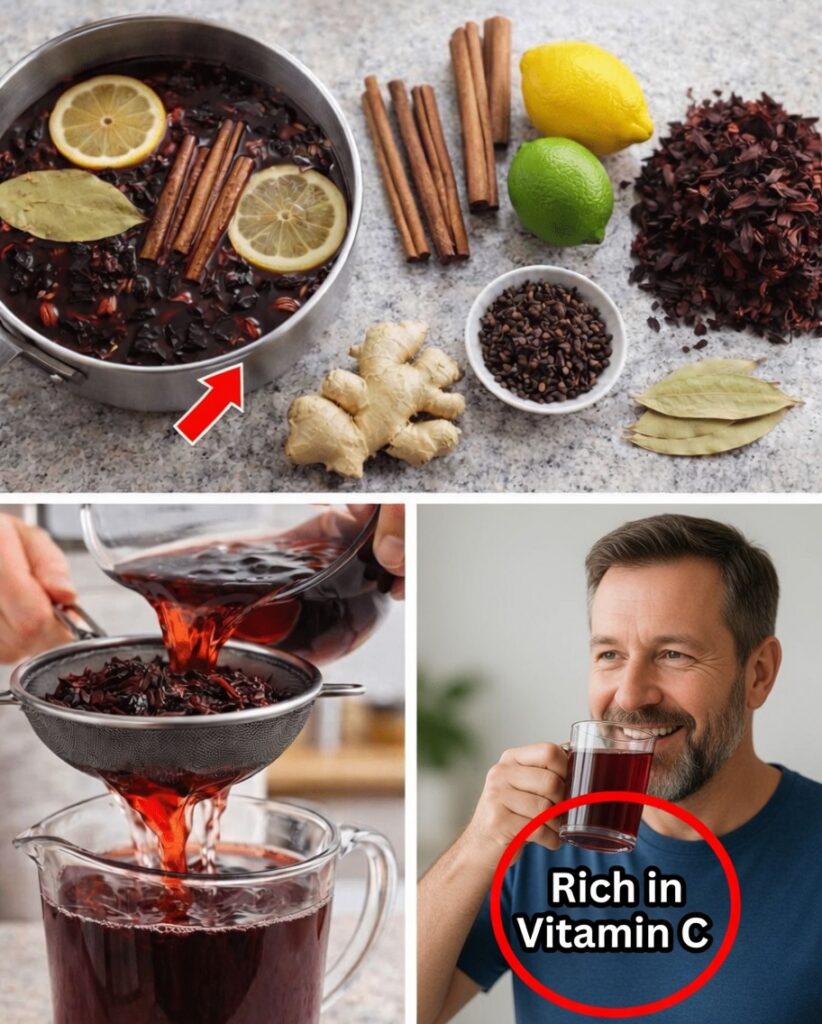
A Comforting Spiced Hibiscus Herbal Infusion for Everyday Wellness
If long days leave you feeling drained, puffy, or just in need of something warm and comforting to sip, you’re not alone. Many people deal with occasional discomfort from stress, changing seasons, or simple dehydration, which can make daily well-being feel harder than it needs to be. A simple, aromatic herbal infusion can offer a soothing pause—a small daily ritual that nourishes you from the inside out.
This particular spiced hibiscus blend doesn’t just taste vibrant and cozy; it may also support your overall sense of wellness in subtle, research-backed ways. Below, you’ll learn how to make it at home, why so many people are adding it to their routine, and practical tips to help it become a habit you genuinely look forward to.
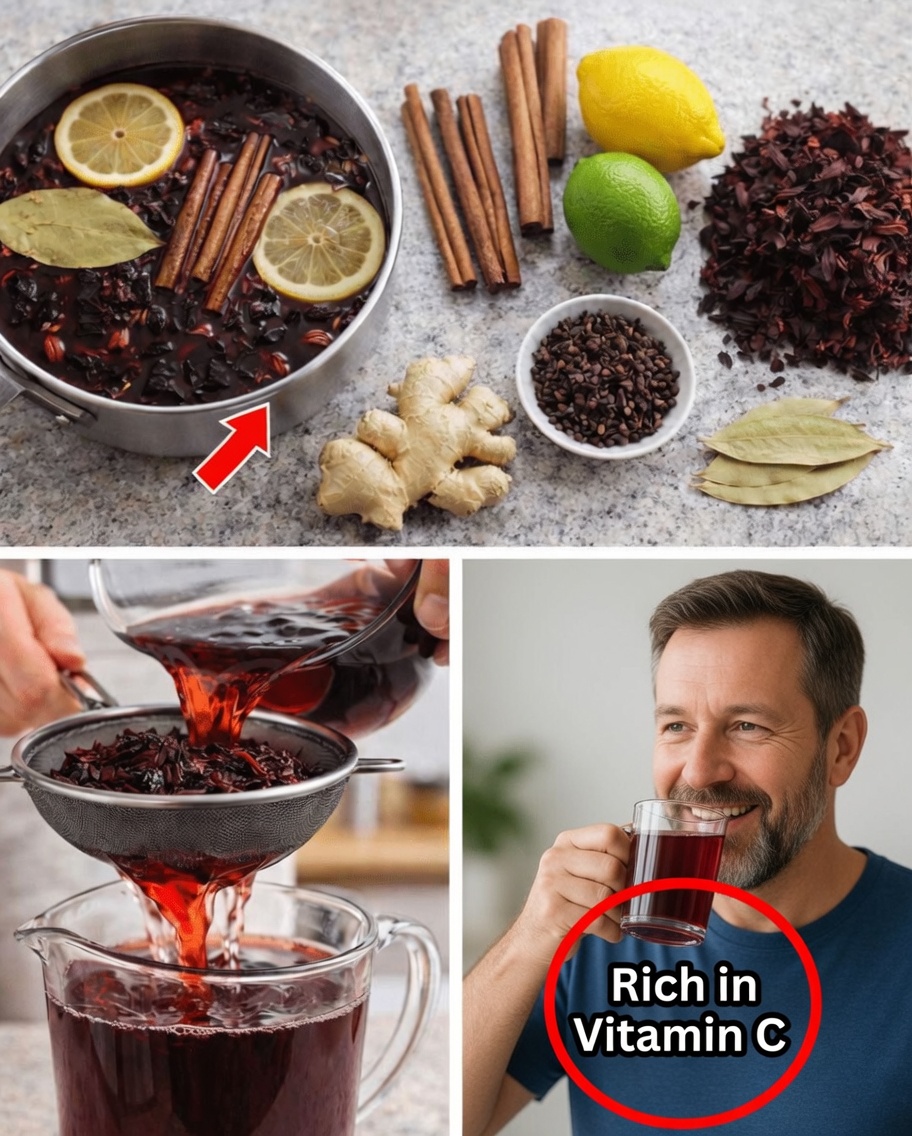
What Makes This Spiced Hibiscus Blend Stand Out?
Hibiscus tea is made from the dried calyces of the Hibiscus sabdariffa plant. It has a bold, tangy flavor, a striking ruby-red color, and is naturally free of caffeine. When you pair hibiscus with warming spices such as cinnamon, cloves, and ginger, then finish it off with bright, zesty lemon, you get a cup that is both comforting and refreshing.
Scientific research has shown that hibiscus is rich in antioxidants, particularly polyphenols and anthocyanins, which help the body counter everyday oxidative stress. Reviews of clinical studies suggest that regular intake of hibiscus may help support healthy blood pressure levels already within a normal range.
Ginger adds its long-recognized digestive comfort, while cinnamon and cloves bring their own antioxidant and warming qualities. Lemon contributes a clean citrus flavor and provides vitamin C.
Together, these ingredients transform a simple herbal tea into a flavorful, grounding ritual many people love returning to day after day.
Star Ingredients and Why They’re So Popular
Let’s look more closely at the key components of this blend and their everyday appeal:
-
Hibiscus
- Delivers the deep red hue and tart backbone of the tea.
- Naturally caffeine-free and rich in plant compounds studied for their potential role in supporting heart and circulatory health.
-
Cinnamon
- Adds gentle sweetness and warmth, rounding out hibiscus’s tang.
- Some research associates cinnamon with support for healthy blood sugar balance and mild anti-inflammatory effects.
-
Cloves
- Contribute a subtle, aromatic spice with a slightly sweet note.
- Known for very high antioxidant content compared with many common spices.
-
Ginger
- Fresh or dried ginger root gives the blend a pleasant “zing.”
- Studies suggest ginger may ease occasional nausea and support digestive comfort.
-
Lemon
- Fresh lemon juice or slices brighten the overall profile.
- Supplies vitamin C, which supports general immune function and everyday wellness.
Combined, these ingredients create a layered flavor experience—tart, spicy, citrusy, and warming—that many people find more satisfying than plain herbal tea.
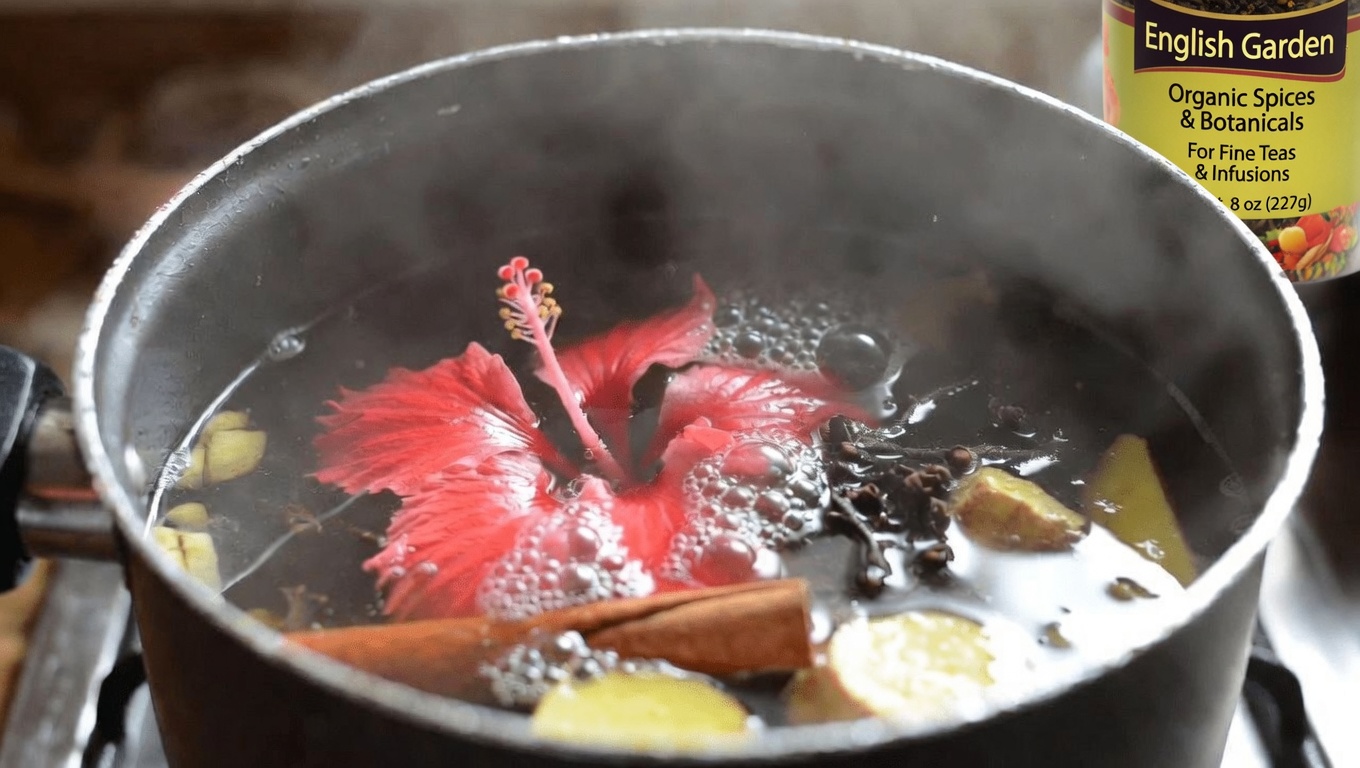
Step-by-Step: How to Make Spiced Hibiscus Tea at Home
This infusion is straightforward to prepare and takes about 20–25 minutes from start to finish. Here’s a beginner-friendly method using easily available ingredients.
Ingredients
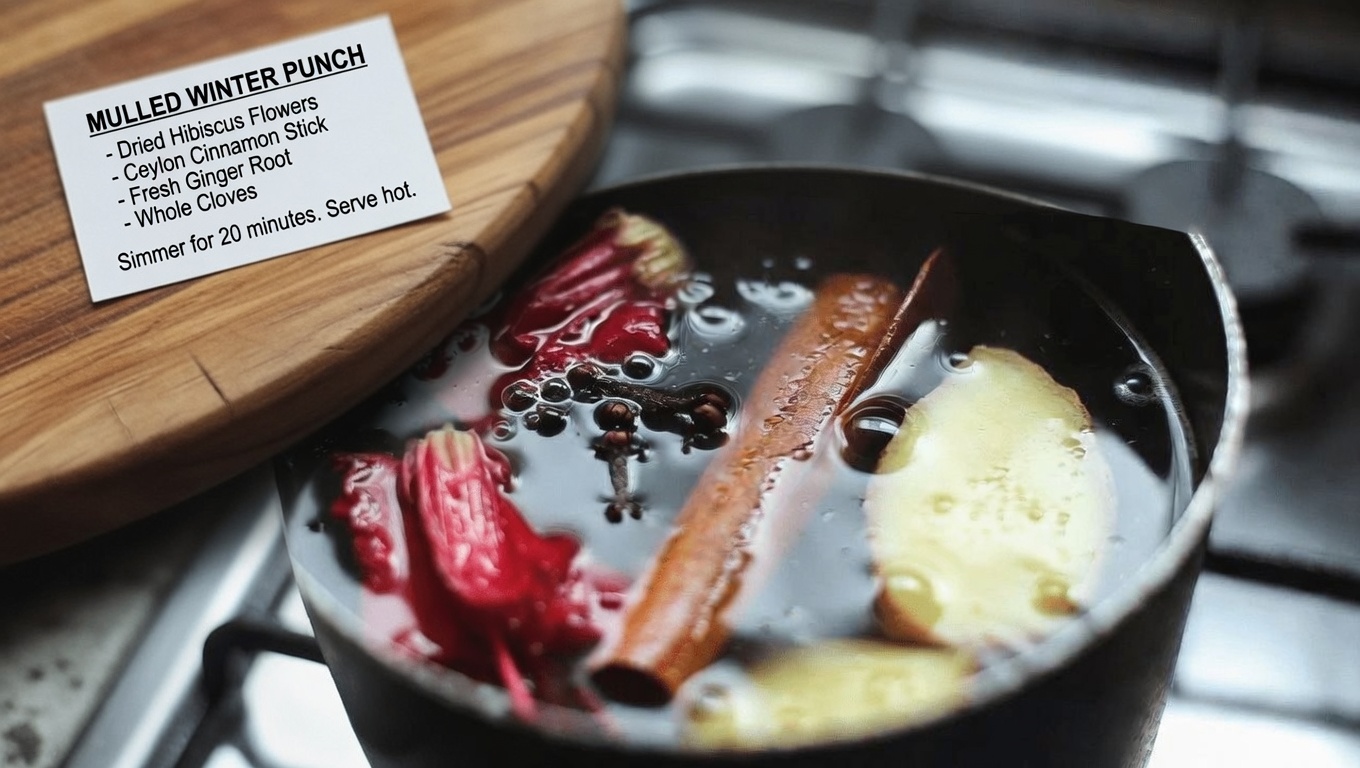
- 1/4 cup dried hibiscus flowers
- 1-inch piece fresh ginger, thinly sliced
- 1–2 cinnamon sticks
- 4–5 whole cloves
- Juice of 1 lemon (plus extra slices for serving, if desired)
- 4–5 cups water
Directions
-
Combine ingredients in a pot
Add water, dried hibiscus, sliced ginger, cinnamon sticks, and cloves to a medium saucepan. -
Bring to a gentle boil
Set over medium heat and bring the mixture just to a low boil. -
Simmer to infuse flavor
Reduce the heat to low and let it simmer for about 15 minutes so the spices and hibiscus can fully infuse the water. -
Add lemon off the heat
Remove the pot from the heat, stir in the fresh lemon juice, and let the mixture steep for another 5 minutes. -
Strain
Pour the tea through a fine-mesh strainer into a pitcher or directly into mugs to remove the solids. -
Serve hot or cold
- Enjoy warm for a cozy, soothing drink.
- Or cool to room temperature, refrigerate, and serve over ice for a refreshing iced version.
If you’re new to hibiscus, you may want to start with a slightly smaller amount and adjust upward as you get used to its tartness.
Why People Are Adding This Blend to Their Daily Rituals
For many, spiced hibiscus tea has become more than just a beverage—it’s part of a mindful self-care routine. The act of boiling water, steeping spices, and slowly sipping a mug can create a moment of calm in the middle of a busy day.
Research on hibiscus indicates it may support healthy blood pressure levels when consumed consistently, with some clinical trials showing modest improvements in systolic readings compared to a placebo.
Ginger and cinnamon add functional layers to the experience:
- Ginger is often chosen for its stomach-soothing qualities.
- Cinnamon offers gentle warmth and depth of flavor.
Altogether, the antioxidant-rich ingredients may help the body better manage the impact of everyday stressors.
Flavor Comparisons You Can Try
- Plain Hibiscus – Tart, slightly floral, and especially refreshing served chilled.
- Hibiscus with Lemon Only – Sharper, more citrus-focused, with a cleaner taste.
- Fully Spiced Hibiscus Blend – Complex and cozy, reminiscent of a lighter, caffeine-free spiced chai.
Many people find the fully spiced version the most comforting and satisfying, especially in the mornings or evenings.
Practical Ways to Make It Part of Your Day
To get consistent enjoyment and make this tea a regular part of your routine, consider these simple strategies:
-
Morning hydration ritual
Start your day with a warm mug to rehydrate after sleep and set a calm, intentional tone. -
Afternoon alternative to sugary drinks
Swap out sodas or sweetened beverages for this naturally caffeine-free, unsweetened option. You can always add a touch of natural sweetener if you like. -
Evening wind-down
Since it contains no caffeine, it’s a soothing choice to enjoy while reading, stretching, meditating, or journaling before bed. -
Batch brew for convenience
Prepare a larger pot, let it cool, and store in the refrigerator for up to 4 days. Reheat gently or drink chilled as needed. -
Adjust sweetness to taste
If the tartness is too strong, add a small amount of honey, maple syrup, or a non-caloric sweetener like stevia.
Aim for consistency over perfection. Enjoying 1–2 cups on most days can be more sustainable than trying to follow a rigid routine.
Potential Benefits Based on General Research
Everyone’s body responds differently, but here are some commonly discussed benefits of the ingredients in this infusion, based on existing research:
-
Hibiscus
- Clinical trials have linked regular hibiscus consumption with support for healthy blood pressure and improvements in certain lipid markers.
-
Antioxidant support
- The mix of hibiscus, cinnamon, cloves, and ginger delivers a range of antioxidant compounds that may help reduce oxidative stress, a factor associated with everyday aging and cellular wear.
-
Digestive comfort
- Ginger and cloves have a long history in traditional wellness practices for easing digestive discomfort and supporting a settled stomach.
-
Vitamin C from lemon
- Lemon provides vitamin C, which is important for normal immune function, skin health, and general resilience.
This tea can be a supportive addition to a balanced lifestyle that also includes a nourishing diet, movement, sleep, and stress management. It’s not a cure-all, but it can be a pleasant part of a broader wellness approach.
Important Considerations Before You Start
Although this blend is generally well-tolerated by most people, there are a few points to keep in mind:
- Medication interactions
- Hibiscus may interact with certain medications, including those used for blood pressure or blood sugar management.
- Sensitivity to spices
- Ginger and cinnamon are potent ingredients. Some individuals with sensitive stomachs or specific conditions may need to use smaller amounts.
- Listen to your body
- If you notice any unusual symptoms after drinking the tea, reduce the quantity or stop and seek professional advice.
When in doubt, especially if you have underlying health conditions or take prescription medications, consult a healthcare provider before making this tea a regular part of your routine.
Bringing It All Together: A Cozy, Colorful Daily Companion
Spiced hibiscus tea with ginger, cinnamon, cloves, and lemon is a simple yet vibrant way to add warmth, flavor, and a sense of ritual to your day. Its deep color, layered taste, and potential supportive properties have made it a favorite for those looking to cultivate gentle daily wellness.
Consider brewing a batch this week and experimenting with temperature, sweetness, and spice levels. You may find it becomes the comforting, grounding habit your routine has been missing.
FAQ
How often can I drink spiced hibiscus tea?
Most people enjoy between 1–3 cups per day. It can be helpful to start with one cup, see how you feel, and adjust from there while keeping overall hydration in mind.
Is this tea safe during pregnancy?
Large amounts of hibiscus are not always recommended during pregnancy. Always check with your healthcare provider before including it regularly if you are pregnant or trying to conceive.
Can I drink it cold?
Yes. After brewing and straining, let the tea cool, refrigerate, and serve over ice. Add extra lemon slices for a bright, refreshing twist.
Does it contain caffeine?
No. This is a caffeine-free herbal infusion, making it suitable for mornings, afternoons, and evenings alike.
Disclaimer: This article is for informational purposes only and does not constitute medical advice. Herbal teas can interact with medications or underlying health conditions. Consult your doctor or qualified health professional before adding new herbal infusions to your routine, especially if you are on medication or have existing health concerns.