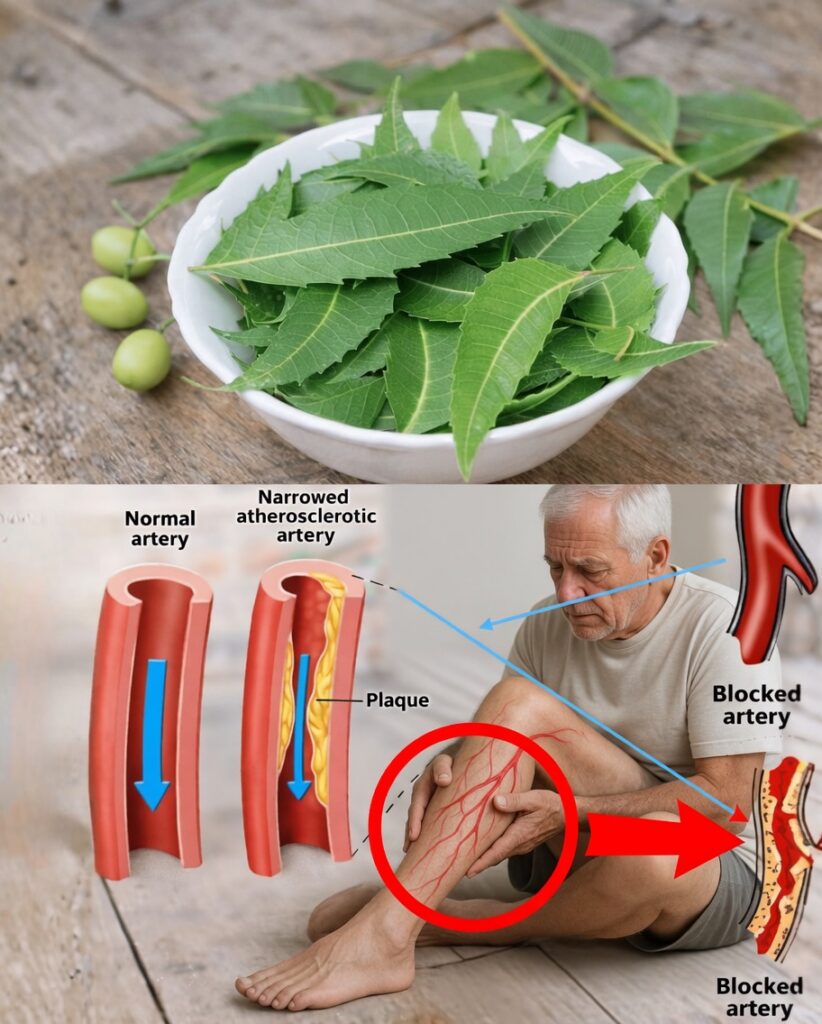
Neem Leaves: A Traditional Remedy with Modern Health Potential
Many people today struggle with unstable blood sugar, high blood pressure, ongoing body aches, elevated cholesterol, and sluggish circulation. These concerns can interfere with daily activities and raise questions about long‑term health. Modern lifestyles filled with stress, processed foods, and limited movement often fuel fatigue and discomfort, making even routine tasks feel draining.
Among the many natural options being revisited, neem leaves stand out. Long respected in traditional medicine and now increasingly studied, neem may offer supportive benefits in several key areas of wellness. And here’s a simple twist: a single daily habit using just one leaf might be surprisingly easy to integrate into your routine—more on that at the end.
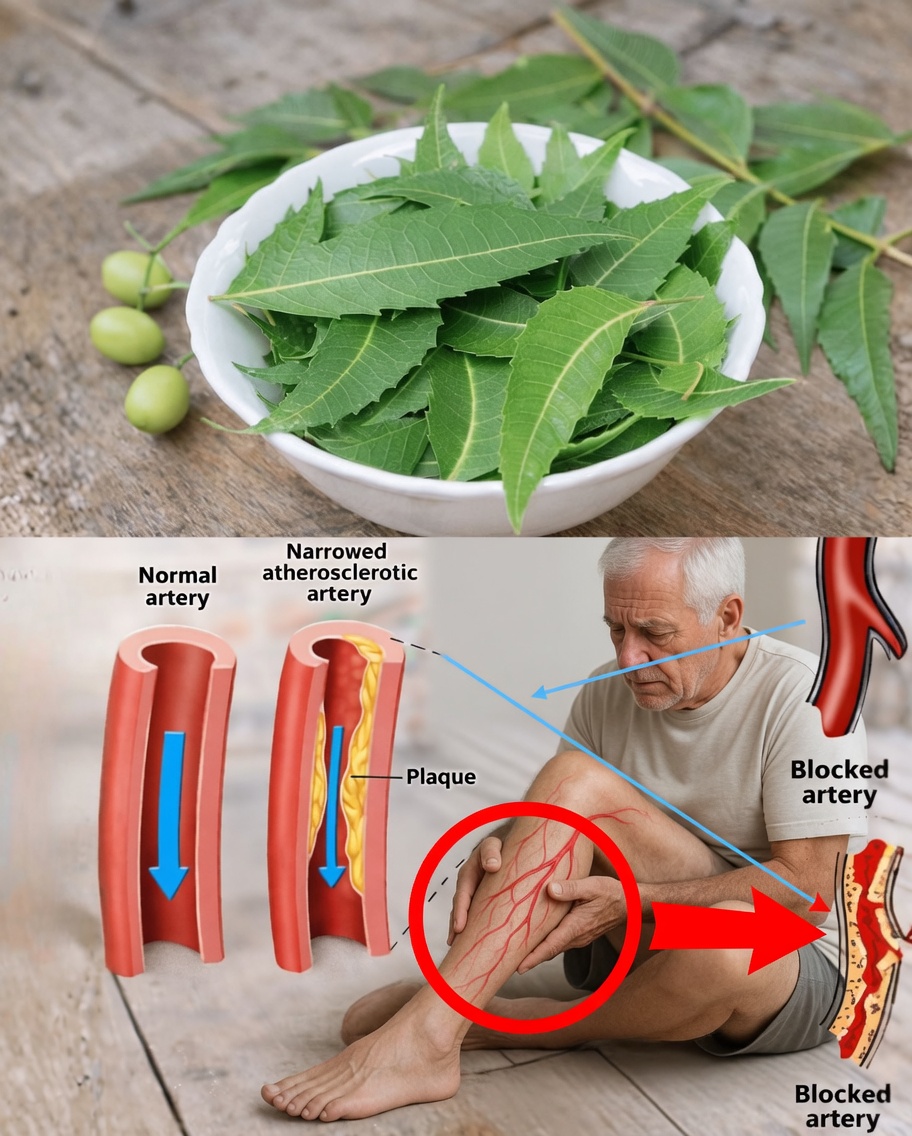
What Are Neem Leaves and How Have They Been Used Traditionally?
Neem leaves come from the Azadirachta indica tree, native to India and other parts of Asia. In Ayurvedic practice, this tree is often called a “village pharmacy” because almost every part—leaves, bark, and seeds—has been used for health support.
Neem is rich in bioactive compounds such as:
- Nimbin
- Azadirachtin
- Quercetin
These natural substances are believed to contribute to neem’s antimicrobial, anti-inflammatory, and antioxidant actions.
Historically, neem leaves have been used to:
- Support overall vitality and resilience
- Promote clearer skin and oral health
- Aid digestive comfort and internal cleansing
Today, scientific interest is growing around how neem’s traditional uses align with modern health goals, especially for metabolic, circulatory, and inflammatory concerns.
Potential Benefits of Neem Leaves for Blood Sugar Management
Keeping blood sugar within a healthy range is crucial for steady energy, clear thinking, and long‑term metabolic health. Neem leaves have been explored for their potential role in supporting balanced glucose levels.
Research suggests that neem leaf extracts may:
- Improve glucose uptake in tissues, helping cells use sugar more efficiently.
- Influence carbohydrate metabolism, affecting how the body processes and handles sugars.
- Inhibit certain digestive enzymes that break down carbohydrates, which may help blunt sharp spikes in blood sugar after meals.
Animal studies have reported reductions in fasting blood glucose when neem supplements were added. In at least one clinical trial involving people with type 2 diabetes, adding neem to their usual care was associated with improved blood sugar control.
In traditional practice, neem leaves are often brewed into teas or taken regularly in small amounts as part of a daily routine. While promising, they should be viewed as a complementary strategy rather than a replacement for prescribed treatments.
How Neem Leaves May Help Support Healthy Blood Pressure
Fluctuating blood pressure can cause symptoms like headaches, dizziness, and general discomfort. Neem’s potential role in this area is often linked to its possible vasodilatory effects—its ability to help relax and widen blood vessels.
Research and experimental data suggest that neem may:
- Dilate arteries and veins, promoting smoother blood flow
- Support nitric oxide activity, which is important for maintaining flexible, responsive blood vessels
- Exhibit anti-hypertensive effects in animal models, with reported reductions in both systolic and diastolic blood pressure readings
Some studies also indicate improved endothelial function (the health of the cells lining blood vessels) when neem is used, which is critical for long‑term cardiovascular wellness.
Combining neem with supportive lifestyle habits—like regular walking, reduced sodium intake, and stress management—may help enhance its potential benefits.
Neem Leaves and Their Role in Easing Body Pain
Ongoing body pain from inflammation, overuse, or daily wear and tear can significantly reduce quality of life. Neem contains compounds such as flavonoids and terpenoids that are known for their anti-inflammatory and antioxidant actions.
Evidence points to neem’s potential to:
- Lower markers of inflammation, which can help reduce discomfort in joints and muscles
- Modulate pain pathways through its antioxidant mechanisms, potentially decreasing oxidative stress that worsens pain
Traditionally, neem leaves have been:
- Applied topically as a paste on sore joints or irritated skin
- Used internally in small amounts to support systemic balance and calm
For physically active individuals, athletes, or those who sit for long hours at a desk, neem may act as a natural complement to stretching, ergonomic adjustments, and other recovery strategies.
Neem Leaves for Cholesterol and Lipid Support
High cholesterol and imbalanced lipid levels can quietly burden heart health over time. Neem leaves have been investigated for their potential effects on blood lipids.
Research indicates that neem extracts may help:
- Reduce total cholesterol and LDL (“bad”) cholesterol
- Lower triglyceride levels
- Support HDL (“good”) cholesterol, contributing to a healthier lipid profile overall
These effects may occur through mechanisms such as:
- Inhibiting cholesterol absorption in the digestive tract
- Enhancing liver metabolism and clearance of fats from the bloodstream
In animal studies, neem supplementation has been associated with notable reductions—sometimes in the range of 15–32%—in cholesterol and triglyceride levels. Some clinical observations, particularly among individuals with diabetes or metabolic issues, suggest neem may support wider lipid management strategies when combined with diet and exercise.
Key aspects of neem’s potential impact on cholesterol:
- Cholesterol reduction: May lower LDL and triglycerides
- HDL support: May help improve levels of protective HDL cholesterol
- Overall lipid balance: Could be helpful as part of a broader plan for metabolic health
Pairing neem with a fiber-rich diet (including oats, legumes, fruits, and vegetables) may further support healthy cholesterol management.
Ways Neem Might Improve Circulation
Healthy circulation ensures that oxygen and nutrients reach every part of the body while waste products are efficiently removed. Poor circulation can contribute to fatigue, cold hands and feet, and slower recovery.
Neem may support circulation by:
- Promoting healthier blood vessels through its antioxidant compounds
- Helping dilate blood vessels, potentially supporting better blood flow
- Reducing oxidative damage in the vascular system, which can contribute to stiffness and plaque formation
Improvements in endothelial function reported in some studies suggest neem could play a role in long‑term vascular health, especially for those with sedentary lifestyles or cardiovascular risk factors. Of course, it works best alongside movement, adequate hydration, and heart‑healthy nutrition.
Practical Ways to Add Neem Leaves to Your Daily Routine
If you’re considering trying neem, here are some practical, commonly used approaches:
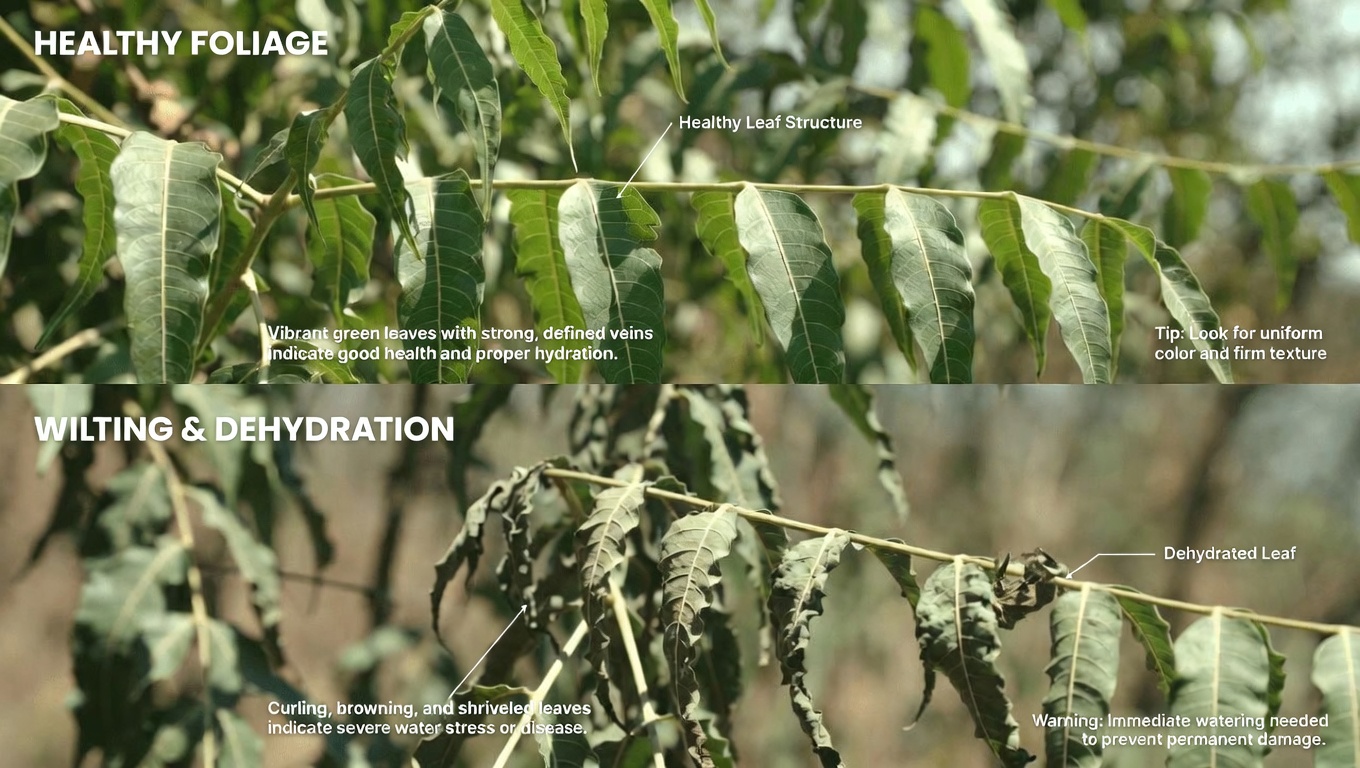
-
Brew a Simple Neem Tea
- Rinse 5–10 fresh neem leaves.
- Boil them in about 2 cups of water for 5–10 minutes.
- Strain and drink once a day.
- If the taste is too bitter, a small amount of honey or a squeeze of lemon can help, if appropriate for your health situation.
-
Use a Neem Leaf Paste Topically
- Grind fresh neem leaves with a little water to form a paste.
- Apply to sore joints, muscles, or localized areas of discomfort.
- Leave on for about 15 minutes, then rinse off.
- This can be done 2–3 times a week as tolerated.
-
Add Neem Powder to Foods
- Dry neem leaves thoroughly and grind them into a fine powder, or purchase a high‑quality neem leaf powder.
- Sprinkle a small pinch into smoothies, salads, or savory dishes.
- Because neem is very bitter, start with tiny amounts.
-
Start Small and Go Slow
- Begin with low doses to see how your body responds.
- Increase gradually only if you tolerate it well.
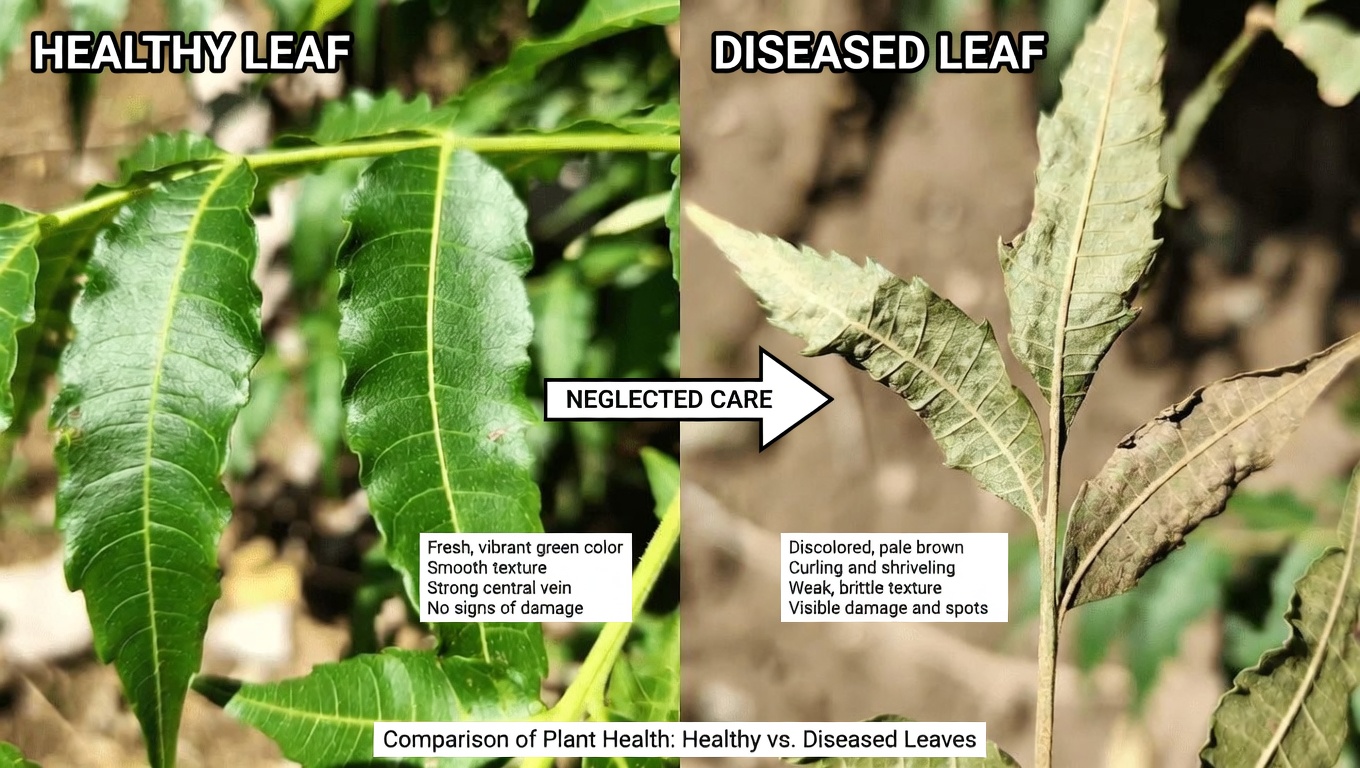
- Always choose neem from reputable sources to avoid contamination and ensure quality.
Consistency, combined with mindful use, is more important than taking large amounts occasionally.
Safety Considerations and Who Should Be Careful with Neem
While neem is widely used and generally well‑tolerated in traditional contexts, it is still a potent botanical and should be used with respect.
Points to keep in mind:
- Possible mild side effects: Some individuals may experience stomach upset, nausea, or loose stools when they first start using neem.
- Pregnancy and breastfeeding: Neem is often not recommended during pregnancy or for breastfeeding individuals due to limited safety data and reports of potential adverse effects at higher doses.
- Medication interactions:
- Those taking medications for blood sugar (e.g., diabetes drugs) or blood pressure should consult a healthcare professional before using neem, as it may enhance the effects of these medications.
- Neem could also interact with certain liver-metabolized medications.
- High doses and long-term heavy use: Excessive intake may strain the liver or kidneys, particularly if used in concentrated forms or in combination with other herbs or drugs that burden these organs.
Used in moderate, traditional amounts and under guidance when necessary, neem can fit into many people’s wellness plans as a complementary tool—not a substitute for professional medical care.
Conclusion: The Potential of Neem Leaves in Everyday Wellness
Neem leaves offer a fascinating blend of ancient tradition and emerging scientific interest. Through their natural compounds and studied properties, they may help support:
- More stable blood sugar
- Healthier blood pressure
- Reduced inflammatory discomfort and body pain
- Improved cholesterol and lipid profiles
- Stronger circulation and vascular health
By integrating neem thoughtfully—alongside a balanced diet, regular movement, and medical guidance where needed—you may discover a gentle, plant-based ally for overall well‑being.
And that simple daily habit promised at the beginning?
Many traditional practices recommend chewing one fresh neem leaf each morning on an empty stomach. This small ritual is believed to provide daily support for digestion, metabolism, and general vitality.
Frequently Asked Questions
1. What are some easy ways to prepare neem leaves at home?
You can:
- Make neem tea by boiling 5–10 clean, fresh leaves in water for 5–10 minutes and straining before drinking.
- Prepare a topical paste by grinding fresh leaves with water and applying to the skin for about 15 minutes before rinsing.
- Use neem powder by adding a small pinch to smoothies, soups, or salads.
Always wash the leaves thoroughly, start with small amounts, and stop if you notice any adverse reactions.
2. Can neem leaves be used alongside other supplements?
Yes, neem can often be combined with other supplements, but caution is important:
- If you take supplements or medications that affect blood sugar (such as berberine or diabetes drugs) or blood pressure (such as magnesium, hawthorn, or antihypertensives), talk with a healthcare professional first.
- Neem may enhance the effects of these products, potentially requiring adjustments.
Individual responses vary, so monitoring how you feel and working with a qualified practitioner is recommended.
3. How long might it take to notice any effects from neem leaves?
The timeline can differ from person to person and depends on the goal, dose, and overall lifestyle:
- Some people report changes—such as improved digestion or mild shifts in energy—within a few days to a couple of weeks.
- For areas like blood sugar, cholesterol, or blood pressure, studies often observe changes over several weeks to a few months of consistent use.
Neem should be seen as a long-term, supportive addition rather than a quick fix. Regular use, combined with a healthy diet and active lifestyle, is more likely to yield noticeable benefits.