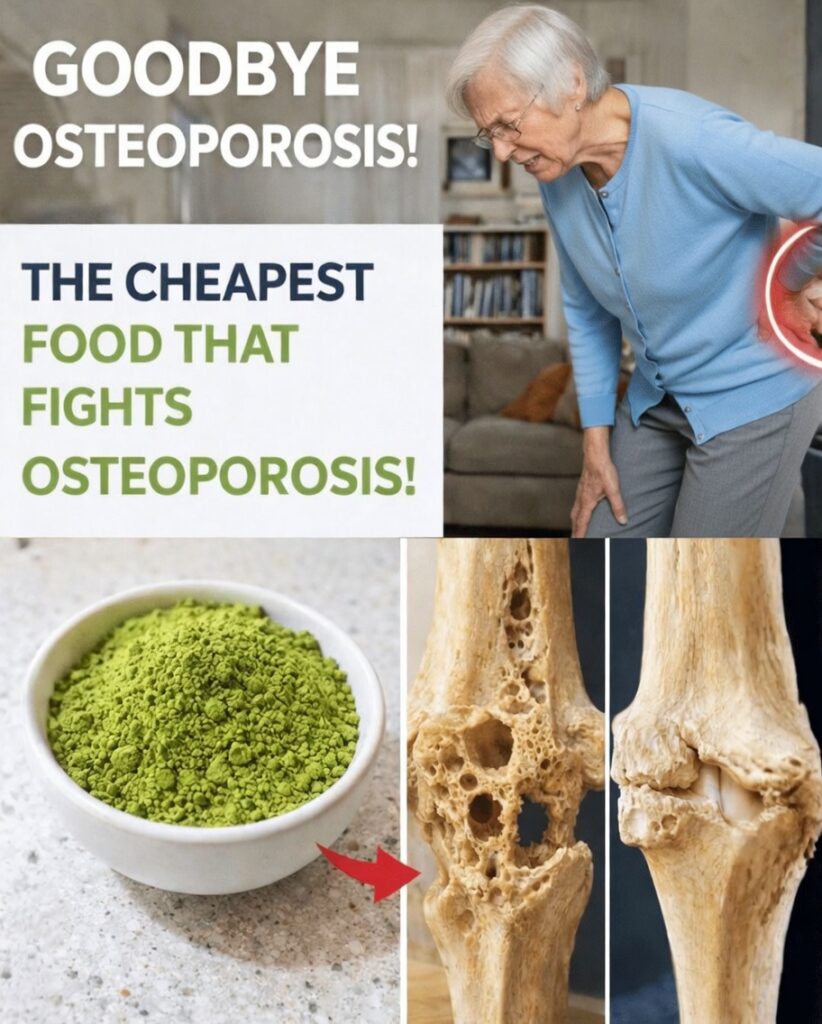
Stronger Bones After 60: The Budget-Friendly Food You Might Be Missing
After 60, many people notice that everyday tasks—climbing stairs, carrying groceries, even walking for longer distances—feel more demanding. One major reason is that bones naturally lose density with age, increasing the risk of fractures and falls. This gradual decline can limit independence and create ongoing anxiety about mobility.
Diet, however, can play a powerful and surprisingly simple role in supporting bone strength. Among the many options, one low-cost, often overlooked food stands out for its nutrient density and versatility. That food is moringa—and understanding how to use it may help you protect your bones as you age.
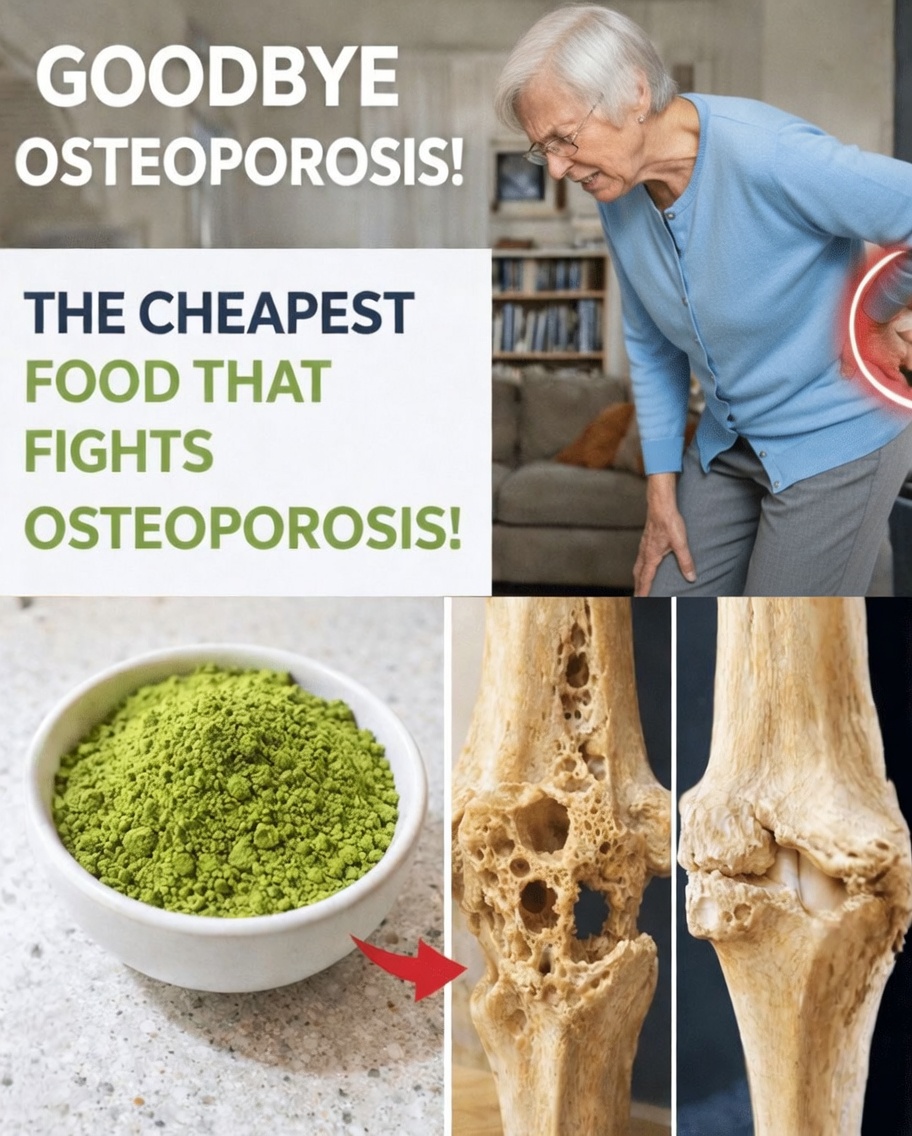
How Bone Health Changes After 60
Once we reach our 60s, bone metabolism shifts noticeably:
- The body becomes less efficient at absorbing calcium.
- Hormonal changes, especially in postmenopausal women, can accelerate bone loss.
- Muscle mass often declines, putting more stress on the skeleton.
Research from institutions such as the National Institutes of Health (NIH) highlights that consistent intake of specific nutrients—particularly calcium, vitamin K, magnesium, and vitamin D—can help maintain bone structure and density. Yet many older adults do not get enough of these through food alone.
That is where nutrient-dense whole foods, including moringa, come in. They provide key vitamins and minerals in a natural form that is easy to integrate into daily meals.
Osteoporosis: Why It Matters in Your 60s and Beyond
Osteoporosis is a condition in which bones become thin, porous, and fragile, making fractures much more likely. It affects millions of people worldwide, with women after menopause being at especially high risk.
Often called a “silent” disease, osteoporosis may not show obvious symptoms until a fracture occurs—commonly in the hip, spine, or wrist. These fractures can require lengthy recovery periods, reduce mobility, and significantly affect quality of life.
Preventive strategies are crucial and include:
- A nutrient-rich diet
- Regular weight-bearing exercise
- Adequate vitamin D (sunlight and/or food sources)
Nutrients such as calcium and vitamin K play an important role in supporting bone maintenance. And you don’t necessarily need expensive supplements to start improving your intake—thoughtful food choices can make a meaningful difference.
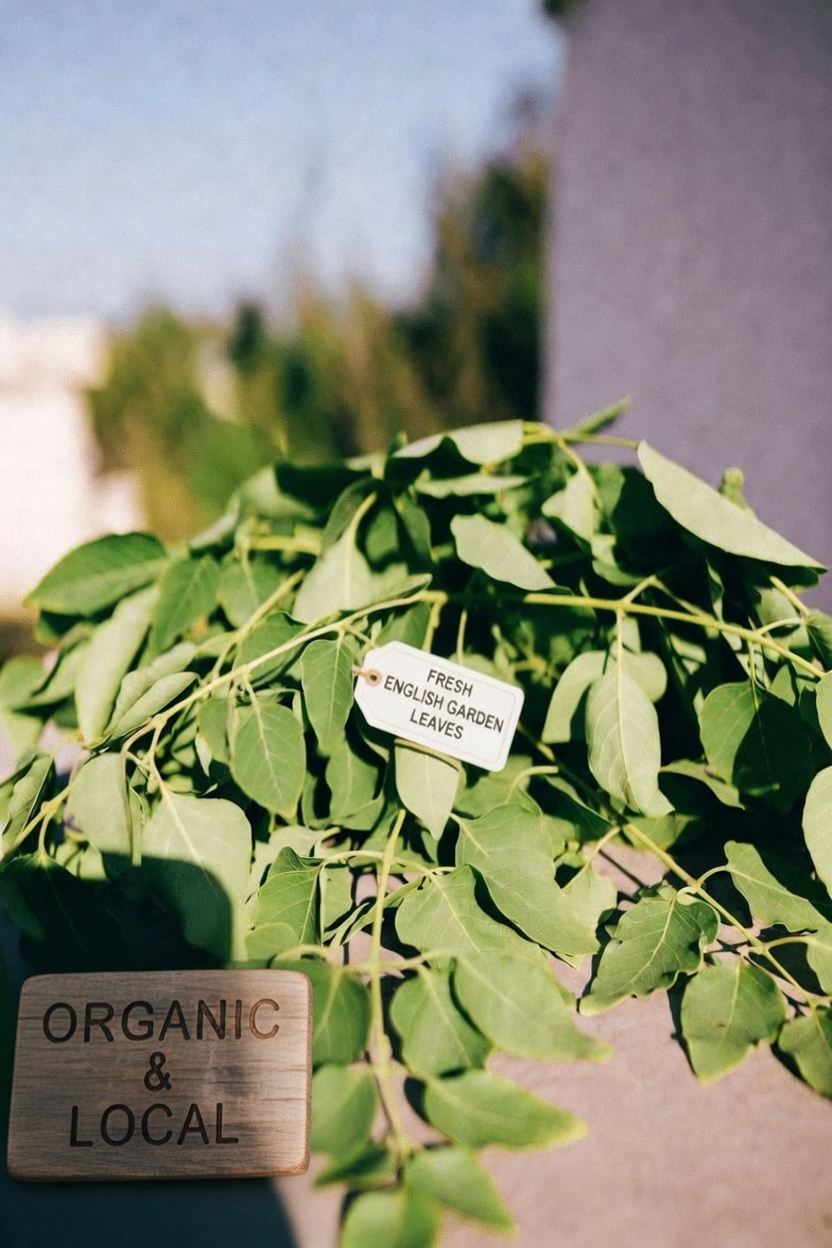
Meet Moringa: An Underrated Superfood for Bones
The standout food in this context is Moringa oleifera, commonly called moringa. Native to parts of Asia and Africa, the leaves of this fast-growing tree are often dried and ground into a fine green powder that is both accessible and highly nutritious.
Frequently referred to as the “miracle tree,” moringa:
- Grows well in challenging climates
- Requires relatively little water
- Can be produced at a low cost
A small package of moringa powder typically costs just a few dollars and can last for several weeks, making it an appealing option for seniors on a budget.
Preclinical research, including studies published in journals such as Biomedicine & Pharmacotherapy, has examined moringa’s ability to influence bone remodeling processes—the balance between bone breakdown and new bone formation. While more human research is needed, early data suggest moringa may help support bone density.
Because it is sold in powder form, moringa is easy to add to both sweet and savory dishes.
Bone-Supporting Nutrients Found in Moringa
Moringa is notable for its rich profile of bone-friendly nutrients. Key components include:
- Calcium: A fundamental building block of bone tissue. Gram for gram, moringa can provide more calcium than many traditional sources like milk.
- Vitamin K: Important for directing calcium into the bones rather than soft tissues. Moringa leaves are naturally high in vitamin K.
- Magnesium: Essential for bone mineralization and often lacking in older adults’ diets.
- Phosphorus: Works together with calcium to support bone strength and structure.
- Antioxidants (e.g., polyphenols, vitamin C): Help counteract inflammation and oxidative stress, both of which can negatively affect bone health.
According to general nutritional figures derived from USDA-type databases, 100 grams of moringa leaf powder can contain over 1,000 mg of calcium—significantly more than many commonly consumed foods.
Moringa’s environmental advantages are a bonus: the tree thrives in poor soils and low-water conditions, making it a sustainable choice.
How Moringa Compares to Other Calcium Sources
Below is a simple comparison of moringa with familiar calcium-rich foods:
| Food Item | Calcium per 100 g (mg) | Approx. Cost per Serving | Typical Availability |
|---|---|---|---|
| Moringa Powder | 1,800–2,000 | ~$0.20 | Online / Health & Grocery |
| Milk | ~125 | ~$0.30 | Widely available |
| Kale | ~150 | ~$0.25 | Produce section |
| Yogurt | ~110 | ~$0.40 | Dairy section |
While serving sizes differ, this comparison illustrates how moringa offers a high concentration of calcium at a relatively low cost.
How Moringa May Support Bone Strength
Animal studies—particularly those using ovariectomized rats (a common model for postmenopausal bone loss)—have found that moringa leaf extracts can improve bone mineral density and microarchitecture. These findings suggest moringa may help:
- Enhance bone formation
- Reduce bone resorption (breakdown)
- Improve overall bone quality
On the human side, research is still developing. A clinical trial listed on ClinicalTrials.gov is investigating moringa’s impact on bone density, partly due to its calcium and vitamin D content, as well as its broader nutrient profile.
In practical terms, moringa should not be seen as a cure-all, but as a potentially helpful addition to a well-rounded lifestyle aimed at preserving bone health.
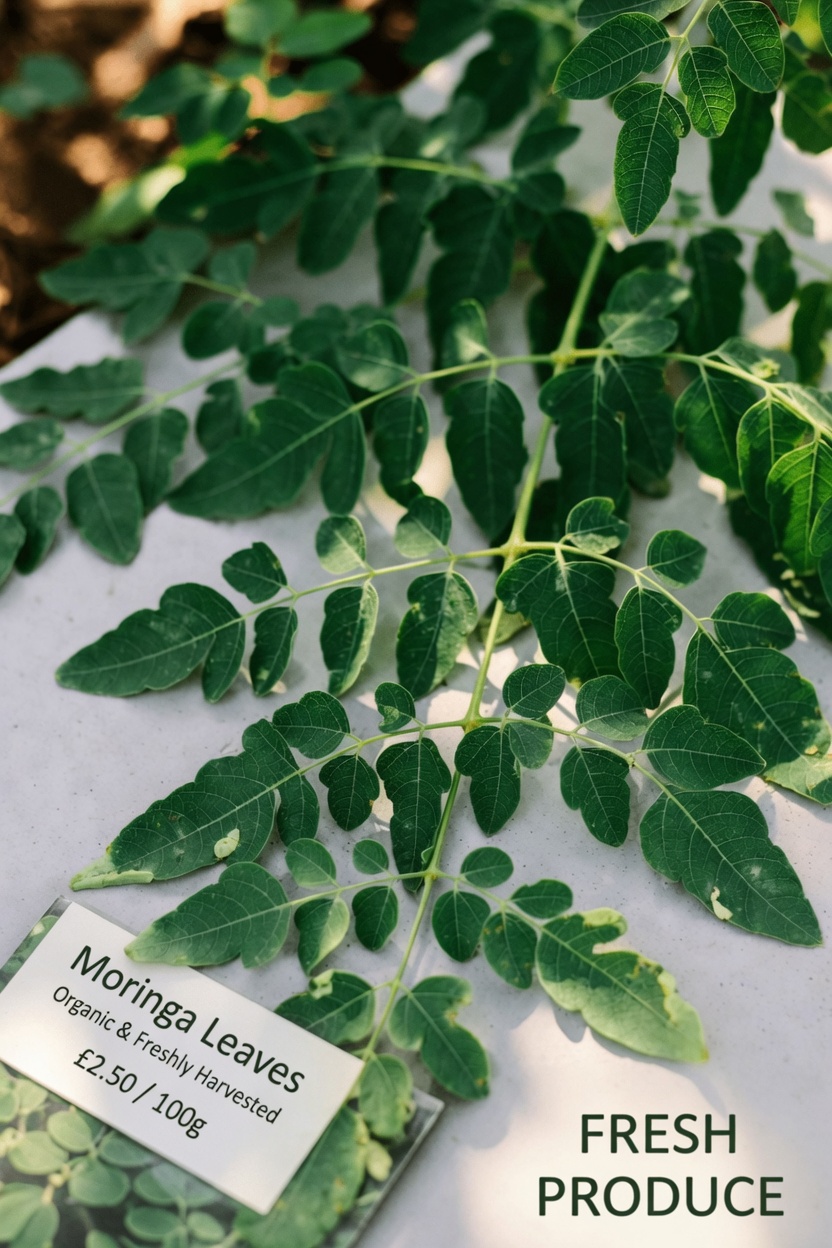
Easy Ways to Add Moringa to Your Daily Diet
If you’re curious about trying moringa, it is wise to introduce it gradually. Here’s a straightforward approach:
-
Choose a quality product
- Look for pure organic moringa leaf powder.
- Avoid blends with added sugars, artificial flavors, or fillers.
-
Start with a small amount
- Begin with about 1 teaspoon per day.
- Mix it into smoothies, juice, or water.
- If tolerated well, you can slowly increase to 1–2 tablespoons per day, depending on your needs and medical advice.
-
Take it with meals
- Consuming moringa alongside food may support nutrient absorption and reduce the chance of stomach discomfort.
-
Monitor how you feel
- Pay attention to digestion, energy levels, and overall well-being over several weeks.
- If you take prescription medications or have chronic health conditions, discuss moringa with your healthcare provider before making it a routine.
Simple Moringa Smoothie Recipe
Try this basic, bone-friendly smoothie:
- 1 ripe banana
- 1 cup unsweetened almond milk (or other milk of choice)
- 1 teaspoon moringa powder
- A handful of berries (fresh or frozen)
Blend until smooth. The fruit helps balance moringa’s earthy taste, making it enjoyable and nutrient-dense.
For savory options, you can:
- Sprinkle moringa powder over salads
- Stir it into soups or stews just before serving
- Mix a small amount into hummus, dips, or dressings
Benefits of Moringa Beyond Bone Health
Moringa’s advantages extend well past skeletal support. Its broad nutrient spectrum can contribute to:
- Immune support: Rich in vitamin C, vitamin A, and antioxidant compounds.
- Energy and vitality: Contains iron and other micronutrients that may help reduce fatigue when diet is otherwise lacking.
- Digestive health: Offers fiber that can support regular bowel movements.
- Skin and hair health: Antioxidants and vitamins may help maintain a healthy appearance from the inside out.
Reviews in scientific journals such as Phytotherapy Research highlight moringa’s wide-ranging traditional uses and its potential roles in modern nutrition.
Many older adults who use moringa regularly report feeling more energetic and resilient, though individual experiences vary.
Common Questions and Concerns About Moringa
While moringa is generally considered safe when used in moderate amounts as a food, there are a few points to keep in mind:
- Digestive sensitivity: Starting with large amounts may cause mild stomach upset in some people. Begin with a small dose and increase slowly.
- Medication interactions: Because moringa is nutrient-dense and may influence metabolism, it could interact with certain medications, including thyroid or blood pressure drugs. Always talk to your doctor or pharmacist if you are on long-term medication.
- Product quality: Choose brands that test for heavy metals, contaminants, and microbiological safety. Look for certifications or third-party testing when possible.
- Pregnancy and breastfeeding: Safety data are limited for high-dose supplements in pregnancy; medical guidance is recommended.
On the positive side, moringa cultivation can support local farmers and communities in the regions where it grows, making it both a nutritional and socially responsible choice.
Lifestyle Tips to Protect Your Bones After 60
Moringa works best as part of a broader bone-health strategy. Consider combining it with these lifestyle habits:
-
Stay physically active
- Focus on weight-bearing exercises such as walking, light jogging, stair climbing, or dancing.
- Aim for at least 30 minutes most days of the week, adjusted to your fitness level.
-
Get regular sunlight
- Around 10–20 minutes of sun exposure (depending on skin type and climate) can help your body produce vitamin D, which is essential for calcium absorption.
-
Build a balanced plate
- Combine moringa with other nutrient-dense foods: dairy or fortified plant milks, leafy greens, nuts, seeds, whole grains, and fatty fish.
-
Stay hydrated
- Water helps transport nutrients throughout the body and supports overall metabolic function.
-
Limit excess salt, caffeine, and alcohol
- Very high intakes can increase calcium loss and negatively affect bone health.
A Simple Weekly Moringa & Bone-Health Checklist
- Monday: Stir moringa into your morning oatmeal or porridge.
- Wednesday: Add moringa powder to a lunchtime green salad dressing.
- Friday: Mix a small amount into an evening herbal tea or warm milk.
- Sunday: Prepare a batch of vegetable or lentil soup and stir in moringa at the end of cooking.
Small, consistent steps like these can accumulate into long-term benefits.
Combining Moringa with Other Foods for Better Results
Pairing moringa with complementary foods may enhance overall nutritional impact:
- With yogurt: Adds calcium and probiotics, supporting bone and gut health together.
- In green tea or herbal infusions: Combines moringa’s nutrients with additional antioxidants.
- Alongside fatty fish (like salmon or mackerel): Merges moringa’s minerals with omega-3 fatty acids that help manage inflammation, which is linked to bone and joint issues.
- With vitamin C–rich foods: Citrus, berries, or bell peppers can support absorption of plant-based iron found in moringa.
Nutrition experts consistently emphasize variety. A diverse, plant-forward diet offers the broadest range of protective compounds for aging well.
Real Experiences and Research Highlights
Many older adults share that adding moringa to their daily routines has coincided with:
- Feeling more energetic
- Experiencing fewer aches and pains
- Perceiving greater ease in movement
These reports are anecdotal, but they align with scientific observations about moringa’s anti-inflammatory and antioxidant effects.
For example, a study in the Journal of Ethnopharmacology documented moringa’s anti-inflammatory properties, which can indirectly benefit bones and joints by reducing stress on the musculoskeletal system.
Broader research on plant-based nutrition consistently points to advantages for aging populations, including better weight management, reduced chronic disease risk, and improved overall functional capacity.
Conclusion: Take Charge of Your Bone Health with Moringa
Including moringa as a low-cost, nutrient-dense food in your diet after 60 can be a smart step toward preserving bone strength. Its rich supply of calcium, vitamin K, magnesium, and antioxidants may help support bone density naturally.
When paired with regular physical activity, adequate vitamin D, and a balanced diet, moringa can contribute to staying active, independent, and confident in your daily movements.
Consistent, small actions—like a teaspoon of moringa each morning—can add up to meaningful changes over time.
FAQ
1. What is the best way to consume moringa for bone health?
The simplest method is to mix moringa powder into drinks or meals once a day. Start with about 1 teaspoon daily in a smoothie, juice, or warm water, and gradually increase to 1–2 tablespoons if tolerated and approved by your healthcare provider.
2. How much moringa can I safely take each day?
For most healthy adults, 1–2 tablespoons (approximately 5–10 grams) of moringa leaf powder per day is commonly used in food. However, the ideal amount depends on your overall diet, health status, and medications. It is wise to begin with a smaller dose and consult your doctor for personalized advice.
3. Is moringa better than calcium supplements for bones?
Moringa is not necessarily “better,” but it offers calcium alongside vitamin K, magnesium, and antioxidants in a whole-food form. Some people prefer getting nutrients from food rather than pills. In certain cases, supplements may still be necessary—your healthcare provider can help you decide what combination is best.
4. Can I use fresh moringa leaves instead of powder?
Yes. Fresh moringa leaves can be cooked like spinach or added to soups and stews. The powder is simply more convenient, especially if fresh leaves are not available in your area. Both forms provide valuable nutrients.
5. Who should be cautious about using moringa?
People who are pregnant, breastfeeding, or taking medications for thyroid, blood pressure, blood sugar, or blood clotting should speak with a healthcare professional before using moringa regularly. Always introduce it gradually and monitor how your body responds.