Pickled Red Onions for Blood Sugar Support: A Simple Kitchen Habit Worth Trying
Keeping blood sugar steady throughout the day can be challenging. For many people, each meal brings concerns about sudden glucose spikes, low energy, and the ongoing effort of making “the right” food choices. That is why practical, affordable habits often matter most—especially ones that are easy to maintain.
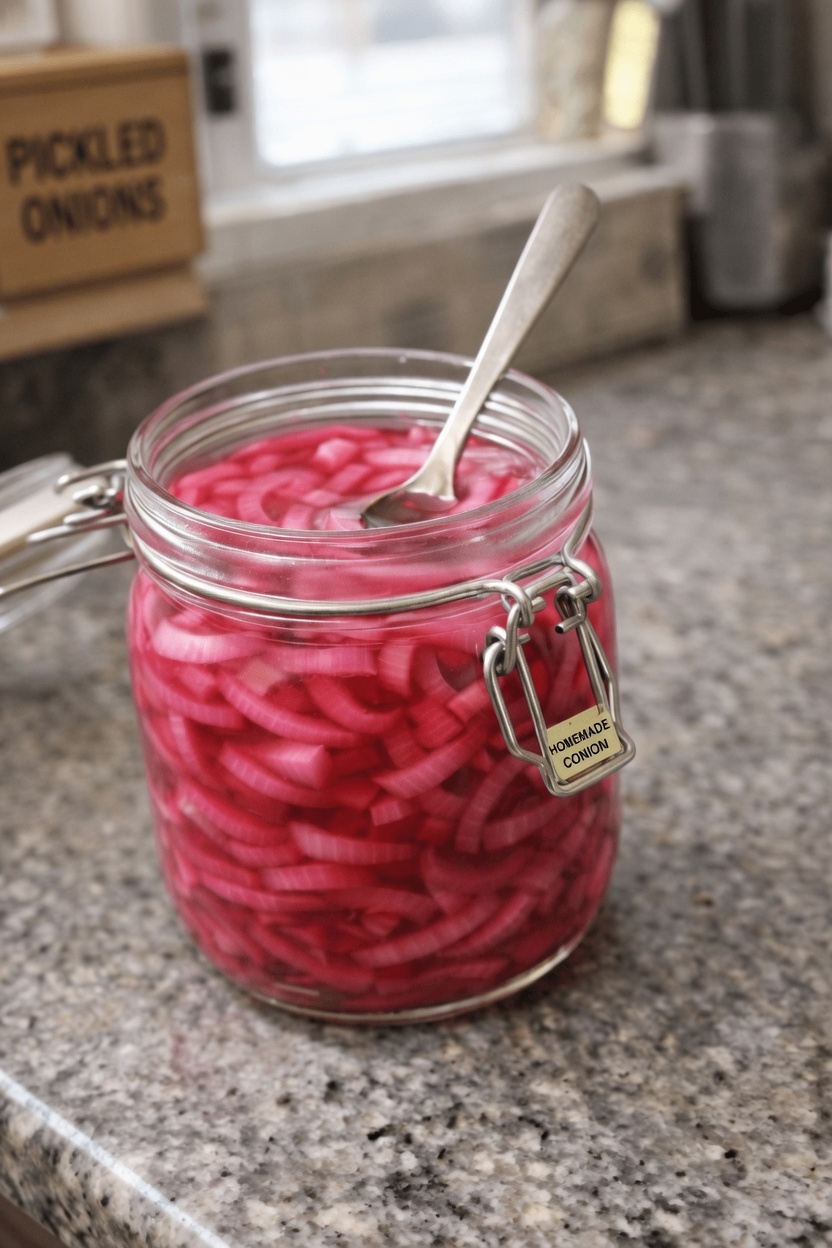
One surprisingly useful addition to everyday meals is a jar of quick-pickled red onions. This bright, flavorful condiment blends the crisp bite of red onion with the sharp tang of vinegar. Beyond adding color and taste to your plate, this combination has attracted attention because both onions and vinegar contain compounds that have been studied for their possible role in glucose control.
If you want an easy recipe and a realistic way to include them in your routine, this guide covers both.
Why Red Onions Deserve More Attention
Red onions do more than make salads and sandwiches look better. They are naturally rich in quercetin, a plant antioxidant from the flavonoid family. This compound is especially concentrated in the outer layers and in onions with deeper purple-red coloring.
Scientists have explored quercetin and the sulfur-based compounds found in onions for their potential effects on glucose metabolism. In some smaller studies, eating raw or prepared onion has been linked to short-term improvements in fasting blood sugar. One early clinical observation reported that consuming 100 grams of raw red onion was followed by a meaningful drop in blood glucose four hours later among participants with type 1 and type 2 diabetes.
These findings are still preliminary, and larger studies are needed before drawing firm conclusions. Still, they have helped position red onions as a potentially supportive food in blood sugar-conscious eating patterns.
Why Pickling May Add Extra Value
The pickling step brings another interesting factor into the equation: vinegar. Acetic acid, the main active component in vinegar, has been examined in several studies for its possible ability to reduce blood sugar rises after meals.
When consumed with carbohydrate-rich foods, vinegar may help slow stomach emptying and improve glucose uptake by muscle tissue. In simple terms, it may help the body handle a meal more smoothly.
That makes quick-pickled red onions especially appealing. You are combining the natural plant compounds in red onions with the researched effects of vinegar in one convenient, low-effort food.
What May Make Pickled Red Onions Helpful
Several components in this combination have been studied for metabolic support:
-
Quercetin and other flavonoids
These antioxidants have been associated in lab and animal studies with better insulin sensitivity and improved glucose tolerance. -
Sulfur compounds
Found in onions and other allium vegetables, these compounds may support important metabolic functions. -
Acetic acid from vinegar
Small human studies suggest it may help reduce post-meal blood sugar swings, especially when eaten with higher-carbohydrate meals.
It is important to remember that food responses vary from person to person. Overall diet, physical activity, medications, and health conditions all influence blood sugar. No single ingredient can replace professional medical care or a treatment plan.
Quick Pickled Red Onions Recipe
Making pickled red onions at home is fast, inexpensive, and requires very little equipment. This version keeps added sugar low, making it suitable for people who are mindful of blood sugar.
Ingredients
Makes about 2 cups:
- 2 large red onions, thinly sliced
- 1 cup apple cider vinegar or white vinegar
- 1 cup water
- 1 to 2 teaspoons sea salt, depending on taste
- Optional:
- 1 teaspoon black peppercorns
- a few garlic cloves
- a pinch of red pepper flakes
Instructions
-
Slice the onions thinly.
Use a sharp knife or mandoline if you have one. Thin slices pickle faster and create a better texture. -
Fill a clean glass jar.
Pack the onion slices into the jar fairly tightly. -
Warm the brine.
In a small saucepan, heat the vinegar, water, and salt just until the salt dissolves. There is no need to boil it. -
Pour over the onions.
Add the warm liquid to the jar, making sure the onions are fully covered. Add any optional spices if desired. -
Cool and refrigerate.
Let the jar sit until it reaches room temperature, then seal it and place it in the refrigerator. -
Wait briefly before serving.
The onions are usually ready in 30 to 60 minutes, though the flavor improves after several hours or overnight.
Helpful tip: The thinner the onion slices, the faster they pickle and the brighter their pink color becomes.
Easy Ways to Eat Them Every Day
Pickled red onions are one of the simplest toppings to keep on hand. They instantly add brightness and contrast to many meals.
Try them in these ways:
- Over tacos, burgers, or grilled chicken
- Mixed into salads and grain bowls
- Layered into wraps and sandwiches
- On avocado toast
- As a topping for eggs or omelets
- Stirred into rice bowls for extra tang
- Mixed into homemade dressings with a spoonful of the pickling liquid
Many people find that flavorful toppings like this make vegetables and balanced meals more enjoyable overall.
More Benefits Beyond Blood Sugar Awareness
Pickled red onions may offer more than just possible glucose support.
Gut-Friendly Potential
Onions contain prebiotic fibers that help nourish beneficial gut bacteria. Depending on the preparation, the pickling process may also support a more gut-friendly food environment.
Antioxidant Support
Much of the quercetin in red onions remains present after quick pickling, which helps preserve their antioxidant value.
Big Flavor, Few Calories
When made with little or no added sugar, pickled red onions add strong flavor without contributing many calories or carbohydrates.
Fresh vs. Pickled Red Onions
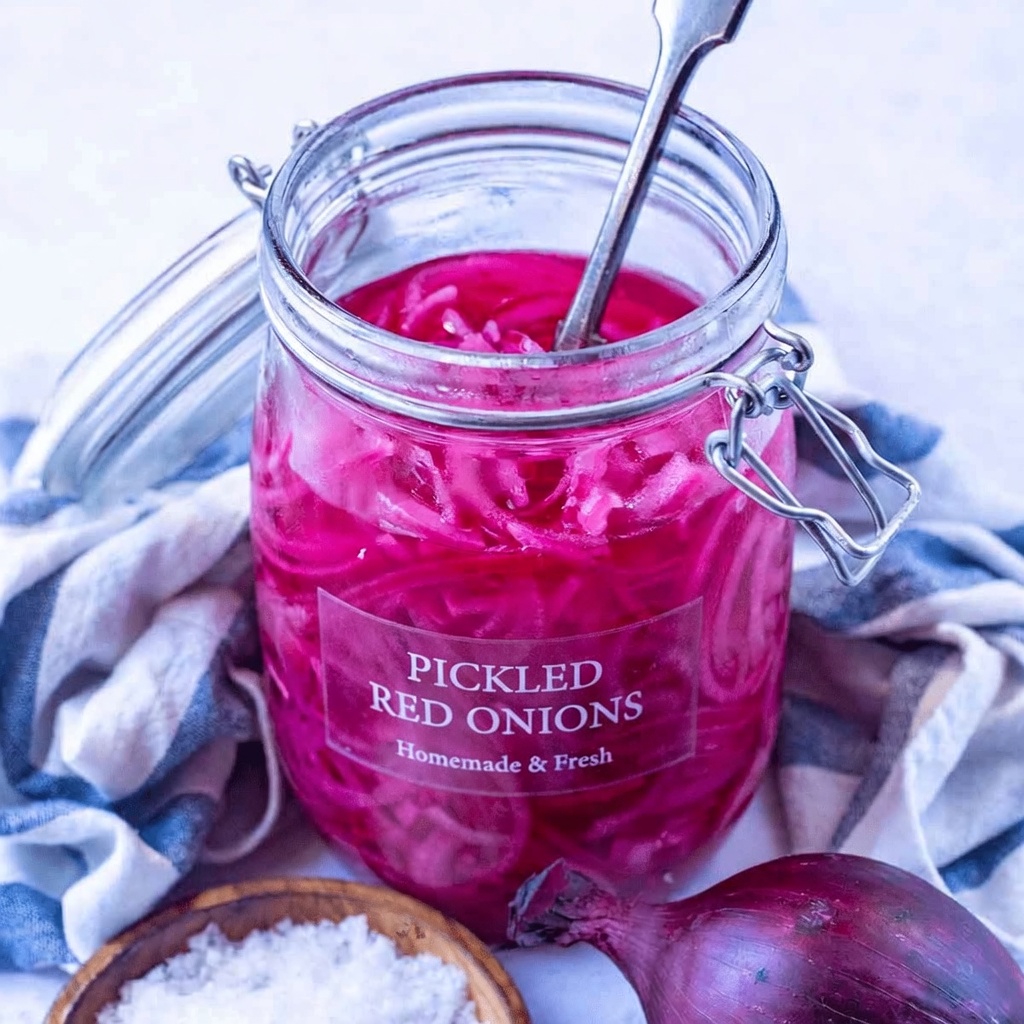
Both fresh and pickled red onions can fit into a healthy eating plan. Each has its own advantages.
Comparison Table
| Aspect | Fresh Red Onions | Quick Pickled Red Onions |
|---|---|---|
| Flavor | Sharp and pungent | Tangy, milder, slightly sweet-sour |
| Convenience | Need to slice each time | Ready to use anytime |
| Potential Glucose Support | Quercetin and sulfur compounds | Quercetin plus acetic acid from vinegar |
| Storage | Lasts a few weeks in a cool pantry | Keeps about 2 to 3 weeks in the fridge |
| Best For | Cooking or raw use | Toppings, garnishes, fast flavor |
Fresh onions are excellent for cooking and daily meal prep, while pickled onions are especially helpful when you want something quick and ready to eat.
Tips to Get the Most from Them
To make this habit as useful as possible, keep these points in mind:
- Choose red onions that are firm and deeply colored
- Keep some of the outer layers when possible, since they often contain more quercetin
- Serve them with balanced meals that also include:
- protein
- healthy fats
- fiber-rich foods
- Begin with small portions and see how your body responds
- Track patterns with a food journal or glucose monitor if your healthcare provider recommends it
Small, repeatable habits are often more valuable than chasing one “superfood.”
Frequently Asked Questions
Can I eat pickled red onions every day?
Yes, most people can enjoy them daily in moderate portions as part of a varied diet. A few tablespoons is a good place to start, then adjust based on your taste and comfort.
Do I need sugar in the brine?
No. Many traditional recipes include sugar, but it is not necessary. A simple mixture of vinegar, water, and salt works well, and the onions develop a gentler sweetness on their own as they pickle.
Can pickled red onions replace my blood sugar plan?
No. They can be a smart addition to healthy meals, but they should not replace medical guidance, medication, or any treatment plan prescribed by your healthcare team.
How long do homemade pickled onions last?
If stored properly in the refrigerator, they usually stay good for about 2 to 3 weeks. The color may soften over time, but the flavor generally remains enjoyable.
Final Thoughts
A jar of quick-pickled red onions in the refrigerator is a small kitchen upgrade that can deliver a lot: convenience, vibrant flavor, and potential support for blood sugar-conscious eating. By pairing red onion compounds with vinegar, this simple recipe creates an easy topping that fits naturally into everyday meals.
Try making a batch, test different ways to use it, and see how this colorful staple can brighten your meals while supporting your wellness goals.
Disclaimer
This article is for informational purposes only and is not medical advice. It is based on general research and should not be used to diagnose, treat, or prevent any disease or health condition. Always speak with a qualified healthcare professional before making major dietary changes, especially if you have diabetes or another medical condition. Individual results may vary.