
Are Magnesium, Potassium, and Calcium Imbalances Draining Your Energy?
Dragging yourself through the day even after sleeping all night, waking up with sharp muscle cramps, or suddenly feeling your heart race for no obvious reason can all be alarming. These issues may be your body’s way of signaling that your magnesium, potassium, and calcium levels are out of balance.
When these key minerals drop too low, everyday activities can feel overwhelming, and your overall quality of life quietly declines. Unexplained fatigue, random cramps, and irregular heartbeat can also create ongoing worry and stress.
The positive side: by recognizing these early warning signs, you can take simple, natural steps to support healthier magnesium, potassium, and calcium levels and begin reclaiming the energy, comfort, and peace of mind you’ve been missing.
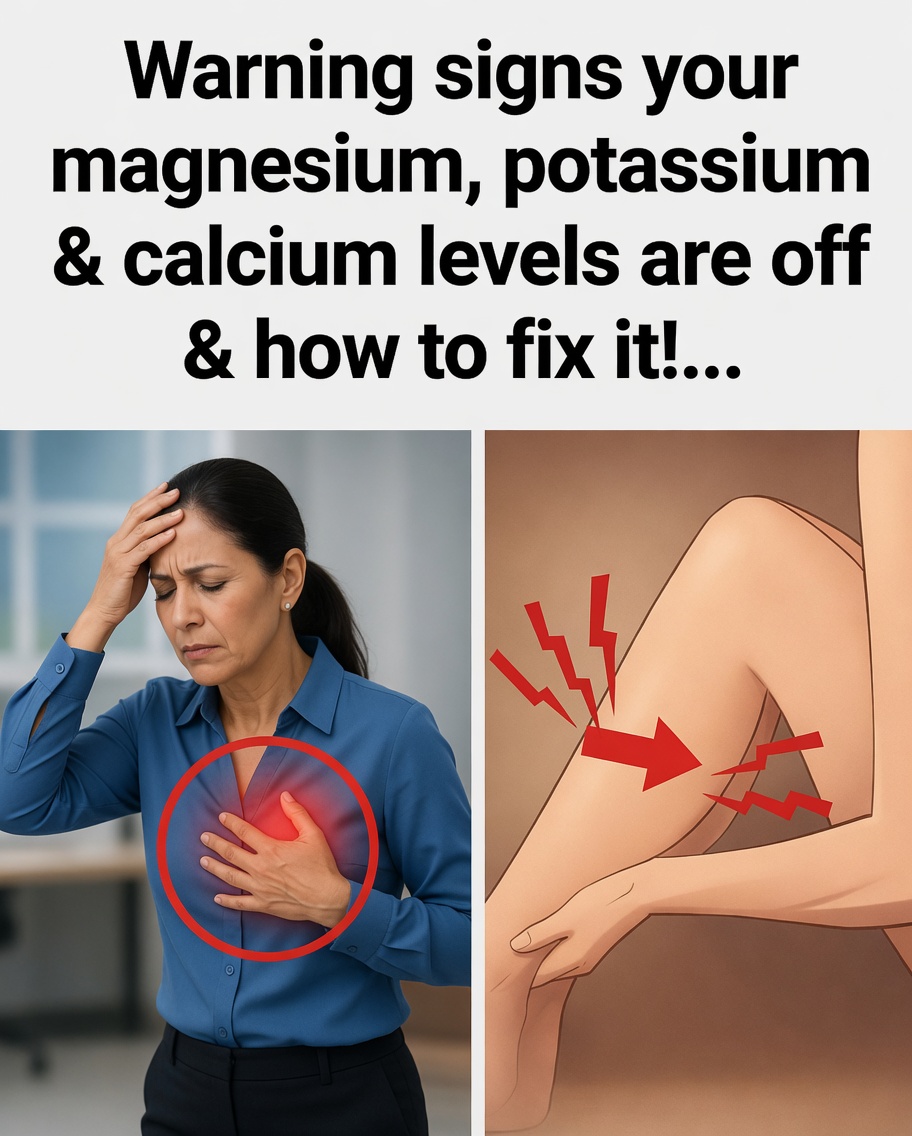
Why Magnesium, Potassium, and Calcium Matter So Much
Magnesium, potassium, and calcium are essential electrolytes that help keep nearly every system in your body functioning properly:
- Magnesium is involved in energy production, nerve function, and muscle relaxation.
- Potassium helps regulate heart rhythm, nerve signals, and fluid balance.
- Calcium is crucial for strong bones and teeth, but it also plays a key role in muscle contraction and nerve communication.
These minerals work closely together. When one becomes too low, it can disrupt the others, setting off a chain reaction that affects your energy, mood, sleep, muscles, and cardiovascular health. Research continues to highlight how strongly magnesium, potassium, and calcium levels are linked to overall wellbeing.
If you’ve been feeling “off” without a clear explanation, a deficiency or imbalance in these electrolytes may be playing a larger role than you realize. The encouraging part is that many people experience noticeable improvements by making targeted changes to diet and lifestyle.

Common Reasons Magnesium, Potassium, and Calcium Fall Out of Balance
There are several everyday factors that can quietly deplete these minerals:
- Intense exercise and heavy sweating can drain magnesium, potassium, and other electrolytes faster than they are replaced.
- Digestive issues such as diarrhea, vomiting, or poor absorption reduce how much magnesium, potassium, and calcium your body can retain.
- Certain medications, including some diuretics, acid reducers, and antibiotics, may interfere with electrolyte balance.
- Chronic stress increases the body’s demand for magnesium and can contribute to broader electrolyte disruption.
- Highly processed diets low in fresh fruits, vegetables, nuts, seeds, and fermented dairy often fail to supply enough magnesium, potassium, and calcium.
- Health conditions like diabetes, kidney problems, or hormonal imbalances can affect how your body regulates these minerals.
- Excess alcohol intake impairs absorption and increases loss of electrolytes.
- Overhydration with plain water without replacing minerals can dilute electrolyte levels in some situations.
Understanding these triggers can make it easier to see why signs of magnesium, potassium, and calcium imbalance are so widespread.
8 Key Warning Signs of Low Magnesium, Potassium, and Calcium
Your body often gives clear signals when magnesium, potassium, and calcium levels are suboptimal. Pay attention if you notice:
-
Ongoing fatigue
Feeling worn out even after a full night’s sleep may point to low magnesium, potassium, and calcium hindering efficient cellular energy production. -
Frequent muscle cramps and spasms
Nighttime leg cramps, foot spasms, or muscles that seize up easily are classic signs that your electrolyte levels—especially magnesium, potassium, and calcium—need support. -
Heart palpitations or irregular heartbeat
Flutters, skipped beats, or a racing heart can sometimes occur when magnesium and potassium are too low, affecting normal heart rhythm. -
Muscle weakness or twitching
Heavy, weak, or trembling muscles during simple tasks can indicate an underlying imbalance in these minerals. -
Tingling or numbness in hands and feet
Pins-and-needles sensations, particularly in the extremities, are often linked to low calcium and magnesium. -
Increased anxiety or mood changes
Irritability, restlessness, or feeling unusually on edge are frequently reported when magnesium levels drop, as magnesium is closely tied to nervous system and mood regulation. -
Trouble falling or staying asleep
Difficulties winding down at night or waking frequently may be connected to inadequate magnesium, potassium, and calcium, which help regulate relaxation and sleep quality. -
Persistent bone or joint discomfort
Long-term calcium imbalance, especially when combined with low magnesium and potassium, can contribute to aching joints and reduced bone resilience over time.
Catching these symptoms early gives you a valuable opportunity to address the root cause before problems escalate. Many people find that once they intentionally support healthier magnesium, potassium, and calcium levels, these frustrating issues begin to ease.

Best Foods to Naturally Support Magnesium, Potassium, and Calcium Levels
Nutrition is one of the most effective ways to restore and maintain a healthy balance of magnesium, potassium, and calcium. Prioritizing mineral-rich whole foods can make a real difference in how you feel.
Top Food Sources of Magnesium
- Pumpkin seeds (among the richest natural sources)
- Leafy greens such as spinach and Swiss chard
- Nuts like almonds and cashews
- Dark chocolate (choose high-cocoa, low-sugar varieties)
- Avocados
Excellent Potassium-Rich Foods
- Bananas and sweet potatoes
- Beans, lentils, and chickpeas
- Coconut water (especially useful after sweating)
- Salmon and other fish
- Leafy green vegetables
Calcium-Dense Foods to Include
- Plain yogurt and kefir
- Leafy greens such as kale, collards, and bok choy
- Almonds and sesame seeds (including tahini)
- Sardines with bones (the bones are a highly absorbable calcium source)
Incorporating a variety of these foods each day not only supports magnesium, potassium, and calcium status, but also provides fiber, antioxidants, and other beneficial nutrients. Research suggests that obtaining these minerals from whole food sources often leads to better absorption and broader health benefits compared with relying solely on supplements.

Daily Habits That Help Keep Magnesium, Potassium, and Calcium in Balance
Beyond food choices, simple lifestyle adjustments can significantly influence your electrolyte balance.
-
Epsom salt baths
Soaking in a warm bath with Epsom salt (magnesium sulfate) allows some magnesium to be absorbed through the skin. Many people find this soothing for tight muscles and helpful for sleep. -
Hydrating with electrolytes after sweating
After exercise or time in the heat, choose mineral-rich options such as coconut water or an electrolyte drink (with minimal added sugar) instead of only plain water. -
Managing stress effectively
Practices like walking, deep breathing, yoga, or meditation can reduce chronic stress, which is known to deplete magnesium and contribute to electrolyte imbalance. -
Eating balanced, regular meals
Smaller, more frequent meals with a mix of protein, healthy fats, and mineral-rich vegetables can support stable energy and mineral uptake. -
Limiting excessive caffeine and alcohol
Too much coffee, energy drinks, or alcohol can interfere with absorption and increase the loss of magnesium, potassium, and calcium.
Over time, these small, consistent changes can help ease symptoms like fatigue, cramps, and sleep issues by supporting more stable magnesium, potassium, and calcium levels.

When to Get Professional Medical Advice
Natural strategies are often effective for mild, early-stage imbalances. However, some symptoms should never be ignored. Seek prompt medical evaluation if you experience:
- Severe or ongoing dizziness or lightheadedness
- Chest pain or tightness
- Confusion, disorientation, or sudden changes in mental state
- Strong, irregular, or very rapid heartbeat
A healthcare professional can order blood tests to accurately measure magnesium, potassium, and calcium levels and rule out more serious conditions. This information helps guide whether you need targeted supplementation, medication adjustments, or further testing.
Bringing It All Together for Better Balance
Supporting your magnesium, potassium, and calcium through nutrient-dense foods, smart hydration, and stress management can dramatically improve how you feel day to day. Many people report more stable energy, fewer cramps, and more restful sleep within a few weeks of consistent effort.
You do not need to change everything at once. For example, you might:
- Add one or two magnesium-rich foods (like pumpkin seeds or spinach) to your daily meals.
- Replace one sugary drink with coconut water or water plus a pinch of sea salt and a squeeze of lemon.
- Schedule an Epsom salt bath once or twice a week to support muscle relaxation and sleep.
These small steps can add up, helping your body restore a healthier balance of magnesium, potassium, and calcium over time.
Frequently Asked Questions About Magnesium, Potassium, and Calcium Levels
What foods help raise magnesium, potassium, and calcium levels most effectively?
Leafy green vegetables, nuts, seeds, bananas, sweet potatoes, yogurt, and fermented dairy products are among the best options for naturally increasing magnesium, potassium, and calcium. Including a mix of these foods throughout the day is often more effective than relying on a single food or supplement.
Can stress really disrupt magnesium, potassium, and calcium levels?
Yes. Chronic stress increases the body’s demand for magnesium and can interfere with hormone and fluid balance, which affects potassium and calcium as well. Over time, unmanaged stress can contribute to deficiencies and worsen symptoms like fatigue, anxiety, and muscle tension.
How long does it usually take to notice improvements?
Everyone is different, but many people begin to notice changes—such as better sleep, fewer cramps, and more stable energy—within about 2 to 4 weeks of making consistent dietary and lifestyle changes that support magnesium, potassium, and calcium balance. More severe imbalances may take longer and may require medical guidance.