Everyday Foods That Can Quietly Undermine Thyroid Health
Living with a thyroid disorder can slowly drain your energy, complicate weight management, and cloud your thinking in ways that make even simple tasks feel exhausting. Mood swings, changes in appetite, and shifts in metabolism can be discouraging when all you want is to feel balanced again. The encouraging news: being mindful about a few common foods can meaningfully support your thyroid and overall wellbeing. Read through to the end for a surprisingly simple swap many people miss.
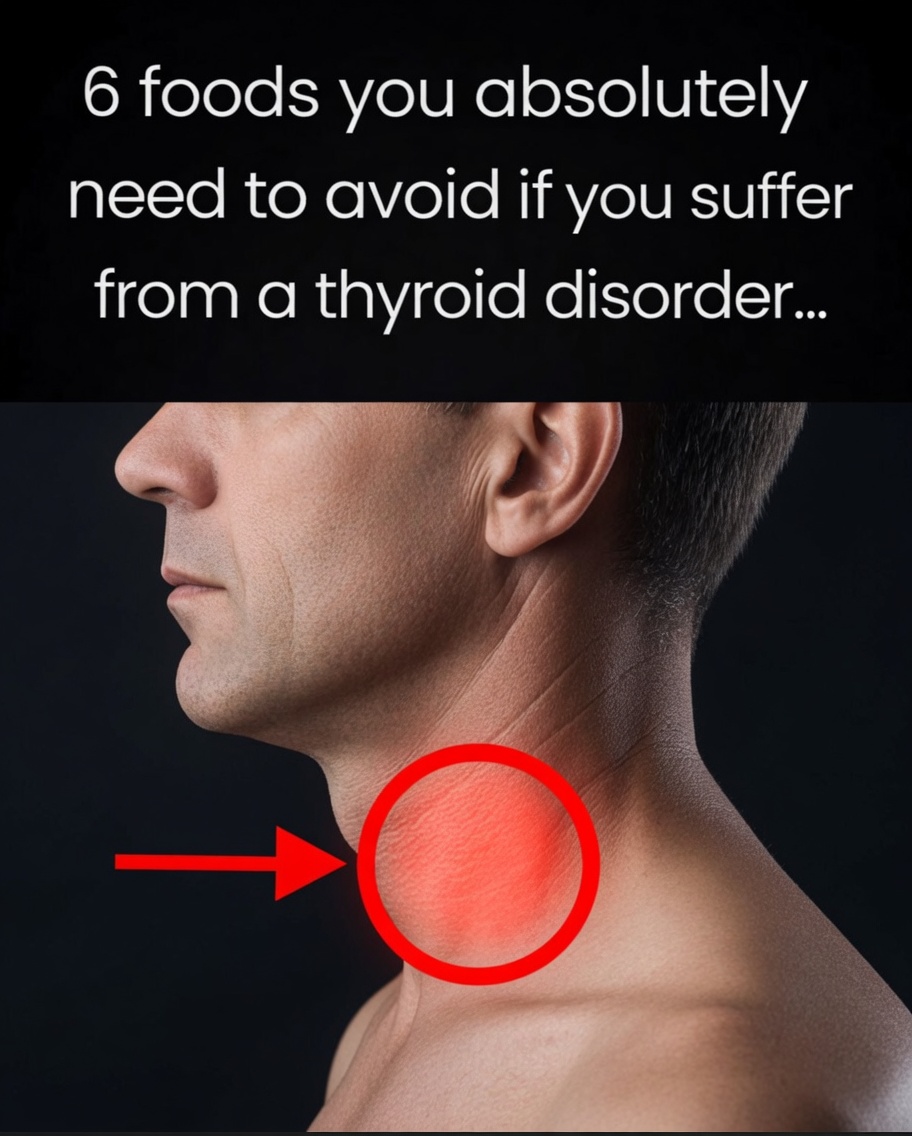
1. Sugar and Thyroid Function
For anyone managing a thyroid disorder, excess sugar can quietly work against your progress. Frequent blood sugar spikes are linked to insulin resistance, which can add extra strain to your hormonal system and make it harder for your body to stay in balance.
That doesn’t mean you need to eliminate sweetness forever—it’s more about cutting back on the constant drip of added sugars throughout your day.
With a thyroid condition, those “small treats” can add up faster than you think.
Thyroid-friendly ways to reduce sugar:
- Replace soda with sparkling water plus a squeeze of lemon or lime
- Choose naturally sweet foods like fresh berries instead of candy
- Read ingredient labels carefully—many “healthy” snacks hide added sugars
2. Fried Foods and Thyroid Hormone Balance
Fried foods rich in trans fats can interfere with how your body utilizes thyroid hormones, especially if you’re taking thyroid replacement medication. These unhealthy fats may blunt the effectiveness of your treatment and leave you feeling more sluggish over time.
That basket of fries or fried chicken might feel satisfying in the moment, but the long-term impact on your energy and metabolism can be discouraging when you’re already managing a thyroid disorder.
The upside: many people notice real improvements simply by changing how they cook.
Better options when you have a thyroid disorder:
- Oven-baked sweet potato wedges instead of deep-fried sides
- Grilled or baked chicken in place of fried chicken
- Vegetable stir-fries prepared with a small amount of olive or avocado oil

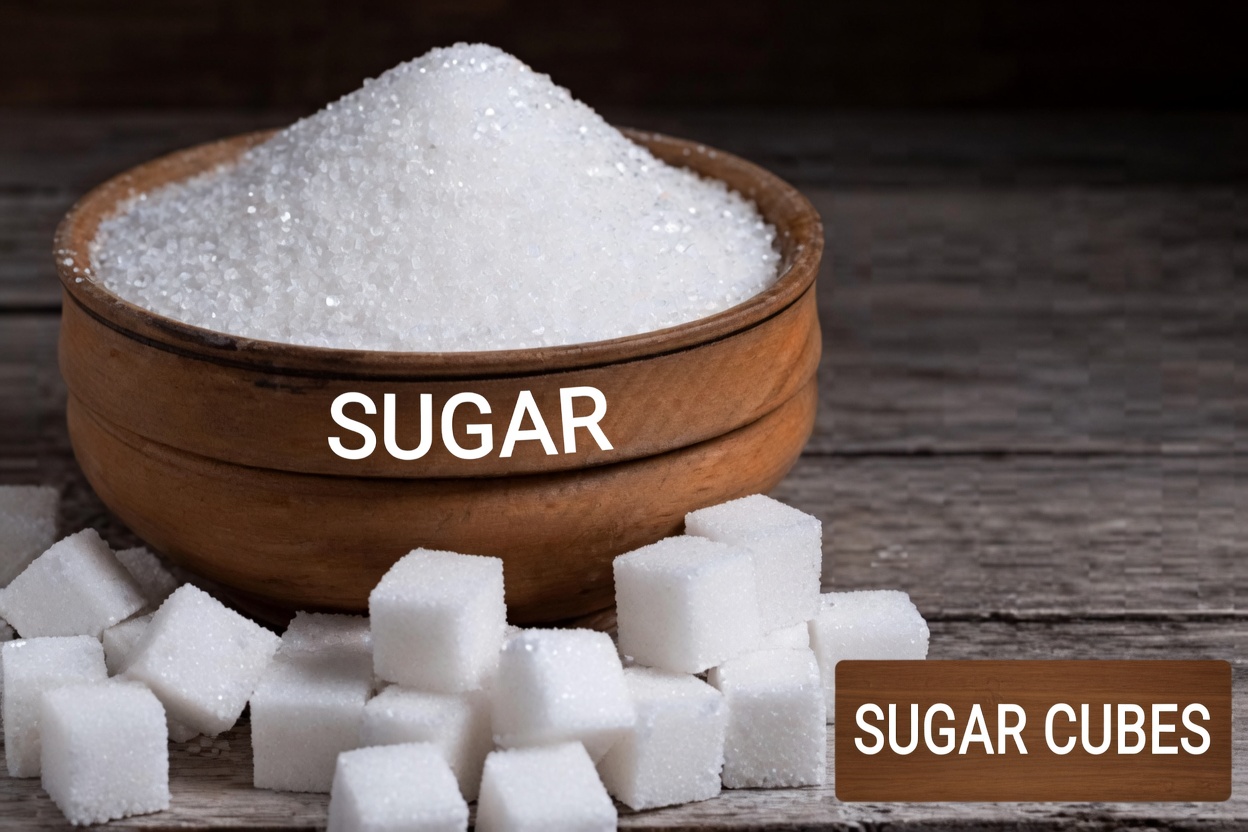
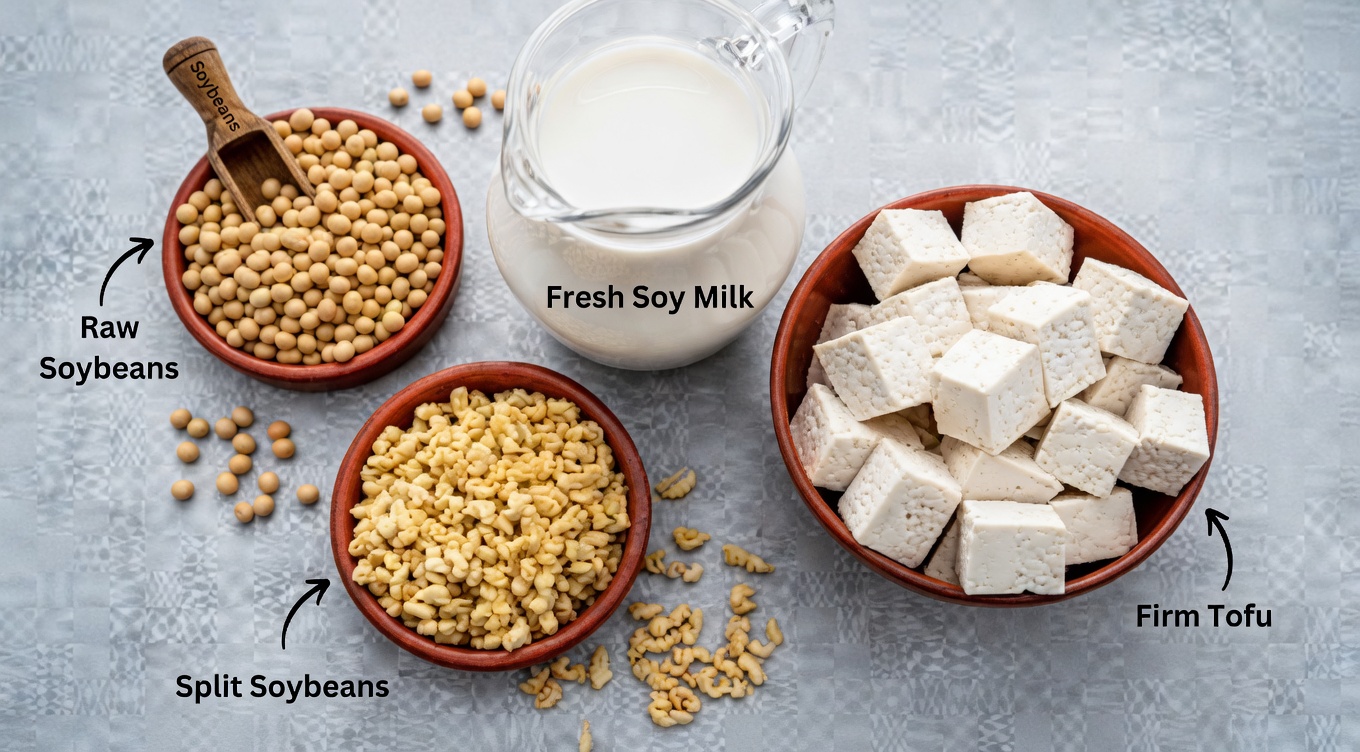
3. Soy and Thyroid Medication Absorption
Soy is a powerful food, but it deserves some caution if you have a thyroid disorder—particularly if you take daily thyroid medication. Research suggests that compounds in soy can interfere with the absorption of synthetic thyroid hormone, making your medication less effective if taken too close together.
The timing is key: leaving a gap between your pill and soy-heavy meals helps both work properly.
If you also struggle with iodine issues, this separation becomes even more important.
Helpful guideline:
- Aim to wait about 4 hours between taking your thyroid medication and eating soy-rich foods such as tofu, tempeh, soy milk, or edamame
4. Gluten and Autoimmune Thyroid Disorders
For many people with thyroid disorders—especially autoimmune types like Hashimoto’s or Graves’ disease—gluten may contribute to inflammation and immune system overactivity. Ongoing research continues to explore the link between gluten sensitivity and impaired thyroid function.
You don’t have to cut gluten overnight, but noticing how you feel when you reduce it can be eye-opening.
The encouraging part is that there are plenty of naturally gluten-free foods that are satisfying, nourishing, and easy to incorporate.
Simple gluten-free swaps for thyroid support:
- Choose rice, quinoa, or buckwheat instead of traditional wheat pasta
- Use lettuce leaves or collard greens as wraps instead of bread
- Opt for certified gluten-free oats at breakfast

5. Dairy Products and Digestive Comfort
Dairy can sometimes complicate life with a thyroid disorder in two ways: it may interfere with medication absorption and cause subtle digestive irritation that drains your energy. Calcium from milk, cheese, or yogurt can bind to thyroid medication if consumed too close to your dose.
If you notice bloating, gas, or fatigue after dairy, a short break from these foods can help you see whether they’re playing a role.
Many people report feeling lighter, less puffy, and more stable in their energy after reducing or spacing out dairy when managing a thyroid condition.
Gentle dairy alternatives for thyroid health:
- Unsweetened almond, oat, or soy milk (timed away from medication)
- Coconut or almond yogurt with live cultures for probiotics
- Leafy greens, sesame seeds, and fortified plant milks for calcium

6. Raw Cruciferous Vegetables and Iodine Use
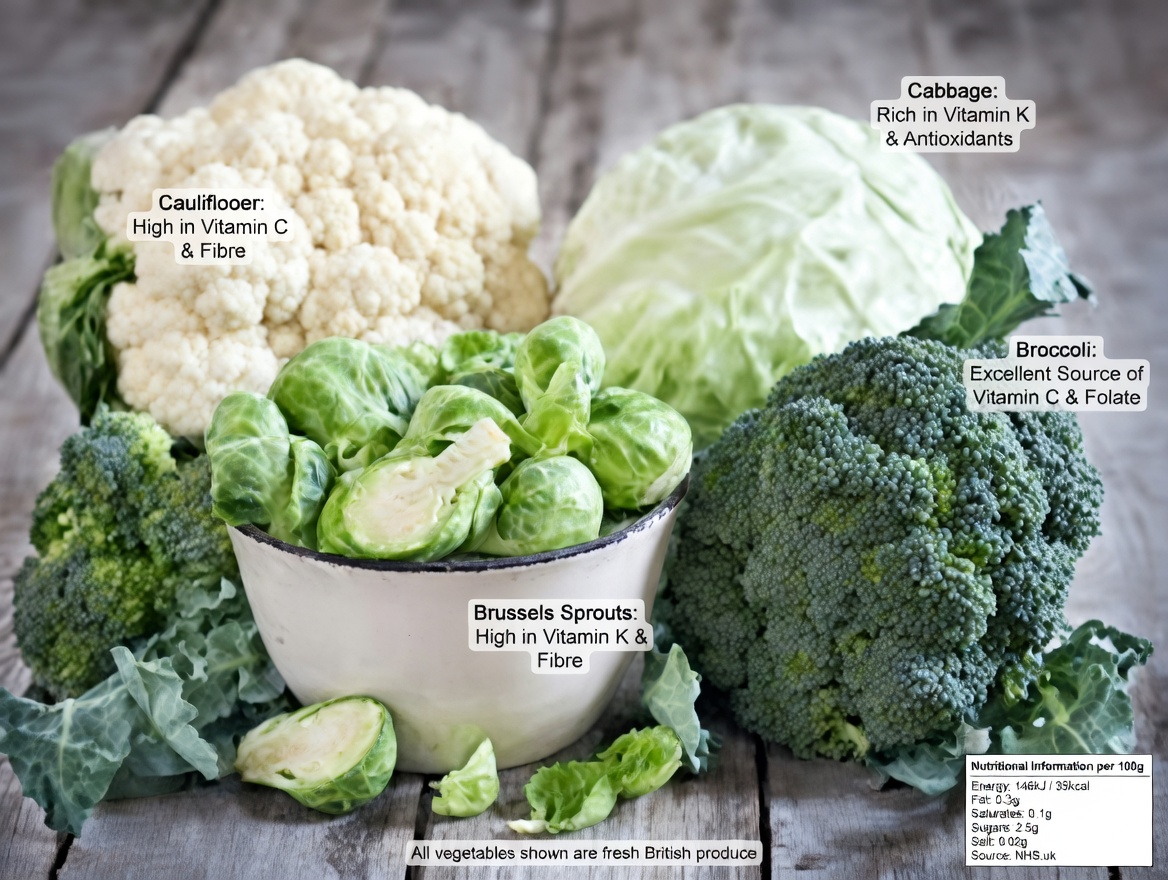
Cruciferous vegetables—such as broccoli, kale, cabbage, Brussels sprouts, and cauliflower—are incredibly nutritious, but in large raw amounts they contain natural compounds called goitrogens. These substances can reduce your body’s ability to use iodine efficiently, which is important for thyroid hormone production.
For most people with a thyroid disorder, the goal is not to avoid these vegetables altogether, but to be mindful of how you prepare them.
Cooking significantly lowers their goitrogenic effect while preserving most of their benefits.
Thyroid-smart ways to enjoy cruciferous veggies:
- Lightly steam broccoli or kale instead of eating them mostly raw in salads
- Roast Brussels sprouts, cauliflower, or cabbage with olive oil and herbs
- Limit large quantities of raw green juices or smoothies made from these vegetables
Actionable Steps You Can Start This Week
Supporting a thyroid disorder through nutrition doesn’t require perfection—just consistent, manageable tweaks.
You might start with:
- Cutting back on sugary drinks or snacks for 14 days and tracking how you feel.
- Swapping fried foods for baked or air-fried versions a couple of times per week.
- Leaving a 4-hour window between your thyroid medication and soy-rich meals.
- Choosing cooked cruciferous vegetables more often than raw.
- Testing a short period with reduced gluten or dairy to see whether your symptoms improve.
Small, steady changes often create noticeable shifts in energy, mood, digestion, and overall quality of life when you live with a thyroid disorder.
Conclusion
Your daily food choices can have a powerful impact on how you feel with a thyroid disorder. Being thoughtful about sugar, fried foods, soy, gluten, dairy, and raw cruciferous vegetables can support more stable energy, clearer thinking, and better symptom control.
You don’t need to change everything at once. Start with the area that feels most doable, build from there, and recognize each small improvement as a meaningful step toward better thyroid health.
FAQ
Can I still eat soy if I have a thyroid disorder?
Yes, in moderation. The key is timing: try to wait at least 4 hours after taking your thyroid medication before consuming soy-rich foods.
What if I love fried foods but have a thyroid disorder?
You don’t have to give up crunch and flavor. Baking or air-frying can offer a similar texture with significantly less impact on inflammation and hormone balance.
Is it okay to eat sugar sometimes when managing a thyroid disorder?
For most people, occasional small amounts are fine. Focus on cutting back on frequent and hidden sources of added sugar rather than aiming for complete elimination.