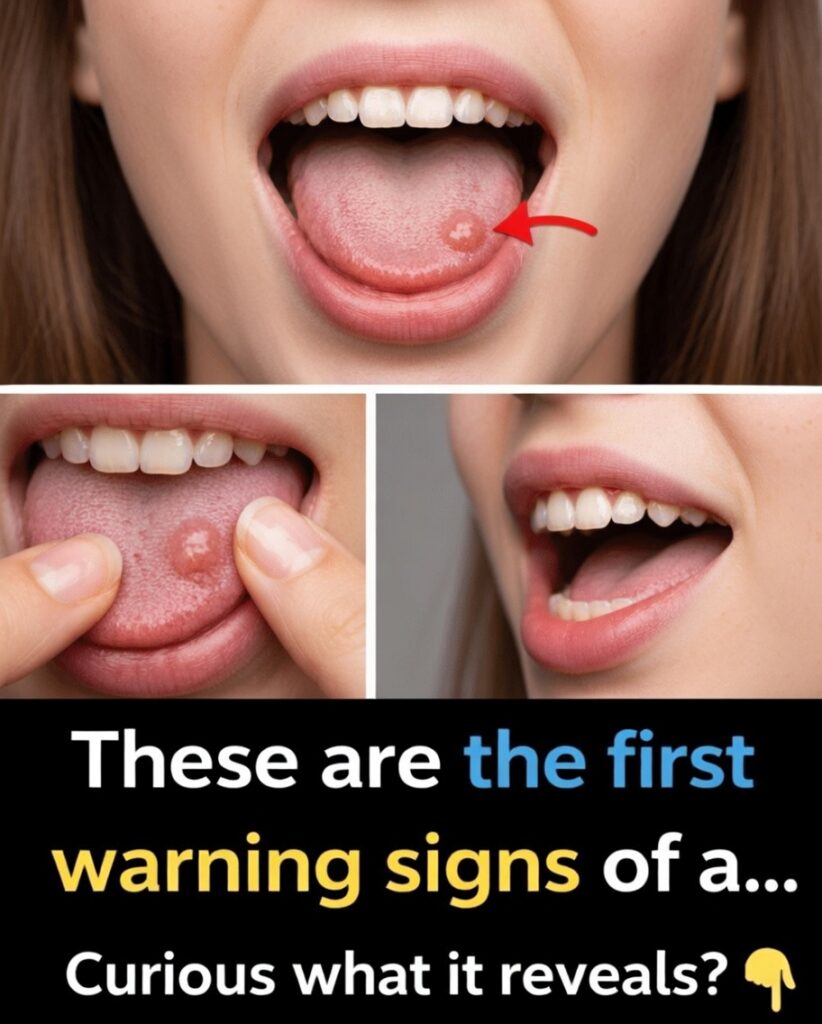
Noticing a Lump in Your Mouth? Here’s What It Might Mean
Finding an unexpected lump or bump inside your mouth can be unsettling. Many people first notice these changes while brushing, flossing, or eating, and the discovery can instantly raise questions about their health. A small swelling can make everyday actions—speaking, chewing, or swallowing—feel awkward and uncomfortable, leaving you unsure whether it’s harmless or a sign of something more serious.
Understanding the most common types of oral bumps, why they appear, and how to respond can ease a lot of worry. This guide walks you through what these mouth lumps might be, practical ways to care for your oral health, and one simple daily habit that may help prevent many of them.
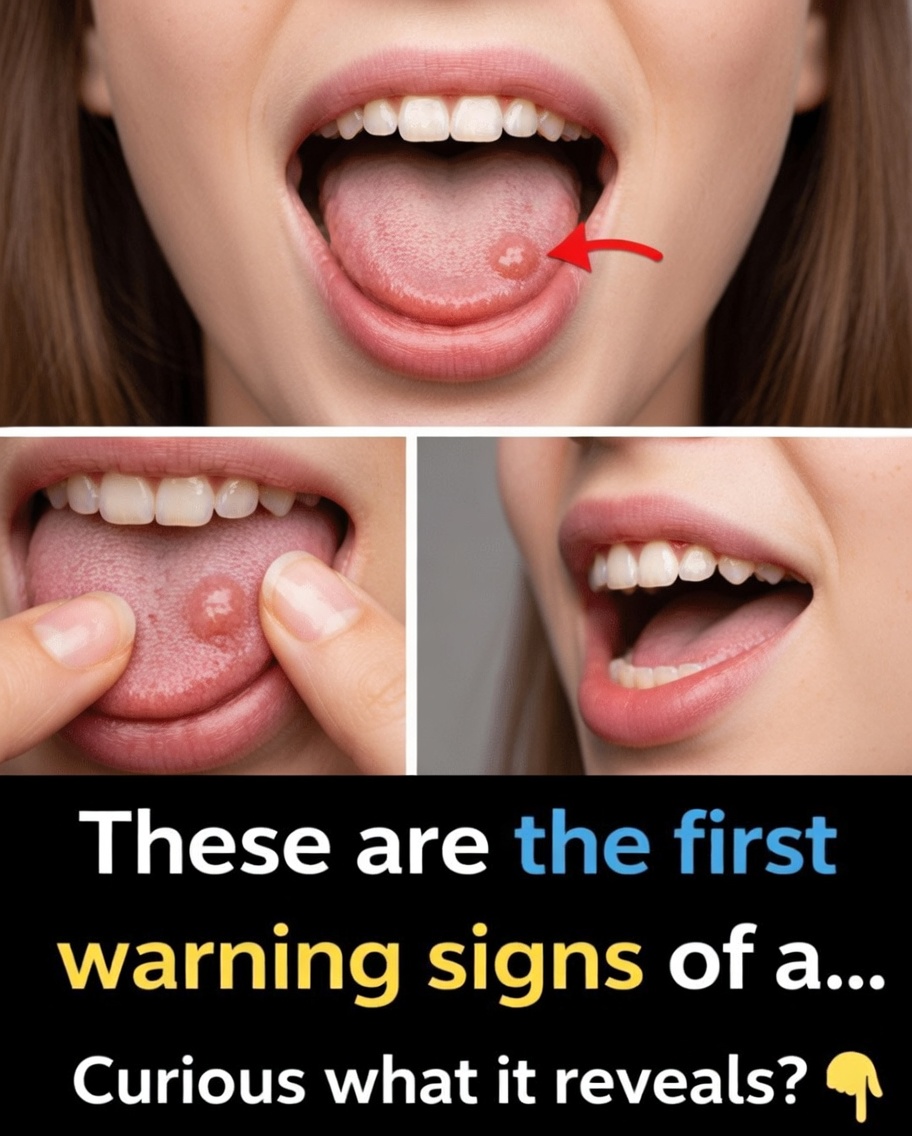
Common Types of Bumps and Lumps in the Mouth
Oral bumps come in many forms. Being able to recognize the more common ones can help you stay calm and informed.
Mucoceles
A mucocele is a small, benign cyst that develops when a salivary gland duct gets blocked or damaged. These usually look like soft, clear, or bluish bubbles and are often found on:
- The inner surface of the lower lip
- The inside of the cheeks
- Under the tongue
They may fluctuate in size and sometimes disappear on their own.
Ranulas
Ranulas are a specific type of mucocele that form on the floor of the mouth. They tend to be:
- Larger than typical mucoceles
- Soft and dome-shaped
- Bluish or translucent in appearance
Ranulas occur when saliva leaks into surrounding tissues because of a blocked or injured salivary duct.
Other Minor Bumps
Not every mouth lump is a cyst. You might also notice:
- Swollen or irritated taste buds
- Small bumps related to minor infections or irritation
- Ulcer-like sores such as canker sores
These often resolve without treatment, especially if the underlying irritation goes away.
Studies show that these kinds of oral changes can appear at any age, though habits like lip biting or cheek chewing may make them more common among younger adults.
What Causes These Oral Changes?
Several different factors can lead to bumps or lumps in the mouth. Recognizing them can help you understand what might be happening.
1. Trauma and Irritation
Accidental injuries are a frequent cause:
- Biting your lip, cheek, or tongue
- Eating very hot foods or drinking scalding beverages
- Irritation from sharp or broken teeth, braces, or ill-fitting dental appliances
These injuries can damage salivary ducts, leading to fluid buildup and cysts such as mucoceles.
2. Infections and Viral Conditions
Some infections can trigger abnormal growths or bumps:
- Human papillomavirus (HPV) can cause wart-like lesions in the mouth, though they are less common under the tongue.
- Other infections may cause swollen areas or inflamed tissue.
3. Salivary Stones (Sialoliths)
Salivary stones are small, calcified deposits that form in salivary glands or their ducts. They can:
- Block saliva flow
- Cause firm, sometimes painful lumps
- Worsen during meals when saliva production increases
4. Dry Mouth (Xerostomia)
Reduced saliva can make tissues more prone to irritation and injury. Dry mouth may be caused by:
- Certain medications
- Dehydration
- Smoking or alcohol use
- Breathing through the mouth, especially at night
5. Lifestyle and Oral Hygiene
General observations suggest that:
- Smoking and vaping can irritate mouth tissues
- Poor oral hygiene may increase the risk of infections and inflammation
- Chronic stress may lead to habits like clenching, grinding, or biting that traumatize the mouth
Understanding these triggers can help you make changes that support better oral comfort.
When Could a Mouth Bump Be More Concerning?
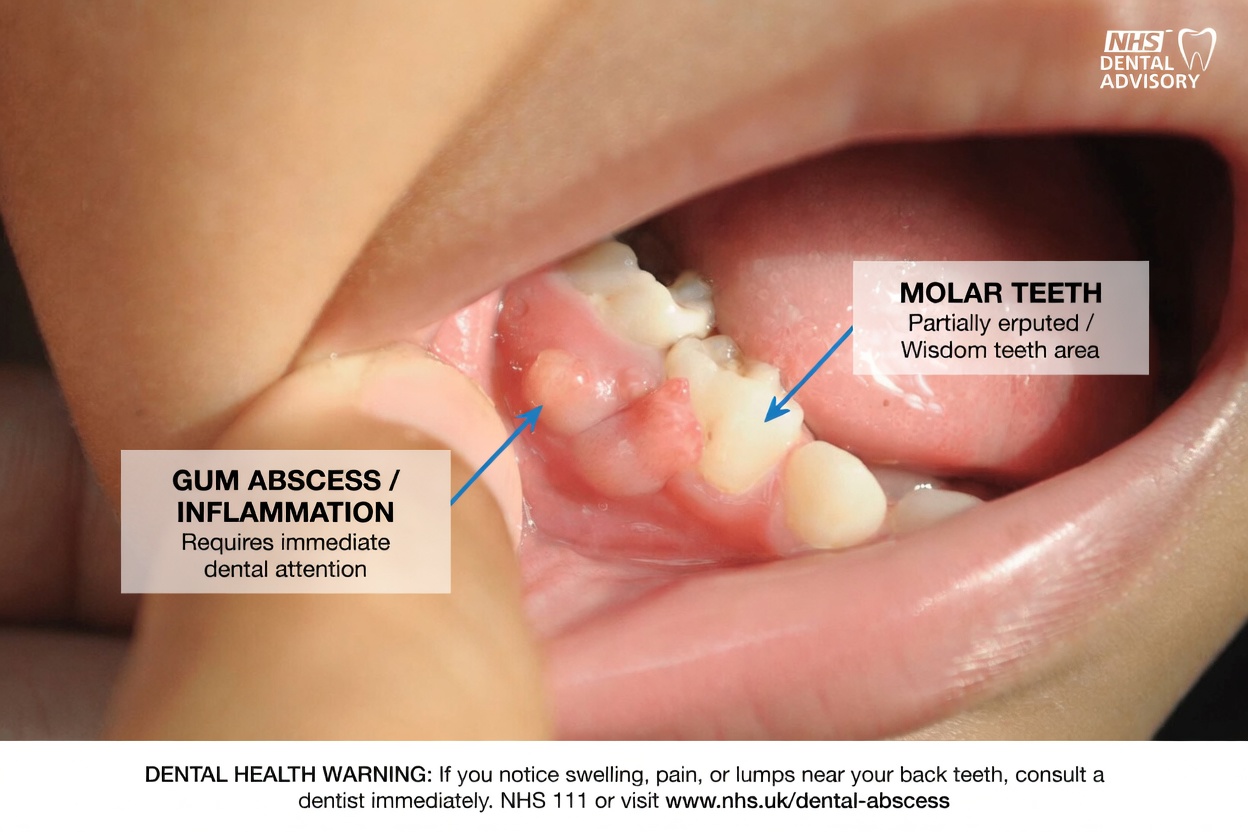
Most lumps inside the mouth are benign and related to irritation or blocked glands. However, some features suggest that a bump deserves prompt professional evaluation.
Watch more carefully if you notice:
- Rapid growth: The lump increases in size quickly.
- Persistent pain: Ongoing or worsening discomfort that doesn’t improve.
- Functional problems: Difficulty swallowing, speaking, or moving your tongue.
- Red or white patches: Discolored areas near or on the bump that don’t heal within about two weeks.
- Numbness or tingling: Loss of sensation around the area.
- Unexplained bleeding: Bleeding without obvious trauma (like biting yourself).
Paying attention to these warning signs helps you decide when to seek a dentist’s or doctor’s advice.
Simple Daily Habits for Better Oral Health
A few consistent routines can greatly support your mouth’s overall health and comfort.
- Brush gently twice a day using a soft-bristled toothbrush to reduce irritation to delicate tissues.
- Floss once daily to remove plaque and food particles that can inflame gums and soft tissue.
- Rinse with saltwater after meals or when irritated: dissolve ½ teaspoon of salt in a cup of warm water to help soothe and keep the area clean.
- Stay well-hydrated by drinking water throughout the day to support saliva flow and wash away irritants.
- Avoid tobacco and limit alcohol, both of which can dry and irritate oral tissues.
- Schedule regular dental check-ups, ideally every six months, or as recommended by your provider, to catch changes early.
These basic habits create a healthier environment inside your mouth and may reduce the likelihood of troublesome bumps.
How to Monitor Oral Changes at Home: Step-by-Step
You don’t need special tools to keep track of a lump inside your mouth. A simple, regular check-in can be very effective.
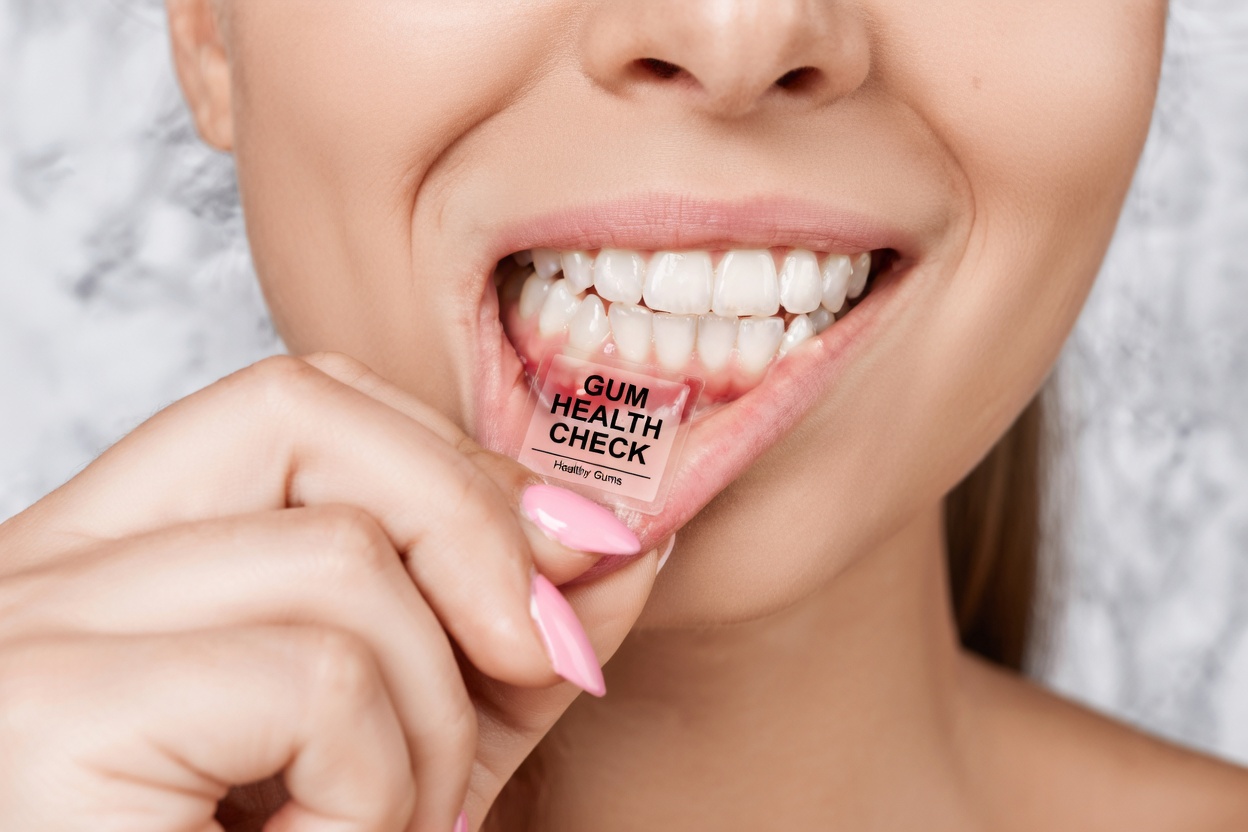
Step 1: Inspect Weekly
Once a week, look inside your mouth in good lighting with a mirror. Check:
- Under your tongue
- The sides of your tongue
- Inner cheeks and lips
- Roof and floor of your mouth
Note any new spots, bumps, or color changes.
Step 2: Gently Feel the Area
With clean hands, gently run your fingertips along the inside of your mouth to detect:
- Unusual thickness
- Firm nodules
- Tender spots
Avoid pressing hard, which can cause extra irritation.
Step 3: Keep a Simple Symptom Log
For about two weeks, track important details:
- Approximate size and location of the bump
- Color and texture (soft, firm, smooth, rough)
- Any pain, tingling, or bleeding
- Triggers—such as certain foods or times of day
Step 4: Look for Trends
Compare your observations:
- Has the bump shrunk, stayed the same, or grown?
- Is pain improving, worsening, or unchanged?
- Is it interfering with speaking, chewing, or swallowing?
If the bump persists, worsens, or worries you, book a visit with a dental or medical professional.
Step 5: Make It a Habit
Regular self-checks help you stay familiar with what’s normal for your mouth, making it easier to notice changes early—without becoming overly anxious.
Quick Comparison of Common Oral Bumps
Here’s a simplified overview of several frequent types of mouth bumps, based on general characteristics.
| Type of Bump | Typical Appearance | Common Location | Usual Cause | When to Watch More Closely |
|---|---|---|---|---|
| Mucocele | Soft, clear or bluish, bubble-like | Inner lip, cheek, under tongue | Blocked or injured salivary gland | If it persists or keeps recurring over several weeks |
| Ranula | Larger, dome-shaped, bluish swelling | Floor of mouth under the tongue | Saliva leaking into nearby tissue | If it interferes with eating, speaking, or closing the mouth |
| Canker sore | White/yellow center with red border | Anywhere inside the mouth | Stress, irritation, or minor injury | If very painful, large, or frequently recurring |
| Salivary stone | Firm lump, often painful during meals | Under the tongue or jaw area | Mineral buildup in salivary ducts | If swelling or pain increases, especially while eating |
This table is not a diagnostic tool but can give you a general sense of what you might be seeing.
Extra Ways to Reduce Oral Irritation
Beyond standard oral care, a few small adjustments can further lower the chances of bothersome bumps and soreness.
- Choose softer foods during flare-ups to avoid scraping or biting sensitive areas.
- Use a humidifier at night if you struggle with dry mouth, particularly in dry climates or heated rooms.
- Include anti-inflammatory foods such as yogurt, fatty fish, or green tea as part of a balanced diet.
- Practice stress management (breathing exercises, stretching, meditation), which may reduce habits like lip biting and teeth grinding.
- Opt for alcohol-free mouthwashes to avoid drying the tissues in your mouth.
Some people also find gentle relief with natural soothing agents—such as a small amount of aloe vera gel applied carefully to irritated areas—provided they are not allergic and their healthcare provider agrees.
How Nutrition Affects Oral Health
Your diet has a significant impact on the condition of your mouth and its ability to heal.
- Vitamin B12 and iron deficiencies can be associated with tongue soreness and general mouth discomfort, even if they do not directly cause cysts.
- Including leafy green vegetables, nuts, seeds, beans, and lean proteins supports tissue repair and overall oral health.
- Adequate hydration helps transport nutrients to tissues and supports saliva production, which protects your mouth.
- Research links a balanced, nutrient-rich diet with healthier salivary function, which may lower the risk of blockages and some types of oral irritation.
Thoughtful food and drink choices are a practical way to support both your mouth and your overall well-being.
Final Thoughts
Most bumps and lumps in the mouth—whether under the tongue, on the lips, or along the cheeks—have harmless causes such as blocked salivary glands, minor trauma, or irritation. By understanding common patterns, watching for warning signs, and maintaining strong oral hygiene habits, you can manage many concerns calmly and effectively.
One surprisingly helpful habit? Mindful chewing. Slowing down while you eat lowers the chance of accidentally biting your lips, cheeks, or tongue and can support better digestion. Over time, this simple change may help prevent many minor oral injuries that lead to bumps.
FAQ
What should I do if I find a lump under my tongue?
Monitor it for a week or two while keeping your mouth clean, stay hydrated, and avoid irritating the area. If the lump persists, grows, becomes painful, or interferes with talking or swallowing, contact a dentist or healthcare professional.
Are oral cysts contagious?
No. Conditions such as mucoceles and ranulas are not contagious. They typically result from blocked or damaged salivary glands rather than infections that spread from person to person.
How can I tell if a mouth bump might be serious?
Seek professional advice promptly if you notice rapid growth, persistent or severe pain, difficulty swallowing or speaking, numbness, unexplained bleeding, or red or white patches that do not heal within about two weeks.
This article is for informational purposes only and is not a substitute for professional medical advice. Always consult a qualified healthcare provider with any questions or concerns about your health.