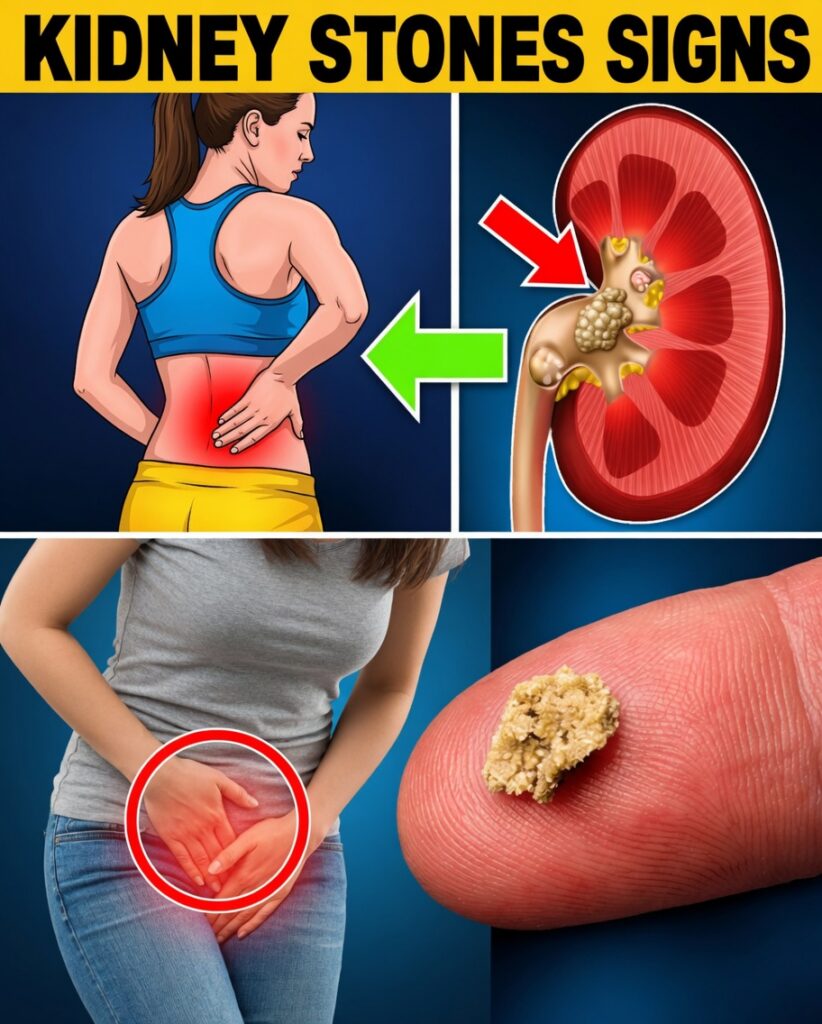
Recognizing Kidney Stone Symptoms Before They Disrupt Your Life
Many people are suddenly hit with intense discomfort that brings their day to a standstill. The severe pain and related kidney stone symptoms can interfere with work, family time, sleep, and overall quality of life. Dismissing these warning signs as minor issues may lead to more stress and serious health problems later on.
Understanding the most common kidney stone symptoms helps you spot patterns early and seek medical advice when it truly matters. Catching these signs sooner can completely change how you manage your health and your risk.
⚠️ Warning Sign #1: Severe Flank or Side Pain
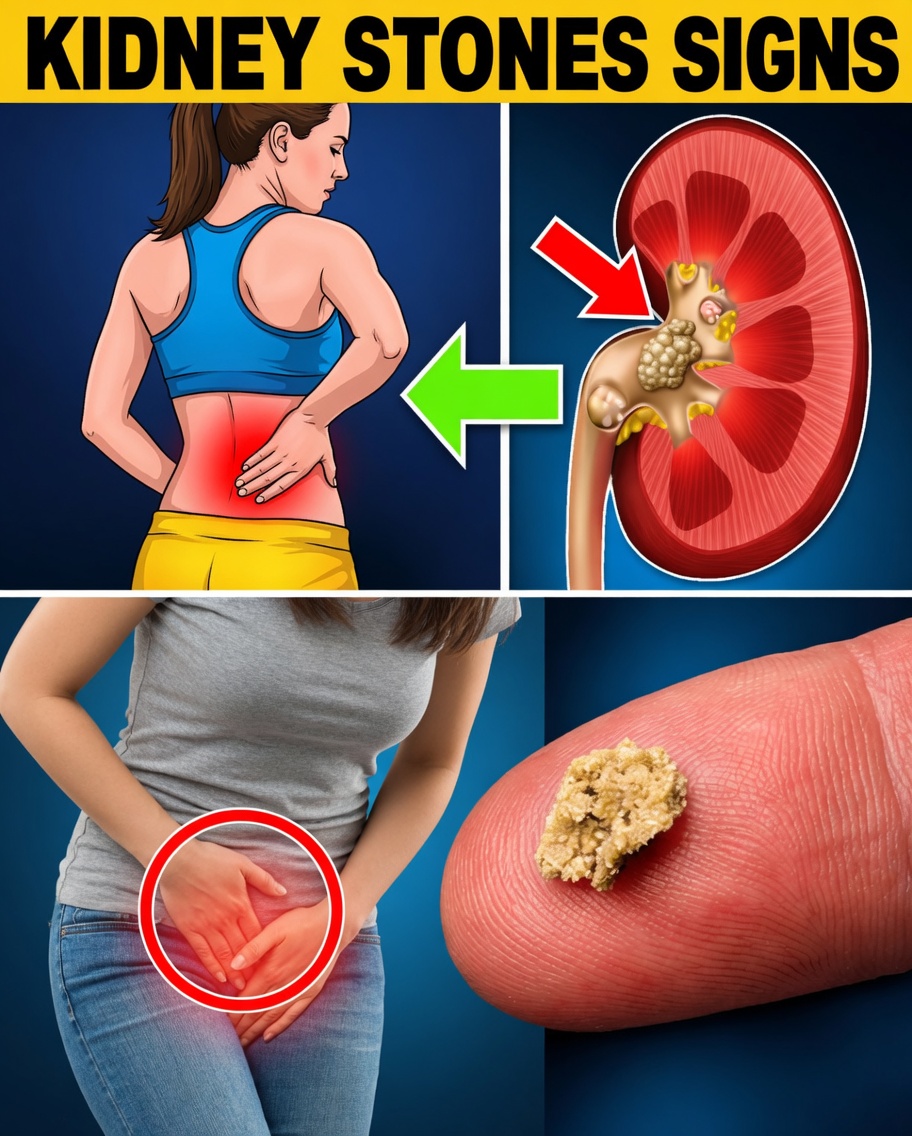
One of the classic kidney stone symptoms is sharp pain in the lower back, side, or flank area. Imagine being in the middle of a busy day when suddenly you feel stabbing waves of pain that make it hard to stand, sit, or even think clearly.
This pain is often described as one of the worst cramps you can imagine and may leave you doubled over. Research shows that this intense flank pain is the main reason many people go to the emergency room with kidney stone symptoms.
Self-check: If you suspect a kidney stone, rate your back or side pain from 1 to 10. Pain that is severe, sudden, or worsening deserves immediate attention.
⚠️ Warning Sign #2: Pain Radiating to the Lower Abdomen or Groin
As kidney stone symptoms progress, the pain can move from the back down toward the lower abdomen, pelvis, or groin. Many people find that even simple activities—walking, lifting children, or climbing stairs—become difficult when this radiating pain flares up.
The shifting location of the pain is often due to the stone moving through the urinary tract, which can make discomfort more intense and unpredictable.
Self-check: On a scale from 1 to 5, how often do you feel groin or lower abdominal discomfort together with other kidney stone symptoms?
You’ve now identified two major kidney stone symptoms—there are several more to watch for.
⚠️ Warning Sign #3: Pain That Comes in Fluctuating Waves
Kidney stone pain often follows a pattern: it builds, peaks, then eases off before returning again. These recurring waves can catch you completely off guard, disrupting meetings, family time, or even your sleep.
Experts explain that spasms in the muscles of the urinary tract contribute to this “rollercoaster” pattern of kidney stone symptoms.
Self-check: Think about your most recent episode of discomfort. Did anything—such as movement, lack of water, or certain activities—seem to trigger or worsen your symptoms?
⚠️ Warning Sign #4: Burning Sensation While Urinating
A burning or stinging feeling when you urinate is another common sign associated with kidney stone symptoms. What should be a quick, routine bathroom break can become something you dread.
When a stone is close to the bladder or urethra, it can irritate the lining of the urinary tract, leading to this burning sensation.
Self-check: When you’re experiencing symptoms, rate your comfort while urinating on a scale from 1 (no discomfort) to 10 (extremely painful).
⚠️ Warning Sign #5: Frequent and Urgent Need to Urinate
Feeling like you constantly have to rush to the bathroom—sometimes producing only a small amount of urine—is a frustrating part of kidney stone symptoms. This urgency may even wake you up multiple times during the night, affecting your sleep and energy levels.
Stones affecting the lower part of the urinary tract often trigger these repeated urges.
Self-check: If you’re worried about kidney stone symptoms, count how many times you urinate in a day and note any sudden increase in frequency or urgency.
⚠️ Warning Sign #6: Changes in Urine Color or Visible Blood
Seeing pink, red, or brown discoloration in your urine can be a significant warning sign. This change is often due to blood in the urine, which is a well-known feature of kidney stone symptoms.
Although it can be alarming, it’s also an important signal that something is wrong and should not be ignored.
Self-check: Have you noticed any unusual color in your urine—especially shades of pink or red—along with other kidney stone symptoms?

Key Kidney Stone Symptoms at a Glance
Below is a quick summary of several core kidney stone symptoms and why they matter:
| Kidney Stone Symptom | Typical Description | Why It Matters |
|---|---|---|
| Flank Pain | Sharp pain in back or side | Can severely disrupt daily life |
| Radiating Pain | Pain spreading to groin | Limits movement and comfort |
| Burning Urination | Pain or burning when peeing | Signals irritation or obstruction |
| Blood in Urine | Pink, red, or brown urine | Possible sign of kidney or urinary tract issue |
Use this as a checklist if you’re trying to track your own kidney stone symptoms.
⚠️ Warning Sign #7: Cloudy or Foul-Smelling Urine
Cloudy, murky, or unusually bad-smelling urine is another often overlooked kidney stone symptom. Many people assume it’s just dehydration and move on with their day.
However, these changes can indicate the presence of infection or other complications related to kidney stones. That makes this a sign worth noticing rather than brushing off.
Self-check: The next time you go to the bathroom, take a brief look—and, if appropriate, notice any unusual odor—especially if you already suspect kidney stone symptoms.
⚠️ Warning Sign #8: Reduced Urine Flow or Feeling Blocked
Struggling to pass urine, producing only small amounts, or feeling as though something is blocking the flow can be a worrying sign. This can be both physically uncomfortable and emotionally draining.
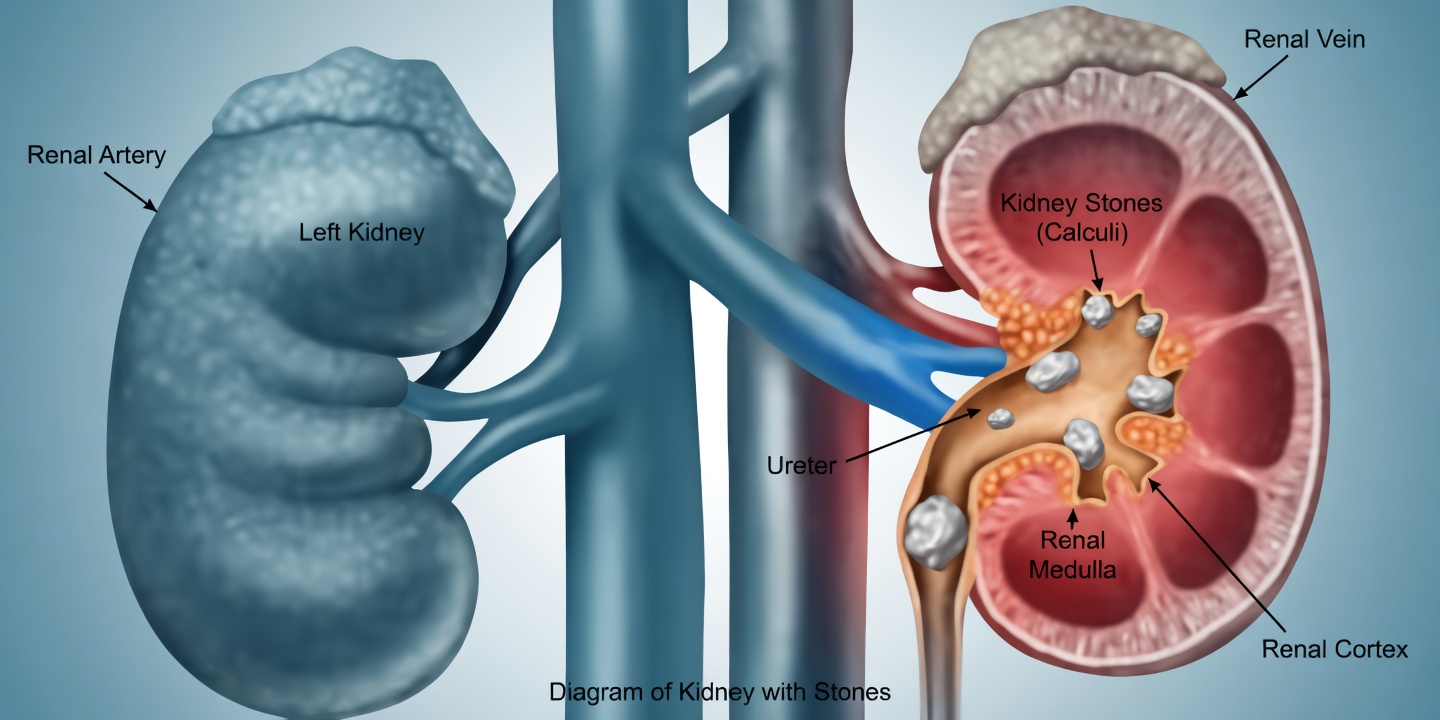
Kidney stones can partially or completely obstruct parts of the urinary tract, leading to reduced urine output and increased pressure in the kidneys.
Self-check: Pay attention to whether your urine stream feels weaker than usual or if you feel the urge to go but can only pass a small amount.
⚠️ Warning Sign #9: Nausea and Vomiting
Kidney stone symptoms don’t just affect the urinary system. Many people also experience nausea or vomiting, making it hard to eat, drink, or stick to their usual routines.
This happens because the nerves in the kidneys are closely connected to those in the digestive system, so intense kidney pain can trigger stomach upset.
Self-check: If you suspect a kidney stone, rate your nausea from 1 (no nausea) to 5 (severe nausea or vomiting) and note whether it appears along with flank or groin pain.
⚠️ Warning Sign #10: Fever and Chills
When kidney stone symptoms are accompanied by fever, chills, or feeling unusually unwell, the situation becomes more serious. This combination may signal an infection in the urinary tract or kidneys, which can be dangerous if not treated promptly.
Fever plus kidney stone symptoms is a red flag that should never be ignored.
Action point: Seek urgent medical evaluation if you experience fever or chills together with severe pain, burning urination, or difficulty passing urine.
Deeper Insights Into Kidney Stone Symptoms
Beyond immediate warning signs, several lifestyle and health factors can influence how likely you are to develop kidney stones—and how often symptoms might recur.
Insight #11: The Role of Dehydration
Not drinking enough fluids leads to concentrated urine, which can increase the risk of crystal and stone formation. This, in turn, raises the likelihood of kidney stone symptoms.
Monitoring your daily fluid intake is a simple yet powerful way to support kidney health. Many experts suggest aiming for pale-yellow or nearly clear urine as a practical hydration target.
Insight #12: Diet, Sodium, and Kidney Stone Risk
A diet high in salt and certain foods may make kidney stones more likely in some individuals. Sodium can increase calcium levels in the urine, contributing to stone formation.
Being mindful of your diet—especially cutting back on heavily processed, salty foods—can be an important step in reducing the risk of kidney stone symptoms.
Insight #13: Weight, Metabolism, and Kidney Stones
Excess body weight and some metabolic conditions have been linked to a higher incidence of kidney stones. Over time, this can increase the chances of painful kidney stone episodes.
Adopting a healthier lifestyle, including gentle daily movement such as walking, can support metabolic health and may help lower your risk of kidney stone symptoms.
Insight #14: Family History and Genetic Factors
Your genes can also influence your susceptibility to kidney stones. If close family members have had kidney stones, your own risk may be higher.
Understanding your family’s health history gives you valuable context and can motivate earlier screening, monitoring, and prevention strategies around kidney stone symptoms.
Insight #15: Infection Risks Linked to Kidney Stones
When kidney stone symptoms occur alongside signs of infection—such as fever, chills, or foul-smelling urine—careful monitoring becomes crucial. Stones can sometimes trap bacteria and make infections harder to clear.
Talking to a healthcare professional early about these combined symptoms helps you stay proactive rather than waiting for complications to develop.
You’ve now explored 15 important aspects of kidney stone symptoms—from early warning signs to lifestyle factors that influence your risk.
Actionable Tips to Support Urinary and Kidney Health
Use these practical steps to help support your urinary system and potentially reduce the risk of kidney stone symptoms:
- Aim for pale-yellow or clear urine by drinking enough water throughout the day.
- Reduce salt and highly processed foods to help lower your risk of stone formation.
- Include more fruits and vegetables in your meals to support overall kidney health.
- Maintain a healthy weight with regular, moderate physical activity such as walking.
- Schedule routine check-ups—especially if you have a family history of kidney stones or have experienced symptoms before.
- Seek medical advice promptly if you notice severe pain, blood in your urine, fever, or persistent changes in urination.