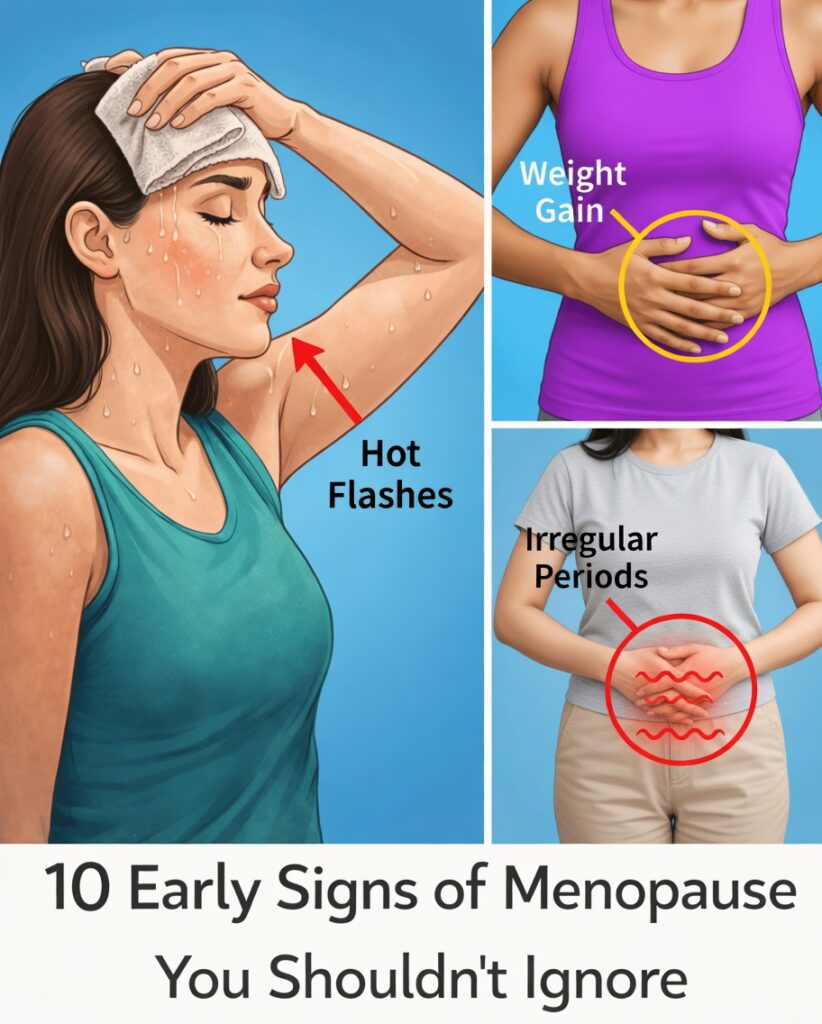
Early Menopause: Why Your Energy, Mood, and Daily Life Feel So Different
If you’re in your early 40s and suddenly hit by unpredictable slumps in energy, mood swings, and emotional turbulence, you’re not imagining it. For many women, early menopause arrives quietly, then starts disrupting work, relationships, and daily routines in ways that feel confusing and exhausting.
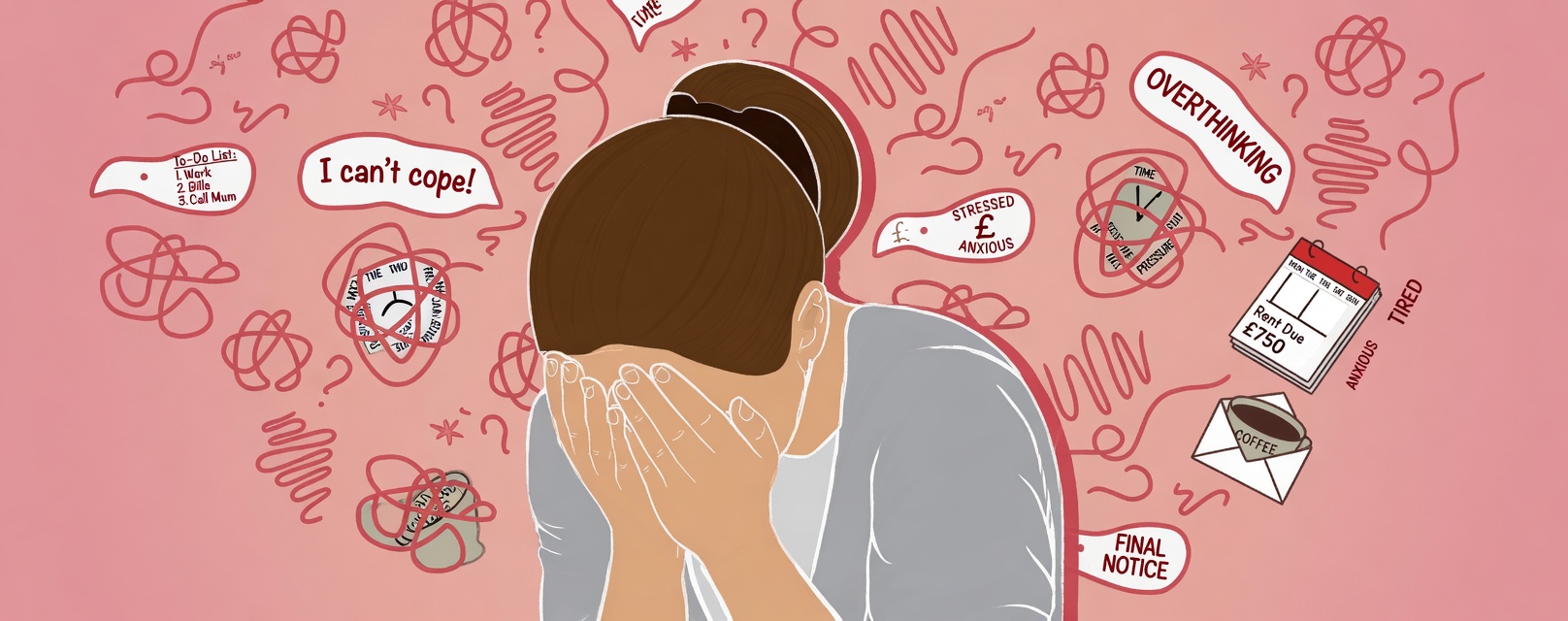
You might blame stress, overwork, or family responsibilities, yet no amount of “pushing through” seems to restore your normal self. The fatigue lingers, your patience feels thin, and your body doesn’t respond the way it used to.
The turning point often comes when you recognize these changes as possible signs of early menopause. Once you do, you can start using practical strategies to regain a sense of control and protect your long-term health. Keep reading to the end—you’ll discover a simple tracking method most women overlook that can completely shift how you manage this phase.
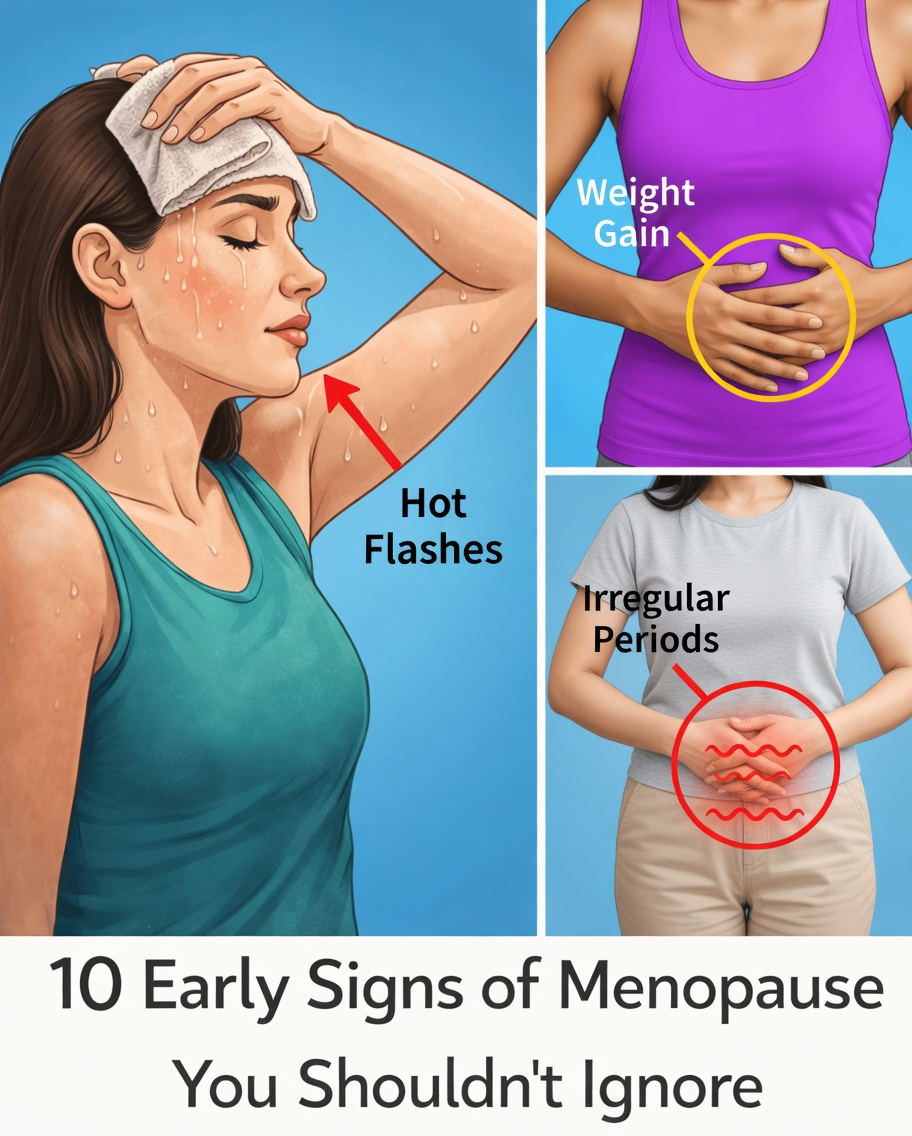
Why Early Menopause Can Hit Harder Than You Expect
Early menopause typically refers to menopause that begins before age 45. It doesn’t just mean your periods are changing; it often coincides with:
- Heavier mental load at work
- Ongoing family and caregiving responsibilities
- Limited time for rest or self-care
Hormonal fluctuations—especially dropping estrogen—can trigger fatigue that coffee can’t fix, mood changes that feel out of character, and physical symptoms that don’t seem to match your age.
Beyond day-to-day discomfort, research shows that reaching menopause earlier can mean more years of living with lower estrogen levels. Over time, this can:
- Increase certain cardiovascular risks
- Affect bone density
- Influence cognitive and emotional health
Because these shifts can be mistaken for “just getting older” or “being stressed,” many women ignore them until symptoms become disruptive. Understanding what’s really happening earlier rather than later is a crucial first step toward feeling better now and protecting your health in the future.
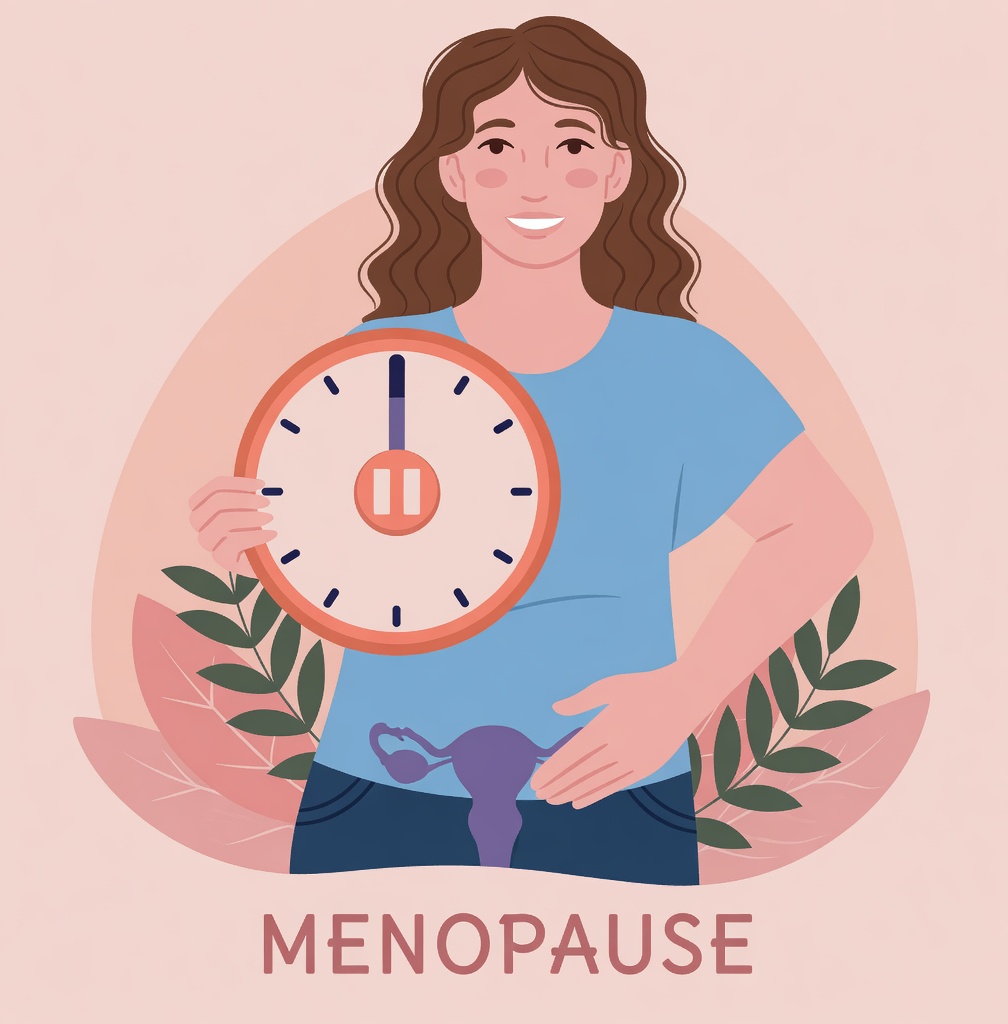
The 10 Key Signs of Early Menopause You Should Watch For
Early menopause usually doesn’t show up as just one symptom. Instead, it’s often a cluster of changes that gradually alters how you feel, think, and function.
Below are 10 common signs to look for. Noticing these patterns early can help you take action before they completely derail your routine.
1. Irregular Periods: Often the First Warning Sign
One of the earliest and most common clues is a shift in your menstrual cycle. You may notice:
- Shorter or longer cycles than usual
- Missed periods
- Unexpected spotting between periods
- Changes in flow (heavier or lighter than your norm)
The uncertainty—never quite knowing when your period will appear—can make it harder to plan work presentations, trips, or family events. Studies show these menstrual changes can begin several years before your final period, signalling that your hormones are already transitioning.
2. Hot Flashes and Night Sweats
Hot flashes and night sweats are classic menopause symptoms, and they can arrive early. They often feel like:
- Sudden waves of heat spreading through your chest, neck, or face
- Flushing, sweating, and sometimes a racing heart
- Disrupted sleep due to waking up drenched or overheated
In the daytime, they can be embarrassing—especially during meetings or social events. At night, they chip away at restful sleep, leaving you tired, foggy, and irritable the next day. Research suggests that a rapid drop in estrogen can intensify these so-called vasomotor symptoms in early menopause.
3. Vaginal Dryness and Discomfort
As estrogen levels decline, tissues in the vagina can become thinner, drier, and more fragile. This may show up as:
- Vaginal dryness
- Irritation or burning
- Painful intercourse
- Increased discomfort with tight clothing or prolonged sitting
These changes can create tension in intimate relationships and may be emotionally challenging to talk about. Checking in with yourself about how often you notice dryness or discomfort is an important early signal that your hormones may be shifting.
4. Mood Swings, Irritability, and Anxiety
Many women in early menopause report feeling:
- More easily irritated
- Emotionally volatile, swinging from fine to upset quickly
- More anxious or on edge than usual
You might find yourself wondering, “Why am I reacting like this?” or “This isn’t me.” Fluctuating estrogen can influence neurotransmitters in the brain that regulate mood, which is why emotional symptoms are so common in this phase. Studies have linked hormonal changes during menopause transitions to shifts in mood and anxiety levels.
5. Sleep Disturbances and Restless Nights
Even if you’ve always slept well, early menopause can suddenly change that. Sleep problems may include:
- Difficulty falling asleep
- Waking frequently during the night
- Early-morning awakenings and being unable to go back to sleep
- Sleep interrupted by hot flashes or night sweats
Over time, poor sleep amplifies fatigue, affects concentration, and can worsen mood symptoms. Ask yourself: if you compare your sleep now to a year ago, how different does it feel?
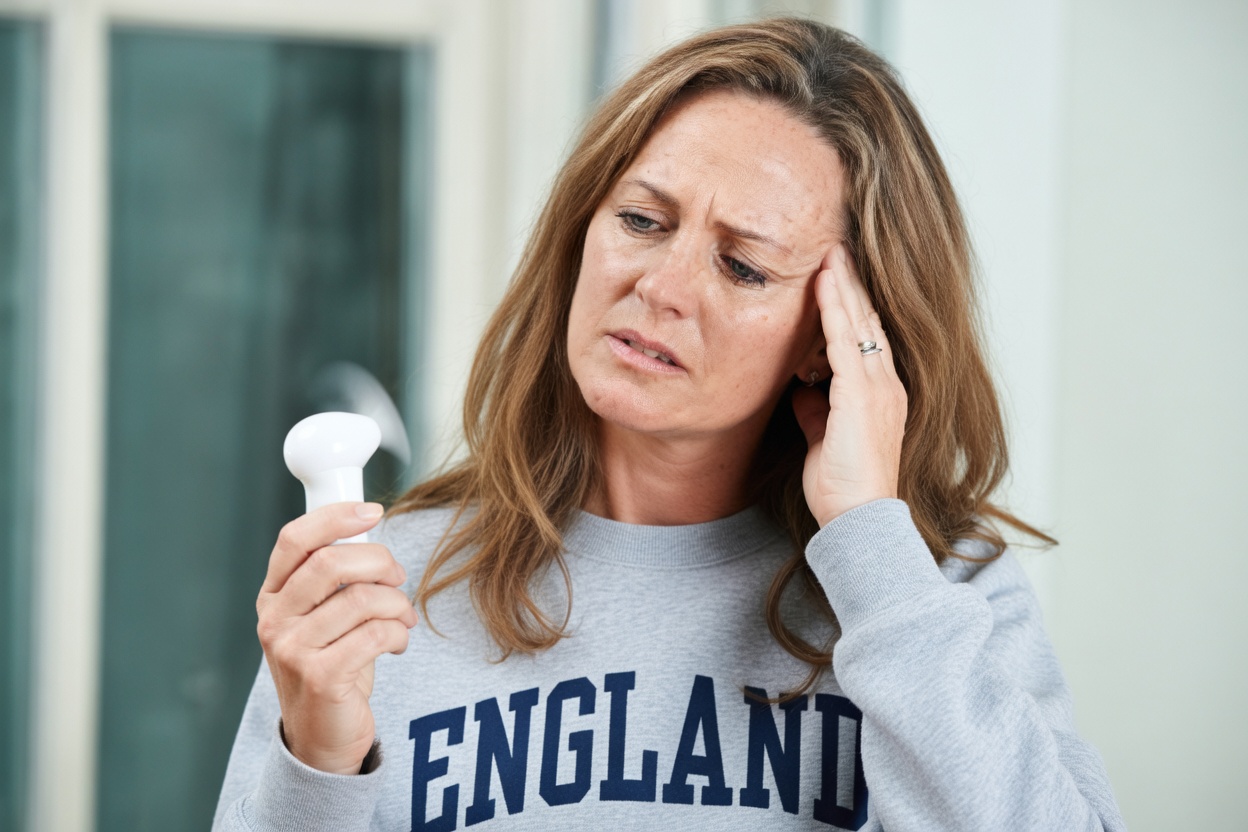
6. Persistent Fatigue and Low Energy
One of the most draining aspects of early menopause is deep, ongoing tiredness. You may:
- Wake up feeling unrefreshed, even after a full night in bed
- Hit a wall in the afternoon
- Feel like your usual stamina has disappeared
Hormonal shifts can affect metabolism, sleep quality, and how your body manages stress—all of which feed into fatigue. Think about your daily energy levels now versus six months ago. A noticeable drop can be an important sign.
7. Brain Fog and Memory Lapses
“Menopause brain” is a term many women use to describe cognitive changes during this time. Common experiences include:
- Difficulty concentrating
- Forgetting names, appointments, or words
- Feeling mentally slower than usual
Although frightening, these changes are often temporary and related to hormonal fluctuations that influence brain function. Many women say this is one of the most frustrating aspects of early menopause because it affects confidence at work and in daily life.
8. Weight Gain, Especially Around the Middle
Despite eating and exercising the same way you always have, you might notice:
- A thicker waistline
- Extra weight around the abdomen
- Clothes feeling tighter, especially at the midsection
Hormonal changes can alter how your body stores fat and may slow metabolism. This shift can be discouraging and can further impact self-esteem and motivation—particularly when it feels like nothing you do makes a difference.
9. Joint and Muscle Aches
Early menopause can bring new physical discomforts, including:
- Morning stiffness
- Achy joints or muscles
- General sense of being “creaky” or less flexible
Declining estrogen may play a role in inflammation and tissue health, which can show up as aches and pains. Many women are surprised to discover that their joint discomfort is connected not just to age, but also to hormonal changes.
10. Changes in Libido
Another common, but less openly discussed, sign of early menopause is a shift in sexual desire. You may notice:
- Reduced interest in sex
- Difficulty becoming aroused
- Discomfort or pain during intimacy due to dryness or tension
These physical and emotional factors can strain relationships and leave you feeling isolated. Addressing the underlying hormonal changes often helps improve comfort and may support a more satisfying intimate life.
Beyond the Top 10: Other Subtle Signs of Early Menopause
In addition to the more obvious symptoms, early menopause can also show up as:
- Frequent headaches or migraines
- Heart palpitations (a feeling that your heart is racing or skipping beats)
- Dry skin, dry eyes, or dry mouth
- More frequent urinary tract infections (UTIs)
- Thinning hair or increased shedding
Because these issues can be attributed to many other causes, they often go unnoticed as part of the menopause picture. Still, they can reflect the same hormonal shifts—especially declining estrogen—that drive other symptoms.
The One Tracking Tip Most Women Overlook
One of the most powerful tools you can use in early menopause is also one of the simplest: tracking your symptoms consistently.
For 2–3 months, try:
- Choosing a system you’ll actually use: a notes app, a dedicated tracking app, or a paper journal.
- Recording key details daily or several times a week, such as:
- Sleep quality
- Mood and anxiety levels
- Energy and fatigue
- Any hot flashes, night sweats, or cycle changes
- Pain, headaches, or other physical symptoms
- Noting your menstrual cycle dates and any irregularities.
Within weeks, patterns often become very clear. This information not only validates your experience, it also gives your doctor a concrete picture to work with, making it easier to get appropriate support, testing, or treatment.

Real Stories: How Early Action Changes the Experience
Sarah, 42 – Executive with “Out-of-Control” Cycles
Sarah, a 42-year-old executive, started noticing that her once-regular cycle had become chaotic. She initially blamed work stress and travel. When she began tracking her symptoms, she saw a consistent pattern: irregular periods, intense fatigue, and mood swings clustered around certain times in her cycle.
Armed with this data, she spoke with her doctor, confirmed she was in early menopause, and made targeted lifestyle changes—adjusting her sleep routine, nutrition, and stress management. Within months, her energy improved, and she felt more grounded and less frustrated by sudden changes.
Emily, 41 – Teacher Overwhelmed by Hot Flashes
Emily, a 41-year-old teacher, found her lessons interrupted by sudden, embarrassing hot flashes and nights ruined by sweat-soaked sheets. She felt unfocused in the classroom and worried about her performance.
With guidance from a healthcare provider, she explored tailored options—ranging from cooling strategies and sleep hygiene to medical treatments suited to her health profile. As her symptoms eased, her confidence in front of her students returned, and she felt more like herself again.
Stories like Sarah’s and Emily’s show that recognizing early menopause and acting on it can dramatically improve your day-to-day life and emotional well-being.
The Hidden Health Risks of Early Menopause
Early menopause isn’t only about immediate symptoms—it also has longer-term health implications because your body spends more years with lower estrogen levels. Research has linked early menopause to:
- Higher cardiovascular risk: Estrogen appears to have a protective effect on heart and blood vessel health; earlier loss can increase the risk of heart disease over time.
- Increased chance of bone density loss: Lower estrogen accelerates bone loss, raising the risk for osteopenia and osteoporosis.
- Potential changes in cognitive function: Some studies suggest earlier menopause may be associated with subtle shifts in memory and thinking skills later in life.
These possibilities can feel worrying, but they’re also powerful motivation to be proactive. Lifestyle adjustments, regular checkups, and discussing appropriate medical options with your doctor can significantly support your long-term health.
Mid-Article Quiz: How Aware Are You of Early Menopause?
Take a moment to answer these questions in your mind. They’re not a diagnosis—but they can help you gauge whether it’s time to look more closely at what your body is telling you:
- Have your periods become noticeably less predictable in the past 6–12 months (timing, flow, or both)?
- Do you experience sudden heat waves, flushing, or night sweats at least a few times a week?
- Have you noticed a clear drop in energy or stamina that doesn’t match your usual stress or workload?
- Do mood swings, irritability, or anxiety feel more intense or more frequent than they used to?
- Has your sleep quality declined—even when you keep a consistent bedtime?
- Have you gained weight around your midsection despite similar eating and exercise habits?
- Are intimacy or vaginal comfort different enough that you’re avoiding sex or dreading it?
If several of these questions feel like they describe you, it may be time to start tracking your symptoms and speaking with a healthcare professional about the possibility of early menopause.
Moving Forward: Turning Confusion into Clarity
Early menopause can make you feel like your body has changed the rules without warning. But you’re not powerless in this process.
To move from confusion to clarity:
- Acknowledge what you’re experiencing. Your symptoms are real, not “just in your head” or simply stress.
- Track your patterns. Use the 2–3 month tracking tip to collect meaningful, objective information.
- Talk to a professional. Share your symptom history with a doctor or menopause-informed provider to explore options—from lifestyle strategies to medical treatments.
- Prioritize long-term health. Ask about heart health, bone density, and cognitive support so you’re protecting your future as well as your present.
By understanding the signs of early menopause and acting early, you give yourself the best chance to feel more stable, energized, and in control—both today and in the years ahead.