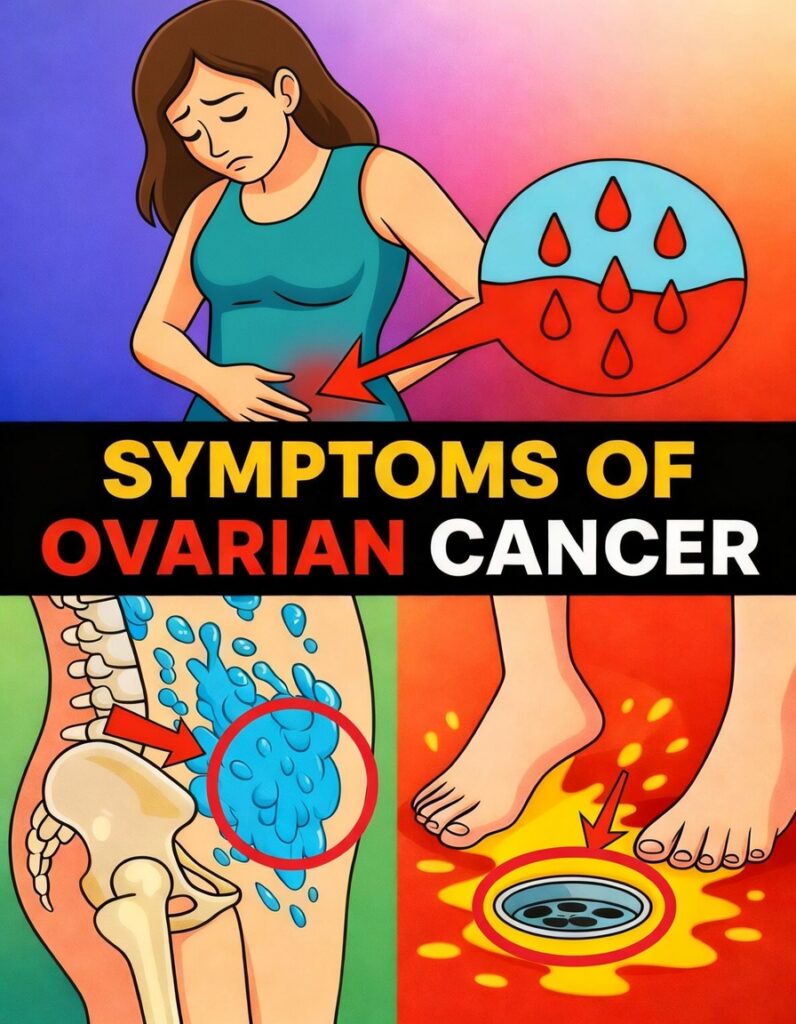
Understanding the Link Between Ovarian and Breast Cancer
Many women feel a surge of anxiety when they hear that a mother, sister, aunt, or grandmother has been diagnosed with ovarian or breast cancer. With each new story of treatment or early detection, concern about personal risk can grow. Learning how ovarian and breast cancer can be connected, however, gives you a clearer picture of your own health and helps you have more informed, confident conversations with your doctor.
The information below explains how these two cancers can be linked, what family patterns to watch for, and which steps you might consider next. Understanding this connection may change how you approach your long-term health planning.
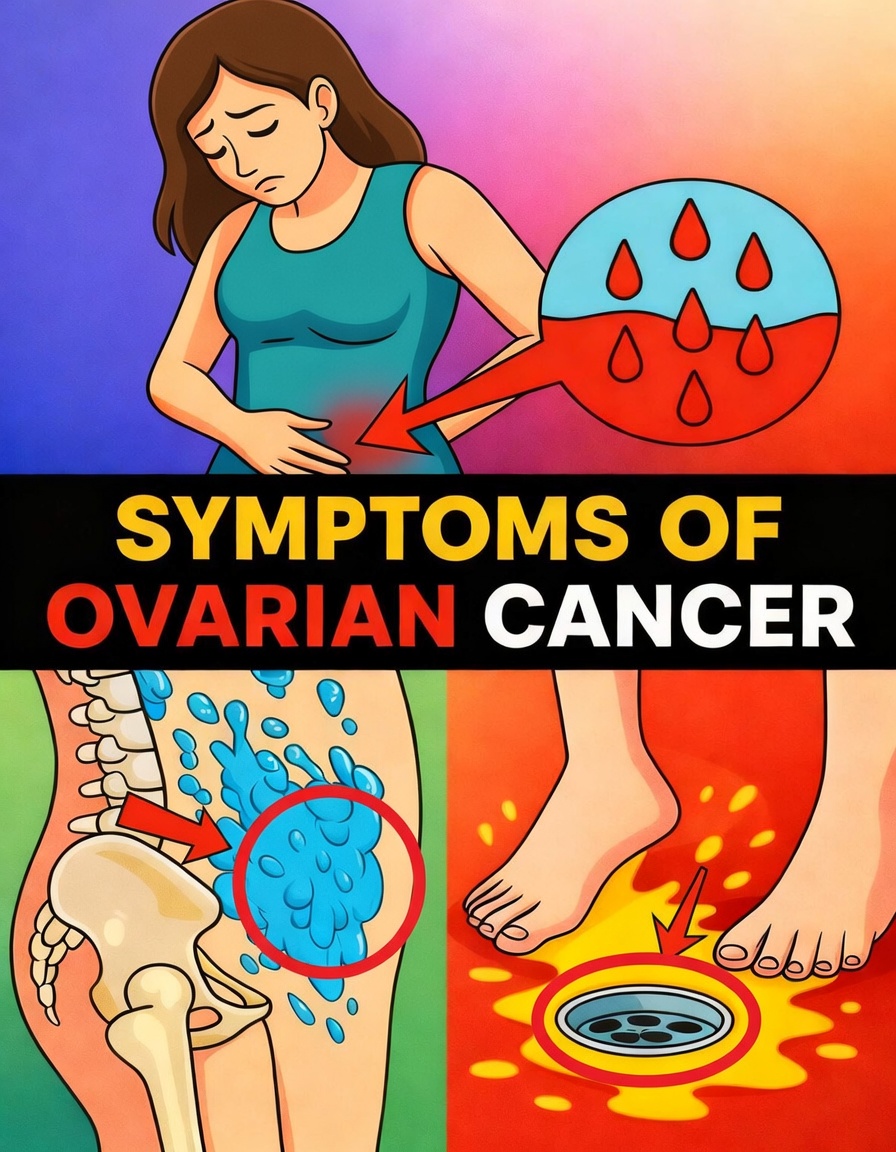
Why the Connection Between Ovarian and Breast Cancer Matters
Families are often surprised when more than one close relative develops breast or ovarian cancer. Health specialists know that in a smaller subset of cases, both cancers can be related through inherited factors. These inherited influences can create a shared risk that many people are not initially aware of.
Recognizing a possible link between ovarian and breast cancer can help you:
- Notice patterns in your family that you might otherwise overlook
- Ask more focused questions during medical appointments
- Decide whether genetic counseling or earlier screening could be helpful
This is not about living in fear. It is about turning worry into knowledge so you and your healthcare team can make proactive, informed decisions.
Importantly, this connection explains only a minority of breast and ovarian cancer cases. Most women will never develop either cancer, even if there is some family history. But for those who do have a higher inherited risk, understanding the link can open doors to better prevention and early detection strategies.
The Main Cause Behind the Link: Inherited Genetic Changes
In many families where both ovarian and breast cancer appear, the shared risk is driven by inherited changes (mutations) in certain genes. These genes help control how cells grow, divide, and repair damage. When they do not function properly, the chance of developing certain cancers can increase.
Researchers have identified genes—such as BRCA1 and BRCA2, among others—that can raise the likelihood of both breast and ovarian cancer when altered. These inherited changes can be passed from one generation to the next, affecting multiple relatives.
Women who discover this genetic explanation for the pattern they see in their family often feel a sense of clarity. It helps answer the question, “Why does this keep happening in our family?” At the same time, not every case of breast or ovarian cancer is caused by inherited gene changes, and many families with these cancers will not carry a known mutation.
Family history is only one part of the picture. The next key step is understanding when it might make sense to explore genetic testing or counseling.

Family Patterns That May Point to a Shared Risk
Certain family patterns can suggest a possible link between ovarian and breast cancer:
- Breast cancer diagnosed at a younger age (often before 50) in close relatives
- Ovarian cancer at any age in your family
- Multiple family members on the same side of the family with breast and/or ovarian cancer
- A relative with cancer in both breasts or with both breast and ovarian cancer
Sometimes, simple conversations at home reveal these patterns. Asking relatives about their diagnoses, ages at diagnosis, and which side of the family they are on can uncover important details.
Many women only recognize a potential connection after asking specific questions like:
- “Has anyone had ovarian cancer in our family?”
- “How old was Aunt or Grandma when she was diagnosed with breast cancer?”
This awareness does not mean you are destined to develop cancer. It simply helps you and your doctor decide whether further evaluation is appropriate.
When to Consider Genetic Counseling and Testing
If your personal or family history includes breast or ovarian cancer, you may wonder whether there is an inherited link. Genetic counseling can help you sort through this question in a structured, supportive way.
A genetic counselor or qualified healthcare professional can:
- Review your family tree and medical history in detail
- Estimate whether there may be a hereditary cancer syndrome
- Discuss the pros and cons of genetic testing
- Explain what positive, negative, or uncertain results could mean for you and your relatives
Genetic testing is a personal choice and is best made with professional guidance, not through self-assessment alone. Many women feel more at ease after talking with an expert and, if appropriate, undergoing testing. Even when no mutation is found, the process can clarify your risk level and screening options.
Your doctor can also explain how a confirmed genetic link between ovarian and breast cancer could change your screening schedule, such as starting mammograms or other exams earlier than the general population.

Mid-Article Check-In: Reflect on Your Own Story
Pause for a moment and consider:
-
How many cancers are part of this link between ovarian and breast cancer?
- Answer: 2 main ones—ovarian cancer and breast cancer.
-
What is one health detail about your family that you have been curious or uncertain about?
-
On a scale of 1–10, how informed do you feel right now about the possible connection between ovarian and breast cancer?
-
Which upcoming topic do you expect will help you most—screening options, lifestyle choices, or practical next steps?
By asking these questions, you are already moving from passive worry to active engagement with your health.
Screening Options When There May Be a Shared Risk
When there is a known or suspected connection between ovarian and breast cancer in your family, regular medical check-ups take on even greater value. Your healthcare provider may recommend a more tailored screening plan based on your personal and family history.
Depending on your situation, this might include:
- Starting breast imaging (such as mammograms or MRI) at an earlier age
- Having breast imaging more frequently than standard guidelines
- Discussing available approaches to monitor ovarian health, especially if you carry a known genetic mutation
- Considering additional risk-reduction options if your inherited risk is high
Understanding the potential link between ovarian and breast cancer does not mean your daily life must change overnight. However, it can guide more attentive, personalized care and encourage you to stay consistent with recommended appointments.
Lifestyle factors still matter, too. Even when an inherited risk exists, healthy daily choices can support your overall wellbeing.
Lifestyle Choices to Support Your Health
While genetics cannot be changed, your everyday habits are within your control. Certain lifestyle choices can support your general health and complement what you learn about the link between ovarian and breast cancer:
- Maintain a healthy weight: Aim for a stable, balanced weight through nutritious eating and activity.
- Stay physically active: Regular movement—such as walking, cycling, or swimming—supports overall health and may help reduce cancer risk.
- Limit alcohol: Keeping alcohol intake modest or avoiding it altogether can be beneficial.
- Avoid smoking: If you smoke, ask your healthcare provider about resources to help you quit.
- Prioritize sleep and stress management: Rest and stress reduction play a role in long-term wellness.
These steps are helpful whether or not you have an identified inherited risk. Knowing there might be a link between ovarian and breast cancer often motivates women to take small, steady actions that build long-term confidence.
Quick Comparison: Common Concerns and How the Link May Show Up
Here is a simple overview of how typical concerns can relate to the connection between ovarian and breast cancer, along with supportive steps to consider:
| Concern | How the Link Between Ovarian and Breast Cancer May Appear | Supportive Steps |
|---|---|---|
| Family history | Multiple relatives with breast or ovarian cancer | Discuss genetic counseling with your doctor |
| Younger diagnosis | Breast cancer diagnosed before age 50 | Ask about earlier or enhanced screening |
| Personal diagnosis | Having one of the cancers and wondering about risk for the other | Ongoing follow-up and monitoring with your healthcare team |
| General risk | Combination of lifestyle factors and possible inherited influences | Focus on healthy habits and regular check-ups |
This comparison shows how the possible link fits into a broader picture of health awareness, rather than standing alone.
Small Steps That Can Make a Big Difference
Imagine feeling more prepared and less uncertain because you understand how ovarian and breast cancer can be connected. You do not need to change everything at once; even one intentional step can create momentum.
Here are some practical ideas:
- Review your family health history with a trusted relative this week.
- Schedule a medical appointment to talk specifically about your risk and the potential link between ovarian and breast cancer.
- Add one daily action that supports your body, such as a short walk or a more nutrient-dense meal.
- Save or bookmark reliable resources about hereditary cancer risk for future reference.
Remember, the link between ovarian and breast cancer is only one part of your overall wellness story. Your healthcare, lifestyle, and support systems all play vital roles.

Important Reminder
This article is for informational purposes only. It is not medical advice and does not replace a consultation with a qualified healthcare professional. Always speak with your doctor or healthcare provider before making decisions about genetic testing, screening, treatment, or lifestyle changes—especially if you have existing health conditions or concerns about your family history.
Frequently Asked Questions About the Link Between Ovarian and Breast Cancer
How common is the link between ovarian and breast cancer in most families?
The shared genetic link between ovarian and breast cancer accounts for only a portion of all cases. Many families with one or even several cancer diagnoses do not have a known hereditary mutation. However, when multiple relatives are affected—especially at younger ages—the chance of an inherited connection increases. Discussing your family history with a doctor or genetic counselor is the best way to understand your individual situation.
Which genes are most often involved in this connection?
The most widely known genes associated with an increased risk of both ovarian and breast cancer are BRCA1 and BRCA2. Changes in other genes can also play a role. Genetic testing panels typically look for several of these genes at once. Only a healthcare professional or genetic counselor can help determine which tests, if any, are appropriate for you.
Should everyone be tested for genetic risk?
No. Genetic testing is usually recommended for people whose personal or family history suggests a higher chance of an inherited cancer risk. This can include early-onset breast cancer, ovarian cancer at any age, multiple affected relatives, or a known mutation in the family. Testing without medical guidance can be confusing, so it is important to talk with a professional first.
What if I have no family history—can I still be at risk?
Yes. Many women who develop breast or ovarian cancer have no known family history and no identifiable genetic mutation. Age, hormonal factors, reproductive history, and lifestyle all contribute to risk. Even without a family history, staying up to date with routine screening and maintaining healthy habits remains important.
Can lifestyle changes remove my genetic risk?
Lifestyle changes cannot erase inherited genetic risk, but they can support your overall health and may help lower your chances of developing certain cancers. Regular activity, a balanced diet, limited alcohol, and avoiding smoking are all beneficial. If you have a confirmed hereditary risk, your doctor may also recommend additional medical strategies beyond lifestyle changes.