Why Vertical Ridges on Fingernails Happen and What You Can Do About Them
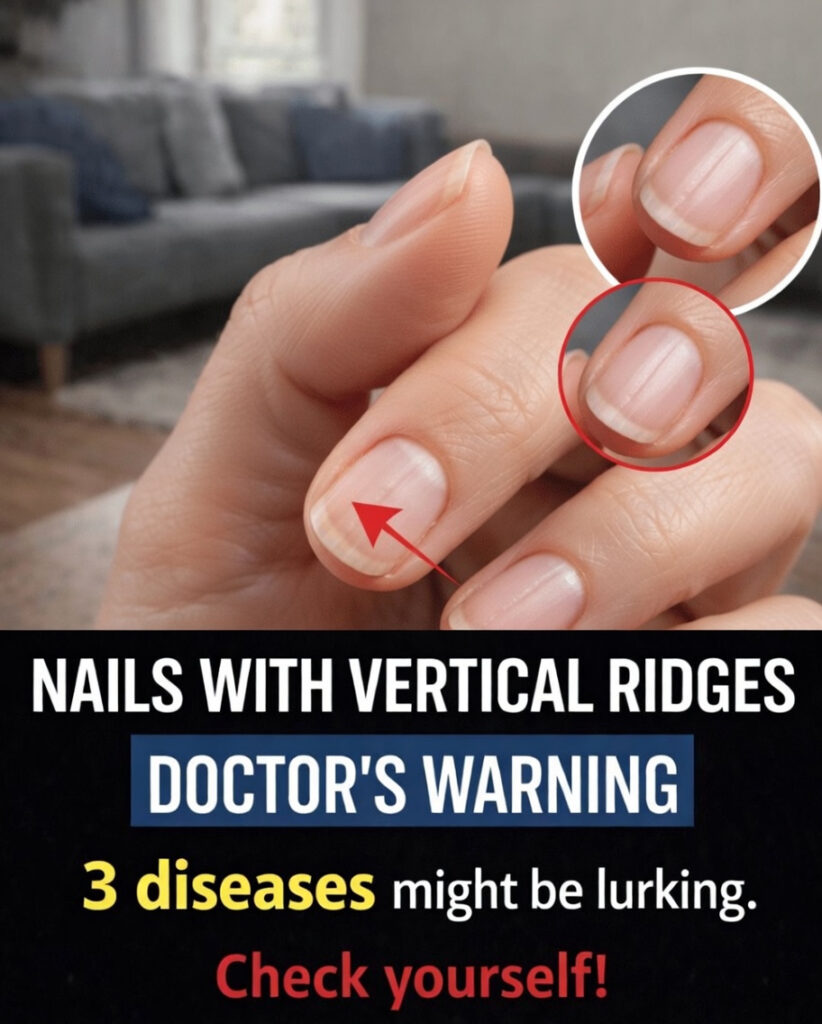
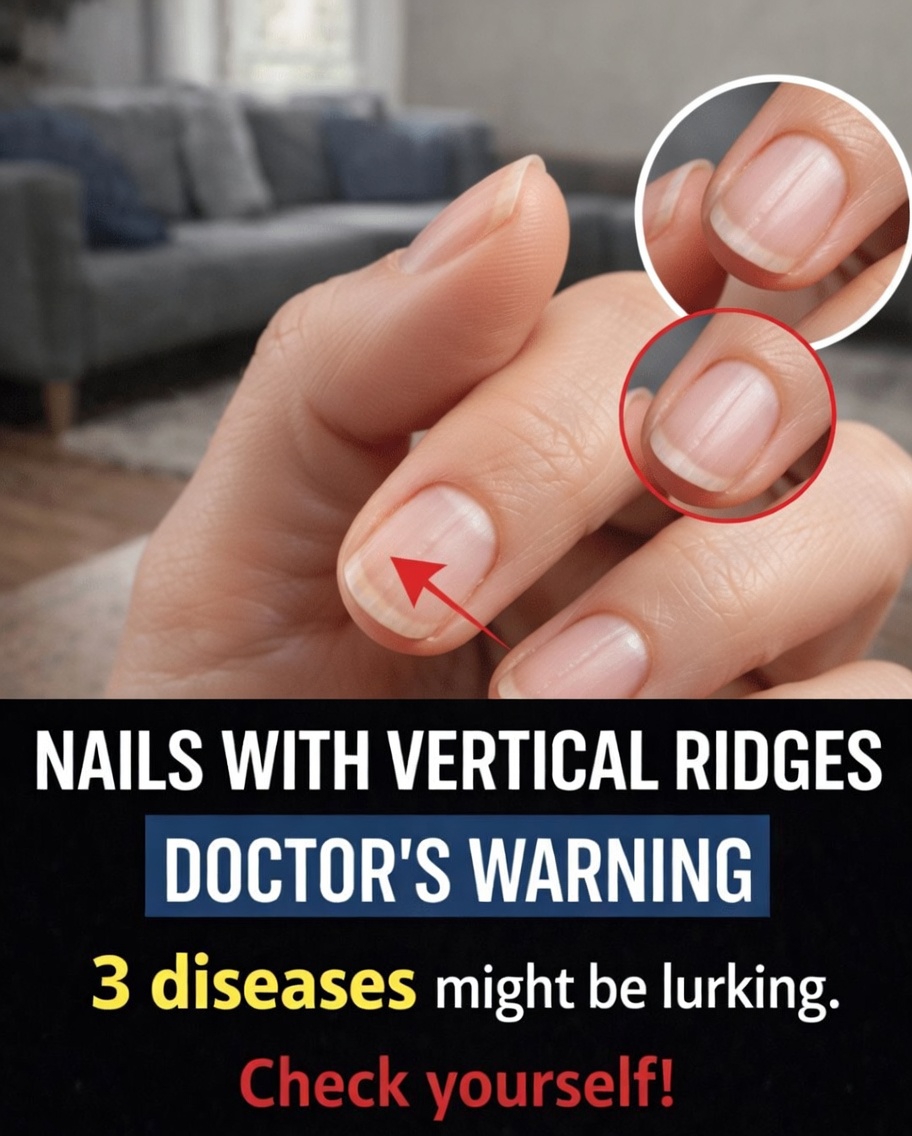
When you look at your hands while typing, cooking, or holding a cup of coffee, you may notice fine lines running from the cuticle to the tip of the nail. These vertical ridges can make nails seem older, rougher, or less healthy than you want them to look. For many people, they become more visible with time, which can be disappointing if neat, healthy-looking hands matter to you.
The encouraging part is this: once you understand what causes vertical nail ridges, you can take simple daily steps to help your nails look smoother and feel stronger.
Even better, small adjustments to your routine can have a noticeable impact over the next few weeks and months.
What Causes Vertical Ridges on Fingernails?
Vertical ridges, often called longitudinal ridges or striations, are extremely common. Dermatology experts and medical sources explain that they are often linked to the natural aging process. As the body gets older, the nail matrix, which produces new nail cells, may slow down. This change can make lines in the nails stand out more clearly, much like fine lines that develop in the skin over time.
Dryness is another major factor. Nails need moisture to stay smooth and flexible. When the body is dehydrated or the nail plate loses moisture, the surface may become rougher and more ridged. Frequent handwashing, strong soaps, cleaning products, and inadequate water intake can all make these lines more visible.
Nutrition can also influence nail appearance. Nails depend on protein to build keratin, along with nutrients such as iron and zinc. If your diet lacks these essential building blocks, nails may look more brittle, dry, or lined. Although nail ridges alone cannot diagnose a deficiency, nutrient balance still plays a role in nail health.
Sometimes, more pronounced or sudden ridging may be associated with skin issues such as eczema or very dry skin, as well as other underlying health factors. That is why it helps to look at your overall habits and general health, not just the nail itself.
Are Vertical Nail Ridges a Serious Problem?
In most cases, no. For many adults, especially people over 50, mild vertical ridges are considered a normal age-related change. Trusted medical sources such as the Mayo Clinic note that these ridges are usually harmless and do not automatically point to a serious condition.
However, you should pay closer attention if the ridges:
- Become very deep
- Show up suddenly
- Appear along with nail discoloration
- Cause splitting or severe brittleness
- Are accompanied by pain
Horizontal lines, often called Beau’s lines, usually deserve more medical attention than vertical ridges because they can sometimes reflect stress or illness affecting the body.
The takeaway is simple: vertical ridges are usually cosmetic, but healthy routines can still improve the way your nails look and feel.
Daily Habits That Can Improve Nail Appearance
You do not need costly treatments or salon products to support better-looking nails. A few consistent habits can help maintain moisture and reduce further dryness.
Here are easy steps you can start today:
- Moisturize every day: Use a rich hand cream or cuticle oil on your nails and the surrounding skin each morning and evening. Ingredients such as shea butter, jojoba oil, and vitamin E can help hold in moisture.
- Drink enough water: Steady hydration throughout the day helps support nail moisture from within. Dry nails tend to show ridges more clearly.
- Protect your hands: Wear gloves while washing dishes, cleaning, or using household chemicals. This helps preserve your skin and nails' natural oils.
- Handle manicures gently: Limit frequent use of acrylics, gel polish, and harsh filing methods. Give nails time without polish so they can recover.
These small practices may seem minor, but they can make a real difference over time.
Nutrition Tips That May Support Stronger, Smoother Nails
Your diet affects the way nails grow and how they appear. No single food will erase ridges overnight, but eating a balanced, nutrient-rich diet can support healthy keratin production.
Try to include these foods regularly:
- Protein sources: Eggs, fish, poultry, beans, nuts, and lean meats help provide the main structural material nails need.
- Iron-rich foods: Spinach, lentils, and red meat can support healthy nail growth. Pair them with vitamin C-rich foods to improve iron absorption.
- Zinc-containing foods: Pumpkin seeds, seafood, and chickpeas are useful additions for nail-supportive nutrition.
- Fruits and vegetables: These provide vitamins, antioxidants, and hydration that benefit overall health, including nails.
Many health professionals suggest focusing on a varied diet instead of depending only on supplements. If you think you may be low in a certain nutrient, speak with your doctor before starting a new supplement routine. Research on nutrition and nail health is promising, but results differ from person to person.
Quick Comparison of Nail-Friendly Habits
Here is a simple look at choices that can support healthier-looking nails:
-
Moisture
- Better choice: Daily cream or cuticle oil
- Less helpful choice: Using moisturizer only occasionally
- Why it matters: Regular application keeps nails softer and less dry
-
Hydration
- Better choice: Drinking plenty of water throughout the day
- Less helpful choice: Relying mostly on sugary drinks
- Why it matters: Water helps support nail moisture from the inside
-
Protection
- Better choice: Wearing gloves for chores
- Less helpful choice: Exposing bare hands to water and detergents
- Why it matters: Gloves reduce moisture loss and chemical irritation
-
Diet
- Better choice: Balanced meals with protein and minerals
- Less helpful choice: Highly processed foods with low nutrient value
- Why it matters: Nails need nutrients to grow well
A Simple Nail Care Routine to Start This Week
If you want a practical plan, try this easy routine:
- Each evening after washing your hands, dry them gently and massage cuticle oil or hand cream into every nail and cuticle for 30 to 60 seconds.
- Drink one full glass of water with each meal and keep a water bottle nearby during the day.
- Once a week, use a soft nail buffer very gently if the ridges feel rough. Avoid excessive buffing, since that can thin the nail.
- Trim nails straight across with sharp clippers, then smooth the edges with a file to help prevent snags and breaks.
- Leave one or two weeks between polish or gel applications so nails can rest.
When these habits are repeated consistently, many people notice less dryness and a smoother nail surface within a few weeks.
When to See a Doctor or Dermatologist
Although vertical ridges are often harmless, some nail changes should not be ignored. It is a good idea to speak with a healthcare professional if you notice:
- Sudden or dramatic changes in nail texture
- Color changes
- Pain
- Splitting that gets worse
- Other symptoms such as fatigue or general unwellness
A doctor or dermatologist can assess whether the ridges are simply age-related or whether another issue should be explored.
It is also important to remember that nails grow slowly. Fingernails typically grow about 3 millimeters per month, so visible improvement takes time.
FAQ
Do vertical ridges on nails disappear completely?
Not always. Better hydration and nail care can make them less noticeable, but some ridging may remain as a normal part of aging. The goal is usually improvement, not perfection.
Can stress or lack of sleep cause vertical nail ridges?
Stress and poor sleep can affect overall wellness and may indirectly influence nail growth. However, vertical ridges are more commonly associated with aging, dryness, and nutritional factors.
Do supplements help with vertical nail ridges?
Some people try biotin or other supplements, but the evidence is mixed. A balanced diet should come first, and any supplement should be discussed with a healthcare provider.
Final Thoughts
Vertical ridges on fingernails are common and often harmless, especially as you age. The good news is that you are not powerless. By focusing on hydration, gentle nail care, hand protection, and nutritious food, you can support healthier-looking nails day by day.
Disclaimer
This article is intended for informational purposes only and is not medical advice. Changes in the nails can sometimes reflect broader health issues. Always consult a qualified healthcare professional for personalized advice about your health or any concerns related to your nails.