
Rebalancing Your Body’s Natural Detox Systems
Modern life overloads your body with highly processed foods, chronic stress, and environmental toxins. Over time, this can strain your internal systems and leave you feeling tired, sluggish, and out of sync. That buildup often shows up as everyday complaints—ongoing fatigue, digestive issues, or low, inconsistent energy—without you realizing how hard your organs are working behind the scenes.
The good news: you don’t need extreme cleanses or complicated programs. Simple, consistent habits can gently support the natural detox pathways of each major organ and help your whole body function more smoothly. Keep reading all the way to the end, where you’ll discover one simple daily ritual that brings all these organ detox strategies together for long-term benefits.
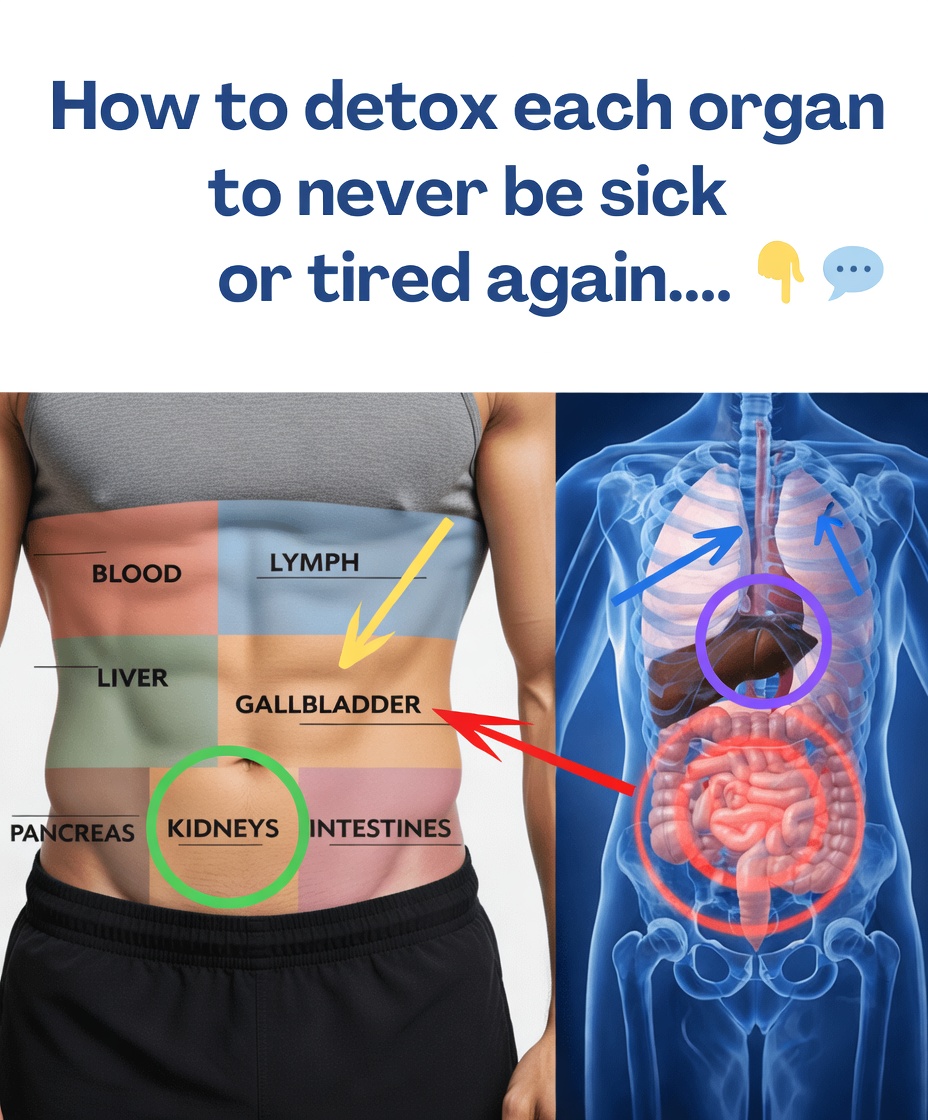
Liver: Your Primary Detox Powerhouse
When it comes to supporting the detox of each organ, the liver is the front-line defender. It filters your blood, processes toxins from food and the environment, and helps manage metabolism. If you often feel heavy, sluggish, or tired after meals, your liver may be asking for more support.
Research indicates that certain nutrients can help the liver’s natural detoxification pathways work more efficiently. The encouraging part is that you can start supporting your liver with straightforward food choices—no complex regimes required.
Try incorporating more liver-loving foods into your daily meals to enhance natural organ detox:
- Fresh ginger and turmeric
- Garlic and green tea
- Cruciferous veggies such as broccoli, cauliflower, and kale
- Citrus fruits, especially lemon and lime
Pair these foods with plenty of water and a reduction in processed sugars and unhealthy fats. Over time, many people notice clearer energy and a greater sense of vitality when they consistently care for their liver.
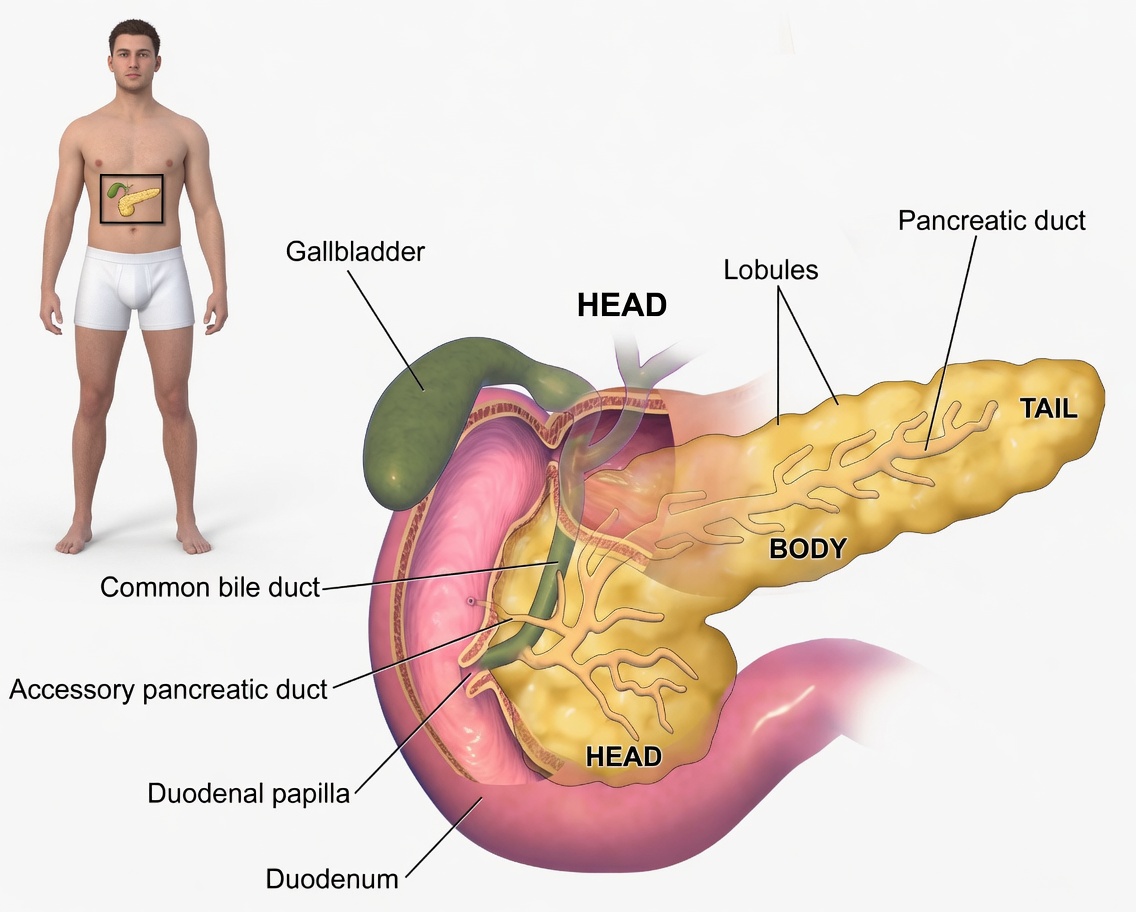
Gallbladder: Supporting Fat Digestion and Comfort
The gallbladder works closely with the liver and plays an important role when you want to detox each organ effectively. It stores bile, which helps break down dietary fats. Poor eating habits over the long term can make this organ work harder than it should, sometimes leading to bloating or discomfort after rich meals.
To keep your gallbladder functioning smoothly as part of a holistic organ detox plan, focus on two key pillars: hydration and fiber.
Helpful strategies include:
- Drinking sufficient water throughout the day
- Avoiding frequent, heavy, high-fat meals
- Increasing insoluble fiber from vegetables, whole grains, beans, and seeds
Some people also consider herbal options like peppermint tea or milk thistle after speaking with a health professional. A balanced diet that’s lower in saturated fats and higher in whole foods can be a powerful ally in ongoing gallbladder support.
Blood: The Body’s Detox Transport System
Your blood is the delivery and removal system for your entire body. It carries nutrients to your cells and helps transport waste products away from organs. When circulation is sluggish due to inactivity, poor diet, or dehydration, you may notice cold hands and feet, low stamina, or an overall sense of reduced vitality.
Supporting healthy blood flow is a key part of an “detox each organ” approach. Antioxidant-rich foods in particular can be very helpful.
Consider adding more of these to your routine:
- Blueberries, raspberries, and other deeply colored berries
- Beets and beet juice
- Dark leafy greens like spinach, chard, and arugula
- Traditional herbs such as burdock root (with professional guidance)
Staying consistently hydrated helps keep your blood from becoming overly “thick” and supports smoother circulation—an essential piece in any natural organ detox strategy.

Lymphatic System: The Overlooked Detox Network
Your lymphatic system is a crucial but often forgotten part of full-body detox. It moves lymph fluid, helps filter waste, and plays a central role in immune defense. When this system slows down, you might experience puffiness, fluid retention, or general fatigue that makes daily life feel more draining.
The lymphatic system responds especially well to movement and gentle stimulation:
- Engage in daily movement like walking, light cardio, or yoga
- Try dry brushing your skin in upward strokes toward the heart
- Consider occasional lymphatic drainage massage from a trained therapist
In addition, drinking plenty of water and reducing highly processed, salty, or sugary foods can make it easier for your lymph system to do its job. When you support lymph flow as part of your detox-each-organ plan, you may feel lighter and more energized.
Pancreas: Balancing Blood Sugar and Digestion
The pancreas plays a key role in both digestion and blood sugar regulation, making it an important part of any organ detox strategy. When your diet is heavy in processed carbohydrates, sugary snacks, or large, irregular meals, the pancreas can become overworked. This often shows up as energy crashes, sugar cravings, or irritability between meals.
Anti-inflammatory foods are particularly helpful for supporting pancreatic health.
You might:
- Include pineapple and lemon in smoothies or water
- Add turmeric to soups, stir-fries, or teas
- Emphasize whole, unprocessed foods to stabilize blood sugar
Maintaining a healthy body weight through balanced eating and regular movement also supports the pancreas. Over time, steadier blood sugar can translate to more consistent energy and fewer cravings.

Intestines: The Core of Daily Detox
Your intestines handle a large share of the detox workload for each major organ. They break down food, absorb nutrients, and eliminate waste. When things move too slowly or the gut environment is out of balance, you may experience bloating, discomfort, and brain fog that affects mood and productivity.
Instead of harsh cleanses, focus on gentle, sustainable habits to support intestinal health:
- Drink ample water throughout the day
- Eat plenty of fiber from vegetables, fruits, legumes, and whole grains
- Include probiotics from yogurt, kefir, sauerkraut, kimchi, or supplements (if appropriate)
A calming digestive tea made with ingredients like ginger, cayenne, and fennel may help ease occasional discomfort and support the intestines’ role in detoxing each organ. Consistency with these basics often leads to more regular digestion and a lighter feeling overall.
Kidneys: Fine-Tuning Fluid and Waste Balance
Your kidneys are sophisticated filters, constantly working to balance fluids, minerals, and waste in the body. When they’re under-supported, you might notice changes in your energy, mild swelling, or a general sense of heaviness.
To assist kidney function as part of a whole-body organ detox plan, focus on hydration and supportive foods:
- Enjoy potassium-rich fruits and vegetables such as bananas, oranges, and leafy greens (within any medical guidelines you may have)
- Include cranberries and unsweetened cranberry juice, known for helping support urinary tract health
- Add grapes and herbal options like dandelion root tea when appropriate
Above all, keep water intake steady—this is one of the simplest and most effective ways to reduce the kidneys’ workload and encourage efficient filtration.

The Simple Daily Habit That Ties It All Together
All of these tips become far more powerful when you anchor them to one easy daily ritual:
Start each day with a large glass of water and at least one serving of whole, plant-based food at every meal.
This single habit:
- Hydrates your liver, blood, lymph, and kidneys
- Encourages better digestion and bowel movements
- Naturally increases your intake of fiber, antioxidants, and essential nutrients
From there, you can gradually layer in other practices—like more movement, herbal teas, or specific organ-supporting foods—at a pace that feels sustainable.
Over time, consistently supporting the detox process in each major organ can help your body feel more balanced, resilient, and energized. Begin with one or two changes, let them become second nature, and then build from there. Small daily actions, repeated over months and years, create meaningful improvements in how you feel.
Frequently Asked Questions
How often should I focus on supporting organ detox?
Instead of short, intense “detoxes,” many wellness professionals recommend weaving these supportive habits into your lifestyle year-round. You can adjust the intensity—such as eating extra-clean after holidays or stressful periods—but a steady, everyday approach is usually more sustainable. Always tailor strategies to your needs and consult a healthcare provider if you have existing conditions.
Are there risks with trying natural organ detox methods?
Most gentle practices—like drinking more water, eating more vegetables, and moving daily—are generally safe for healthy adults. However, herbal supplements, extreme diets, or rapid changes may not be appropriate for everyone. If you’re pregnant, nursing, on medication, or managing a medical condition, check with a health professional before making significant changes.
What is the best way to start detoxing each organ at home?
Begin with foundational steps that benefit every organ:
- Increase your water intake consistently.
- Add more vegetables and whole plant foods to your meals.
- Move your body every day, even if it’s just a short walk.
Once these basics are in place, you can fine-tune support for specific organs—like adding liver-friendly herbs, more fiber for the intestines, or antioxidant-rich foods for the blood—to deepen your overall organ detox routine.