
Natural Ways to Calm Acid Reflux by Supporting Stomach Acid
That burning, uncomfortable feeling in your chest after a meal can turn eating into something you dread when you live with acid reflux. Persistent reflux and heartburn can make it hard to choose foods, leave you uncomfortable for hours, disturb your sleep, and even affect your mood and energy. Constantly worrying about when the next flare-up will strike can also make social events and family meals far less enjoyable.
The overlooked truth is that many cases of acid reflux may be driven by an underlying issue that isn’t always discussed—and there are natural strategies that aim to address that root cause instead of only masking symptoms.
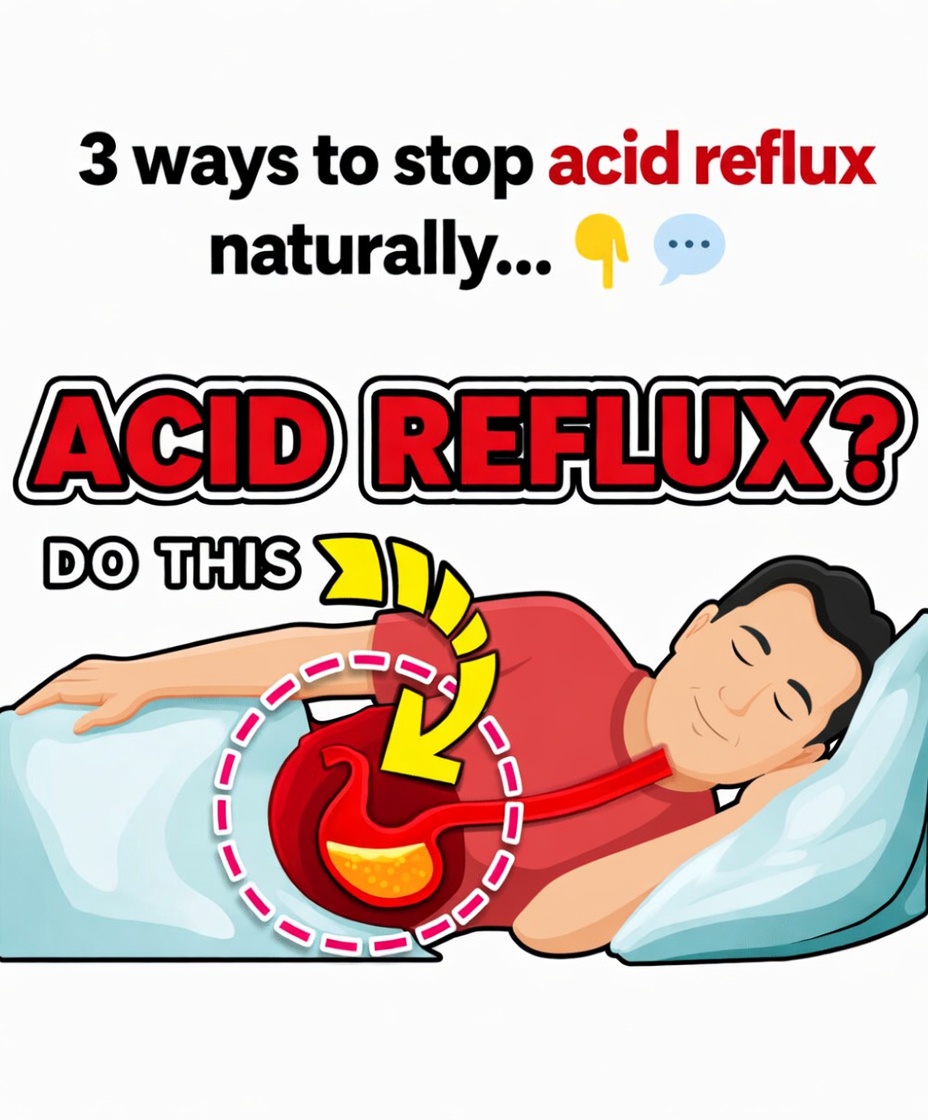
The Hidden Root Cause of Acid Reflux
Most people are told that acid reflux comes from having too much stomach acid. However, research and clinical experience suggest that for many individuals, the problem can actually be the opposite.
Acid reflux often happens when the lower esophageal sphincter (LES)—the muscular valve between the esophagus and the stomach—does not close tightly. When the LES is loose or weak, stomach contents can flow back up and cause the burning sensation known as heartburn.
For many people, this LES dysfunction may be linked to low stomach acid. When acid levels are insufficient, the body may not get a strong enough signal for the sphincter to close properly. If reflux is something you battle day after day, understanding this mechanism can change how you approach relief.

Stomach acid naturally declines with age, ongoing stress, and a nutrient-poor diet. Studies suggest that a large number of older adults produce less stomach acid, which can contribute to ongoing reflux and indigestion. Inadequate acid can slow digestion, increase gas and pressure in the stomach, and make it easier for acid to push upward into the esophagus.
The encouraging news: by supporting healthy stomach acid levels, many people find that both the frequency and intensity of acid reflux episodes decrease. Below are three practical, natural strategies that may help.
Way 1: Using Betaine HCl to Support Stomach Acid
One commonly used approach for low stomach acid–related reflux is betaine hydrochloride (betaine HCl). This supplement is designed to temporarily increase the acidity of the stomach, which can:
- Support proper breakdown of proteins
- Reduce fermentation and gas that increase pressure
- Encourage the LES to stay closed, potentially easing reflux
Before considering betaine HCl, some people try a simple “acid challenge” using apple cider vinegar. Mix 1–2 teaspoons of apple cider vinegar in a glass of water and sip it with a meal. If this diluted vinegar does not cause burning or worsening of symptoms, it may suggest your stomach can tolerate additional acidity.
If you tolerate the vinegar well, you can discuss with your healthcare provider whether betaine HCl is appropriate for you. When used, it is typically taken with protein-containing meals to help digestion and reduce bloating that can aggravate acid reflux. Most practitioners recommend:
- Starting with a low dose.
- Paying close attention to how your body feels.
- Gradually adjusting the dose as advised by a professional.
Always consult a qualified healthcare provider before adding betaine HCl or any supplement for acid reflux, especially if you are on medication, have ulcers, or have been diagnosed with GERD or other digestive conditions.

Way 2: Key Nutrients That Help Your Body Make Stomach Acid
Your body requires certain minerals to produce sufficient stomach acid. When these nutrients are lacking, acid production can dip, making reflux and indigestion more likely.
Important nutrients for stomach acid production include:
- Potassium
- Sodium
- Zinc
Getting enough zinc is particularly important. Foods rich in zinc that may support healthy digestion and help reduce reflux episodes include:
- Pumpkin seeds
- Chickpeas and lentils
- Lean meats and poultry
- Nuts and seeds
If these minerals are chronically low, stomach acid may remain suboptimal, and acid reflux can become a persistent problem. Over time, this can increase discomfort, impact your appetite, and take an emotional toll.
By emphasizing a nutrient-dense, balanced diet, many people notice their digestion becomes smoother and less reactive. Where possible, aim to meet your needs through whole foods first, and only use supplements under professional guidance.
Way 3: Managing Stress to Reduce Acid Reflux Symptoms
Stress and anxiety can significantly intensify acid reflux. When you are under pressure, the nervous system shifts into “fight or flight” mode, which can:
- Tighten the muscles of the stomach and esophagus
- Slow normal digestion
- Heighten pain sensitivity, so even small amounts of acid feel more intense
Many people with reflux report worse symptoms during periods of high stress, even if their diet hasn’t changed. Incorporating daily stress-management techniques can help:
- Deep breathing exercises: Slow, diaphragmatic breathing before and after meals
- Gentle movement: Walking, stretching, yoga, or light exercise
- Relaxation practices: Meditation, mindfulness, or calming music
Lower stress levels support healthier digestion overall and may help your body be less reactive to common reflux triggers. If acid reflux is constantly keeping you on edge, making relaxation a non-negotiable part of your routine can be one of the most powerful natural tools for long-term relief.

Foods to Avoid When You Have Acid Reflux
Certain foods and drinks can either relax the lower esophageal sphincter or increase pressure in the stomach, making reflux more likely. Limiting or avoiding these common triggers may help reduce heartburn and indigestion:
- Refined carbohydrates and sugary snacks
- High-fat and fried foods (such as French fries, fried chicken)
- Fatty cheeses and heavy cream-based dishes
- Chocolate
- Coffee and caffeinated beverages
- Spicy foods
- Citrus fruits (oranges, grapefruits, lemons)
- Tomato-based products (sauces, ketchup)
- Onions and garlic
- Alcohol
- Carbonated drinks
Some people also notice that gluten-containing foods (like white bread and pasta) worsen their symptoms. Keeping a food and symptom diary can help you identify your personal triggers and build a reflux-friendly eating plan.
Foods That May Help Soothe Acid Reflux
While some foods aggravate acid reflux, others can be more gentle on the digestive system and may help calm irritation. Emphasize:
- Root vegetables: Carrots, sweet potatoes, beets
- Leafy greens: Spinach, kale, Swiss chard
- Non-citrus fruits: Bananas, apples, pears, melons
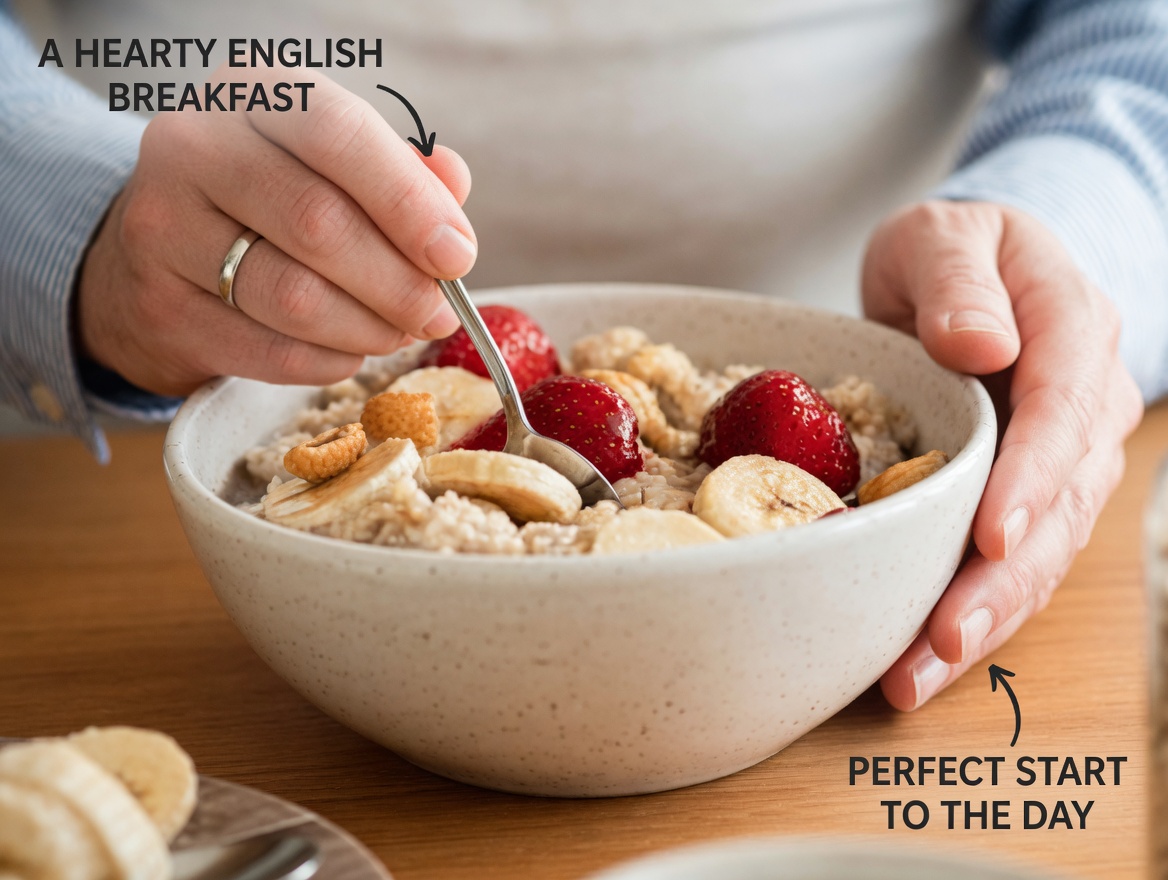
- Whole grains: Oats, brown rice, quinoa
- Fermented foods (if tolerated): Yogurt with live cultures, kefir, sauerkraut, kimchi
- Lean proteins: Chicken, turkey, fish, tofu, and legumes, prepared by baking, steaming, or grilling instead of frying
- Soothing herbal drinks: Ginger tea, chamomile tea
These foods can support a healthier gut environment, reduce inflammation, and promote more comfortable digestion. Over time, building meals around these options may help decrease the severity and frequency of acid reflux episodes.
Lifestyle Changes to Keep Acid Reflux Under Control
Small daily habits can have a big impact on how often you experience acid reflux and how intense it feels. Consider the following adjustments:
-
Change your sleep position
- Sleep on your left side when possible.
- Elevate the head of your bed by about 10–20 cm (4–8 inches) to help prevent acid from traveling upward during the night.
-
Adjust meal timing and size
- Eat smaller, more frequent meals instead of large portions.
- Avoid lying down for at least 2–3 hours after eating.
- Finish your last meal several hours before bedtime.
-
Maintain a healthy weight
Excess weight around the abdomen can increase pressure on the stomach and push acid into the esophagus. Gradual, sustainable weight loss can significantly improve reflux in many people. -
Quit smoking
Smoking can weaken the lower esophageal sphincter and reduce saliva production, which normally helps neutralize acid. Stopping smoking is one of the most powerful steps you can take for reflux and overall health.
By combining these simple practices with dietary changes and stress management, you can often reduce your reliance on symptom-only treatments and experience more consistent relief.
Natural Remedies That May Offer Extra Support
Several natural compounds and herbs have been studied for their potential to ease acid reflux symptoms or support esophageal health:
-
Melatonin
May help improve the function of the lower esophageal sphincter and reduce nighttime reflux in some individuals. -
Deglycyrrhizinated licorice (DGL)
A form of licorice with the glycyrrhizin removed to reduce side effects. DGL is thought to support the protective lining of the digestive tract and may soothe irritation without significantly affecting stomach acid levels. -
Slippery elm
Contains mucilage, a gel-like substance that can coat and protect the esophagus and stomach, potentially easing burning and discomfort. -
Marshmallow root
Similar to slippery elm, it may form a soothing layer on the mucous membranes of the digestive tract.
These remedies are often used alongside diet and lifestyle changes and can provide additional comfort when reflux flares up. However, they may interact with medications or be unsuitable for certain conditions, so always discuss them with your healthcare provider before use.

Bringing It All Together: Taking Charge of Acid Reflux Naturally
When you focus on supporting healthy stomach acid levels, optimizing nutrition, managing stress, and adjusting daily habits, you create a comprehensive plan for managing acid reflux. Instead of only suppressing acid, these approaches aim to address underlying imbalances that may be driving your symptoms.
Start with small, realistic changes—such as adjusting meal timing, identifying food triggers, or adding one stress-reducing practice—and observe how your body responds. Over time, you can build a personalized routine that helps you enjoy food again with less fear of heartburn and discomfort.
Frequently Asked Questions About Acid Reflux
What are the most common triggers for acid reflux?
Common triggers include:
- High-fat or fried foods
- Spicy meals
- Caffeine (coffee, energy drinks, some teas)
- Chocolate
- Alcohol
- Citrus and tomato-based foods
- Eating large meals or eating late at night
- Lying down soon after eating
Tracking your own reactions is important, as individual triggers can vary.
Can diet and lifestyle changes really make a difference for acid reflux?
Yes. For many people, changes in what, when, and how they eat—combined with stress reduction, weight management, and sleep-position adjustments—significantly reduce the frequency and intensity of acid reflux. Some individuals are even able to lessen their reliance on medications under medical supervision.
When should I see a doctor about my acid reflux symptoms?
You should seek medical advice if:
- Acid reflux or heartburn occurs more than twice a week
- Symptoms persist despite dietary and lifestyle changes
- You have difficulty swallowing or feel food getting stuck
- You experience unexplained weight loss, vomiting, or black or bloody stools
- You have chest pain, especially if it is accompanied by shortness of breath, jaw pain, or arm pain (call emergency services in this case)
A healthcare professional can evaluate for conditions such as GERD, ulcers, or other issues and help you determine the safest and most effective treatment plan.