How to Eat Bananas After 60 Without Upsetting Your Stomach or Energy
The sweet smell of a ripe banana makes it an easy, go‑to snack for many older adults. It feels quick, healthy, and familiar. Yet even this simple fruit can create unexpected problems if you choose, store, or eat bananas the wrong way. Small, unnoticed mistakes can worsen digestive issues common after 60 or trigger blood sugar swings that leave you tired, foggy, and frustrated instead of refreshed.
Over time, these hidden “banana mistakes” may even make you doubt your healthy habits, especially if you’ve been eating bananas the same way for years. The good news: once you understand how to handle bananas properly, you can keep enjoying them while protecting your digestion, energy, and overall comfort.
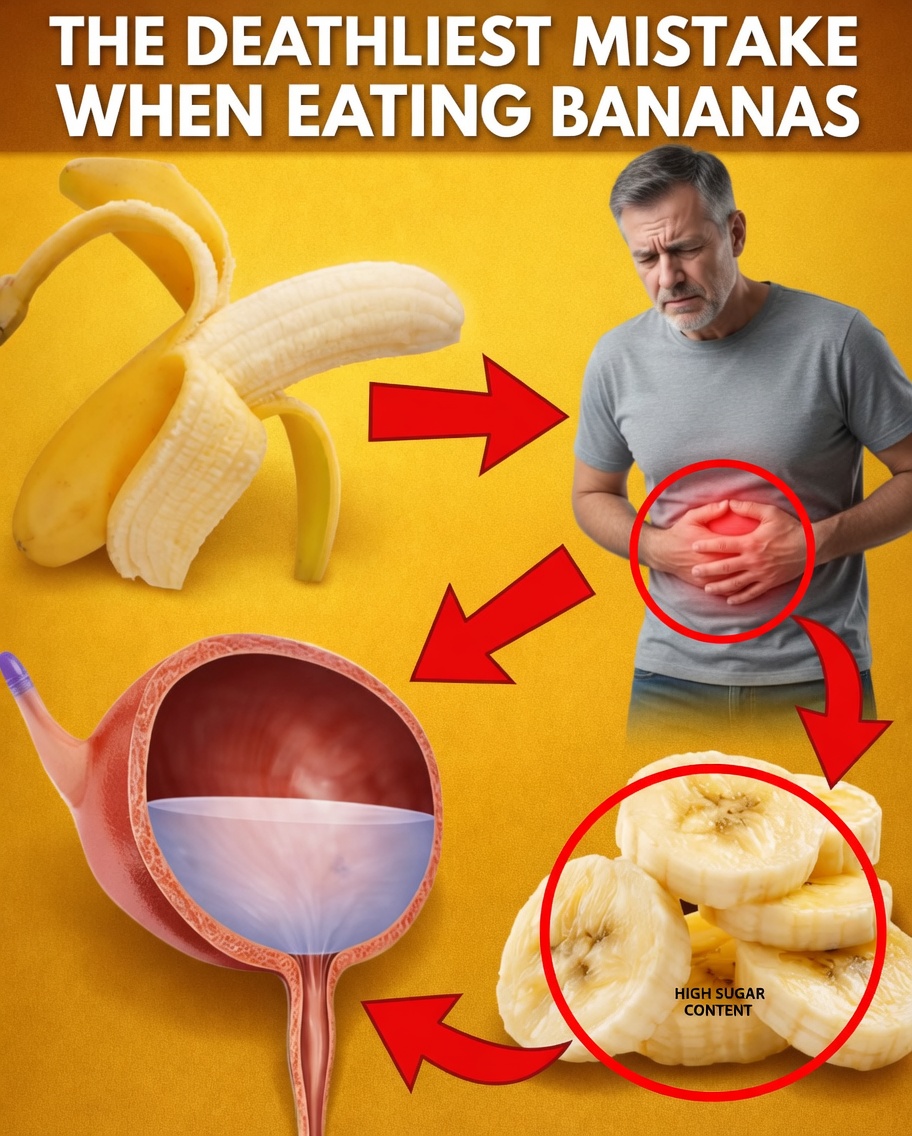
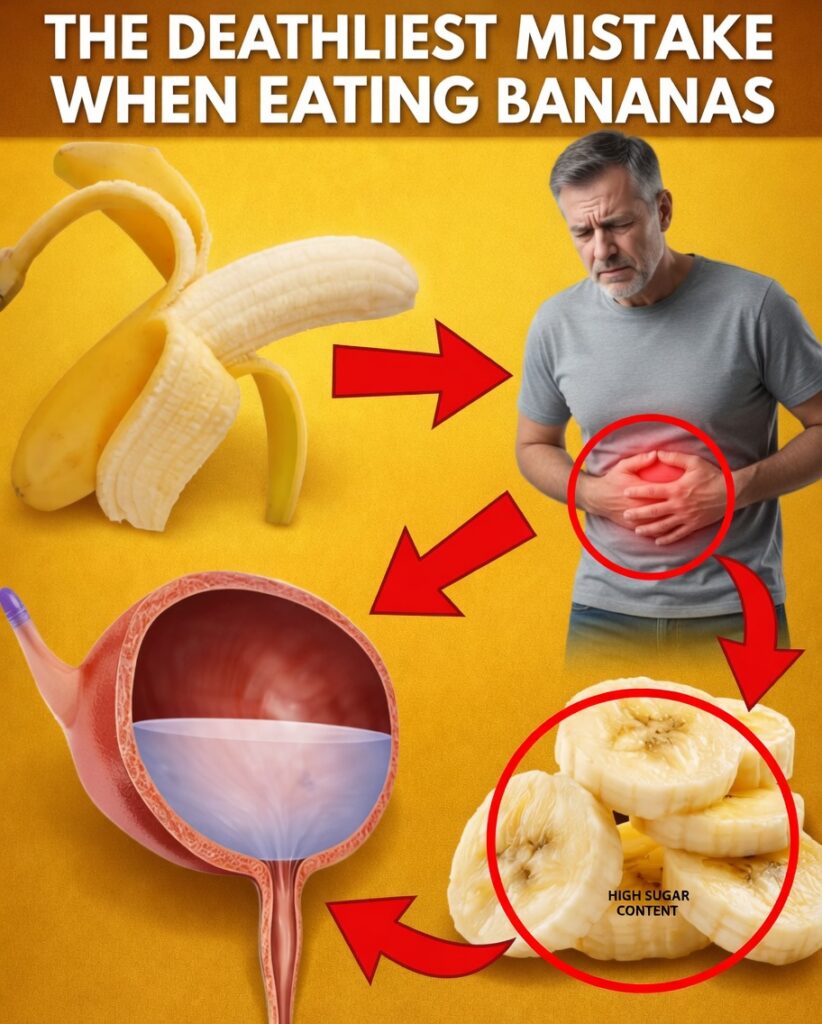
Below are eight common mistakes older adults make when eating bananas—and how to fix them easily.
⚠️ Mistake #8: Eating Very Overripe Bananas Without Caution
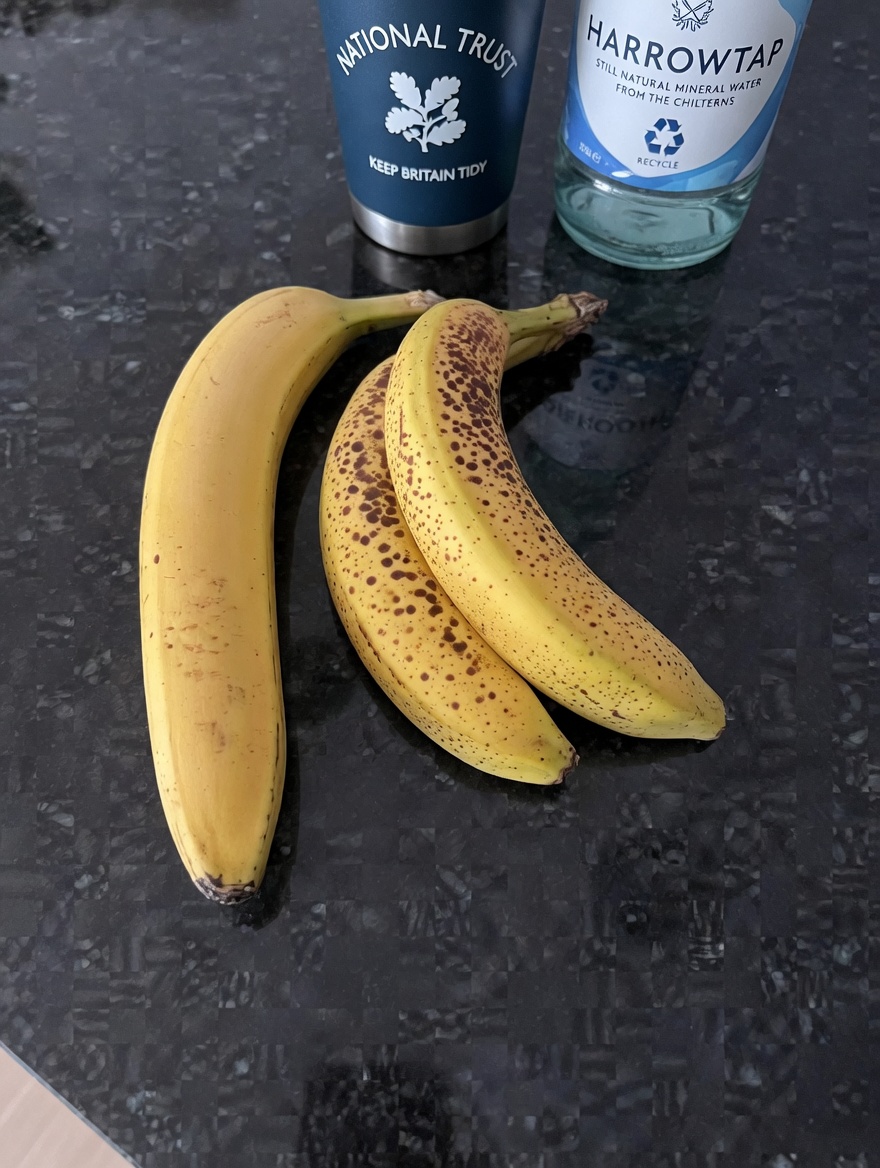
Bananas that are extremely soft, heavily spotted, or almost brown may taste sweeter, but they can cause a rapid rise and fall in blood sugar—especially in seniors.
- Overripe bananas contain more rapidly absorbed sugar.
- This can lead to a quick energy “high,” followed by fatigue, brain fog, or irritability later in the day.
- For active adults over 60, that sudden dip can disrupt a morning walk, exercise routine, or daily plans.
Smarter strategy:
If you enjoy sweeter bananas, pair them with a source of protein or healthy fat—such as almond butter, Greek yogurt, or a handful of nuts. This combination can slow sugar absorption and help keep your energy steadier.
Overripeness isn’t the only factor to watch; many people also overlook the benefits of bananas at the opposite end of the ripeness scale.
⚠️ Mistake #7: Ignoring the Hidden Benefits of Green Bananas
Many seniors toss out firm, greenish bananas, assuming they’re “not ready.” In reality, slightly green bananas have unique advantages, particularly for digestion.
- Green bananas contain resistant starch, a type of carbohydrate that acts like fiber.
- This starch helps feed beneficial gut bacteria and may ease common digestive complaints such as gas and bloating in older adults.
- Their texture is more starchy and less sweet, which some people find unusual at first.
How to use them:
If you don’t enjoy eating green bananas plain, blend them into smoothies or use them in cooking. That way, you get the gut-supporting benefits without the chalky texture.
However, even when you choose the right ripeness, storing bananas incorrectly can undo your efforts.
⚠️ Mistake #6: Putting Bananas in the Fridge Too Soon
Refrigerating bananas before they’re ripe enough is another frequent error.
- Cold temperatures can cause the peel to turn black and affect flavor.
- The fridge also interferes with how bananas release and respond to ethylene gas, which can lead to uneven ripening and a mushy texture.
- This often means more waste and more frequent trips to the store—especially frustrating if you’re trying to manage fresh produce on a schedule or budget.
Better approach:
Let bananas ripen at room temperature until they yield slightly when pressed. Once they reach your preferred ripeness, you can move them to the refrigerator to slow further ripening and extend their usable life.
Fixing storage habits is helpful, but when you eat bananas also matters for your stomach comfort.
⚠️ Mistake #5: Eating Bananas on an Empty Stomach
For some older adults, eating a banana first thing in the morning on an empty stomach can trigger discomfort.
- Natural sugars and mild acids in bananas may irritate a sensitive or aging stomach lining.
- This can lead to a burning sensation, mild nausea, or general stomach upset that disrupts an otherwise good start to the day.
What to do instead:
Eat bananas as part of a small meal or snack rather than alone. For example:
- Slice a banana over oatmeal.
- Add half a banana to yogurt with nuts or seeds.
- Combine banana with whole-grain toast and nut butter.
This provides a “buffer” that often makes bananas easier to tolerate and can also help keep blood sugar more stable.
Of course, even when timing is right, too many bananas can still cause trouble.
⚠️ Mistake #4: Eating Too Many Bananas in a Day
Bananas are healthy, but they’re not meant to be eaten in large quantities every day.
- Multiple bananas a day can overload your system with fructose (fruit sugar), which may lead to gas, bloating, or digestive discomfort—issues that are already more common after 60.
- For some sensitive individuals, consistently high banana intake may also influence potassium levels, which can be a concern depending on your health and medications.
A practical guideline:
For most older adults, one medium banana per day (about 120 grams) is a comfortable and balanced amount. If you’ve been eating several bananas daily and feel unusually bloated, sluggish, or “off,” cutting back may noticeably improve how you feel.
Another overlooked issue is personal sensitivity or allergy to bananas.
⚠️ Mistake #3: Ignoring Banana Allergies or Sensitivities
Not everyone realizes they’re mildly sensitive to bananas.
- Some seniors experience itchy lips, tingling in the mouth, or slight swelling after eating bananas.
- This can be related to cross-reactions such as latex–fruit syndrome, which affects a subset of people with latex or certain pollen allergies.
What used to be a favorite snack can suddenly become uncomfortable or worrisome.
Helpful adjustments:
- Start with small portions to see how your body responds.
- Consider cooked bananas (baked, stewed, or in recipes), which may be easier to tolerate for some people.
- If symptoms persist or worsen, discuss them with a healthcare provider or allergist.

Paying attention to these signs helps you stay comfortable—but don’t forget your teeth when you enjoy sweet fruits like bananas.
⚠️ Mistake #2: Eating Bananas and Skipping Oral Care
Bananas may seem harmless for your teeth, but their natural sugars and soft texture can cling to enamel—especially if eaten right before bed.
- Residual sugar can feed oral bacteria overnight.
- As enamel naturally thins with age, older adults can face higher risks of cavities, enamel erosion, and less fresh breath if mouth care is neglected after eating sweet snacks.
Simple protection:
- Rinse your mouth with water after eating a banana.
- Brush your teeth about 30 minutes later, especially if it was an evening snack.
- If brushing immediately isn’t possible, at least swish thoroughly with water to reduce sugar buildup.
While these steps protect your smile, your overall nutrition still depends on more than just bananas.
⚠️ Mistake #1: Treating Bananas as a “Cure-All” Superfood
Bananas are convenient and nutritious—but they aren’t a complete solution on their own.
- Relying on bananas as your main or only fruit can lead to nutrient gaps.
- Bananas are relatively low in certain nutrients found in other fruits, such as higher levels of vitamin C, diverse antioxidants, or healthy fats.
Research consistently supports the benefits of eating a variety of fruits for long-term health, energy, and resilience.
Better balance:
- Combine bananas with vitamin C–rich fruits like berries, oranges, or kiwi.
- Pair them with healthy fats from avocado, nuts, or seeds.
- Rotate different fruits across the week so bananas become part of a colorful mix, not the sole star.
These small shifts can make a noticeable difference in how energized and nourished you feel each day.
Banana Ripeness Guide for Smarter Snacking
Use this quick guide to decide how to use bananas at different stages and what to watch for:
| Banana Type | Best Use for Eating | Notes for Seniors |
|---|---|---|
| Green / Slightly Green | Smoothies, cooking, or blending into oatmeal | Higher in resistant starch and fiber; may support gut comfort and regularity. |
| Yellow, Lightly Spotted (Ripe) | Everyday snacking, pairing with protein (nuts, yogurt, eggs) | Good balance of sweetness and fiber; aim for about one medium banana per day. |
| Very Spotted or Brown (Overripe) | Baking, pancakes, muffins, or occasional snacks with protein | Can raise blood sugar more quickly; use with caution if you’re sensitive to sugar swings. |
Smart Habits for Eating Bananas After 60
A few simple adjustments can help you enjoy bananas while avoiding digestive upset or energy crashes:
- Choose the right banana: Pick firm, bright yellow bananas with minimal spotting for daily snacks.
- Pair with protein or healthy fats: Add nut butter, yogurt, or a handful of nuts to help stabilize blood sugar.
- Avoid an empty stomach: Have bananas with breakfast or a light snack instead of eating them alone first thing.
- Watch your portions: Keep intake to about one medium banana per day unless your healthcare provider suggests otherwise.
- Notice your body’s signals: Keep a simple journal to track any bloating, itching, or fatigue after eating bananas.
- Protect your teeth: Rinse and brush after banana snacks, especially in the evening.
These tweaks preserve the pleasure of eating bananas while reducing the downsides.
Take Control of Your Banana Habits
You don’t need to give up bananas to feel better after 60. By choosing the right ripeness, storing them properly, eating them at the right time, and pairing them wisely, you can enjoy bananas as a reliable source of comfort, convenience, and steady energy—rather than a hidden cause of discomfort.
Try making just one small change in how you eat bananas this week and notice how your digestion, energy, or mood responds. Bananas, with their potassium and gentle sweetness, can be a valuable part of a balanced diet—as long as you eat them the smarter, more intentional way.